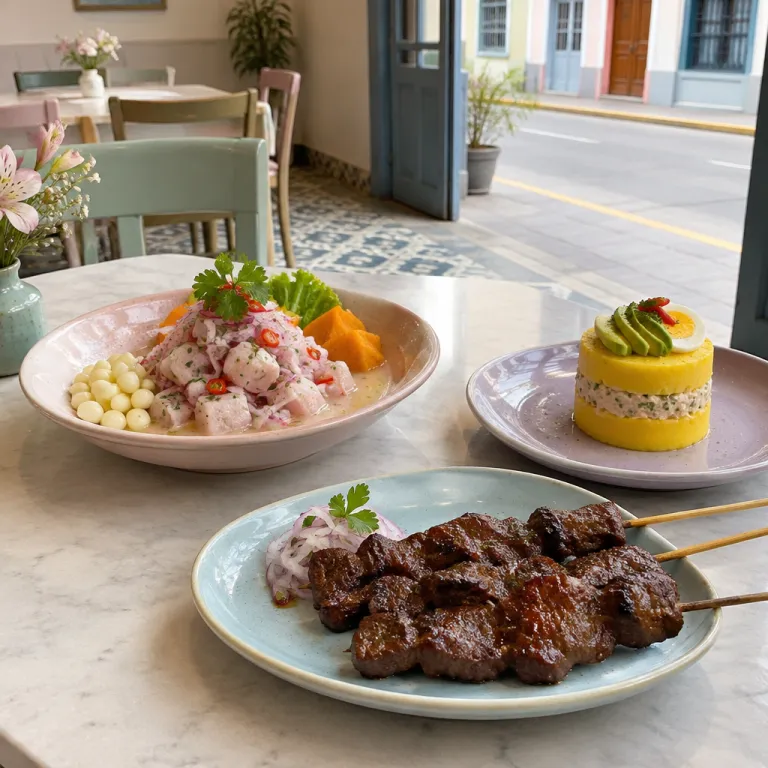
Why lima neighborhood dining in Barranco rewrites the city script
Lima neighborhood dining in Barranco is where the city finally exhales. In Barranco, Lima you feel the Pacific breeze, watch murals glow at dusk, and realise that the best food stories live far from white tablecloths. This is where luxury travelers meet Barranco, Peru on its own terms, plate by plate.
The district’s streets hold some of the best restaurants Lima can offer. Around every corner in Barranco you find a tiny restaurant, a relaxed bar, or a coffee counter that quietly out-cooks many icons in Lima, Peru. Locals talk about their favorite neighborhood haunts with a loyalty that no ranking can buy.
Here, Peruvian cuisine is not a performance but a daily rhythm. You might start with a sharp leche de tigre at a seaside restaurant, then cross into a narrow alley for lomo saltado that tastes like someone’s grandmother still runs the kitchen. In this part of the city, each new place you try feels more delicious than the last.
For solo explorers choosing where to stay, Barranco gives you walking access to this variety. Luxury and premium hotels here tend to be smaller, art focused, and deeply plugged into the neighborhood food scene. Their concierges know which restaurants Lima residents actually queue for, and which bar mixes a pisco sour worth crossing the city to drink.
Staying in Barranco also places you between worlds. To the north, Miraflores brings polished hotel towers and ocean views, while to the east, Surquillo’s markets feed the city’s cooks. From a refined base in Barranco you can move easily between these layers of Lima, tasting how the city eats beyond the tasting menu.
Huariques, markets and the everyday luxury of eating like a local
Ask any serious eater in Lima about their favorite neighborhood table and they will mention a huarique. A huarique is defined simply and precisely as, "Small family-run restaurant serving few dishes exceptionally". These places are the quiet engines of Peruvian food culture in the city.
In Surquillo, east of Miraflores and a short ride from Barranco, markets and huariques now attract gastro curious travelers. Surquillo is described clearly as, "District east of Miraflores with markets and local eateries", and that geography matters when you plan your hotel base. From Barranco you can reach Mercado de Surquillo No 1 in minutes, then be back at your room before the afternoon heat peaks.
Eat lunch in markets for cheapest authentic flavours, and you will understand why locals rarely chase reservations. A typical menú del día cost of around 15 soles (roughly 4 US dollars at recent exchange rates) buys a starter, a main, and a drink, and the value is extraordinary for visitors from the United States. The guidance is simple and reliable, "What is menù del día? Fixed lunch offering starter, main, drink at modest price".
For luxury travelers, the real indulgence is time and proximity. Choose a refined stay in Barranco and you can walk to Surquillo’s markets in the morning, then return to a calm courtyard for a late coffee. Articles such as market mornings and hotel kitchens show how the best properties now source from these very stalls.
Huariques also thrive within Barranco itself. Tucked behind murals or on quiet corners, they serve Peruvian cuisine that feels intensely personal, from bright ceviches to slow cooked stews. For a solo explorer, slipping into these small dining rooms that locals love can feel like the most luxurious experience in the city.
From chifa counters to burrito bars: Barranco’s global, grounded table
Lima is a city built on migrations, and its plates reflect every wave. In Barranco neighborhood dining, you taste this history in chifa joints, Nikkei counters, and even the occasional burrito bar that has earned a loyal following. The result is a variety of flavors that keeps even long stays feeling fresh.
Chifa, the Chinese Peruvian hybrid cuisine, is essential to understanding how Lima eats. Classic names such as Gran Chifa, Chung Yion, or Chifa Chung in other districts have long defined the style, and their spirit echoes in smaller chifa kitchens around Barranco. A plate of chaufa rice or tallarín saltado here can be as memorable as any lomo saltado in a fine dining room.
Global influences keep arriving, yet they land lightly in this neighborhood. You might find a relaxed burrito bar on a side street, serving tacos and burritos to a mixed crowd of locals and travelers, while next door a Peruvian restaurant plates up leche de tigre and grilled fish. This coexistence makes Barranco feel both cosmopolitan and deeply rooted in Peru.
Cafés add another layer to the experience. Spots like Ciclos Cafe and other coffee focused addresses in Barranco serve carefully sourced beans from across South America, turning a simple coffee into a small geography lesson. For many guests, these cafés become a favorite neighborhood office, reading room, and breakfast restaurant all at once.
Hotel dining in Lima has absorbed these currents too. Some of the best restaurants inside luxury properties now weave Nikkei and chifa influences into their menus, a shift explored in depth in Nikkei at the hotel table. Staying in Barranco lets you compare those polished plates with the chifa and burrito bar counters where the ideas often start.
Bars, pisco culture and late nights between murals and museums
When the sun drops behind the Pacific, Barranco changes tempo. Street musicians tune up, galleries spill light onto cobbles, and every bar seems to shake ice for a first pisco sour. For a solo traveler, this is when the neighborhood feels most alive yet still manageable on foot.
Pisco culture in Lima is sophisticated and surprisingly educational. Order a pisco sour at a serious bar and the bartender will likely explain which valley the grapes came from, and why this particular pisco works with the citrus and sugar balance. Many of the best bars in Barranco now also pour excellent craft beer, often from small Peruvian breweries that rarely reach supermarket shelves.
Cocktails here are not just about strength but about context. A well made pisco sour before dinner at a neighborhood restaurant can frame the whole meal, especially when paired with sharp leche de tigre or grilled seafood. Later in the night, a lighter drink or a local craft beer might be the perfect way to watch the city drift by.
Cultural stops thread naturally into this evening circuit. While Museo Larco sits across the city and rewards a dedicated visit, smaller cultural spaces and the famed Puente de los Suspiros keep Barranco anchored in history. Some travelers pair an afternoon at a museo or gallery with an early dinner at one of the best restaurants nearby, then finish with ice cream from a street vendor on the walk back to their hotel.
Luxury and premium hotels in this part of Lima understand that guests want to step out, not stay in. Many now curate self guided bar and restaurant walks, highlighting their favorite neighborhood spots for pisco, craft beer, and late night snacks. The real privilege is returning to a quiet room just a few minutes after your last sip.
Choosing your base: Barranco versus Miraflores and San Isidro
For travelers focused on lima neighborhood dining in Barranco, the first decision is where to sleep. Barranco offers intimacy and atmosphere, while Miraflores and San Isidro bring scale, business polish, and more traditional luxury cues. Your choice will shape how you taste the city.
In Barranco, Peru, many premium properties occupy restored mansions or contemporary low rise builds. They often sit on quiet streets a short walk from the busiest restaurant clusters, which means you can move between a lively bar and a tranquil courtyard in minutes. Architecture focused pieces such as how Peru’s hotels read their architecture show how these conversions respect history while serving modern comfort.
Miraflores, by contrast, is the city’s classic hotel district. Here you find large towers with full service spas, extensive breakfast buffets, and quick access to some of the best restaurants in the broader Lima scene. For guests who want a clear separation between the buzz of the city and the calm of their room, this can be the perfect compromise.
San Isidro adds another layer, with embassies, offices, and a more formal mood. Its luxury hotels excel at business friendly services, from meeting rooms to high speed connectivity, and their dining rooms host the power lunches that shape the city’s weekday rhythm. Yet for many food focused travelers, evenings still pull them back toward Barranco and its more relaxed, delicious energy.
Whichever district you choose, think about walking distance. Being able to stroll to your favorite neighborhood restaurant, grab a late ice cream, or slip into a quiet bar for one last pisco sour often matters more than a slightly larger room. In Lima, the best luxury is usually measured in minutes to your next great meal.
How to eat like a local while staying in luxury
Luxury travelers in Lima increasingly want both comfort and contact. They book premium rooms, then ask concierges where to find the most authentic Peruvian cuisine within a short walk. The good news is that Barranco neighborhood dining makes this balance unusually easy.
Start by treating your hotel as a launchpad, not a cocoon. Ask staff which huariques they personally visit on days off, and which markets they trust for the freshest food in Peru. Many teams now maintain informal lists of favorite neighborhood spots, from a tiny restaurant serving perfect leche de tigre to a bar known for its craft beer selection.
Plan at least one day around the markets. Go early to Mercado de Surquillo No 1 for breakfast juice, coffee, and a simple menú del día lunch, then return to Barranco for a late afternoon rest. In the evening, follow the crowds to a casual restaurant for ceviche, lomo saltado, or whatever the chalkboard suggests, and finish with ice cream from a street stall.
Remember that the most memorable meal in Lima is often the least expensive. Huariques and market stalls run by local huarique owners and home cooks from the Andes or Amazon focus on a few dishes and execute them with quiet confidence. Their work proves why neighbourhoods across the city are now recognised as producing exceptional everyday food beyond the famous award winners.
As you move between Barranco, Surquillo, and the historic centre, you will see how the city’s food story stretches far beyond any list of best restaurants. From Canta Rana in Barranco to old school chifa halls near Chinatown, from Ciclos Cafe to tiny counters serving leche de tigre in plastic cups, lima neighborhood dining in Barranco and beyond quietly out-cooks many icons. The key is to stay curious, walk often, and let the neighborhoods set the pace.
FAQ
What is a huarique and why does it matter in Lima?
A huarique is a small, usually family run restaurant that focuses on a short menu and cooks those dishes exceptionally well. These venues are central to everyday Peruvian cuisine in Lima, especially in districts like Barranco and Surquillo. Eating at huariques lets travelers taste the food that locals actually rely on, often at modest prices.
Is Barranco a good neighborhood to stay in for food focused trips?
Barranco is one of the best areas in Lima for travelers who prioritise eating well within walking distance of their hotel. The neighborhood combines creative restaurants, relaxed bars, serious coffee shops, and easy access to markets in nearby Surquillo. For many solo explorers, Barranco offers the ideal balance of atmosphere, safety, and culinary variety.
How expensive is it to eat well in Lima’s neighborhoods?
Eating in neighborhoods such as Barranco and Surquillo can be very affordable compared with fine dining in the city. A typical menú del día at a market huarique costs around 15 soles, while more elaborate dinners at popular places locals love remain reasonable by United States standards. This price structure allows luxury travelers to allocate budget to premium hotels while still enjoying excellent, delicious food daily.
Do I need reservations for neighborhood restaurants in Barranco?
For the most popular best restaurants in Barranco, especially on weekends, reservations are recommended. Many smaller huariques and casual spots operate on a first come basis, so arriving early for lunch or dinner usually secures a table. Hotel concierges can often call ahead or suggest alternative restaurants if a favorite neighborhood place is full.
How safe is it to walk between bars and restaurants at night?
Central areas of Barranco and Miraflores are generally considered safe for walking at night, especially along main streets and around well lit restaurant clusters. As in any large South America city, it is wise to stay on busy routes, avoid displaying valuables, and use licensed taxis or ride hailing for longer transfers. Choosing a hotel within a short walk of your preferred dining streets further reduces late night transport concerns.