From Maido to the lobby: why nikkei cuisine reached Lima hotels
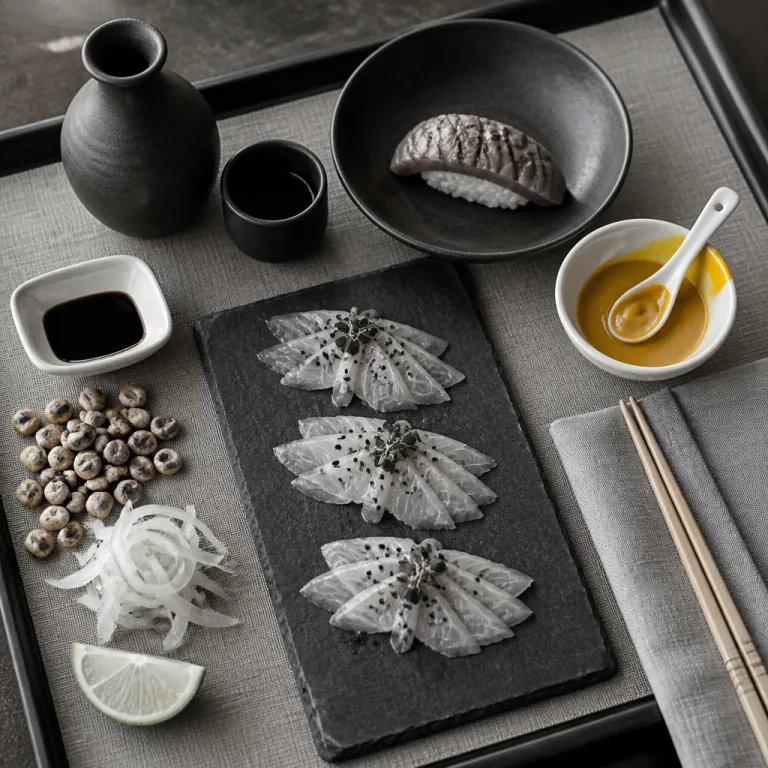
Nikkei cuisine in Lima hotels did not appear by accident. As Lima became one of the best cities in South America to eat high level Peruvian cuisine, hotel owners realised guests wanted the same Japanese Peruvian energy without leaving the property. For solo travelers, that shift turned the hotel restaurant into a safe, elegant stage for a first encounter with intense Peruvian flavors and precise Japanese technique.
Nikkei cooking, the fusion of Japanese and Peruvian culinary traditions, grew from humble migrant kitchens into a global reference across Latin America and North America. When Maido in Lima climbed to the top of Latin America’s 50 Best Restaurants list in 2017 and later ranked among the world’s leading dining rooms, it confirmed that a Peruvian Nikkei menu could stand beside any fine restaurant in the Americas. That recognition pushed luxury hotels in Peru to ask a simple question: why send guests across the city for a world class dining experience when a Nikkei style restaurant could sit just off the lobby.
Today, Nikkei cuisine programs in Lima hotels are designed as more than convenient places to eat. They are curated culinary experiences where aji amarillo, pristine coastal fish and umami rich sauces meet polished service and serious wine lists. For a traveler landing from Miami or São Paulo, the first dinner in Lima can now be an exceptional dining experience that feels both local and cosmopolitan.
How luxury hotels recruit nikkei talent and shape their menus
Behind every strong Nikkei dining program in Lima’s hotels sits a chef who speaks both Peruvian cuisine and Japanese technique fluently. Some properties collaborate with names shaped by the Maido generation, while others work with rising talents trained in restaurants Lima locals follow obsessively. The goal is not to copy a famous restaurante Nikkei but to translate that level of culinary precision into an all day hotel dining experience.
InterContinental Real Lima Miraflores, for example, created Nau Nikkei Lounge as a dedicated Nikkei restaurant inside the property. Here, a Peruvian Japanese menu might move from citrus bright sea bass tiradito with rocoto and aji amarillo to slow grilled fish brushed with a Nikkei style tare, always anchored in local Peruvian flavors. The main content of these menus respects Japanese Peruvian balance: clean lines on the plate, bold Andean and coastal ingredients underneath.
New arrivals such as SOUMA Hotel Lima and Humano Lima show how far this can go. SOUMA opened with separate Peruvian and Nikkei restaurants, while Humano’s culinary team talks openly about blending Japanese precision with Peruvian fire cooking on its rooftop grill. For readers interested in how chef led hotels are reshaping the country’s food map, the guide to chef driven hotel kitchens in Peru offers a deeper look at properties where the room key is also a reservation.
What makes hotel nikkei different from Lima’s headline restaurants
Booking Maido or another of Lima’s best restaurants can feel like a logistical project, especially for a solo explorer. Hotel based Nikkei restaurants in Lima answer a different brief: they must welcome jet lagged guests at odd hours, serve breakfast, and still deliver a serious dining experience at dinner. That constraint forces chefs to rethink what a Peruvian Nikkei menu can be.
At breakfast, you might find Japanese Peruvian touches in congee made with Andean grains, or aji amarillo folded into a gentle omelette beside miso roasted tomatoes. Room service adapts classic Nikkei cuisine into comforting bowls of rice, grilled fish and bright pickles that travel well on a tray. Late at night, the same kitchen can still send out a tight selection of sashimi, fusion Peruvian tiraditos and small plates that let you eat lightly after a long flight from Miami or another hub in North America.
For travelers curious about how Lima’s restaurant culture now extends across the Pacific, it is worth reading the analysis of Peruvian chefs exporting their cuisine to Asia. That same outward looking energy shapes Nikkei cuisine in Lima hotels, where menus reference South America, Japan and wider Latin America in a single seating. The result is a style of exceptional dining that feels less like a trophy reservation and more like an ongoing conversation between continents.
The solo traveler’s table: intimacy, access and live music
Eating alone in a famous Lima restaurant can be exhilarating, but it can also feel performative. At hotel Nikkei restaurants in Lima, the dining room is built around the idea that many guests will eat solo, sometimes more than once during a stay. That changes everything from the way the menu is structured to how the staff reads the room.
Bar counters become prime seats for a one person dining experience, where you can watch chefs torch fish for nigiri or plate aji amarillo drenched tiradito without feeling on display. Tasting menus are often offered in half portions, allowing a single diner to move through the full range of Peruvian flavors and Japanese textures without fatigue. Some restaurants Lima hotels operate schedule live music carefully, keeping volume low enough that a solo guest can either sink into the soundscape or chat with the bartender about which valley produced the sake like rice wine in their glass.
For independent travelers planning a route that mixes gastronomy with highland or Amazon adventures, it helps to see these hotel restaurants as anchors. They offer a reliable place to eat well before a dawn flight, or a final fusion Peruvian dinner after trekking in the Sacred Valley. To balance your itinerary between serious food and outdoor experiences, the guide to luxury hotels for adventure focused travelers in Peru pairs these dining rooms with properties near key landscapes.
Designing gourmet nikkei tours around Lima’s hotel scene
For travelers using Lima as a base, it is now possible to design a gourmet cuisine tour that moves between Nikkei dining at Miraflores properties and stand alone restaurants. Start with a night at a Miraflores hotel where the in house restaurante Nikkei handles your first dinner, letting you adjust to altitude and time zones gently. The next day, you can venture out to Maido or another of the city’s best restaurants, already fluent in the basic vocabulary of Peruvian Nikkei flavors.
Some travelers extend this circuit across South America and Latin America, pairing Lima with cities like Miami where Peruvian restaurants have become part of the mainstream dining landscape. In both singular and plural forms, these restaurants show how Peruvian Japanese ideas travel, yet Lima remains the reference point for serious culinary traditions. As one local chef explains when asked what Nikkei cuisine is: “A fusion of Japanese and Peruvian culinary traditions.”
Within hotels, cooking classes and chef’s counter experiences deepen that understanding. You might learn how to break down coastal fish for sashimi, then turn the trimmings into a staff style ceviche that never appears on the printed menu. In many Nikkei cuisine focused Lima hotels, the skip main course approach is encouraged: order several small plates, let the team guide you, and treat the evening as a slow, exceptional dining journey rather than a rigid three course structure.
FAQ
What is nikkei cuisine in the context of Lima hotels ?
In Lima hotels, Nikkei cuisine refers to menus that blend Japanese technique with Peruvian ingredients, served in spaces designed for travelers rather than local regulars. You will see classic Peruvian cuisine elements like ceviche, tiradito and aji amarillo based sauces alongside Japanese preparations such as sashimi, tempura and rice bowls. The difference lies in accessibility: hotel kitchens adapt these dishes for breakfast, room service and late night dining without losing their culinary identity.
Which Lima hotels currently offer serious nikkei dining options ?
Several luxury properties in Lima now feature dedicated Nikkei restaurant concepts or strong fusion Peruvian menus. InterContinental Real Lima Miraflores is a clear reference, with its Nau Nikkei Lounge positioned as a full scale Japanese Peruvian dining room inside the hotel. Newer entries like SOUMA Hotel Lima and Humano Lima also integrate Peruvian Nikkei ideas into their broader culinary programs, even when the restaurant name does not explicitly use the word Nikkei.
How should a solo traveler plan a nikkei focused stay in Lima ?
A solo traveler can build a short itinerary around two or three hotel Nikkei restaurants in the same district, such as Miraflores or San Isidro. Book at least one night where you commit to eating in the hotel restaurant, ideally at the bar counter or chef’s table for a more interactive dining experience. Then secure one external reservation at a landmark like Maido, using the hotel team’s relationships to help with access and timing.
Do hotel nikkei restaurants in Lima cater to guests unfamiliar with Peruvian food ?
Yes, hotel based Nikkei restaurants are often designed as gentle introductions to Peruvian food for guests who may be new to the cuisine. Menus usually highlight clear descriptions, offer tasting flights of small plates, and allow staff to guide you through spice levels and ingredient origins. This makes them ideal first stops before exploring more experimental restaurants Lima locals frequent.
Is there a difference in quality between hotel nikkei dining and independent restaurants ?
The gap has narrowed significantly as Lima’s luxury hotels invest in serious culinary teams and partnerships with respected chefs. While independent restaurants can sometimes push boundaries further, many Nikkei cuisine focused Lima hotels now deliver technique, product quality and service that match the city’s best addresses. For travelers, the advantage lies in convenience and the ability to integrate an exceptional meal seamlessly into a broader Peru itinerary.