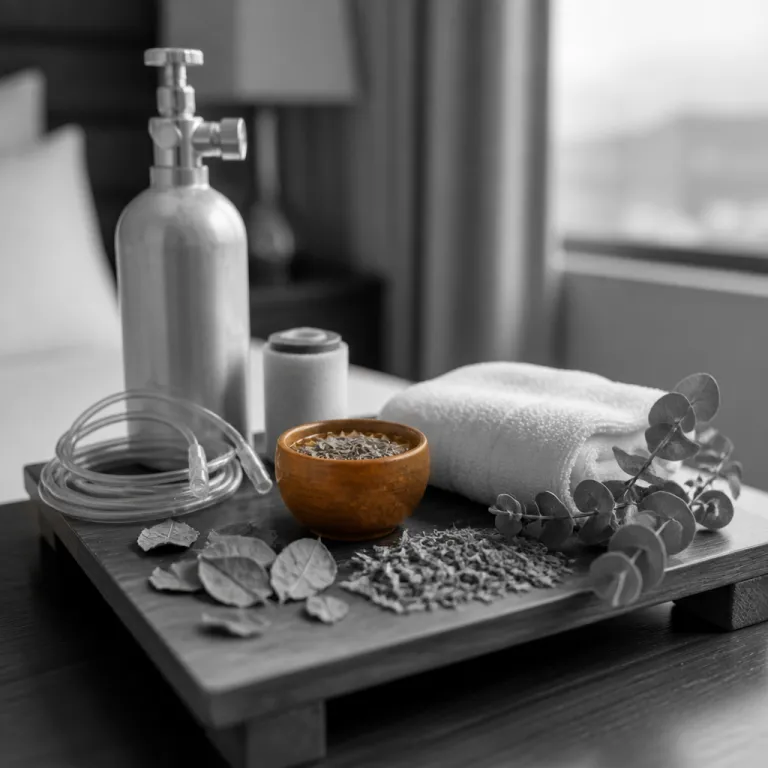
Why oxygen enriched hotel rooms in Cusco Peru matter for high altitude wellness
Cusco sits at roughly 3,400 meters (11,150 feet) above sea level, which makes the city one of the highest major urban gateways to Machu Picchu. At this altitude, observational studies from high-altitude clinics and summaries from organizations such as the CDC and UIAA suggest that around 40–50% of newly arrived travelers report some degree of altitude sickness, and that statistic shapes how every luxury hotel now thinks about wellness, sleep and guest comfort. For business leisure travelers extending a work trip, the combination of meetings, jet lag and thin air can turn a promising stay in the historic center into a foggy blur without the right accommodations.
Altitude sickness, also called acute mountain sickness, typically brings headache, nausea and poor sleep, and it can undermine both sightseeing and boardroom performance. Medical guidance from sources like the CDC Yellow Book and UIAA high-altitude recommendations is clear that guests should acclimate gradually, stay hydrated and avoid strenuous activity on arrival, yet many visitors still land in Cusco from Lima and head straight to a star hotel near Plaza de Armas. That is where oxygen-enriched hotel rooms and altitude-aware suites in the city enter the wellness conversation, because controlled oxygen levels in the room can ease symptoms while the body adjusts to the thinner air.
Oxygen support does not replace acclimatization, but it can make the first two nights far more manageable for sensitive travelers. Some hotels in Cusco use piped oxygen to raise the fraction of inspired oxygen (FiO2) in the room air from the usual 21% at sea level to roughly 23–28%, figures that align with ranges described in high-altitude medicine literature, while others rely on portable concentrators that deliver oxygen directly to the guest in the room at flow rates of about 1–3 liters per minute. The most advanced rooms feature integrated air purification and discreet oxygen delivery, which allows guests to maintain a normal routine, host a private meeting or simply enjoy an excellent sleep without feeling tethered to medical equipment; as one front-office manager at a leading property put it, “Our goal is to make the oxygen invisible, and the comfort unforgettable.”
How oxygen enriched systems work, and what actually helps at 3,400 meters
Not all oxygen-enriched accommodation in Cusco Peru is created equal, and understanding the technology helps you choose the right room for your stay. Some rooms feature central systems that mix additional oxygen into the air supply, subtly increasing the oxygen concentration in the entire space while maintaining normal pressure and humidity, an approach sometimes described in hotel engineering case studies as normobaric oxygen enrichment. Other hotels offer portable concentrators in the room, which deliver oxygen through a nasal cannula during rest or sleep, a more medical but still effective approach for guests with pronounced altitude sickness or a history of high-altitude issues.
Pressurised rooms, which simulate a lower altitude by increasing air pressure, remain rare in Cusco hotels because they are complex and costly to build, so most properties focus on oxygen-enriched air rather than pressure changes. Published medical literature on high-altitude stays suggests that even modest increases in oxygen availability—equivalent to dropping the “felt” altitude by several hundred meters—can reduce headache and improve sleep quality at this elevation, especially during the first forty eight hours. Coca tea, hydration protocols and medications such as acetazolamide (typically prescribed at 125–250 mg twice daily under medical supervision, as outlined in standard high-altitude treatment guidelines) still matter, yet the combination of these measures with a well designed oxygen-assisted room can transform the overall experience.
Hotel wellness teams in Cusco Peru now train staff to explain these options clearly, so guests can align their wellness strategy with meeting schedules and excursions to Machu Picchu or the Sacred Valley. Many properties in the city also coordinate with local clinics or on-call physicians for guests who develop more serious symptoms, ensuring that oxygen support in the room is part of a broader safety net; for example, several upscale hotels keep a direct line to high-altitude medicine specialists who can adjust oxygen flow rates or recommend transfer to a lower elevation if symptoms escalate.
The reference properties: Palacio Nazarenas, JW Marriott El Convento Cusco and their peers
Within the landscape of altitude-ready luxury hotels in Cusco Peru, two addresses consistently set the benchmark for oxygen-aware comfort. Palacio Nazarenas by Belmond, often referenced alongside the historic Belmond Palacio del Inka in conversations about Cusco heritage hotels, offers suites where rooms feature discreet oxygen enrichment layered over thick stone walls and marble bathrooms. Built on Inca foundations between San Blas and Plaza de Armas, this property combines serious wellness engineering with a sense of place that feels deeply rooted in the city, and its own materials highlight in-suite oxygen as a signature amenity for guests arriving from sea level.
JW Marriott El Convento Cusco, located on the corner of Calle Ruinas and San Agustín just a short walk from Plaza de Armas, takes a more comprehensive approach by offering oxygen enrichment in every room according to the hotel’s own descriptions. The hotel occupies a former convent, El Convento Cusco, and integrates advanced air purification with oxygen delivery to support guests from the moment they check in. According to the property’s guidance, “Acclimate gradually to high altitude, stay hydrated, avoid strenuous activities upon arrival,” and this advice pairs naturally with the built in oxygen support that defines the experience here.
Other luxury hotels in Cusco Peru, including historic addresses such as Hotel Monasterio and contemporary properties like Aranwa Cusco, have responded with their own altitude focused offers, from in room oxygen on demand to wellness menus designed around light Andean cuisine. While not every star hotel in the city provides fully oxygen-enriched rooms, the best hotels now treat altitude as a core part of the guest journey rather than an afterthought. For travelers who want to balance highland stays with lowland recovery, our feature on Peru’s luxury cruise circuit in Pacaya Samiria shows how river itineraries can complement a high altitude city break.
Choosing between Cusco, the Sacred Valley and Aguas Calientes for a high performance stay
For executives planning a stay in Cusco Peru around key meetings or site visits, the first strategic decision is where to sleep during the initial nights at altitude. Staying in the city offers immediate access to corporate offices, San Blas restaurants, Plaza de Armas venues and early flights, yet it also exposes you to the full 3,400 meter altitude from day one. Oxygen-enhanced hotel rooms and high-altitude suites in Cusco narrow that gap by softening the physiological shock, but they do not change the underlying elevation.
The Sacred Valley, by contrast, sits closer to 2,800 to 2,900 meters, and that difference can feel dramatic for travelers prone to altitude sickness. Properties such as Tambo del Inka, Hacienda Urubamba and Sol y Luna position themselves as wellness forward bases, where rooms feature large windows, gardens and spa programs rather than oxygen-enriched systems, because the lower altitude already reduces strain. Many guests now split their itinerary, spending the first two nights in the Sacred Valley before a stay in Cusco, which allows the body to adjust gradually while still enjoying star hotel service.
Aguas Calientes, the gateway town below Machu Picchu, lies even lower, and some travelers choose to sleep there after visiting the citadel rather than rushing back to Cusco the same day. This pattern can work well for those who feel unwell in the city, though accommodations range widely from simple hostels in Aguas Calientes to comfortable hotels with limited wellness infrastructure. A balanced itinerary might include a Sacred Valley start, a focused stay in Cusco with oxygen-supported rooms for meetings, and a final night near Machu Picchu to enjoy the ruins without altitude dominating the narrative.
Practical booking intelligence: reading between the wellness lines in Cusco hotel marketing
Marketing language around oxygen-enriched accommodation in Cusco Peru can be opaque, so it pays to read carefully before you book. When a hotel in the city claims that rooms feature oxygen, ask whether this means a fully integrated system that raises FiO2 in the entire room, portable concentrators on request or simply access to oxygen in the spa or clinic. The difference matters if you plan to work from your room, host small meetings or rely on uninterrupted sleep before a presentation.
Some hotels in Cusco Peru still describe themselves as a boutique hotel or use phrases such as Cusco boutique in their branding, even when the real differentiator is altitude aware service rather than design. As you compare hotels, focus on concrete details such as whether every room includes oxygen support, how quickly staff can deliver oxygen if needed and what protocols exist for guests who develop more serious altitude sickness. Pay attention to location as well, because staying near Plaza de Armas or San Blas can reduce walking time between meetings, while properties closer to San Agustín or the edge of the historic center may offer quieter nights.
For travelers on mixed itineraries that include hostels in Cusco, higher end hotels and perhaps a cruise or jungle lodge, aligning wellness standards across segments becomes part of the strategy. A night in a star hotel with oxygen-enriched rooms before or after a more rustic stay can reset energy levels and protect the overall experience. Whatever your route between Cusco, Machu Picchu, the Sacred Valley and other regions of Peru, treating altitude as a design parameter rather than a surprise will help you extract real value from the city’s most advanced wellness focused hotels.
FAQ
What is altitude sickness, and why is it common in Cusco ?
Altitude sickness is a condition caused by rapid ascent to high altitudes, leading to symptoms like headache and nausea. Cusco sits at about 3,400 meters, so the air contains less oxygen than at sea level, and observational data from high-altitude clinics and CDC-style field reports indicate that roughly half of visitors feel some symptoms during the first days. Arriving by plane from coastal Peru increases the risk because the body has no time to acclimate gradually.
How do oxygen enriched rooms help guests in Cusco hotels ?
Oxygen enriched rooms help by increasing the amount of oxygen available to breathe while you rest or sleep. According to medical explanations from high-altitude medicine specialists and review articles on normobaric oxygen, “They provide additional oxygen to alleviate altitude sickness symptoms,” which can reduce headache and improve sleep quality. These rooms are especially useful during the first forty eight hours, when most travelers feel the strongest effects of altitude.
Are oxygen enriched rooms standard in Cusco, or only in some hotels ?
Oxygen enriched rooms are not yet standard across all hotels in Cusco Peru, and they remain a feature of selected luxury properties and a few upscale boutique hotels. Some leading addresses, such as JW Marriott El Convento Cusco according to its own descriptions, offer oxygen in every room, while others provide it only in certain suites or on request. When altitude management is a priority, you should confirm the exact setup with the hotel before booking.
Should I still take other precautions if I book an oxygen enriched room ?
Even with an oxygen enriched room, you should follow basic high altitude precautions. That means arriving well hydrated, avoiding heavy meals and intense exercise on the first day, and considering medical advice about medications such as acetazolamide if you have a history of altitude problems, following dosing ranges described in CDC and UIAA guidance. Oxygen support in the room is a complement to these measures, not a replacement.
Is it better to stay in Cusco, the Sacred Valley or Aguas Calientes first ?
Many travelers who are sensitive to altitude choose to start in the Sacred Valley, where elevations are lower than in Cusco, and then move higher once their bodies adjust. Others with tight schedules prefer to stay in Cusco immediately, often choosing hotels with oxygen enriched rooms to offset the rapid ascent. Aguas Calientes works well as a lower altitude base around a Machu Picchu visit, but it offers fewer high end wellness focused hotels than Cusco or the Sacred Valley.