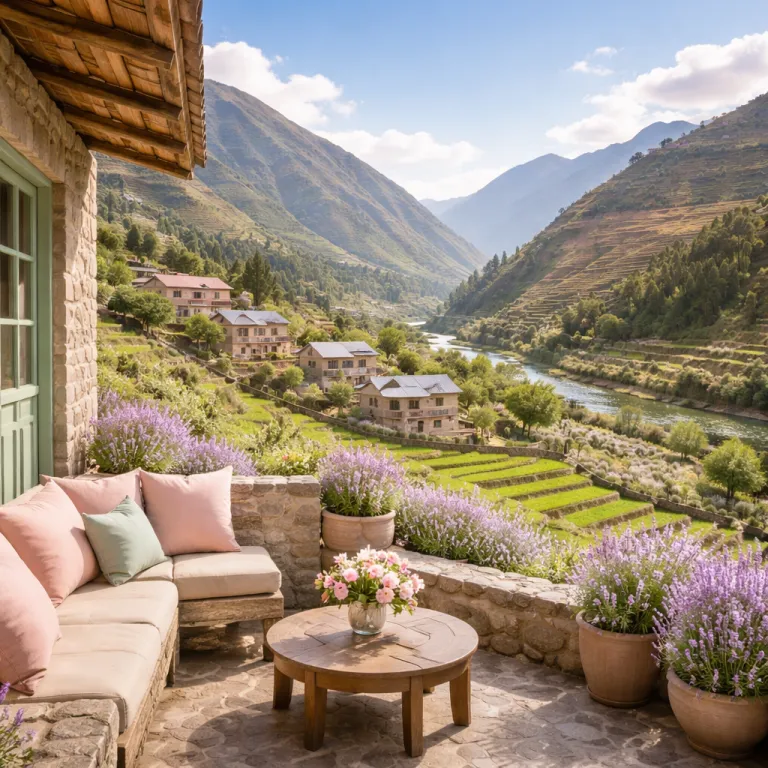
Reading sacred valley luxury hotels by altitude, not by brand
The Sacred Valley in Peru is not one single place; it is a 60 kilometre corridor where altitude shifts quietly dictate how well you sleep, eat and acclimatise. Between Pisac (around 2,970 metres), Yucay (about 2,850 metres) and Ollantaytambo (roughly 2,790 metres) the valley floor hovers below Cusco at 3,400 metres, and that difference makes sacred valley luxury hotels feel softer on the lungs from the first night. For travellers planning a stay in Peru, understanding this valley of the Incas as a gradient rather than a dot on the map is the first step to choosing the best hotel for your trip.
Most international flights land in Cusco, yet the smartest move is to drive straight down into the Sacred Valley and only stay in Cusco after one or two nights at lower altitude. Oxygen saturation typically improves over 24 to 48 hours, so a first stay in Urubamba or Yucay lets your body adjust before you tackle a day trip to Machu Picchu or a long walk above the valley. This is where high-end Sacred Valley accommodation comes into its own, because the best properties have built spa menus, slow check in rituals and flexible excursion timings around this simple physiological truth.
Think of the valley as three bands: upper Pisac, central Yucay and Urubamba, and the Ollantaytambo end that points towards Machu Picchu and Aguas Calientes. Each band has its own cluster of hotels, its own access to ruins and its own rhythm of day and night, which means the best sacred stay for one couple may be entirely wrong for another. On myperustay.com we review sacred valley luxury hotels with this geography in mind, so every full review explains not only the room categories and service, but also how the surrounding valley Peru landscape will shape your time.
Lower valley : Urubamba, Yucay and the art of arriving softly
Drop from Cusco into the lower Sacred Valley and the air feels warmer, the light more golden, and the Andes suddenly less severe. The drive from Cusco airport to Urubamba usually takes 60 to 90 minutes by private transfer, depending on traffic and brief photo stops. Around Urubamba at roughly 2,870 metres, where the river bends through fertile fields, sacred valley luxury hotels such as Inkaterra Hacienda Urubamba, Tambo del Inka and Aranwa Sacred Valley have turned this gentler altitude into an art of arrival. For couples flying into Peru and heading straight to the valley, these hotels offer the best combination of acclimatisation, comfort and access to the wider valley of the Incas.
Inkaterra Hacienda Urubamba sits above the valley floor with a colonial inspired hacienda at its heart, and the brand’s Earth to Table concept means much of your dinner has travelled only a few hundred metres. This is one of the valley hotels where you feel the agricultural heritage of Valle Sagrado in every plate, and where an early night after a long day of travel becomes part of the pleasure rather than a compromise. When we publish a full review of Inkaterra Hacienda Urubamba, we pay close attention to how the property balances its hacienda architecture, its Inkaterra Machu Picchu sister properties and its role as a first stop before you stay in Cusco.
Down by the river, Tambo del Inka folds a private train station into its design, turning the day trip to Machu Picchu into a seamless glide from spa to carriage. Couples can wake at a civilised time, have breakfast facing the valley, then board the train without ever leaving the hotel grounds, which makes the logistics of reaching Aguas Calientes and Picchu Pueblo unusually calm. For those who prefer a more village like feel, Belmond Rio Sagrado near Urubamba resembles an Andean hamlet and offers riverside dining that feels particularly romantic after a long day exploring the Sacred Valley and planning the next stay in Cusco.
For detailed guidance on where to sleep before or after the valley, our refined guide to good hotels in Cusco for a refined journey explains how to sequence a stay Cusco with one or two nights in the valley. Used together with our hotel Machu Picchu guide, which you can read in the dedicated refined guide to luxury and premium stays near the ancient citadel, you can map a three stop itinerary that respects altitude and maximises comfort. This is the essence of sacred valley luxury hotels in South America today: not just high thread count sheets, but intelligent positioning between Cusco, the valley and Machu Picchu.
Central valley : Sol y Luna, Explora Valle Sagrado and the Moray cluster
Move west along the valley and you reach the central band around Yucay and Urubamba, where sacred valley luxury hotels sit within easy reach of Moray, Maras and Chinchero. Yucay lies at about 2,850 metres, while the agricultural terraces of Moray rise to around 3,500 metres, so day trips here involve gentle altitude gains that reward slow pacing. This is where Sol y Luna, a Relais and Châteaux property, and Explora Valle Sagrado create two very different interpretations of luxury, both deeply rooted in the surrounding valley Peru landscape. Couples who care as much about food and culture as about thread count will find this stretch of the Sacred Valley particularly rewarding.
Sol y Luna spreads across lush gardens with freestanding casitas, a serious equestrian programme and a spa that understands altitude protocols, from oxygen enriched treatment rooms to herbal infusions tailored to the time of day. The property works well for longer stays, because you can alternate a quiet day by the pool with a guided visit to nearby sites such as Ollantaytambo or a day trip to Pisac, without feeling rushed. In our review of Sol y Luna we highlight how the hotel manages family logistics gracefully, making it one of the best sacred options for couples travelling with children or extended family.
Explora Valle Sagrado, often shortened simply to Explora, takes a different approach: an all inclusive model with more than forty guided excursions, from gentle valley walks to high altitude hikes above the Sacred Valley. The cuisine here is shaped by Virgilio Martínez, whose Mil restaurant sits above Moray, and this cluster of food focused experiences turns a stay sacred into a gastronomic pilgrimage as much as a cultural one. When we publish a full review of Explora Valle Sagrado, we look at how the hotel integrates with Mil, how its guides pace excursions for guests arriving from Cusco, and how its position in the valley hotels landscape compares with other sacred valley luxury hotels featured in our dedicated guide to exclusive hotels in the Sacred Valley.
This central section of the valley is also where you feel the strongest pull between staying put and venturing out, because the combination of spa, cuisine and curated excursions makes it tempting to let Explora or Sol y Luna structure your entire trip. For couples planning a longer stay, alternating nights between an all inclusive base like Explora and a more independent hacienda such as Inkaterra Hacienda Urubamba can create a layered experience of the Sacred Valley. The key is to allow enough time, at least three or four nights in total, so that each hotel, each valley view and each day trip to Machu or local ruins feels unhurried.
Ollantaytambo, Machu Picchu and the rail corridor to Aguas Calientes
At the western end of the Sacred Valley, Ollantaytambo acts as both a living Inca town and the main rail gateway to Machu Picchu. Sitting at roughly 2,790 metres, it feels slightly lower and milder than Cusco, yet close enough for day trips in either direction. Staying near Ollantaytambo shortens the journey to Aguas Calientes and Picchu Pueblo, which can be decisive if you want to reach the citadel early without a punishing pre dawn departure. Sacred valley luxury hotels in this corridor are less numerous, but they play a strategic role in any well planned trip through Peru.
From Urubamba, the drive to Ollantaytambo station usually takes around forty minutes, which is why hotels such as Tambo del Inka and Aranwa Sacred Valley remain popular bases for the Machu Picchu day trip. Couples can leave the hotel at a civilised time, board the train, visit Machu Picchu with a private guide, then return to the same room that evening, avoiding the churn of one night stays in Aguas Calientes. For travellers who prefer to break the journey, a night in a refined hotel near Machu Picchu, as detailed in our dedicated review based guide, can turn the rail corridor into a two day experience rather than a rushed box ticking exercise.
Helicopter transfers occasionally operate along this valley, linking Cusco, the Sacred Valley and the approaches to Machu Picchu, but most travellers will rely on road and rail, which remain reliable and scenic. What matters more than the mode of transport is how you sequence your stays: first the valley hotels for acclimatisation, then a night or two near Machu Picchu, and finally a stay in Cusco to explore its museums and restaurants at leisure. In this pattern, sacred valley luxury hotels become the quiet anchor of the trip, giving you time to absorb the scale of the valley of the Incas before and after the intensity of Machu Picchu itself.
When we assess each hotel in this corridor, our full review format always covers three essentials: proximity to Ollantaytambo station, flexibility with early breakfasts for Machu departures, and the quality of post hike recovery, from hot stone massages to simple, well cooked Peruvian comfort food. This is where the best sacred properties distinguish themselves, because they understand that guests returning from Machu Picchu need warmth, calm and efficient service more than elaborate theatrics. In a region where travel days can be long, the most memorable luxury hotels are often those that make the practical feel quietly elegant.
Wellness, culture and choosing the right sacred valley luxury hotel
Across the Sacred Valley, luxury accommodation has evolved beyond simple comfort to blend wellness, culture and sustainability in ways that feel specific to this corner of South America. Many sacred valley luxury hotels now work closely with local artisans, guides and culinary experts to create stays that feel rooted in place rather than interchangeable with any other mountain valley. For couples planning a trip through Peru, the question is no longer whether to stay in the valley, but how to choose the right combination of hotels for your time and travel style.
Wellness focused properties such as Sol y Luna and Aranwa Sacred Valley lean into spa facilities, hydrotherapy circuits and yoga platforms that frame the valley Peru landscape, while adventure oriented hotels like Explora Valle Sagrado build entire days around guided excursions. Cultural immersion can be as simple as a weaving workshop in a nearby village or as involved as a multi day exploration of the valley of the Incas, with private access to lesser known terraces and trails. In every case, the best sacred stays are those where the hotel team understands that altitude, light and temperature shift throughout the day, and adjusts activities, dining times and even turndown rituals accordingly.
On myperustay.com we approach every full review of sacred valley luxury hotels with the same three questions: how does this hotel help guests acclimatise, how does it connect them to the Sacred Valley, and how does it fit into a wider itinerary that includes Cusco and Machu Picchu. Rather than relying on a single static dataset, we track publicly available tourism reports, hotel disclosures and our own booking patterns to understand how demand is evolving, and we update our guidance as new information appears. As demand grows for eco friendly, culturally rich stays, the valley hotels that will endure are those that respect the land, pay fairly for local knowledge and treat every stay sacred as part of a longer conversation between guests and this remarkable valley.
For practical planning, remember three simple guidelines that underpin our advice across all sacred valley luxury hotels: book in advance, prepare for altitude and leave space in your itinerary for unscripted hours in the gardens, by the river or under the stars. What amenities do luxury hotels in Sacred Valley offer? Amenities include spas, gourmet dining, and private tours. How to reach Sacred Valley luxury hotels? Accessible via Cusco by car or train. Are these hotels suitable for families? Yes, many offer family-friendly services.
FAQ about sacred valley luxury hotels
Is it better to stay in the Sacred Valley or in Cusco first?
For most travellers it is wiser to stay in the Sacred Valley first, because the valley floor sits around 500 to 600 metres lower than Cusco and allows gentler acclimatisation. Spending one or two nights in Urubamba, Yucay or near Ollantaytambo before you stay in Cusco reduces the risk of altitude discomfort. This sequence also makes it easier to organise a relaxed day trip to Machu Picchu.
How many nights should I plan in the Sacred Valley?
Two nights is the minimum to feel the rhythm of the valley and visit at least one major site such as Ollantaytambo or Pisac. Three or four nights allow you to combine wellness time at the hotel with guided excursions to Moray, Maras and local villages. Couples who value slow travel often split their stay between two different sacred valley luxury hotels to experience contrasting atmospheres.
Are Sacred Valley luxury hotels suitable for families?
Many of the best sacred valley luxury hotels are very family friendly, with spacious rooms, gardens and flexible dining. Properties such as Sol y Luna, Aranwa Sacred Valley and Tambo del Inka offer activities for children and can arrange private guides who adapt visits to shorter attention spans. When you read a full review on myperustay.com, look for details on connecting rooms, pool safety and early meal options.
Can I visit Machu Picchu as a day trip from the Sacred Valley?
Yes, a Machu Picchu day trip from the Sacred Valley is entirely feasible and often more comfortable than travelling from Cusco. From Urubamba or Yucay you can reach Ollantaytambo station in under an hour, then take the train to Aguas Calientes and continue by bus to the citadel. Many hotels coordinate train times, packed breakfasts and private guides to make the day feel smooth rather than rushed.
Do Sacred Valley hotels offer eco friendly and cultural experiences?
There is a clear trend towards eco friendly practices and cultural immersion across sacred valley luxury hotels. Inkaterra Hacienda Urubamba, Explora Valle Sagrado and Sol y Luna, among others, work with local communities, support conservation projects and design activities that highlight Andean traditions. When choosing where to stay, look for transparent information on community partnerships, energy use and how the hotel interprets the heritage of the valley of the Incas.