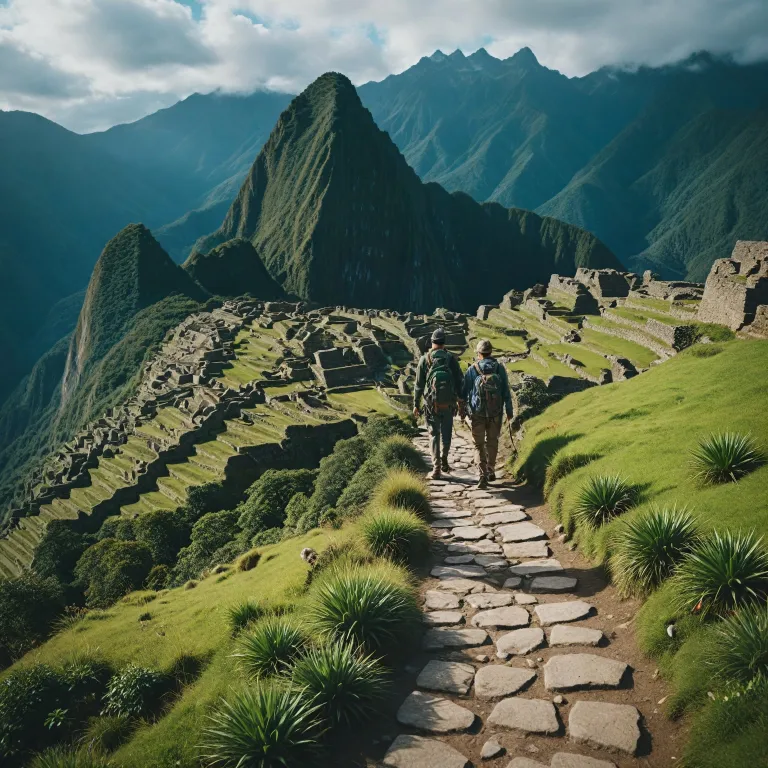
Understanding Machu Picchu hike length for luxury focused travelers
The classic Inca Trail length to Machu Picchu is about 42 kilometres, and this Machu Picchu hike length shapes how you plan every travel detail. When you stay in a premium hotel in Cusco or the Sacred Valley, you will feel the difference in how well you sleep and acclimatise before stepping onto the trail. For travellers who value comfort, understanding the exact trail hike distance, the hours of hiking per day, and the available services is essential before confirming any booking.
Most visitors split the Inca Trail into four days, with the longest day involving the ascent to Dead Woman's Pass at 4 215 metres. This section of the trail is often called the hardest part of the trek, and it is where the combination of high altitude and steep stone steps can slow even a fit adult or student hiker. Because of this, many luxury travellers choose a hotel with oxygen enriched rooms or wellness facilities in Cusco to prepare for the demanding time on the trail.
When comparing itineraries, pay attention to how many hours you will hike each day and how operators describe the Machu Picchu hike length in relation to rest stops. Some tours emphasise a shorter day hike on the first day in order to ease you into the high altitude, while others front load the effort and offer a gentler final approach to the Sun Gate. Your choice will influence how many nights you want in a high end property before and after the trek, especially if you plan to extend your stay in Aguas Calientes.
Matching Inca Trail itineraries with premium hotel stays
Luxury travellers often ask how the Machu Picchu hike length fits with a four or five night stay in Peru’s finest hotels. The classic Inca Trail itinerary usually runs four days and three nights, but you will want at least two extra days in Cusco or the Sacred Valley to acclimatise. This means your overall trip can easily extend to seven days or more, especially if you add a rest day in Aguas Calientes after visiting the inca ruins.
On the trail itself, you will normally camp, even when you book a high end tour with a private guide and upgraded sleeping bag and dining services. Some operators, including well known names such as Alpaca Expeditions, offer more comfortable tents, better mattresses, and refined meals that appeal to adult travellers used to premium standards. However, the core experience remains a genuine trek, with several hours of hiking each day and a focus on the natural and cultural heritage of the inca world.
When you return from the trail machu route, a luxury hotel can feel like a reward that balances the physical effort of the hike. Many travellers schedule spa treatments, fine dining, and late check outs to recover from the long days and the high altitude challenges of Dead Woman's Pass. If you are planning a special occasion trip, consider combining a classic inca itinerary with a themed suite or design focused room, taking inspiration from resources such as this guide to thematic suite inspirations for luxury and premium hotel booking websites in Peru.
Seasonality, timing, and how many hours you will actually hike
The Machu Picchu hike length does not change with the calendar, but your experience of the trail can vary greatly between mar, apr, and jun. During mar and apr, you may still encounter some rain, which can make the stone steps slippery and extend the time it takes to cover each kilometre. By jun, the dry season is usually underway, and many travellers find that the same trail hike feels faster and more comfortable under clear skies.
Luxury travellers should pay close attention to how many hours of hiking are planned each day, especially if they are not regular trekkers. A typical day inca schedule might involve six to eight hours of hiking, including breaks at archaeological sites such as Wiñay Wayna and viewpoints over the Urubamba valley. When you add time for photography, guided explanations, and rest, the total time on your feet can feel longer than the raw Machu Picchu hike length suggests.
Permits for the inca trail are limited, so your preferred month may not always be available, particularly if you want a specific tour operator or a private guide. This is another reason to coordinate early with your hotel in Cusco or the Sacred Valley, ensuring that your room category and dates align with the confirmed trek. If you plan to climb Huayna Picchu or extend your stay in Aguas Calientes, factor in the extra hours of hiking and sightseeing when choosing how many nights to book in a premium property.
Understanding pricing, from adult USD to student USD, and value for comfort
When evaluating the cost of the inca trail, you will often see separate adult USD and student USD prices listed by tour operators. These rates usually include permits, a licensed guide, porters, meals, camping equipment, and transfers to and from Cusco or the Sacred Valley. However, they do not normally include pre and post trek hotel nights, which are essential for a comfortable and well paced Machu Picchu hike length experience.
Premium travellers should look beyond the headline usd person rate and examine what level of service is provided on the trail. Some operators offer upgraded sleeping bag rentals, private dining tents, and smaller group sizes, which can justify a higher usd price for those who value comfort. For example, Alpaca Expeditions and similar companies may provide more attentive service, better food, and more flexible pacing, which can be especially helpful for a student or adult who is new to high altitude hiking.
When you combine the trek with luxury hotels, the overall usd budget will rise, but so will your comfort and safety. A well located property in Cusco can provide oxygen, nutritious breakfasts, and late check out options that align with your early morning trail departures. In Aguas Calientes, a premium hotel with river views and spa facilities can transform the final day hike to the Sun Gate and the inca ruins into part of a wider wellness focused journey rather than a purely physical challenge.
Key sections of the trail: Dead Woman's Pass, Wiñay Wayna, and the Sun Gate
Understanding the Machu Picchu hike length also means knowing which sections of the inca trail will demand the most effort. The ascent to Dead Woman's Pass is the highest point of the trek, and many hikers feel the impact of high altitude most strongly on this day. The combination of steep stone steps, thinner air, and several hours of continuous hiking makes this part of the trail machu route a decisive test of fitness and preparation.
After crossing the pass, the trail descends towards Pacaymayo and then continues through a series of inca ruins and cloud forest sections. One of the most memorable stops is Wiñay Wayna, where agricultural terraces and stone structures cling to the mountainside, offering a sense of how the inca integrated their architecture with the landscape. Many tours schedule a relatively short day hike on the third day so that you can explore this site with your guide and still rest before the final push to the Sun Gate.
On the last morning, you will usually start hiking before dawn to reach the Sun Gate in time for the first views of Machu Picchu. From there, the trail descends gently towards the main inca ruins, where your tour continues among temples, plazas, and terraces. If you have booked an additional climb to Huayna Picchu, expect more steep steps and extra hours of hiking, which makes a comfortable hotel in Aguas Calientes especially valuable for your post trek recovery.
Practical planning tips for luxury hotel bookings around the Inca Trail
To align your Machu Picchu hike length with a seamless luxury itinerary, start by planning at least two nights in Cusco before the trek. This allows time to acclimatise to the high altitude and to adjust to the local rhythm, which will help you on the long days of hiking. Many premium hotels offer oxygen in rooms, herbal teas, and light menus designed to support guests preparing for the inca trail.
When selecting a tour, ask detailed questions about the daily hours of hiking, the availability of a private guide, and the quality of the sleeping bag and camping equipment. Clarify whether the usd person rate includes transfers between your hotel and the trailhead, and whether there are different adult USD and student USD options. You should also confirm how the operator handles weather changes in mar, apr, or jun, and whether they adjust the pace of the trek for different fitness levels.
Finally, coordinate your return from Machu Picchu with your hotel bookings in Aguas Calientes and Cusco, especially if you plan to climb Huayna Picchu or spend extra time among the inca ruins. Some travellers prefer to stay one night in Aguas Calientes after the tour, then return to a favourite luxury property in Cusco for a final night of rest. By aligning every element, from the trail hike and day inca schedule to your chosen hotels, you create a coherent journey that respects both the physical demands of the trek and your desire for comfort and style.
Key statistics about Machu Picchu hike length and the Inca Trail
- The classic Inca Trail length to Machu Picchu is approximately 42 kilometres.
- The highest point of the trail, Dead Woman's Pass, reaches about 4 215 metres in elevation.
- Regulations typically limit the number of trekkers on the Inca Trail to around 200 people per day.
- The standard classic inca itinerary usually takes four days and three nights to complete.
Essential questions about Machu Picchu hike length and planning
How long does it take to hike the Inca Trail to Machu Picchu?
The classic Inca Trail trek typically takes 4 days and 3 nights to complete.
What is the difficulty level of the Inca Trail?
The Inca Trail is considered a moderate to challenging trek due to high altitudes and steep ascents.
Do I need a permit to hike the Inca Trail?
Yes, a permit is required and must be obtained through an authorized tour operator.