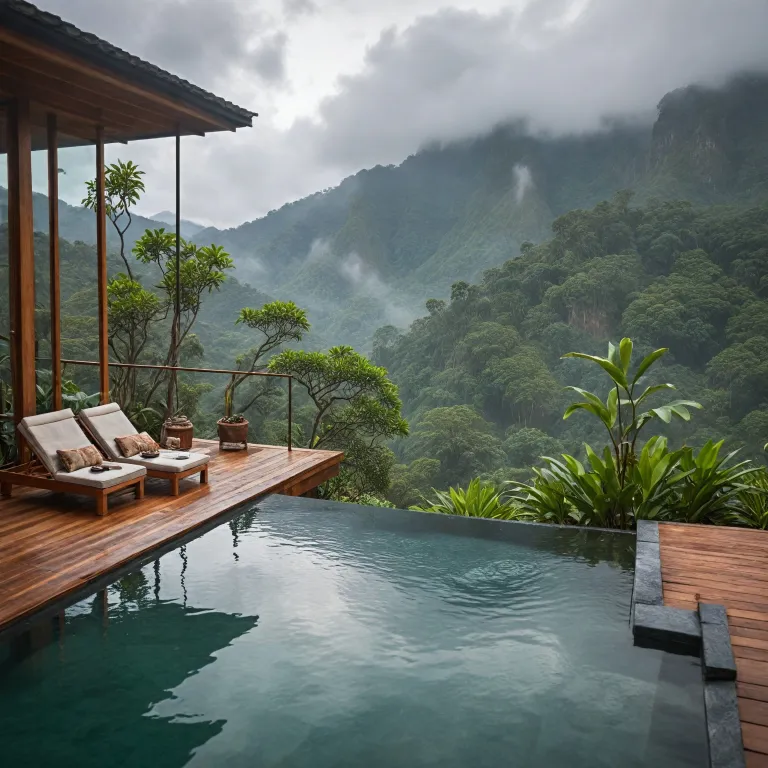
Understanding peru rainy season for luxury and premium stays
Peru is a land of striking contrasts, and the peru rainy season shapes every luxury stay. In the Andes, the rainy months transform valleys into lush green amphitheatres, while the coast around Lima remains mostly grey yet surprisingly dry. For travellers planning to visit Peru in style, understanding how each season affects weather conditions is essential for choosing the best hotel and the right time.
The rainy season in the highlands typically runs from November to March, bringing frequent rain and occasional storms to Cusco and the Sacred Valley. During this same time, the Amazon enters its wet season, with higher river levels and intense showers that can enhance wildlife viewing but complicate logistics. Coastal Lima, by contrast, sees very little rain year round, so temperatures stay mild but skies can be overcast for long months.
Luxury travellers often ask about the best time to visit Machu Picchu and how the peru rainy pattern affects access. The dry season from May to November usually offers clearer weather conditions, more stable temperatures, and fewer disruptions on the Inca Trail. However, the peru rainy months can mean fewer crowds, softer light over the ruins, and attractive rates at premium hotels that value guests who travel Peru in shoulder periods.
When planning a tour that includes Cusco, the Sacred Valley, and Machu Picchu, consider how each season Peru experiences will influence your comfort. The Peruvian Government and SENAMHI closely monitor rain patterns to protect infrastructure, which helps keep key routes open even in the wettest time. With informed planning, the rainy season becomes another dimension of Peru’s character rather than a barrier to an exceptional stay.
Weather, regions, and how peru rainy season shapes your itinerary
Peru rainy dynamics vary sharply between Lima, Cusco, and the Amazon, and this diversity should guide your itinerary. In Cusco and the Cusco Sacred Valley area, annual precipitation exceeds 1 300 mm, concentrated in the rainy season months. Lima, by contrast, receives under 200 mm of rain per year, so luxury hotels there rarely face serious weather disruptions.
In the Andes, the dry season from May to November usually brings clear skies, cooler nights, and pleasant daytime temperatures for city walks and archaeological tours. During this dry season, the Inca Trail is less muddy, and the best time to visit Machu Picchu often falls between April October, when showers are lighter. Many travellers still choose the rainy season because the landscape is vibrant, and premium hotels offer cosy interiors that make the most of dramatic weather.
In the Amazon, the wet season from December March raises river levels, allowing boats to reach deeper into flooded forests. This period can be an excellent time to visit Peru for wildlife, even if rain showers are frequent and temperatures feel more humid. Luxury lodges adapt to each season Peru faces, adjusting excursions and providing gear so guests remain comfortable despite changing weather conditions.
For travellers who value sustainability, it is worth noting that many high end properties now invest in eco friendly infrastructure to cope with heavy rain. You can learn more about these eco friendly innovations in luxury hotel booking in Peru through this detailed resource on sustainable luxury hotel practices in Peru. By aligning your time visit with both climate and personal preferences, you can enjoy Peru best experiences while respecting the environment and local communities.
Choosing the best time to visit Peru for luxury hotel bookings
For many guests, the central question is the best time to visit Peru for a seamless luxury experience. The classic answer points to the dry season, especially from May to November, when rain is less frequent in Cusco and the Sacred Valley. During this period, weather conditions are more predictable, temperatures are comfortable for daytime tours, and clear skies often frame Machu Picchu in crisp light.
However, the peru rainy season from November to March offers its own advantages for premium travellers who value tranquillity. Fewer visitors mean more availability in top tier hotels, and attentive staff can personalise every tour, spa treatment, and dining experience. In Cusco Sacred Valley properties, gardens flourish under regular rain, and misty mornings create an atmospheric backdrop for Inca heritage excursions.
When planning a time visit that includes the Inca Trail, remember that some sections may close temporarily for maintenance or safety during the wettest months. SENAMHI provides detailed forecasts so operators can adjust itineraries, and the Peruvian Government invests in infrastructure to reduce landslide risks. These efforts help ensure that travel Peru remains safe and appealing year round, even when the wet season is at its peak.
Luxury travellers should also consider how different months align with personal preferences for temperatures and ambience. Those who enjoy vibrant greenery and dramatic clouds may find that the rainy season is their peru best moment, especially around Machu Picchu and the Amazon. Others who prioritise stability and sunshine will likely prefer the dry season, when a tour can run with minimal weather related changes.
Peru rainy season and its impact on Machu Picchu and the Inca Trail
The relationship between peru rainy season and Machu Picchu is nuanced, especially for guests booking premium stays. During the wettest months from December March, rain showers are frequent, and clouds can shroud the citadel at dawn. Yet these same conditions often create ethereal views when mist lifts suddenly to reveal terraces, peaks, and Inca stonework.
On the Inca Trail, the wet season brings slippery paths, occasional closures, and the need for careful planning with reputable operators. Many luxury travellers choose the shoulder months around April October, when the transition between rainy season and dry season offers a balance of greenery and more stable weather conditions. High end hotels in Cusco and the Sacred Valley coordinate closely with tour providers to adjust departure times and routes according to daily forecasts.
For travellers focused on comfort, the best time to visit Machu Picchu may still be the core dry season, when clear skies are more common. However, those willing to embrace some rain can benefit from quieter trails, more flexible booking options, and attentive service in high category properties. A curated itinerary can weave together Machu Picchu, Cusco, and Lima so that each region’s season Peru experiences enhances rather than hinders your journey.
When evaluating a tour that includes Machu Picchu, ask how operators handle sudden changes in weather and road conditions. “The rainy season can lead to flooding and landslides, potentially disrupting travel plans, especially in the Andes and Amazon regions.” This transparent understanding allows you to align your time visit with realistic expectations and choose hotels that have robust contingency plans.
Luxury stays in Lima, Cusco, and the Amazon during wet and dry seasons
Luxury hotels in Lima, Cusco, and the Amazon respond differently to each season, and this shapes the guest experience. In Lima, where rain is scarce even in the so called wet season, premium properties focus on gastronomy, spa rituals, and ocean views rather than weather dependent activities. Temperatures remain mild year round, so the peru rainy label feels distant, making Lima a reliable base at almost any time.
In Cusco and the Cusco Sacred Valley, the contrast between rainy season and dry season is much sharper, and hotels adapt accordingly. During the rainy months, fireplaces, heated floors, and indoor wellness spaces become central to the experience, while staff coordinate flexible tour times around bursts of rain. In the dry season, clear skies and cooler nights invite stargazing, open air dining, and extended visits to Inca sites.
In the Amazon, luxury lodges design experiences around the wet season and dry season cycles that shape river levels and wildlife behaviour. From December March, higher waters allow boats to glide into flooded forests, while from April October, more exposed riverbanks attract different species. Throughout the year, operators rely on SENAMHI weather conditions data to plan safe excursions and adjust schedules when heavy rain threatens.
For travellers who want to visit Peru with minimal disruption, combining regions can balance the impact of any single season Peru faces. A tour might begin in Lima, continue to Cusco and Machu Picchu, then end in the Amazon, with each segment chosen for its relative best time. This multi region approach allows you to experience Peru best landscapes while staying in premium hotels that are prepared for both sun and rain.
Practical booking strategies for premium hotels in peru rainy season
Booking luxury hotels during peru rainy season requires a strategic approach that respects both climate and comfort. First, consider flexibility as a core feature of your itinerary, allowing extra time in Cusco or the Sacred Valley in case heavy rain affects flights or road access. Choosing fully refundable rates or flexible date policies can protect your investment while still securing the best rooms in high demand properties.
Second, pay close attention to how each hotel manages weather conditions across different months of the year. Ask whether they coordinate with SENAMHI for up to date forecasts, and how they adapt services during the wet season and dry season. Many leading properties now integrate emergency response plans and infrastructure improvements supported by the Peruvian Government to mitigate the impact of intense rain.
Third, align your time visit with the experiences that matter most to you, whether that is the Inca Trail, the Amazon, or urban culture in Lima. If Machu Picchu is central, you may prefer the April October window, when clear skies are more frequent but some showers still keep landscapes green. For travellers who enjoy dramatic clouds and fewer crowds, the heart of the rainy season can be the peru best moment, especially when combined with indulgent spa days and fine dining.
Finally, use specialised resources that focus on premium stays near key sites to refine your tour. For example, this guide to high end hotels near Machu Picchu helps match specific properties to your preferred season Peru offers. By combining expert advice, local weather knowledge, and flexible planning, you can travel Peru year round with confidence, even when the forecast promises plenty of rain.
Key statistics about peru rainy season and luxury travel
- Cusco’s annual precipitation reaches approximately 1 341 mm, with most rain falling between November and March during the core rainy season.
- Lima records around 197 mm of rain per year, meaning that even in the wet season, premium hotels in the capital rarely face heavy downpours.
- In a recent El Niño event, flood damages in Peru were estimated at about 3.1 billion USD, underscoring the importance of robust infrastructure for safe travel.
Essential questions about peru rainy season for luxury hotel guests
When is the rainy season in the Andes?
The rainy season in the Andes typically runs from November to March, with the heaviest rain often falling in January and February. During this time, travellers to Cusco, the Sacred Valley, and Machu Picchu should expect frequent showers and occasional storms. Many luxury hotels adjust excursion times and provide rain gear so guests remain comfortable despite changing weather conditions.
How does the rainy season affect travel in Peru?
The rainy season can lead to flooding and landslides, potentially disrupting travel plans, especially in the Andes and Amazon regions. Road closures, delayed flights, and temporary trail restrictions are more common, particularly on routes leading to remote valleys and jungle lodges. Working with experienced tour operators and choosing hotels that maintain strong contingency plans can significantly reduce the impact on your itinerary.
What measures has Peru taken to mitigate flood damage?
The Peruvian Government has allocated funds and implemented infrastructure projects to prevent flooding and improve disaster preparedness. In partnership with SENAMHI and local municipalities, authorities use advanced meteorological tools to monitor weather conditions and issue timely alerts. These efforts enhance safety for residents and visitors alike, supporting reliable access to major destinations such as Lima, Cusco, and the Sacred Valley throughout the year.