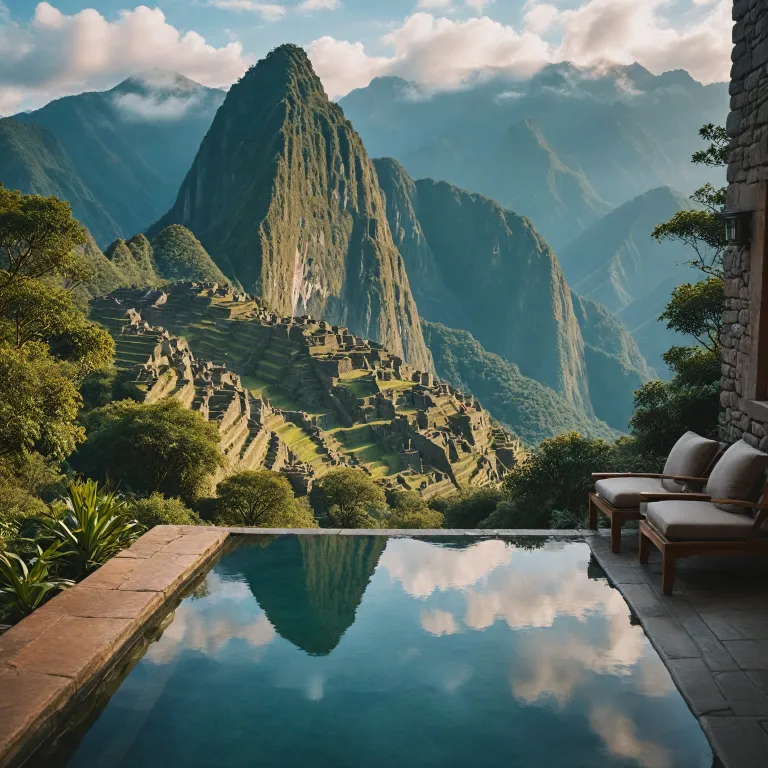
Luxury stays as a gateway to cerro Machu Picchu
For many travelers, a refined hotel stay frames the entire trip to the legendary cerro Machu Picchu. Choosing a luxury property in Cusco, the Sacred Valley, or Aguas Calientes shapes how you experience the Inca citadel and the surrounding mountain landscape. When you align your accommodation with your preferred hike, climb, or day visit, every moment of your travel feels coherent and effortless.
High end hotels in Peru understand that guests come for Machu Picchu, Huayna Picchu, and the dramatic Andes mountain scenery. Many concierges coordinate permits for the inca trail, the cerro machu picchu route, and the Huayna Picchu or Putucusi Mountain ascents. This support is invaluable because entry times for the Machu Picchu citadel, the picchu mountain trails, and the sun gate access are tightly controlled and often sell out quickly.
Staying in Cusco allows you to acclimate gradually to altitude before any demanding trek or day hike. Properties in the city often provide oxygen, herbal teas, and light menus that help you prepare for a full day Machu Picchu excursion. From there, you can plan a round trip through the Sacred Valley, ending in Aguas Calientes for an early morning visit Machu to the citadel and the surrounding peaks.
Guests focused on comfort usually prefer a premium hotel in Aguas Calientes for a short walk to the shuttle buses. This location is ideal if you have a picchu day ticket with early entry times for the main citadel or the trail Machu routes. With the right base, your visit to Machu Picchu, Huayna Picchu, and picchu machu viewpoints becomes a seamless, luxurious experience.
Understanding cerro Machu Picchu, Huayna Picchu, and picchu mountain permits
Before booking any luxury stay, it is essential to understand how cerro Machu Picchu, Huayna Picchu, and picchu mountain permits work. Machu Picchu Mountain stands at 3,082 meters above sea level. This elevation makes the hike more demanding than a casual walk through the Inca citadel, so your hotel choice should support proper acclimatization and recovery.
No, Machu Picchu Mountain is the peak that gives its name to the archaeological site located on its slopes. This distinction matters when you plan a day hike or longer trek, because tickets for the citadel, Huayna Picchu, and picchu mountain are all separate. Yes, visitors can hike the mountain, but it requires a separate permit and is more challenging than the Huayna Picchu hike.
Premium hotels in Cusco and the Sacred Valley often maintain direct communication with local agencies to secure these limited permits. Many properties will organize a round trip transfer to Aguas Calientes, coordinate entry times, and suggest the best time of day for each climb. Their expertise is particularly useful if you want to combine the inca trail with a day Machu visit and an additional ascent of cerro machu or Huayna Picchu.
Some luxury hotels also curate themed suites inspired by Andean culture and the inca trail experience. If you are researching design focused properties, resources on thematic suite inspirations for luxury and premium hotel booking websites in Peru can help you evaluate how well a hotel reflects the spirit of Machu Picchu. When a property integrates local textiles, mountain motifs, and subtle references to the sun gate or Sacred Valley, your stay feels more connected to the landscape. This attention to detail enhances both the emotional impact of your visit Machu and the practical comfort of your overall trip.
Choosing where to stay for a refined visit to Machu Picchu
When planning a high end trip to cerro Machu Picchu, your first decision is whether to stay in Cusco, the Sacred Valley, or Aguas Calientes. Cusco offers rich history, elegant hotels, and time to acclimate before any demanding hike or trek. The Sacred Valley provides quieter mountain surroundings, easier access to the inca trail, and refined properties that balance nature with comfort.
Aguas Calientes, at the base of the mountain, is the most practical option for an early day Machu entry. From here, you can reach the citadel quickly, then continue to Huayna Picchu, picchu huayna viewpoints, or the cerro machu picchu route depending on your permits. Many premium hotels in town offer spa facilities, gourmet dining, and late checkouts that suit travelers returning from a strenuous climb or day hike.
To evaluate properties, look for hotels that clearly explain their support for Machu Picchu logistics. The best options will outline how they handle round trip transfers, entry times, and guided visits to the citadel, the sun gate, and nearby peaks such as Putucusi Mountain. Some also collaborate with expert guides who know the inca trail segments, the trail Machu approaches, and the safest route options for different fitness levels.
If you are comparing design concepts and amenities, you may find it helpful to review a broader overview of thematic suite inspirations for luxury and premium hotels in Peru. This perspective can clarify how well a property aligns with the cultural depth of Machu Picchu and the wider South America travel context. A thoughtfully curated hotel enhances not only your night’s rest, but also your emotional connection to the mountain and the inca heritage.
Designing a luxury focused itinerary around cerro Machu Picchu
A refined itinerary for cerro Machu Picchu usually begins with two or three nights in Cusco. This allows you to adjust to altitude, explore inca sites, and enjoy high quality dining before your main day Machu experience. From there, many travelers continue to the Sacred Valley for a quieter night surrounded by mountain scenery and traditional villages.
On the following day, you can take a scenic train to Aguas Calientes, where your hotel will often handle luggage and logistics. After check in, consider a gentle walk along the river or a short climb toward Putucusi Mountain to stretch your legs without overexertion. This calm afternoon prepares you for an early start the next morning, when you will board the first buses for your visit Machu to the citadel and the surrounding peaks.
With a well planned schedule, you can enter the site at one of the earliest entry times, enjoy quieter views of the inca citadel, and then continue to your chosen hike. Some guests opt for the picchu mountain ascent, while others prefer Huayna Picchu or a more moderate route toward the sun gate. Your hotel or guide should advise on the best time to begin each climb, considering weather, crowds, and your overall fitness.
After your day hike, returning to a luxury property with spa facilities, fine dining, and attentive service transforms fatigue into satisfaction. Many travelers then complete a round trip back through the Sacred Valley, or extend their travel deeper into South America. Thoughtful pacing ensures that every trail Machu segment, from the inca trail approaches to the final views over picchu machu, feels both rewarding and manageable.
Balancing conservation, comfort, and access in Peru’s luxury segment
Luxury and premium hotels around cerro Machu Picchu operate in a delicate environment that demands responsible practices. Increased tourism has led to stricter controls on entry times, daily visitor numbers, and access to sensitive areas of the inca citadel. High end properties that prioritize sustainability help protect the mountain ecosystem while still offering elevated comfort.
Many hotels now support conservation initiatives that maintain the inca trail, stabilize terracing, and manage erosion on popular route segments. Some also educate guests about the historical role of the Inca Civilization, which built Machu Picchu on the slopes of the mountain using advanced stone techniques. By highlighting how the inca engineered structures to withstand seismic activity, these hotels deepen appreciation for the site beyond its scenic value.
Responsible properties also encourage guests to acclimate properly in Cusco or the Sacred Valley before attempting demanding hikes. They provide guidance on hydration, pacing, and appropriate gear for a day hike on picchu mountain, Huayna Picchu, or Putucusi Mountain. Simple measures such as recommending sturdy footwear, sun protection, and flexible round trip plans can significantly improve safety and comfort.
For travelers, choosing hotels that align with these principles enhances both the ethical and experiential quality of the trip. When a property supports careful management of the citadel, the sun gate approaches, and the trail Machu network, your visit Machu contributes positively to long term preservation. This balance of conservation, comfort, and access is increasingly central to premium travel across Peru and South America.
Practical tips for a seamless high end Machu Picchu experience
To make the most of a luxury focused trip to cerro Machu Picchu, start planning several months in advance. Coordinate with your chosen hotel to secure permits for the inca trail, picchu mountain, or Huayna Picchu, as well as your preferred entry times to the citadel. Early organization allows you to select the best time of day for each hike, climb, or guided visit.
Altitude is a key consideration, especially if you intend to tackle a demanding route such as the picchu huayna ascent or the longer trail Machu options. Spend at least a couple of nights in Cusco or the Sacred Valley before your main day Machu visit, and follow hotel advice on acclimatization. Many properties offer oxygen, herbal infusions, and light menus that support gradual adjustment to the mountain environment.
On the practical side, pack layers suitable for rapidly changing weather in Peru’s highlands. Even on a single picchu day, conditions can shift from bright sun at the sun gate to cool mist along shaded sections of the inca trail. Quality footwear, a compact rain jacket, and a small daypack make every trek, from Putucusi Mountain to the main Machu Picchu viewpoints, more comfortable.
Finally, allow time in your itinerary for unhurried enjoyment of your hotel’s amenities. A spa session after a strenuous round trip to Aguas Calientes, a quiet evening overlooking the Sacred Valley, or a refined dinner celebrating your visit Machu can be as memorable as the citadel itself. In this way, your travel through Peru and South America becomes a harmonious blend of cultural depth, natural beauty, and thoughtful luxury.
Key statistics for planning a cerro Machu Picchu journey
- Machu Picchu Mountain elevation is approximately 3,082 meters above sea level, significantly higher than the main citadel terraces.
- The wider Machu Picchu archaeological complex receives around 1,500,000 visitors annually, which explains the strict control of entry times and route capacities.
- Alternative routes and managed trail systems continue to develop to distribute visitor flow more evenly across the mountain environment.
Essential questions about cerro Machu Picchu and luxury stays
Is Machu Picchu Mountain the same as the archaeological site itself ?
Machu Picchu Mountain is the peak that lends its name to the inca citadel built on its slopes, while the archaeological site refers to the terraces, temples, and structures you visit Machu during a standard ticket. When planning a trip, remember that access to the mountain requires a separate permit from the general citadel entry. Luxury hotels and premium agencies in Peru can help you coordinate both components so your day hike and cultural exploration align smoothly.
Can visitors hike Machu Picchu Mountain during a single day visit ?
Yes, visitors can hike Machu Picchu Mountain during a single picchu day, but it demands good fitness, acclimatization, and careful timing. Because the climb is longer and more strenuous than Huayna Picchu, many travelers choose early entry times and stay in Aguas Calientes the night before. High end hotels often arrange guided support, round trip transfers, and flexible meal schedules so your day Machu ascent fits comfortably within a refined travel experience.
Why is altitude acclimatization important before hiking around cerro Machu Picchu ?
Altitude acclimatization reduces the risk of discomfort or illness when you hike or trek at elevations above 3,000 meters. Spending time in Cusco or the Sacred Valley before tackling the inca trail, picchu mountain, or Putucusi Mountain allows your body to adjust gradually. Premium hotels in these regions are accustomed to hosting guests en route to Machu Picchu and can provide tailored advice, gentle activities, and wellness options that support a safe and enjoyable climb.