Understanding Machu Picchu steps and planning a refined stay
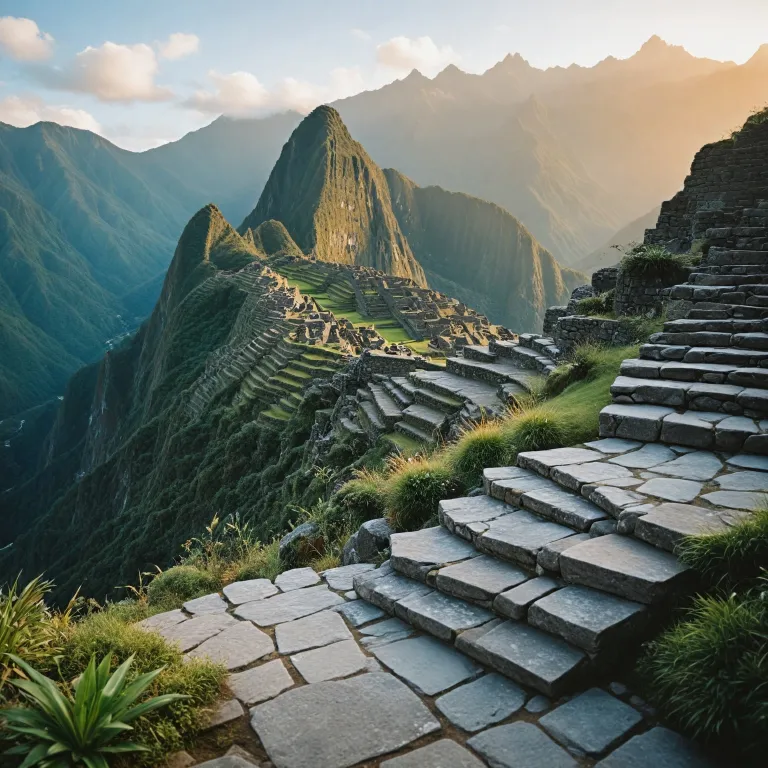
The Machu Picchu steps are more than stone; they are a physical link to the Inca civilization that shaped this royal estate in the Andes. When you plan a luxury stay around Machu Picchu, every stair, trail, and ticket choice should harmonize with the comfort of your premium hotel in Peru. Thoughtful timing for your Machu Picchu steps, from the first climb to the last descent, lets you balance exertion with restorative spa suites and attentive service.
The Inca builders carved stone steps into the mountain to connect agricultural terraces, temples, and residential sectors, creating a complex network that modern visitors still hike. On the main citadel routes, each inca trail segment includes uneven stone steps that can feel steep, especially when you combine altitude, crowds, and limited entry time. Luxury travelers who value privacy often choose early entry tickets, allowing them to experience key Machu Picchu steps before the day heats and the site becomes busy.
Many guests underestimate how physical the Machu Picchu steps can be, even if they are accustomed to urban stairs or gym workouts. The altitude of around 2,430 meters makes every climb feel more intense, particularly on sections where the trail narrows and the stone steps rise sharply. By pairing a high-end hotel in Cusco or the Sacred Valley with a carefully paced Machu Picchu hike, you can enjoy the best of both worlds, combining cultural immersion with restorative luxury.
Within the wider site, the relationship between Machu Picchu, Huayna Picchu, and Picchu Mountain defines how visitors move through the landscape. The inca trail style engineering that shaped each mountain trail still guides the flow of people, from the first ticket check to the final exit. Understanding how these interconnected trails, stairs, and steps work in practice helps you select the right ticket Machu options and the right hotel base for your preferred level of comfort.
Choosing between Huayna Picchu, Picchu Mountain and the main citadel
For many travelers, the most important decision after securing a Machu Picchu ticket is whether to add Huayna Picchu or Picchu Mountain to the itinerary. Each mountain offers a distinct climb, with different stone steps, gradients, and views that appeal to different physical abilities and comfort levels. Luxury and premium hotel guests often seek the best balance between challenge and safety, especially when planning a once in a lifetime Machu Picchu experience.
The Huayna Picchu trail is famous for its steep stone steps and narrow mountain trail sections that cling to the cliffside. Some visitors refer to the most vertiginous segment as the stairs of death, although the route is carefully managed and accidents are rare when people respect the rules. If you choose the Huayna Picchu climb, you must secure a specific ticket Machu category that includes this mountain huayna access, as entry numbers are strictly limited.
Picchu Mountain, often called Machu Picchu Mountain, offers a longer but less exposed hike with around 1,600 stone steps on its mountain trail. This Picchu Mountain route suits travelers who prefer a sustained physical challenge over sharp drops, and it rewards them with sweeping views of the inca trail network and the surrounding peaks. When comparing Huayna Picchu versus Picchu Mountain, consider not only the steps and stairs but also how much energy you want to reserve for enjoying your luxury hotel facilities later in the day.
Because premium travelers often have tight schedules, the best time allocation is crucial when combining a Machu Picchu hike with a high end stay. Many choose to spend the night before in Aguas Calientes or in a luxury property in the Sacred Valley, then take an early train and use a morning entry ticket. For deeper planning on where to stay before or after your Machu Picchu steps, consult this guide to the best luxury accommodation Peru offers, which helps align your trek Machu plans with refined lodging.
Seasonality, weather and the best time for Machu Picchu steps
Seasonality shapes every aspect of the Machu Picchu steps, from trail safety to the atmosphere you feel on the mountain. The dry season is generally considered the best time to visit, because clearer skies and firmer stone steps make each climb more predictable. For luxury travelers who value reliability, planning your Machu Picchu hike during the dry season also helps protect your investment in premium hotels and curated excursions.
During the dry season, the inca trail style paths around Machu Picchu, Huayna Picchu, and Picchu Mountain tend to be less slippery, which is especially important on steep stairs. The famous stairs of death on Huayna Picchu feel more manageable when the stone steps are dry, although they still demand careful footing and respect for the mountain. Even in the best time of year, you should expect rapid weather changes and carry layers, as a clear morning can shift to mist or light rain by midday.
The period from November to March corresponds to the wetter season, often referred to as the season November to March by local operators. During this time, the mountain trail surfaces can become slick, and some travelers find the physical effort of the Machu Picchu steps more demanding. However, luxury guests who accept some rain may appreciate fewer crowds on the inca trail segments and more availability in high end hotels, especially for spa treatments after a challenging picchu hike.
When you plan your ticket Machu purchases, consider not only the date but also the time of day for your entry. Early morning entries can offer softer light on the stone steps and cooler temperatures for the climb, while late morning or early afternoon entries may suit those who prefer a relaxed breakfast at their hotel. For inspiration on pairing seasonal conditions with elevated stays that include pools and wellness areas, explore this overview of Peru luxury hotels with pools, which can transform your trek Machu recovery.
Physical preparation, safety and the reality of the so called stairs of death
The Machu Picchu steps demand honest assessment of your physical condition, especially if you plan to add Huayna Picchu or Picchu Mountain to your itinerary. Altitude, uneven stone steps, and the cumulative effect of each climb can surprise even fit travelers who underestimate the inca trail environment. Luxury and premium hotel guests often arrive after long international flights, so building in acclimatization days in Cusco or the Sacred Valley is a wise investment.
On Huayna Picchu, the steepest section has earned the dramatic nickname stairs of death, largely because of the exposure and the sense of height. In reality, the mountain trail is managed with clear rules, timed entry, and limited numbers, and incidents are rare when visitors move carefully and respect their own limits. The same applies to the Picchu Mountain route, where the long series of stone steps can feel relentless, but the path is wide enough in most sections for a steady, controlled hike.
To prepare, focus on stair training and moderate cardio several weeks before your trip, simulating the continuous steps you will face on the Machu Picchu hike. Remember that the combination of altitude and humidity can make the climb feel more intense than similar stairs at home, so pacing and hydration are essential. Many luxury hotels in Peru now offer wellness programs, oxygen enriched lounges, and light pre trek meals designed to support guests tackling the inca trail style routes and the most demanding picchu stairs.
When booking your picchu ticket or combined ticket Machu options, consider guided experiences that include expert supervision on the mountain huayna and Picchu Mountain trails. Professional guides can help you manage time, navigate crowded steps, and choose safer photo spots away from the busiest stairs. After such a demanding day, returning to a refined hotel with attentive staff, hot showers, and high quality Peruvian cuisine turns the physical challenge into a complete, rewarding experience.
Integrating Machu Picchu steps into a luxury Peru itinerary
For travelers booking premium hotels in Peru, the Machu Picchu steps should anchor a broader itinerary rather than stand alone. A well designed route might start with two nights in Cusco, continue with a stay in a Sacred Valley resort, and culminate with a night near Machu Picchu before your main entry day. This structure allows you to acclimate, explore inca trail heritage sites, and arrive at the Machu Picchu hike rested and ready.
Many luxury properties in the Sacred Valley offer private transfers to train stations, curated picchu hike briefings, and even yoga sessions focused on breathing at altitude. These services help you prepare mentally and physically for the stone steps you will encounter on Machu Picchu, Huayna Picchu, and Picchu Mountain. When you return from the mountain trail, spa treatments, heated pools, and refined dining transform the memory of steep stairs into part of a holistic travel experience.
Ticket logistics are central to this style of travel, because each picchu ticket type defines which trails and steps you can access. For example, a ticket Machu with Huayna Picchu entry includes a specific time window for the climb, while a Picchu Mountain ticket offers a different schedule and route. Coordinating these entries with train times and hotel check in or check out requires careful planning, which many high end agencies and concierges now handle as part of their service.
To deepen your understanding of how Machu Picchu, Huayna Picchu, and Picchu Mountain fit into Peru’s wider luxury landscape, review this detailed article on exclusive resorts in Peru and cultural experiences. It shows how the inca trail legacy, the dramatic mountain scenery, and the comfort of modern hotels can coexist in a single, coherent journey. By aligning your Machu Picchu steps with these refined stays, you transform a demanding trek Machu into the centerpiece of an elegant, well paced itinerary.
Practical tips for tickets, timing and accessibility around Machu Picchu steps
Securing the right tickets is the foundation of a smooth Machu Picchu steps experience, especially for travelers staying in luxury and premium hotels. Visitor quotas mean that each picchu ticket category, whether for the main citadel, Huayna Picchu, or Picchu Mountain, can sell out quickly in peak dry season. Booking your ticket Machu options well in advance allows you to coordinate train schedules, private transfers, and hotel reservations without last minute compromises.
Entry times are strictly controlled, so you should align your chosen slot with your preferred rhythm for the day. Early morning entries suit travelers who want cooler temperatures on the stone steps and softer light on the inca trail terraces, while late morning entries may appeal to those who value a leisurely breakfast. Remember that once inside, the combination of climbs, stairs, and photo stops means you should allow several hours to fully experience the main Machu Picchu routes.
Accessibility remains a challenge because the site’s historic design relies heavily on uneven stone steps and narrow paths. Some areas near the entrance and key viewpoints are more manageable, but the full Machu Picchu hike, Huayna Picchu climb, and Picchu Mountain trail require good mobility and balance. Luxury travelers with limited mobility may prefer to focus on panoramic viewpoints, guided storytelling, and high quality accommodation that brings the spirit of the inca trail into a more comfortable setting.
To summarize the official guidance on steps and access, it is helpful to note that “The number of steps within Machu Picchu varies depending on the specific trail or area. For instance, the Machu Picchu Mountain trail has approximately 1,600 steps.” This figure illustrates why even confident hikers should respect the physical demands of the mountain trail and plan rest periods. By combining realistic expectations, timely ticket purchases, and the restorative power of a well chosen luxury hotel, you can enjoy the best of Machu Picchu’s heritage without feeling overwhelmed.
Key statistics for Machu Picchu steps and visitor planning
- Altitude of Machu Picchu : approximately 2,430 meters above sea level, which increases the physical impact of every climb and set of stone steps.
- Annual visitors : around 1,500,000 people, a volume that makes advance ticket Machu planning essential for both standard and premium travelers.
- Number of steps on the Machu Picchu Mountain trail : about 1,600 stone steps, illustrating the sustained physical effort required for this particular mountain trail.
Frequently asked questions about Machu Picchu steps
How many steps are there in Machu Picchu ?
The total number of Machu Picchu steps varies because each area and trail has its own configuration of stone stairs. The Machu Picchu Mountain trail alone includes about 1,600 steps, while the main citadel and Huayna Picchu add many more across terraces and pathways. Travelers should prepare for continuous climbing and descending throughout their visit, regardless of which ticket Machu option they choose.
Is Machu Picchu accessible to individuals with mobility issues ?
Machu Picchu presents significant challenges for visitors with mobility limitations, because most routes rely on uneven stone steps and narrow paths. Some viewpoints near the entrance are more accessible, and with assistance it may be possible to enjoy partial views of the citadel. However, the full Machu Picchu hike, Huayna Picchu climb, and Picchu Mountain trail are generally suitable only for those with good balance and physical capacity.
What is the best time of year to visit Machu Picchu ?
The dry season is widely regarded as the best time to visit, because the stone steps and inca trail style paths are less slippery and the weather is more stable. During this period, you can usually enjoy clearer views from Machu Picchu, Huayna Picchu, and Picchu Mountain, although visitor numbers are higher. Travelers who choose the wetter season from November to March should be prepared for rain, slick stairs, and more flexible daily plans.