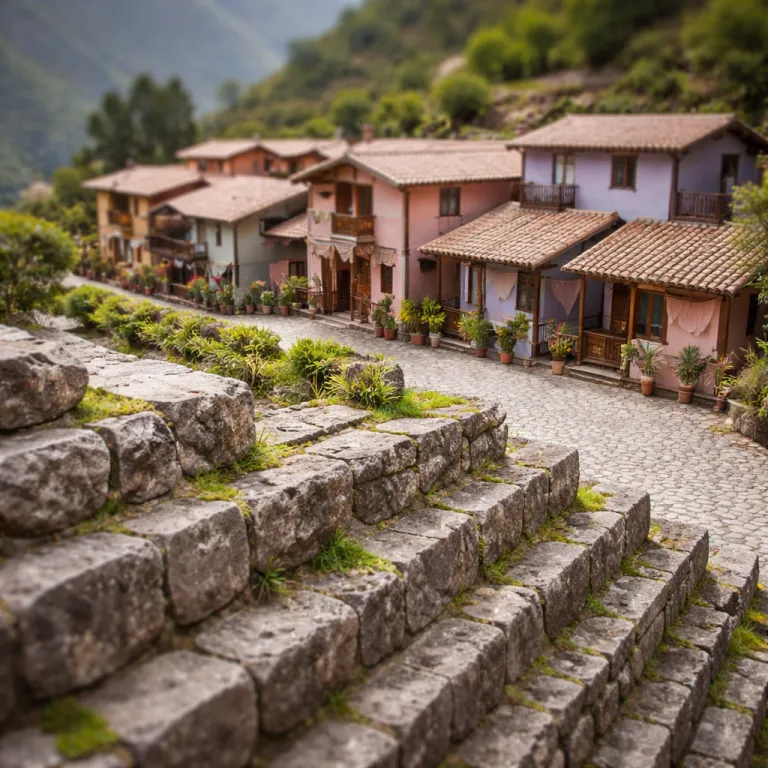
Why altitude should design your Sacred Valley itinerary
Altitude is the quiet force that shapes every stay in Peru. When you compare Cusco at roughly 3,399 meters (around 11,150 feet) with the Sacred Valley floor around 2,800 to 2,900 meters (9,186 to 9,514 feet), you understand why the order of your journey matters for travelers of every age. A smart plan that eases you from Cusco’s airport down into the valley protects your first full day from headaches, nausea and the more serious symptoms high elevation can trigger.
Most travelers still fly straight into Cusco, check into a city hotel and try to explore the historic center the same day. At this Andean height, oxygen levels drop sharply compared with sea level, and altitude sickness can turn a long planned visit to Machu Picchu into a blur of coca tea and early nights. Pediatric guidance is clear for families; children under 12 need slower pacing, careful monitoring of any symptoms altitude brings and a lower initial level to sleep.
The better sequence is simple yet rarely sold clearly by travel planners. Land in Cusco, meet your driver and descend immediately into the Sacred Valley, following the Río Urubamba as it winds through the farmland the Incas once terraced. You sleep that first night around 2,800 to 2,900 meters in Urubamba or Ollantaytambo, where the gentler elevation gives your body time to adapt before you tackle Cusco’s thinner air or the Inca Trail towards Machu Picchu.
Choosing the right Sacred Valley base: Urubamba, Ollantaytambo and beyond
The Sacred Valley, or Valle Sagrado, stretches from Pisac through Urubamba to Ollantaytambo, and each pocket offers a different rhythm. Ollantaytambo sits at about 2,792 meters, with Inca stonework, a compact village layout and the main train station for Aguas Calientes below Machu Picchu. Urubamba is slightly higher at around 2,870 to 2,875 meters, with wide agricultural terraces, discreet luxury lodges and easy access to the Maras salt mines that cascade down the hillside like an amphitheatre of white.
For families, Urubamba often works best as a first Sacred Valley base because properties there usually have larger gardens, a swimming pool and more space for children to adjust to altitude. Sol y Luna, for example, spreads casitas across landscaped grounds where you can walk slowly at this elevation, while staff quietly monitor any early symptoms altitude might show in younger travelers. Inkaterra Hacienda Urubamba offers on-site support for guests who feel unwell, slow paced activities and room service that lets you dine privately if a child feels the first hints of altitude sickness.
Ollantaytambo suits travelers who want to be closer to the train for a dawn departure to Aguas Calientes and an early visit to the citadel. Here, you trade a slightly lower altitude than Urubamba for shorter rail journeys and the romance of sleeping in a living Inca town, where the valley Incas’ canals still run beside cobbled lanes. If you plan a full day at Machu Picchu, staying near the station keeps logistics simple while your Sacred Valley hotel manages hydration, light meals and, where available, oxygen support on request.
How to sequence Cusco, Sacred Valley and Machu Picchu without losing a day
Think of your Peru journey as a gentle staircase rather than a dramatic leap. From Lima at sea level, you fly to Cusco, then immediately descend by road into the Sacred Valley, where you spend two or three nights at around 2,800 to 2,900 meters before returning to Cusco at roughly 3,399 meters. This altitude-aware itinerary gives your body time to adapt, so your first full day in the city is spent admiring Inca walls rather than managing soroche, the local term for altitude sickness.
On day one, arrive in Cusco, transfer straight to Urubamba or Ollantaytambo and check into a property that understands high-altitude travel. Many luxury hotels here keep oxygen on hand, encourage slow walks through the valley gardens and offer room service menus designed for sensitive stomachs at higher meters above sea level. Your second day can be a full day exploration of nearby sites such as the Maras salt terraces and the agricultural circles of Moray, both lower than Cusco’s sacred heights yet rich in Inca engineering.
Only after this should you board the train from Ollantaytambo to Aguas Calientes for Machu Picchu or start the classic trail route if you have secured an Inca Trail permit. A carefully chosen combination of Cusco city hotel and Sacred Valley lodge means you arrive at Machu Picchu with energy, not exhaustion, ready for the varied gradients and steps that sit well above 2,000 meters above sea level. For detailed planning on how long each hike section takes and how to match it with a luxury stay, consult a specialist guide to the Machu Picchu hike length and high-end lodging options on MyPeruStay.
Where to stay in the Sacred Valley: altitude smart luxury for families
Not all Sacred Valley properties are created equal when it comes to altitude-aware hospitality. Sol y Luna in Urubamba combines serious gastronomy with family friendly casitas, a heated swimming pool and staff trained to recognise early symptoms altitude can bring, from mild headaches to shortness of breath. The hotel’s gardens sit at a comfortable level for gentle walks, and the team can arrange low exertion activities on the valley floor for the first day.
Aranwa Sacred Valley Hotel & Wellness occupies a restored hacienda beside the Río Urubamba, with a spa that focuses on hydration and oxygenation treatments tailored to altitude. Families appreciate the generous rooms, on-site chapel and calm lawns, while room service allows parents to keep children warm and rested if any altitude sickness appears. Inkaterra Hacienda Urubamba, set on a hillside above the Valle Sagrado, offers panoramic views of the valley Incas’ landscape, yet still sits at a moderate altitude that works well as a first stop after Cusco airport.
Explora Valle Sagrado takes a more expeditionary approach, with guided explorations graded by altitude and exertion level, ideal for travelers who want to understand how meters and feet above sea level translate into how they feel on the trail. Expert guides explain why acclimatisation usually stabilises within 24 to 48 hours after descending from Cusco’s elevation to the Sacred Valley floor. For a broader sense of how these properties compare with other luxury hotels across Peru, MyPeruStay’s curated overview of the country’s most interesting high-end stays is a useful reference.
Handling a first night in Cusco when plans cannot change
Sometimes flights, points bookings or group tours lock you into a first night in Cusco. In that case, the choice of hotel becomes your main defence against altitude sickness and the more worrying symptoms altitude can bring. You want a property that takes high elevation as seriously as its wine list, with oxygen available, staff trained in basic protocols and flexible room service for guests who need to rest.
Belmond Palacio Nazarenas, set just above the Plaza de Armas, is one of the most altitude-aware luxury addresses in the city. Many suites are described as oxygen-enriched in the hotel’s own materials, which effectively lowers the perceived altitude level for sleeping, and the butler team can arrange gentle first day activities rather than strenuous climbs up to Sacsayhuamán. Inkaterra La Casona, on Plaza Las Nazarenas, offers a more intimate feel, with fireplaces, deep soaking tubs and staff who quietly check how you are handling Cusco’s elevation during turndown.
If you must start in Cusco’s sacred heights, keep your first day deliberately light. Walk slowly through the historic center, drink more water than you think you need and avoid alcohol until you understand how your body responds at roughly 3,399 meters above sea level. The next morning, descend to the Sacred Valley, where the lower altitude, softer air and wide valley landscapes give you space to recover before you continue towards Machu Picchu or the Inca Trail.
FAQ
What is the altitude difference between Cusco and the Sacred Valley ?
Cusco sits at approximately 3,399 meters above sea level, while most Sacred Valley towns such as Urubamba and Ollantaytambo lie around 2,800 to 2,900 meters. That 500 to 600 meters difference is enough to reduce the risk of altitude sickness for many travelers. It is why starting in the Sacred Valley before sleeping in Cusco often leads to a more comfortable first few days.
Why start my trip in the Sacred Valley instead of staying in Cusco first ?
Starting in the Sacred Valley means your first nights are spent at a lower altitude, which gives your body time to adapt before you face the full Cusco elevation. This approach is especially important for families with children, who are more sensitive to rapid changes in meters above sea level. It also lets you explore sites such as the Maras salt terraces and local markets without the strain of Cusco’s thinner air.
How can I reduce the risk of altitude sickness for my family ?
Plan your itinerary so you descend from Cusco airport straight into the Sacred Valley and stay there for at least two nights before returning to the city. Choose hotels that offer oxygen, flexible room service and staff trained to recognise early symptoms altitude can cause, such as headaches, nausea or unusual fatigue. Stay hydrated, avoid heavy meals and keep your first full day activities gentle and low exertion.
Is it safe for children to visit Machu Picchu and the Sacred Valley ?
Many families visit Machu Picchu and the Sacred Valley safely every season, provided they respect altitude and pace. Sleeping first at around 2,800 to 2,900 meters in Urubamba or Ollantaytambo, then visiting Machu Picchu, and only later staying in Cusco, usually works well for children. Always monitor how they feel, keep walking distances reasonable and consult your pediatrician before travel if you have any concerns.
What is the best way to reach Machu Picchu from the Sacred Valley ?
The most comfortable route is to take the train from Ollantaytambo down the valley to Aguas Calientes, then board the shuttle bus up to the Machu Picchu entrance. This avoids long road journeys at higher altitude and lets you return to your Sacred Valley hotel the same day if you prefer. Many luxury properties coordinate train schedules, packed lunches and post hike recovery so the logistics feel seamless.