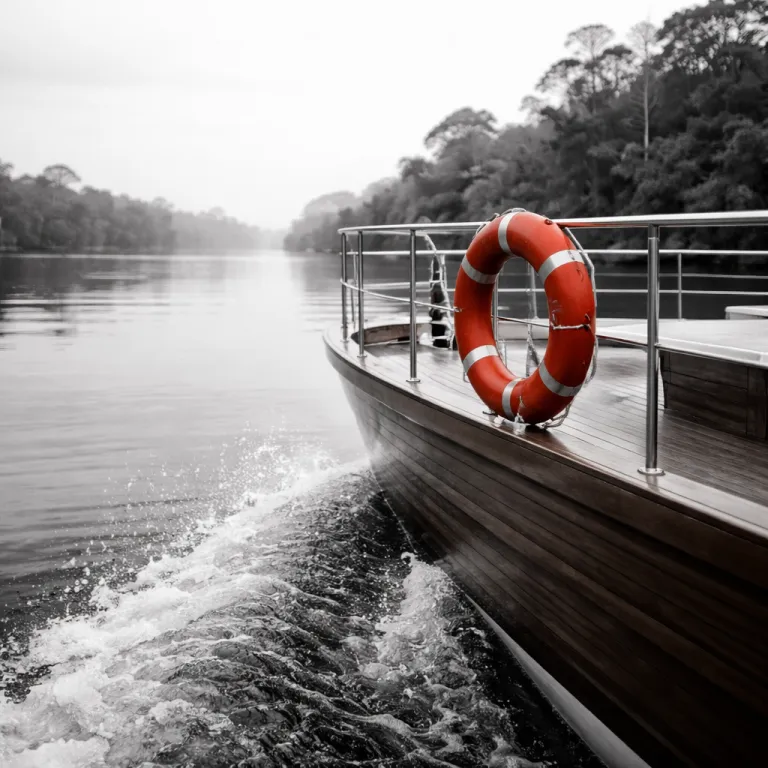
Why Pacaya Samiria changes the Amazon river cruise equation
The Peruvian Amazon is often framed as a choice between jungle lodge and river boat. A Pacaya Samiria luxury cruise quietly replaces that binary with a water-led way of travelling, where the river sets the rhythm and the rainforest comes to you. For travellers comparing options, this national reserve offers a different tempo from Tambopata or Manu, with more time in skiffs and less on muddy trails.
Pacaya Samiria is a vast flooded forest reserve of roughly two million hectares (about five million acres), where the Amazon River, the Marañón River and countless blackwater channels shape both wildlife and human life. In this protected area, you might visit oxbow lakes at high-water season, then return during low-water months to walk on newly exposed riverbanks that reveal caiman tracks and giant lily pads. That duality is why a Pacaya Samiria luxury cruise can feel like two journeys in one, even on shorter three-night itineraries.
Compared with the lodge circuits in Tambopata or Manu, the Pacaya Samiria experience is unapologetically water focused. You spend your days on skiff-based river excursions, gliding into creeks where pink dolphins surface beside the boat and multiple primate species move through the canopy above. Hiking is limited, yet wildlife density is high, so every outing with a naturalist guide becomes a moving hide with a constantly shifting view.
For hotel-focused travellers, this matters. Cabins on a luxury Amazon vessel function like riverfront suites, with air conditioning, proper mattresses and hot-water showers that rival urban master-suite standards in Lima or Cusco. If you usually filter properties by suite category and USD rate before booking, think of each ship as a floating hotel where the jungle is your lobby and the Peruvian Amazon sky is your ceiling.
From Iquitos to the second deck: how the ships really feel
Every Pacaya Samiria luxury cruise begins in Iquitos, a river city reachable only by air or boat. You land, feel the humidity wrap around you, then transfer straight to the Amazon River pier where your chosen vessel waits with chilled towels and a safety briefing. That first day sets the tone, and within an hour you are sailing upstream past stilted villages and forested banks.
Aqua Expeditions positions its Aria Amazon and Aqua Nera as design-forward ships, with large picture windows that frame the Peruvian Amazon like a moving gallery. Aria Amazon typically carries around thirty to forty passengers, while Aqua Nera is slightly larger, yet both keep public spaces intimate enough that the second-deck lounge never feels crowded during sunset cocktails. On board, each master suite or standard suite is treated less as a cabin and more as a compact hotel room, with thoughtful lighting, strong water pressure and a curated minibar.
Delfin Amazon Cruises takes a different approach, especially on Delfin I with just four oversized suites, where every suite has a private terrace and some include plunge pools. Delfin III, with capacity for roughly forty guests, balances social energy and privacy, offering a mix of master-suite categories and upper-deck cabins that appeal to travellers used to comparing room types on a hotel booking engine. Zafiro, operated by Jungle Experiences, introduces the Zafiro Suite as its signature category, with floor-to-ceiling glass and a front-facing view that justifies its premium USD pricing for many repeat guests.
The upcoming andBeyond Amazon Explorer adds another layer to the Pacaya Samiria luxury cruise conversation. With an estimated fifteen suites and Shipibo-Conibo-inspired design, it aims to feel like a contemporary river lodge translated onto a hull, rather than a conventional Amazon cruise ship. One recent preview guest described it as “a boutique hotel that just happens to move at five knots,” underlining how design and cultural dialogue can influence your choice of vessel.
Life on board: suites, skiffs and the cadence of the jungle day
Once you settle into your suite, the Pacaya Samiria luxury cruise routine becomes reassuringly predictable in the best way. Mornings start early, with coffee on the second deck as mist lifts from the river and macaws cross the sky in tight formation. Then you step into a skiff for the first tour of the day, following your guide into narrow channels where the only sounds are outboard engines idling low and howler monkeys calling.
On most itineraries, you will visit remote corners of Pacaya Samiria during both high-water and low-water periods, even within a single trip if your nights span a transitional season. High-water months, roughly December to May, usually mean skiffs can penetrate deep into the flooded forest, bringing you eye level with sloths and squirrel monkeys that would require long hikes in other regions. Low-water season, typically June to November, reveals sandbars and beaches where you can disembark for short walks, spotting caiman, freshwater turtles and the delicate tracks of capybara along the shore.
Cabin categories matter more than many first-time Amazon cruise guests expect. A master suite or Zafiro Suite on the bow will often have a wider view of the Amazon River and its tributaries, while midship cabins on the second deck can feel quieter and more stable for light sleepers. Some ships even include a small note in the room directory inviting you to “view fullsize” wildlife checklists on a tablet, turning your downtime between excursions into a gentle master class in Peruvian Amazon biodiversity.
Between outings, life on board feels closer to a compact luxury hotel than to an expedition vessel. You return from a jungle tour to cold towels, fresh juices and showers with strong water pressure, then sit down to Peruvian tasting menus that reinterpret river fish and regional produce. For more ideas on pairing these active days with high-comfort stays across the country, explore our guide to luxury adventure activities for discerning travellers in Peru and start sketching how your Amazon segment fits into a wider itinerary.
Wildlife, water seasons and why Pacaya Samiria rewards patience
Pacaya Samiria is often described as a mirror forest, where still water reflects trees so perfectly that horizon lines vanish. That effect is strongest during high-water season, when the river rises several metres and skiffs glide through flooded trunks that feel almost architectural. In these months, a Pacaya Samiria luxury cruise becomes a study in reflections, with pink river dolphins surfacing in water that mirrors the sky.
During low-water season, the same channels shrink back to reveal beaches, mudflats and exposed roots, changing both navigation and wildlife behaviour. Your guide will adjust each excursion according to these shifts, sometimes focusing on birdlife along the Marañón River sandbars, other times tracking primates deeper in the jungle canopy. The reserve protects hundreds of bird species and a notable diversity of monkeys, so even on shorter three- or four-night itineraries, the density of sightings can rival longer lodge-based stays elsewhere in the Peruvian Amazon.
On board, naturalists answer the same questions repeatedly, and one line from the briefing tends to stay with guests. “What wildlife can be seen?” one traveller asks, and the guide replies, “Pink dolphins, macaws, sloths.” That simple list understates the range of life you may encounter in this national reserve, from tiny poison dart frogs to shy Amazonian manatees occasionally reported in backwater lagoons, yet it captures the emotional core of an Amazon cruise where every bend in the river feels like a new stage.
For travellers used to evaluating hotels by spa menus and pillow types, the key metric here is time on the water. A Pacaya Samiria luxury cruise typically offers two excursions per day, sometimes three, with kayaks and binoculars provided so you can engage with the environment at your own pace. If you value unhurried observation over ticking boxes, this reserve rewards those who linger on the second-deck railings long after dinner, watching the Amazon darken while the jungle soundtrack swells.
Sustainability, community and how to weave the Amazon into a Peru itinerary
Luxury on the Amazon River carries responsibilities that go beyond thread count and wine lists. Operators in Pacaya Samiria now speak openly about fuel efficiency, waste management and carbon offsetting, recognising that a Pacaya Samiria luxury cruise must justify its footprint in a fragile ecosystem. Eco-conscious vessels, better route planning and partnerships with local communities are no longer marketing extras, but baseline expectations for serious travellers.
Delfin Amazon Cruises, Aria Amazon and Zafiro all work with local guides and hospitality staff from nearby villages, turning each guide role into a skilled profession that keeps talent in the region. Programmes such as Delfin’s long-running collaboration with communities near Nauta and Jungle Experiences’ support for education initiatives in Loreto illustrate how training, fair contracts and long-term employment can matter as much as any formal conservation donation, because they anchor the value of the national reserve in everyday life. When you book, ask how your USD fare is divided between operations, crew and community projects, and do not hesitate to request specifics about any Samiria-focused initiatives they support.
For solo travellers planning a wider Peru journey, sequencing is crucial. We usually recommend starting in Iquitos and the Peruvian Amazon before heading to the highlands, because the heat, humidity and early starts of an Amazon cruise are easier to handle before you tackle altitude in Cusco or the Sacred Valley. After disembarking, you can connect through Lima to properties that specialise in cultural immersion; our guide to cultural experiences through luxury hotel booking in Peru outlines how to balance river days with city nights.
As demand for luxury Amazon experiences grows, the question is not lodge versus river cruise, but which style of water-led journey best matches your priorities. Some travellers will prioritise the intimacy of a smaller, all-suite vessel, others the social energy of a larger ship with more varied public spaces. Either way, treat Pacaya Samiria as a central chapter in your Peru story, not an add-on, and choose the ship whose design, crew ethos and route align with how you want to feel when you stand at the rail and watch the river carry you forward.
FAQ about Pacaya Samiria luxury cruises
What wildlife can I realistically expect to see in Pacaya Samiria ?
Most guests on a Pacaya Samiria luxury cruise see pink river dolphins, several monkey species, macaws and a wide range of smaller birds. Sloths, caiman and freshwater turtles are also common along quieter channels of the Marañón River and its tributaries. Sightings vary by water season, but the overall density of wildlife in this reserve is high compared with many other Amazon regions.
How many days should I spend on an Amazon river cruise from Iquitos ?
Three nights work if you are short on time, but four to seven nights allow a more relaxed pace and deeper exploration of Pacaya Samiria. Longer itineraries usually reach more remote sections of the national reserve, with a better balance between high-activity days and quieter afternoons on the second deck. If your wider Peru trip permits, aim for at least four nights to justify the flight into Iquitos.
Are excursions and guided tours included in the cruise price ?
On reputable Amazon cruise operators in Pacaya Samiria, all skiff outings and jungle tours with a naturalist guide are included in the USD fare. Programmes typically feature two excursions per day, sometimes adding a night safari or village visit depending on the season. Optional extras might include spa treatments or premium wines, but core wildlife activities are part of the standard package.
What should I pack for a Pacaya Samiria cruise in the Peruvian Amazon ?
Light, breathable clothing, a wide-brimmed hat and a good rain jacket are essential for both high-water and low-water seasons. Insect repellent, binoculars and waterproof bags for cameras will make each tour more comfortable and productive. Most ships provide rubber boots and refillable water bottles, so you can keep luggage weight down while staying prepared for changing jungle conditions.
Is Wi Fi available on Pacaya Samiria luxury ships ?
Some vessels on the Pacaya Samiria luxury cruise circuit offer limited Wi Fi in public areas, usually via satellite with variable speeds. Connections are generally sufficient for messaging and basic email, but not for heavy streaming or large file uploads. If staying fully connected is critical, confirm coverage and any extra charges with your chosen operator before finalising your booking.