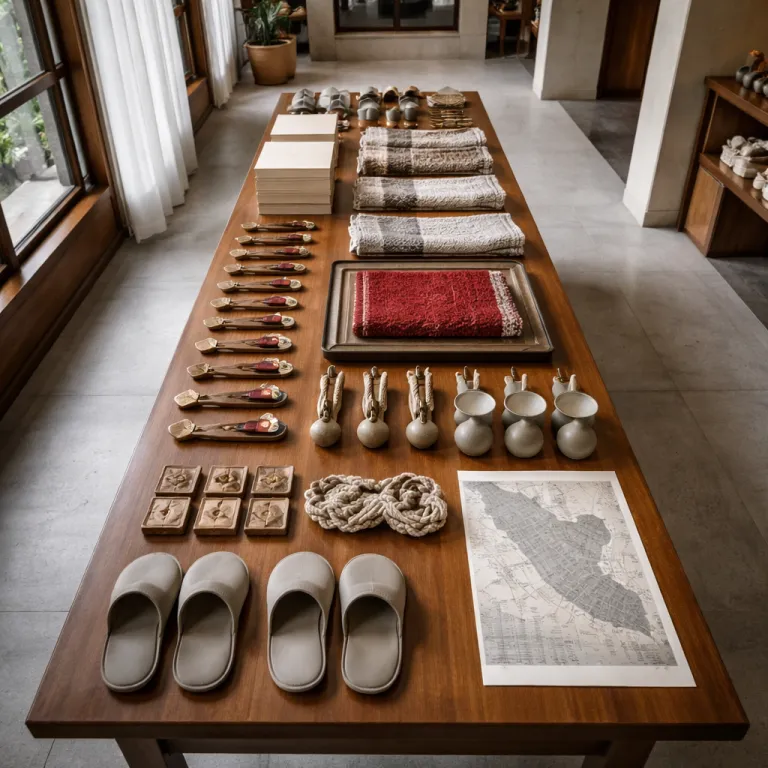
I want to feel inside the Inca world, not just visit it
Peru rewards travelers who let their hotel choices frame the story. In this hotel guide to Peru, the most memorable luxury stays sit where Inca engineering, Andean ritual and modern comfort intersect, especially between Cusco, the Sacred Valley and Machu Picchu. Families planning their first visit to Peru often underestimate how much the right hotel, the right rooms and the right location can shape a child’s first view of a stone terrace or a condor circling above.
Start with Cusco, because altitude and logistics matter more here than marble lobbies or a flashy spa. The city stands at about 3,400 metres above sea level, and many visitors feel the difference on the first day. In the historic centre, properties such as Palacio del Inka, a Luxury Collection Hotel, and the Belmond houses convert former colonial mansions into luxury hotels with courtyards, oxygen-enriched rooms and staff trained to manage gentle acclimatisation for children. These hotels in Peru sit close to key sites yet offer quiet cloisters, so your family can stay within walking distance of the Plaza de Armas while still retreating to calm spaces with reliable free WiFi and attentive service.
From Cusco, the Sacred Valley becomes your open-air classroom, and your hotel becomes the lens through which you read Inca cosmology. The valley floor lies lower, around 2,800 metres, which many families find more comfortable for the first nights. Resorts such as Aranwa Sacred Valley or Sol y Luna spread across riverside gardens, with heated pools, small spas and interconnecting rooms that work well for premium family stays. This is where any serious Peru accommodation guide must be honest about value; some luxury hotels charge a steep premium for views and branding, while mid-scale properties like Casa Andina Premium or the more modest Casa Andina Standard lines can deliver excellent rooms, strong WiFi and warm service at a lower nightly cost.
Placing food at the centre of the trip in Lima and beyond
Lima is where a hotel guide for Peru naturally shifts from altitude strategy to gastronomy, because the capital’s restaurants now rival its museums as primary attractions. For food-focused travelers, staying in Miraflores or San Isidro keeps you close to the city’s best cevicherías and tasting menus, while still offering ocean views, safe streets and easy transfers to the airport. Families who want Lima Miraflores convenience with polished service often look at Hilton Lima Miraflores, Casa Andina Premium Miraflores or the Costa del Sol chain, each offering comfortable rooms, reliable WiFi and quick access to both casual and fine dining.
In Miraflores, clifftop hotels frame the Pacific like a stage, and the right restaurant inside your hotel can rival a night out. Some of the best hotels here curate tasting menus that introduce children gently to Peruvian flavours, pairing grilled fish with simple rice while adults explore tiraditos and pisco sours. One family recalled a chef stepping out of the kitchen to explain the different types of ají peppers, turning a simple dinner into an informal cooking class. When comparing hotels across Peru, check whether breakfast includes local produce, whether the on-site restaurant can adapt menus for younger palates and whether room service operates late enough for families arriving on evening flights into Lima Airport.
San Isidro offers a quieter, more residential feel, with tree-lined streets and embassies, and it suits travelers who prefer discreet luxury hotels over nightlife. Here, properties with strong concierge teams can secure hard-to-get reservations at central Lima restaurants, then arrange safe transfers back to your stay. If you are planning around seasonal menus or coastal weather, consult a refined planning resource on the temperature in Peru in July, which helps align Lima dining plans with Andean segments of your itinerary and indicates when cooler evenings call for indoor seating.
Choosing where to sleep for Machu Picchu and the Sacred Valley
Machu Picchu is often the headline, yet the real question in any hotel guide to Peru is where you sleep before and after the citadel. The site itself sits at roughly 2,430 metres, lower than Cusco but still high enough to notice. Families usually face three main options: stay in Aguas Calientes at the base, stay at the entrance gate, or base themselves in the Sacred Valley and day trip in by train. Each choice affects wake-up times, crowd levels, budget and how much your children actually enjoy the experience rather than endure it.
Staying in Aguas Calientes offers flexibility, because you can adjust your bus departure to Machu Picchu according to weather and energy levels. The bus ride up the mountain takes around 25 to 30 minutes, and first departures usually leave before sunrise. Properties range from simple guesthouses to luxury hotels with river views, small spas and multi-room suites that work for families, though WiFi can be patchy in some corners of town. At the top end, the hotel at the entrance gate delivers unbeatable proximity and early access, yet the markup is significant, so this Peru hotel guide recommends weighing whether that premium is better spent on a private guide, a second entry ticket or a more spacious stay in the Sacred Valley.
For many premium families, a Sacred Valley base strikes the best balance between comfort, altitude and cost. Resorts spread along the Urubamba River, including Aranwa, Tambo del Inka, a Luxury Collection Resort, and several Casa Andina properties, offer large rooms, heated pools, kids’ activities and easy access to train stations for day trips to Machu Picchu. Trains from Ollantaytambo to Aguas Calientes typically take about 90 minutes, while services from Urubamba are slightly longer but more direct from certain resorts. To time your visit around clearer skies and fewer crowds, consult a detailed guide to the weather in Peru in September for luxury stays, which helps you align train schedules, valley hikes and rest days for children with the driest weeks of the season.
Designing a family friendly circuit across Peru’s top destinations
Once Lima, Cusco and Machu Picchu are mapped, a thoughtful hotel guide to Peru looks outward to Paracas, Lake Titicaca and the Amazon, because each region adds a different layer to the story. Paracas, on the south coast, pairs well with Lima for families who want marine wildlife, desert dunes and resort-style pools without another flight. Here, several of the best hotels sit along the bay with direct beach access, kids’ clubs, free WiFi and restaurants that can handle both fresh seafood and simple pasta for younger travelers.
Lake Titicaca introduces altitude again, so hotel choice must balance views with health considerations, especially for children. The lake’s surface lies at about 3,800 metres, and even adults who felt fine in the Sacred Valley can tire more quickly here. Luxury hotels on the lake’s peninsulas or private islands offer extraordinary dawn views over the water, yet they can feel remote if a child develops mild altitude symptoms and needs quick access to medical care. In Puno town, more modest Peruvian hotel chains such as Casa Andina Standard or Casa Andina Premium provide oxygen on request, warm rooms and easier access to clinics, which some families prefer over ultra-remote luxury.
Throughout Peru, experiential travel is reshaping what families expect from a hotel, because stays now include guided astronomy sessions, cooking classes or textile workshops rather than just a pool and a spa. When you read any Peru hotel guide, look for concrete descriptions of activities rather than vague promises of “experiences”, and ask whether those activities are genuinely included or sold as expensive add-ons. For deeper context on how slow luxury is evolving in the Sacred Valley, an insider analysis of a Travel + Leisure award for Willka T’ika (for example, the 2022 World’s Best Awards coverage) shows how properties are rethinking wellness, gardens and cultural immersion for discerning guests.
Logistics, airports and when to pay for convenience
Behind every elegant itinerary in Peru lies a web of transfers, airports and train schedules, and a serious hotel guide to Peru must address these mechanics clearly. Lima Airport is the main international gateway, and late-night arrivals make an airport hotel tempting for families with tired children. The Costa del Sol Wyndham Lima Airport, connected directly to the terminal, offers simple rooms, 24-hour restaurant service and free WiFi, which can be worth the premium for a short overnight stay before flying on to Cusco.
In Cusco, the airport sits close to the historic centre, so you can usually reach central hotels within twenty minutes, yet early-morning departures still argue for a property with efficient front desk teams and reliable transfers. Some luxury hotels, including Palacio del Inka and the Belmond houses, coordinate private drivers who understand luggage-heavy family travel and can help with last-minute pharmacy stops for altitude medication. When comparing the best hotels in Cusco, ask specifically about check-in flexibility, because early arrivals from Lima can leave families waiting in lobbies if rooms are not pre-blocked.
Train logistics to Machu Picchu and the Sacred Valley also influence where you should stay, especially when traveling with children who tire easily. Properties near stations in Ollantaytambo or Urubamba, such as Tambo del Inka, a Luxury Collection Resort, or Casa Andina Premium, allow you to board trains with minimal transfers, which reduces stress and maximises time at the citadel. Across Peru, online booking platforms, direct hotel websites and trusted travel agencies now integrate schedules and transfers more smoothly, and as one reference notes, “Book in advance during peak seasons,” ideally three to six months ahead for June to August and major holiday periods.
What to pay for, what to skip and how to read reviews
Peru’s hotel landscape now stretches from simple guesthouses to polished luxury hotels, and a responsible hotel guide to Peru must be candid about where to invest. In Lima, paying extra for a Miraflores or San Isidro address usually makes sense, because you gain safer streets, better restaurants and easier access to coastal parks for evening walks with children. In Cusco and the Sacred Valley, spending more on oxygen-equipped rooms, on-site medical support and flexible meal times often delivers more value than a larger television or a more ornate lobby.
Across hotels in Peru, WiFi quality, soundproofing and heating matter more than thread count, especially for families juggling remote work or school while traveling. When reading reviews, look for specific mentions of free WiFi stability, hot water reliability and how staff handled early check-ins or late check-outs, rather than generic praise about “friendly service”. Recent industry summaries from Peru’s tourism authorities indicate that mid-range hotel rates in major cities often cluster around 80 to 120 USD per night, so when a property charges double or triple that range, you should see clear justification in location, included activities or genuinely elevated service.
Brand names such as Casa Andina, Costa del Sol, Hilton Lima Miraflores, Palacio del Inka and the various Luxury Collection properties signal different service philosophies, yet even within these groups, individual hotels vary. Use a curated Peru hotel guide as a starting point, then cross-check recent guest photos, detailed comments about rooms and restaurant quality, and whether the property’s story aligns with how you want your family to experience Peru. Finally, remember that many hotels in Peru now adopt sustainable practices, and as one concise answer in a reference guide states, “Are there eco-friendly hotels in Peru? Yes, many hotels adopt sustainable practices,” including waste reduction, solar energy and community partnerships.
Key figures for planning luxury and premium hotel stays in Peru
- Recent data from Peru’s tourism and hotel industry suggest that typical mid-range hotel prices in major Peruvian cities often fall between 80 and 120 USD per night, which means a family of four should budget at least 200 to 300 USD per night for mid to upper tier rooms in major destinations.
- Peru hosts several thousand registered hotels and similar accommodations nationwide, according to national tourism statistics, giving travelers a wide spectrum from simple guesthouses to luxury hotels but also making careful selection and review reading essential.
- Online booking platforms now handle a growing share of reservations in Peru, reflecting a broader global trend toward digital planning and allowing travelers to compare prices, room types and cancellation policies more transparently.
- Eco-friendly and sustainability-focused hotels are rising in number across Peru, aligning with the country’s push to promote sustainable tourism and protect sensitive environments such as the Sacred Valley and Lake Titicaca.
- During peak tourist seasons, occupancy in the best hotels around Cusco, the Sacred Valley and Machu Picchu can reach very high levels, which is why expert guidance consistently recommends booking well in advance—typically three to six months before travel—to secure preferred room categories.
FAQ about luxury and premium hotels in Peru
What is the average cost of a luxury hotel in Peru for families ?
While national averages for all categories hover around mid-range levels, luxury hotels in Lima, Cusco and the Sacred Valley usually range from roughly 250 to 600 USD per night for family-suitable rooms. Suites with separate living areas or guaranteed connecting rooms often sit at the upper end of that spectrum, and prices rise for peak dates or properties directly at Machu Picchu or on Lake Titicaca. Booking early and comparing inclusions such as breakfast, transfers and activities helps you judge real value.
Is it necessary to book hotels in advance in Peru ?
Advance booking is strongly recommended for Peru, especially for the best hotels in Cusco, the Sacred Valley, Lima Miraflores and around Machu Picchu. Peak seasons see high occupancy, and family rooms or connecting rooms are limited in many properties. Reserving early—ideally three to four months ahead for June to August and major holidays—also allows you to coordinate flights, trains and airport transfers more smoothly.
Are there eco friendly luxury hotels in Peru suitable for families ?
Yes, many hotels in Peru now integrate eco-friendly practices such as solar power, water treatment and community partnerships, and several of these are fully equipped for premium family stays. In the Sacred Valley and around Machu Picchu, eco-led brands often combine nature-based activities with educational programs for children. Always check whether sustainability claims are backed by certifications, third-party audits or detailed descriptions of concrete initiatives.
Which areas of Lima are best for a first stay in Peru ?
For most travelers, Miraflores and San Isidro are the best areas for a first stay in Lima, thanks to their safety, coastal parks and concentration of quality restaurants. Miraflores suits families who want ocean views and easy access to the Malecón, while San Isidro appeals to those who prefer a quieter, more residential atmosphere. Both districts offer a wide range of hotels from Peru-wide brands and independent properties with reliable WiFi and good transport links.
How should families plan around altitude when choosing hotels in Cusco and Lake Titicaca ?
Families should consider starting with a lower-altitude base in the Sacred Valley, around 2,800 metres, before spending nights in Cusco at about 3,400 metres, especially with younger children. Hotels that offer oxygen on request, slow-paced arrival protocols and staff trained in recognising mild altitude symptoms provide extra reassurance. Around Lake Titicaca, where the lake sits near 3,800 metres, some travelers prefer staying in Puno town rather than remote islands to maintain easier access to medical care and more flexible transport options; carrying contact details for local clinics and your travel insurer’s emergency line is a simple but effective checklist item.