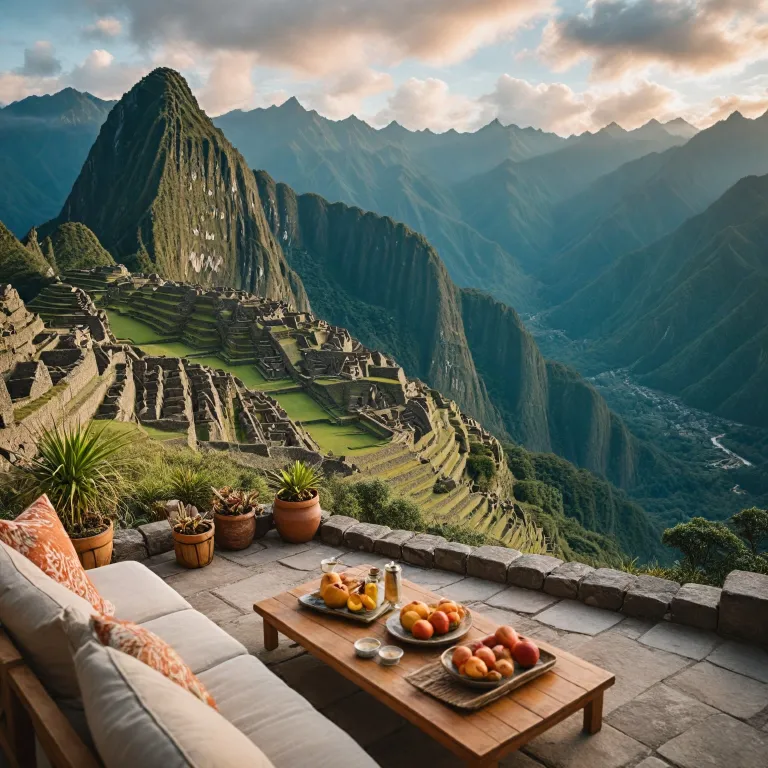
Understanding Machu Picchu altitude for luxury minded travelers
The Machu Picchu altitude shapes every aspect of a refined journey in Peru. This legendary Inca site sits at an elevation of about 2,430 meters, which equals roughly 7,972 feet above sea level. When planning high end stays and transfers, you must understand how this altitude level compares with Cusco and the surrounding sacred valley.
Many travelers are surprised that the Machu Picchu altitude is actually lower than Cusco, which rises to around 3,400 meters above sea level. This difference in elevation means the risk altitude profile changes as you move between Cusco, the sacred valley, and the citadel above the Urubamba River. While the site feels less high than Cusco, the combination of travel fatigue and excitement can still trigger altitude sickness symptoms in sensitive guests.
Luxury and premium hotel booking in Peru increasingly integrates altitude machu considerations into curated itineraries. Expert concierges coordinate stays in the sacred valley at around 2,800 meters to help guests acclimate gradually before visiting the Inca mountain complex. This step down from Cusco Machu transfers can reduce the risk altitude for travelers who are not used to high altitude environments.
Within this context, the Machu Picchu altitude becomes more than a number in meters or feet. It is a key parameter that shapes how long you stay in Cusco, when you board trains to Aguas Calientes, and how you pace your ascent to the site itself. Understanding the relationship between meters feet, feet sea, and meters sea level helps you and your hotel team design a comfortable, medically informed travel plan.
Comparing Cusco, sacred valley, and Machu Picchu elevation
Planning a luxury itinerary around Machu Picchu altitude starts with comparing regional elevations. Cusco stands at about 3,400 meters, which is significantly higher than the 2,430 meters of the citadel and the sacred valley in between. In practical terms, this means many travelers feel the strongest altitude sickness symptoms when they first arrive in Cusco rather than at the Inca site itself.
Because Cusco is higher, premium hotels there often work closely with medical partners to monitor guests during their first nights. They provide oxygen, light meals, and guidance on hydration to help reduce the risk altitude associated with sudden exposure to high altitude conditions. Some travelers choose to transfer directly from Cusco to sacred valley properties at slightly lower elevation, then continue to Machu Picchu once their bodies adapt.
The sacred valley offers an elegant compromise between Cusco Machu logistics and guest comfort. Nestled along the Urubamba River, its villages sit between the city and the Inca mountain complex, easing the transition in meters and feet above sea level. Many luxury hotels here design spa programs, slow paced excursions, and nutrition plans that support acclimatization before guests tackle the picchu mountain trails.
From the sacred valley, trains glide down to Aguas Calientes, the gateway town below the site. Here, the Machu Picchu altitude feels gentler, yet the climb from town to the ruins still demands respect from travelers unused to high altitude. By understanding how picchu elevation compares with both Cusco and the valley, you can choose where to spend more nights and which hotel category best aligns with your health profile.
Managing altitude sickness risk with premium hotel support
Altitude sickness is one of the main concerns for guests evaluating Machu Picchu altitude and hotel choices. While the citadel is lower than Cusco, the combination of flights, transfers, and high altitude exposure can still provoke symptoms such as headache, nausea, and shortness of breath. Luxury properties in Cusco, the sacred valley, and near Aguas Calientes now treat altitude sickness management as a core part of their guest experience.
Many high end hotels maintain close relationships with medical professionals who understand high altitude physiology. They can arrange rapid consultations if symptoms worsen, provide oxygen in rooms, and coordinate transfers to lower elevation in the sacred valley if needed. This integrated approach helps reduce the risk altitude for travelers who may not have previous experience above 2,000 meters.
When you book, ask how the property handles altitude sickness and whether they offer practical help such as hydration stations, light menus, and flexible check in times. Some hotels even design pre Machu Picchu altitude programs that include gentle walks, spa treatments, and slow paced excursions in the valley. These experiences allow your body to adapt while you enjoy the cultural and natural beauty of Peru.
It is important to remember that picchu altitude issues can affect even fit travelers, especially after long haul flights. Choosing hotels that understand the nuances of altitude machu conditions, from Cusco Machu transfers to picchu cusco day trips, adds a layer of safety and comfort. “While Machu Picchu's elevation is lower than Cusco's, some visitors may still experience mild symptoms of altitude sickness. It's advisable to acclimate in Cusco before visiting.”
Luxury itineraries around Machu Picchu, Huayna Picchu, and the Inca Trail
For many travelers, the Machu Picchu altitude is only one part of a broader high altitude adventure. Ambitious guests often combine a visit to the main site with hikes up Huayna Picchu, treks on the Inca Trail, or viewpoints over the Urubamba River. Each of these experiences involves different meters and feet above sea level, which should influence how you structure your luxury itinerary.
Huayna Picchu rises to about 2,693 meters, making it higher than the main picchu mountain terraces. The trail is steep and narrow, so the combination of high altitude and physical effort can intensify altitude sickness symptoms. Premium hotels and specialist operators therefore recommend that only well acclimatized guests attempt Huayna Picchu, ideally after several nights in Cusco or the sacred valley.
The classic Inca Trail reaches even higher points, so its elevation profile demands careful planning and strong support. When booking through a luxury and premium hotel platform in Peru, verify that your chosen operator provides experienced guides, medical kits, and clear information about risk altitude along the route. The best teams explain how the Machu Picchu altitude at the end of the trail compares with the highest passes, helping you pace your effort.
Some travelers prefer to stay in refined properties in the sacred valley and visit the site by train rather than hiking the Inca Trail. This approach still exposes you to high altitude environments but allows more control over daily meters climbed and hours spent at elevation. Whether you focus on picchu machu viewpoints, Huayna Picchu, or the Inca Trail, align your hotel choices with your fitness level and appetite for high altitude adventure.
Choosing premium hotels in Cusco, sacred valley, and Aguas Calientes
Selecting the right luxury or premium hotel in Peru requires balancing style, service, and Machu Picchu altitude strategy. In Cusco, high altitude and rich history combine, so many travelers spend fewer nights there and more in the sacred valley. When comparing properties, look for those that clearly explain how they support guests coping with altitude sickness and related symptoms.
In the sacred valley, riverside retreats along the Urubamba River offer lower elevation than Cusco while remaining close to the site. These hotels often feature wellness programs, oxygen enriched rooms, and menus designed to help digestion at high altitude. They also coordinate early transfers to Aguas Calientes, ensuring you reach the citadel entrance at a comfortable hour with minimal rush.
Aguas Calientes itself sits below the main picchu mountain, so its elevation is slightly lower than the Machu Picchu altitude. Here, premium hotels focus on rest and recovery before and after your visit to the Inca site. When booking, verify whether the property can arrange timed entries, guided tours that respect your pace, and flexible meal schedules adapted to early departures.
For deeper insight into how top tier platforms curate these stays, you can review a detailed guest experience analysis on a leading luxury and premium hotel booking website in Peru at guest experience stories exploring luxury and premium hotel booking websites in Peru. This type of resource helps you compare how different brands handle picchu altitude logistics, from picchu cusco transfers to medical support. By aligning your hotel choices with your sensitivity to high altitude, you transform a demanding environment into a comfortable, enriching journey.
Practical health strategies for high altitude luxury travel
Even with attentive hotels, you should adopt personal strategies to handle Machu Picchu altitude safely. Arrive in Peru well rested, stay hydrated, and avoid heavy meals or alcohol during your first days at high altitude. These simple habits reduce the likelihood of altitude sickness symptoms and help your body adapt more smoothly to meters above sea level.
When moving between Cusco, sacred valley, and Aguas Calientes, plan gradual changes in elevation. Spending one or two nights in the valley before ascending to the site can significantly lower your risk altitude profile. Many premium hotels can help design this progression, ensuring that your first exposure to very high altitude is not combined with intense physical activity.
Listen carefully to your body as you approach the Machu Picchu altitude and beyond. If you experience persistent headache, dizziness, or shortness of breath, inform your hotel staff or guide immediately so they can arrange medical help. Properties accustomed to high altitude guests often maintain oxygen supplies and have clear protocols for transferring travelers to lower meters sea level if needed.
On the day you visit the Inca site, walk slowly, take frequent breaks, and enjoy the views over the Urubamba River and surrounding picchu mountain peaks. Remember that even though the Machu Picchu altitude is lower than Cusco, it still qualifies as high altitude and deserves respect. By combining responsible self care with the expertise of luxury hotels across Cusco Machu routes, you can appreciate the sacred landscape while minimizing the impact of altitude machu conditions on your health.
Key Machu Picchu altitude statistics and essential FAQs
Selected quantitative statistics about Machu Picchu altitude
- Elevation of Machu Picchu : approximately 2,430 meters, or about 7,972 feet above sea level.
- Elevation of Huayna Picchu : approximately 2,693 meters, which is higher than the main site.
- Elevation of nearby Putucusi mountain : approximately 2,560 meters, overlooking the Urubamba River valley.
- Cusco stands at about 3,400 meters, making it significantly higher than the Machu Picchu altitude.
Frequently asked questions about Machu Picchu altitude
What is the elevation of Machu Picchu ?
Machu Picchu is situated at an elevation of approximately 2,430 meters, which corresponds to about 7,972 feet above sea level. This means the site is high enough for some visitors to feel the effects of reduced oxygen, especially after long travel days. However, it remains lower than Cusco, so many travelers feel some relief when descending from the city to the citadel.
Is altitude sickness a concern when visiting Machu Picchu ?
Altitude sickness can still be a concern at the Machu Picchu altitude, even though the site is lower than Cusco. Sensitive travelers may experience mild symptoms such as headache, fatigue, or shortness of breath, particularly if they ascend quickly from sea level. Luxury and premium hotels in Cusco, the sacred valley, and Aguas Calientes can help manage this risk altitude by offering acclimatization advice, oxygen, and access to medical support.
How does Machu Picchu's elevation compare to Cusco's ?
Cusco lies at around 3,400 meters, which is considerably higher than the 2,430 meters of Machu Picchu. This difference in elevation explains why many travelers feel stronger altitude sickness symptoms upon arrival in Cusco rather than at the Inca site. By spending time in the sacred valley and planning a gradual approach to the citadel, you can use this lower Machu Picchu altitude to your advantage and enjoy the sacred landscape more comfortably.