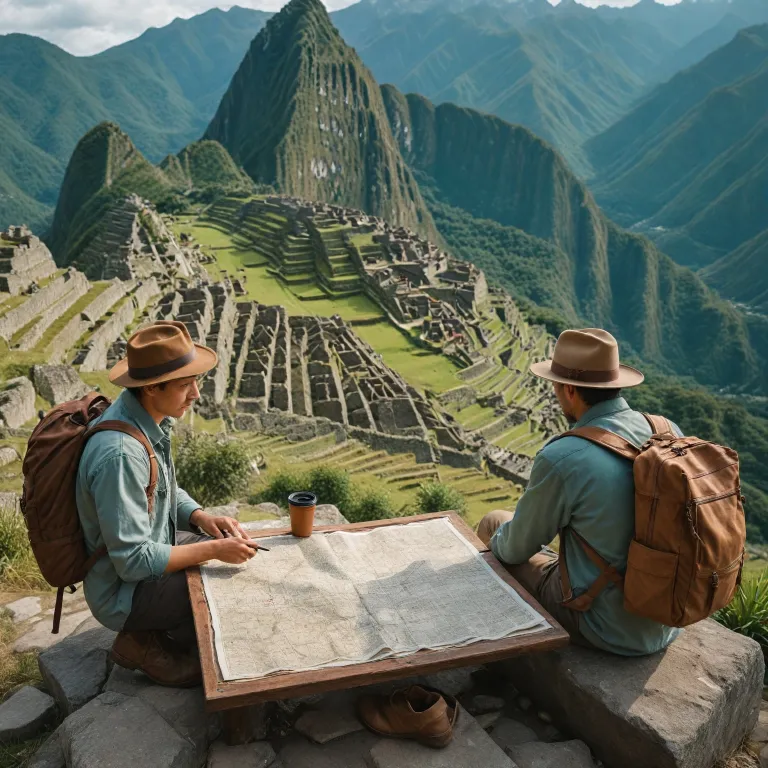
Understanding Machu Picchu hike distance for luxury focused travelers
The classic Inca Trail to Machu Picchu covers about 42 km in total. For many travelers booking premium stays in Cusco, this Machu Picchu hike distance becomes the central reference for planning every day of their journey. When you combine a demanding trail with refined hotel expectations, you need precise information rather than vague hiking stories.
The Inca Trail is usually completed over four day segments, and each day presents different challenges in terms of terrain, high altitude and daily distances. Day one from Km 82 to Wayllabamba is a gentle trail hike that introduces you to the Inca stonework and the first views of the Urubamba valley, while still leaving enough time to enjoy a sophisticated dinner back at your pre trek hotel. Day two is dominated by the ascent to Dead Woman Pass, the highest point at around 4,215 m, where altitude sickness becomes a real concern for any student traveler or seasoned trek enthusiast.
On day three, hikers traverse cloud forest sections and pass sites such as Wiñay Wayna, where the trail machu landscape softens and the air grows more humid. The final day inca section leads from the campsite to the Sun Gate, offering the first dramatic view of Machu Picchu at sunrise before descending to the citadel itself. Understanding how each picchu day unfolds helps you match your luxury accommodation in Cusco or Aguas Calientes with the physical demands of the hike machu itinerary.
Aligning Machu Picchu hike distance with premium hotel choices
For travelers using a luxury and premium hotel booking website in Peru, the Machu Picchu hike distance is not just a number. It shapes how many nights you will spend in Cusco before the trek, how you schedule a day hike for acclimatization, and which high end property you select for post trek recovery. The best time to arrive in Cusco is usually two or three days before your inca trail departure, allowing your body to adjust gradually to high altitude conditions.
During these acclimatization days, many guests choose a short trail hike near Cusco, combining gentle hiking with spa access and refined dining. Reading detailed guest experience stories on a dedicated platform such as guest experience stories exploring luxury and premium hotel booking websites in Peru helps you understand how other travelers balance the inca trail effort with indulgent stays. Whether you travel in mar, apr or jun, you will want a hotel that can arrange private transfers to Km 82 and coordinate luggage storage while you are on the trail.
Premium booking platforms often highlight properties that specialize in pre and post trek services, including oxygen enriched rooms for those worried about altitude sickness. After completing the classic inca route and its demanding daily distances, many travelers opt for a night in Aguas Calientes, where upscale hotels offer river views and easy access to the bus up to Machu Picchu. Careful planning of each picchu day ensures that your trek, your rest, and your budget in USD remain perfectly aligned.
Seasonality, best time to hike, and how distance feels on the trail
The Machu Picchu hike distance may be fixed at around 42 km, but how it feels underfoot changes dramatically with the season. Many hikers consider the best time to walk the inca trail to be the dry months from apr to early nov, when the trail hike is more stable and the risk of slippery stone steps is lower. During mar and late nov, cloud forest sections can be misty and atmospheric, yet the stones may be wet and demanding for less experienced hiking enthusiasts.
Luxury travelers often prefer shoulder months such as apr and jun, when the classic inca route is busy but not overwhelming, and premium hotels still have availability in Cusco and Aguas Calientes. To understand how other guests experience these months, you can consult curated narratives like in depth guest experience stories for premium Peru stays, which often mention how the inca trail distance felt on specific days. On day two, the ascent to Dead Woman Pass, also called woman pass, compresses steep elevation gain into a relatively short segment, making this part of the trek feel longer than the map suggests.
By contrast, the third picchu day through the cloud forest and past Wiñay Wayna offers more varied scenery and gentler gradients, so many hikers describe it as the most enjoyable section. When planning a day hike elsewhere in the Sacred Valley as training, try to simulate the steepness of the woman pass ascent rather than just the total kilometers. This approach helps both student travelers and experienced trek veterans prepare realistically for the inca trail challenge.
Luxury acclimatization strategies in Cusco for the Inca Trail
Because the Machu Picchu hike distance unfolds mostly above 2,500 m, acclimatization in Cusco is essential for a comfortable experience. Many premium travelers book two or three nights in a refined property near the historic center, using the time for gentle hiking, cultural visits and high quality nutrition. A well located hotel also simplifies logistics for early morning transfers to Km 82, where the inca trail officially begins.
One strategy is to schedule a short day hike in the hills above Cusco, gradually testing your response to high altitude while returning each evening to a restful room and attentive service. For inspiration on where to stay, curated reviews such as experience refined comfort at a premium Cusco hotel illustrate how thoughtful design and quiet courtyards can enhance pre trek rest. During these days, you will want to hydrate consistently, avoid heavy alcohol consumption, and choose light yet energy rich meals that support the upcoming trail hike.
Altitude sickness can affect even fit hikers, so many luxury properties in Cusco provide oxygen on request and trained staff who understand the symptoms. Planning your mar, apr or jun arrival with at least one buffer picchu day before the classic inca departure reduces risk and improves overall enjoyment. By the time you reach Dead Woman Pass and the subsequent woman pass descent, your body will be better prepared for the sustained effort at high altitude.
From Sun Gate to Aguas Calientes: refining the final stretch
The final segment of the Machu Picchu hike distance begins before dawn on the last day inca, when hikers leave the final campsite and head toward the Sun Gate. This portion of the trail machu route is shorter in kilometers but emotionally intense, as anticipation builds with every stone step. Reaching the Sun Gate just as light spreads across Machu Picchu is often described as the highlight of the entire trek.
From the Sun Gate, the trail descends gradually toward the main terraces of Machu Picchu, where your guide will usually lead a two hour tour of the principal temples and plazas. After this visit, many travelers choose an additional hike machu extension to Huayna Picchu, a steep yet rewarding climb that offers panoramic views over the citadel and the surrounding cloud forest. This optional huayna picchu ascent adds extra daily distances to your legs, so it is wise to consider your remaining energy after three demanding days on the inca trail.
Later, a bus takes you down to Aguas Calientes, where premium hotels provide hot showers, spa treatments and refined Peruvian cuisine to celebrate the completion of your trek. Whether you are a student traveler on a carefully planned USD budget or a couple seeking the best riverfront suite, this final picchu day is when comfort feels especially deserved. Balancing the physical demands of the trail hike with the indulgence of a well chosen property turns the inca trail journey into a complete luxury experience.
Costs, permits, and expert guidance for a seamless premium journey
Understanding the Machu Picchu hike distance also means understanding the structure of guided packages, permits and overall costs in USD. The Peruvian Government strictly limits the number of people on the inca trail each day, and permits often sell out months in advance, especially for the best time windows in apr and jun. For this reason, travelers booking luxury hotels should coordinate trek reservations and accommodation choices simultaneously rather than treating them as separate decisions.
Licensed guides play a crucial role in managing the pace of each trail hike segment, monitoring guests for signs of altitude sickness, and explaining the history behind sites such as Wiñay Wayna and Dead Woman Pass. As one official explanation notes, "The Classic Inca Trail typically takes 4 days and 3 nights to complete." Another key clarification states, "The highest point is Dead Woman's Pass at 4,215 meters (13,829 feet)." Finally, regulations emphasize that "Yes, a permit is required and should be obtained in advance due to daily hiker limits."
For luxury focused travelers, working with reputable operators and using a trusted premium booking platform ensures that every picchu day, from Cusco acclimatization to the final bus from Aguas Calientes, is handled with precision. Whether you travel as a student group, a couple, or a family, you will benefit from clear communication about daily distances, high altitude risks and the classic inca itinerary. When these elements align with carefully selected hotels, the inca trail becomes not only a legendary hike machu experience but also a seamless, elevated journey through the heart of the Andes.
Key statistics about the Inca Trail and Machu Picchu hike distance
- Total Machu Picchu hike distance on the Classic Inca Trail route is approximately 42 km from Km 82 to the Sun Gate.
- The highest point on the inca trail, Dead Woman Pass, reaches an elevation of about 4,215 m above sea level.
- Daily hiker limits on the inca trail are capped at around 500 people, including guides and support staff, to protect the environment.
- The standard classic inca itinerary usually spans 4 days and 3 nights of hiking and camping along the trail.
Frequently asked questions about Machu Picchu hike distance and logistics
How long does it take to hike the Inca Trail to Machu Picchu ?
Most travelers complete the Classic Inca Trail in four days of hiking, with three nights spent at designated campsites along the route. This schedule balances the total Machu Picchu hike distance of about 42 km with time for acclimatization and visits to archaeological sites. Luxury travelers sometimes add extra nights in Cusco or Aguas Calientes before or after the trek for additional comfort.
What is the highest point on the Inca Trail, and how does it affect hikers ?
The highest point on the inca trail is Dead Woman Pass, which rises to roughly 4,215 m above sea level and represents the most demanding ascent of the trek. Many hikers feel the effects of high altitude here, so proper acclimatization in Cusco and a measured pace are essential. Once over the pass, the trail descends toward more sheltered valleys and cloud forest sections.
Do I need a permit to hike the Inca Trail to Machu Picchu ?
Yes, every traveler requires a permit issued through a licensed tour operator, and these permits are limited to a fixed number of people per day. Because the best time periods in apr and jun sell out quickly, it is wise to secure permits and hotel reservations several months in advance. This coordinated planning is especially important for those seeking premium accommodation before and after the trek.