Section 1 – Why Peru is the quiet heart of couples’ spiritual luxury
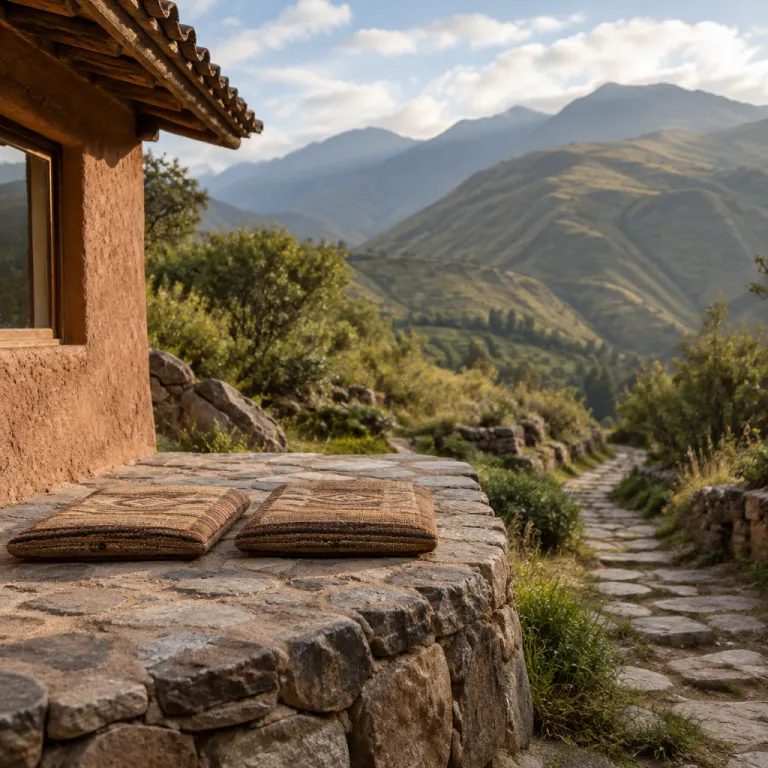
Peru holds a rare balance of raw nature and refined comfort that speaks directly to couples seeking a spiritual escape in July that still feels discreet and off the main tourist trail. In this country, sacred landscapes, intimate lodges, and expert wellness teams turn a simple trip into a curated journey of meaning that also respects privacy and ease. For travellers used to luxury travel in Europe or North America, the way Peru blends ceremony, nature, and attentive service feels both grounded and quietly transformative.
In the high Andes of South America, the Sacred Valley between Cusco and Machu Picchu offers a natural amphitheatre for couples who want ceremony by day and heated suites by night. Many high-end properties here work with destination management specialists who understand that a single day of deep ritual must be balanced with soft linens, oxygen-enriched rooms, and slow mornings. When you plan travel in Peru with this level of detail, every day of your stay supports both altitude acclimatisation and emotional depth.
For guests comparing Latin American destinations, Peru stands apart because wellness is woven into living Andean culture rather than added as a passing trend. You can move from a private coca leaf blessing to a multi-course tasting menu without leaving your valley sanctuary, and the same concierge will quietly coordinate both. This is where a leading Peru-focused luxury hotel booking website becomes essential, filtering options so your retreat days align with the rhythm of ceremonies, local festivals, and the clear, dry-season light of July.
Section 2 – Choosing the right region: Sacred Valley, Amazon, or northern waterfalls
Couples planning a spiritually oriented July getaway in Peru that feels genuinely off the beaten path usually start by choosing between the Sacred Valley, the Amazon jungle, or the quieter north. Each region offers a different balance of ceremony, climate, and comfort, and your choice will shape every day of your stay. A thoughtful tour operator or destination management company in Peru can help match your emotional goals with the right landscape.
The Sacred Valley near Cusco, Peru is ideal if you want ceremony days interwoven with cultural excursions and gentle adventure. From valley viewpoints near Machu Picchu you can visit local markets by day, then return to a luxury retreat with heated stone floors, Andean spa rituals, and guided stargazing over the Cusco sacred peaks. Many couples pair a few days in the valley with a curated visit to Machu Picchu, using a specialist in tour planning for Peru to avoid crowds and secure premium train cabins.
The Amazon and northern Peru offer a softer, more humid setting that suits couples drawn to water, cacao, and jungle sounds. Retreats in northern cacao-growing regions, for example, often focus on private cacao rituals and waterfall hikes, which pair beautifully with slow luxury travel focused on rest rather than constant tours. For a deeper look at how Peru’s wellness wave is reshaping high-end stays, read this analysis of slow luxury and wellness in Peru before you choose your preferred region.
Section 3 – Plant medicine and ceremony: what luxury really means here
Many couples searching for a spiritually focused July retreat in Peru feel drawn to plant medicine yet want the safety net of luxury standards. In Peru, ceremonies with ayahuasca or San Pedro (also known as huachuma) can be held in eco-lodges that meet international expectations for hygiene, medical screening, and privacy. The most reliable retreats work with indigenous wisdom keepers while also providing clear health questionnaires and pre-retreat guidance.
As of late 2024, several well-known providers publicly describe this blend of comfort and care on their own sites. Awaken Peru Retreat, for example, advertises an eleven-day pilgrimage that combines yoga, breathwork, and sacred ceremonies across the Andes, often starting near Cusco before moving into the Sacred Valley. Journey of the Spirit promotes a two-week itinerary that links the Amazon jungle and the Sacred Valley, giving couples time to integrate ayahuasca nights with quieter days of river or mountain walks. San Pedro Sanctuary presents a week-long intensive for couples, using San Pedro ceremonies and integration circles to address relational patterns in a structured, supportive way. (Always confirm current programs, pricing, and credentials directly with each organiser or via independent reviews, as offerings and leadership teams can change.)
Safety questions are central when you book these experiences through a luxury travel platform or a specialist in tours of Peru. As one retreat provider explains, “Are plant medicines safe for both partners? Safety depends on individual health; screenings and contraindications apply to each partner.” Current medical guidance from sources such as the Multidisciplinary Association for Psychedelic Studies (MAPS) and peer-reviewed clinical reviews notes that ayahuasca and San Pedro can interact dangerously with certain antidepressants (especially MAOIs and SSRIs), blood pressure medications, and cardiac conditions, and may be unsuitable for people with a history of psychosis or bipolar disorder. Couples should therefore expect detailed health forms, honest conversations about medications, and clear exclusion criteria, and should consult their own doctor or a travel-medicine clinic before committing.
Section 4 – July timing, altitude, and itinerary design for couples
July is one of the most sought-after months for a quiet couples’ spiritual journey in Peru, especially for travellers who value clear skies and cooler nights. The dry season brings crisp light over the Sacred Valley and Machu Picchu, while also making Amazon river levels more predictable for combined jungle and mountain itineraries. Because demand is high, a leading Peru luxury booking website or expert tour operator becomes crucial for securing the right rooms and ceremony dates.
Altitude planning should shape your first days in Cusco and the surrounding valley, particularly if you are coming from sea level. Cusco sits at about 3,400 metres (11,150 feet), while many Sacred Valley retreats lie between roughly 2,700 and 2,900 metres, which is why wellness-focused hotels recommend at least one easy day in Cusco, Peru before moving higher or attempting the Inca Trail. Typical acclimatisation advice from high-altitude health specialists suggests one to two light days with minimal exertion, and some properties even provide oxygen-enriched suites to ease the transition. Retreat organisers often schedule gentler practices such as yoga, meditation, or a simple day of sacred excursion to nearby ruins before any intense ceremony or long hike.
Couples who want to include Machu Picchu, the Inca Trail, or Lake Titicaca in their trip should build in buffer days around ceremonies. A well-designed itinerary might start with two days in the Sacred Valley, continue with a luxury train to Machu Picchu (the journey from Ollantaytambo to Aguas Calientes usually takes around 90 minutes), then return for a multi-day retreat before flying to Puno for Lake Titicaca at about 3,800 metres. When you work with a specialist in travel to Peru and destination management, they will also factor in regional flights of roughly one to one-and-a-half hours between Lima and Cusco, seasonal festivals, and the best day of the week for quieter tours.
One sample 10-day outline for a July couples’ journey could look like this: Day 1 – arrive in Cusco, short city walk and early night; Day 2 – transfer to the Sacred Valley, gentle market visit and spa time; Day 3 – first ceremony or cacao ritual, followed by integration circle; Day 4 – light hike to nearby ruins and afternoon rest; Day 5 – luxury train to Machu Picchu, guided visit, overnight in Aguas Calientes; Day 6 – sunrise at Machu Picchu, return to the valley; Day 7 – second ceremony or plant-medicine-free Andean blessing; Day 8 – free day for massage, journaling, or a short artisan village tour; Day 9 – optional day trip to Pisac or Moray and Maras; Day 10 – return to Cusco and international departure.
Section 5 – Off the beaten path luxury: jungle rivers, remote valleys, and cruises
For couples who truly want a spiritual retreat in Peru that feels far from the usual July crowds, the most memorable stays often unfold away from Cusco’s main squares. Remote eco-lodges in the Amazon, private cacao sanctuaries in northern Peru, and small valley hideaways near lesser-known Inca sites offer deep quiet without sacrificing comfort. These places rely on small guest numbers, attentive staff, and carefully paced days rather than showy design.
In the Amazon, some luxury river cruises now integrate short ceremonies, guided meditation, and forest walks into their daily program. A curated circuit through Pacaya Samiria, for example, can be paired with a few days in a Sacred Valley retreat to balance water and mountain energies in a single trip. To understand how these itineraries work in practice, look at this honest review of a luxury cruise circuit beyond the lodge before you confirm your own tours.
Some couples extend their stay to include cross-border journeys such as Brazil–Peru combinations, using Lima or Cusco as a hub for wider South America exploration. In these cases, a high-calibre tour operator or destination management company will coordinate flights, visas, and wellness days so your spiritual focus is never rushed. The most refined itineraries alternate ceremony days with lighter adventure, such as gentle hikes to little-visited ruins, short tours of artisan villages, or quiet afternoons by a valley pool.
Section 6 – How to use a luxury booking website to curate your retreat
When you search online for a couples’ spiritual retreat in Peru during July, the sheer number of options can feel overwhelming. A well-built luxury hotel booking website focused on Peru acts as both filter and curator, highlighting properties that meet strict standards for safety, service, and authentic partnerships with local communities. Instead of scrolling endlessly, you can compare a short list of retreats that already align with your values and desired level of ceremony.
Look for platforms that clearly state which retreats collaborate with indigenous guides, how ceremonies are structured, and what medical screening is required for ayahuasca or San Pedro. The best sites will show transparent pricing per day and per stay, outline what is included in each tour or package, and offer flexible options for extra days before or after ceremonies. Many also provide suggested itineraries that link the Sacred Valley, Machu Picchu, and Lake Titicaca, allowing you to customise your trip with a few clicks.
For couples planning their first travel experience in Peru, expert support can make the difference between a stressful year of planning and a seamless journey. A leading Peru-focused platform often works with on-the-ground destination management teams who coordinate transfers, guides, and last-minute changes during your days in country. When you see clear information about tours in Peru, the Inca Trail, Machu Picchu access, and alternative routes to lesser-known Inca sites, you know the tour specialists behind the site understand both logistics and the emotional arc of a spiritual retreat.
Key figures for couples’ spiritual retreats and luxury stays in Peru
- Specialist retreat organisers report typical couples’ programs lasting between 7 and 14 days, which allows at least 2 to 3 integration days after major ceremonies.
- High-end plant medicine and wellness retreats in Peru usually range from about USD 2,500 to 6,000 per couple, depending on duration, inclusions, and the level of luxury accommodation; always check current pricing directly with providers or trusted booking platforms, as rates can change with season and exchange rates.
- Most Andean retreat centres recommend at least 1 to 2 acclimatisation days in Cusco or the Sacred Valley before any intense hike or ceremony above 3,000 metres, in line with general high-altitude health advice from travel-medicine clinics and national tourism guidance.
- July sits within Peru’s dry season, when rainfall in the Sacred Valley and around Machu Picchu is significantly lower than in the wet months, improving trail conditions and visibility.
- Retreat providers increasingly limit group sizes, often to fewer than 12 guests, to maintain safety standards during ayahuasca or San Pedro ceremonies and to protect local ecosystems.
FAQ – Luxury and spiritual retreats for couples in Peru
Are plant medicines safe for both partners during a couples’ retreat ?
Safety depends on individual health, medications, and psychological history, which is why reputable retreats require detailed screening for each partner. As one organiser states, “Are plant medicines safe for both partners? Safety depends on individual health; screenings and contraindications apply to each partner.” Couples should always share full medical information with the retreat équipe and consult their own doctor before committing, especially if they take antidepressants, blood pressure medication, or have a history of heart disease or serious mental illness.
Do we need previous experience with yoga, meditation, or ceremony ?
Previous experience is not required for most couples’ retreats in Peru, because programs are designed to welcome beginners and more advanced practitioners in the same space. Facilitators usually offer clear explanations, preparatory calls, and gentle first sessions so you can adjust at your own pace. What matters most is your willingness to engage honestly with the process and respect local traditions.
How many days should we plan for a Peru couples’ spiritual itinerary ?
For a balanced experience that includes the Sacred Valley, at least one visit to Machu Picchu, and a structured retreat, plan a minimum of 9 to 12 days in Peru. This allows time for altitude acclimatisation in Cusco, ceremony days, and a few lighter excursions or rest days. If you want to add Lake Titicaca, the Amazon, or cross-border travel in South America, extending to 14 days or more is advisable.
What level of luxury can we expect in remote retreat locations ?
Even in off-the-beaten-path areas, many Peruvian retreats now offer high thread count linens, hot water, quality mattresses, and thoughtful amenities such as herbal teas and natural bath products. Internet access may be limited by design, but service standards, cleanliness, and food quality usually match or exceed international four or five star expectations. The main difference is intentional simplicity, with more focus on silence, nature, and ceremony than on overt opulence.
How far in advance should we book a July couples’ retreat in Peru ?
Because July is peak dry season and very popular for Machu Picchu and Sacred Valley travel, couples should ideally book at least six to nine months ahead. This is especially true for small group or private retreats, which have limited capacity and fixed ceremony dates. Early booking through a specialised luxury platform or trusted tour operator also helps secure better room categories and smoother connections within Peru.