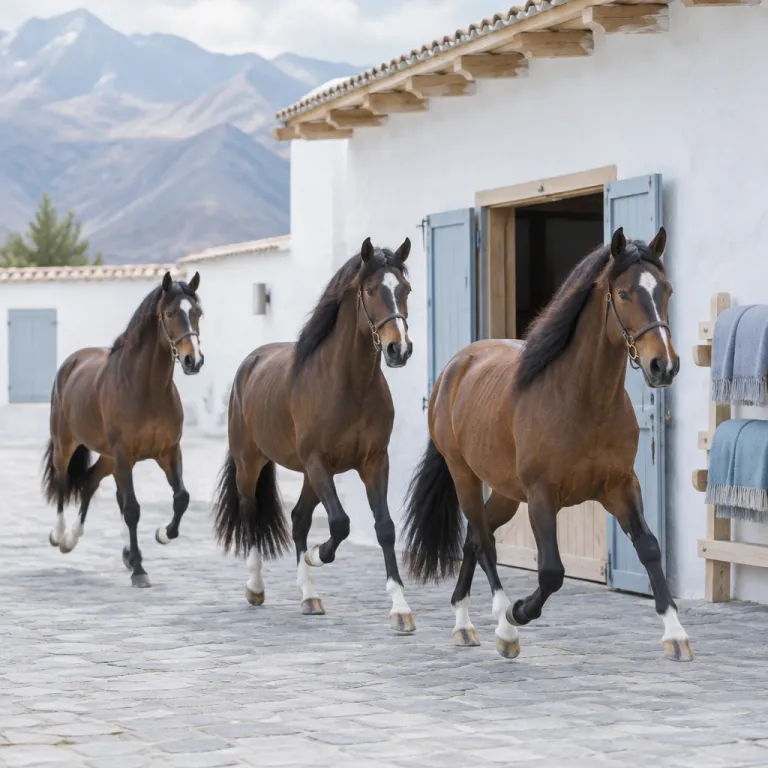
Why horseback riding in the Sacred Valley feels different
Horseback riding in the Sacred Valley of Peru is not just another trail activity. In this high Andean corridor between Cusco and Machu Picchu, the rhythm of the Peruvian Paso horse shapes the entire experience, turning a simple ride into a layered cultural journey. Families who usually move between hotel, train and minivan suddenly find that a few quiet hours in the saddle reveal more than a full day of sightseeing.
The main SEO keyword horseback riding sacred valley peru captures only part of the story, because what you feel here is the unique four beat gait of the local breed and the way it carries you past Inca terraces, adobe villages and the silver thread of the Vilcanota River. Unlike many riding tour options elsewhere in South America, the best operations in this valley work closely with rural communities and treat their Paso horses as partners rather than props. That combination of landscape, culture and horse welfare is what makes horse riding here stand apart for discerning travelers.
From a luxury accommodation hotel in Urubamba or near Pisac, you can arrange a private riding tour that starts gently on flat ground before climbing toward the salt pans of Maras or the high viewpoints above the Sacred Valley. Children and less confident riders usually begin with a short ride in the paddock to feel the paso llano, while experienced guests can plan several days riding between estancias with vehicle support for luggage. For families planning a longer journey through Peru, anchoring one or two days riding in the Sacred Valley creates a natural pause between Cusco Sacred sites and the intensity of Machu Picchu.
Understanding the Peruvian Paso and its famously smooth gait
The Peruvian Paso is often described as the world’s smoothest riding horse. What sets this horse apart is the four beat lateral gait, which keeps the rider almost level while the legs move in a rolling sequence that feels closer to gliding than trotting. On long routes in the Sacred Valley, that smoothness matters, because a full day in the saddle becomes surprisingly gentle even for first time riders.
When you plan horseback riding Sacred Valley Peru experiences through a luxury hotel, ask specifically whether the stables use true Peruvian Paso horses or mixed breeds. A pure Paso horse will show the signature paso llano, a ground covering gait that allows you to ride for several days riding without the jarring bounce of a trot, which is crucial for children and older travelers. Good operations in riding Peru settings will match each horse to the rider’s weight, confidence and previous experience, and they will be transparent about how often their horses work each week.
Families booking a premium accommodation hotel should also understand how the Paso temperament shapes the overall journey. These horses are typically forward but calm, which suits mixed ability groups where one parent may want a more energetic ride while another prefers a slow walking pace with a guide at the lead rope. Before you confirm by email, ask the hotel concierge or the riding tour operator to explain how they train their Paso horses, how they rotate them between routes like the salt pans and the valley floor, and how they coordinate with rural communities that care for some of the herd.
Luxury and premium hotel booking in Peru for adventure activities should always include this level of detail about the horses, not just glossy photos of riders against an Inca backdrop. That is the difference between a marketing promise and a genuinely responsible riding tour in the Sacred Valley. When a property can speak fluently about gait, pasture rotation and veterinary care, you know the experience will respect both the animals and the Andean landscape.
Choosing estancias and haciendas where horses shape the stay
Not every hotel in the Sacred Valley treats riding as a core part of the stay. Some properties simply outsource a short tour to a nearby operator, while others maintain their own stables, on site tack rooms and dedicated equestrian staff who live the Peruvian Paso culture daily. For families who care about authenticity, the second model usually delivers a far richer experience.
When you evaluate accommodation in this part of Peru, look for an estancia or hacienda where the stables sit within walking distance of your room and where the head guide can meet you before you book any horseback riding Sacred Valley Peru itinerary. A serious operation will offer different routes along the Vilcanota River, up toward the Maras salt pans, or across the valley floor toward small Inca sites that rarely appear on standard tour maps. They will also be honest about altitude, suggesting shorter rides on your first day in the valley so your body can adjust before tackling longer journeys.
The best properties integrate horses into the rhythm of the place rather than treating them as a photo opportunity between spa appointments. You might wake to the sound of Paso horses being led out to pasture, then plan a morning ride followed by a long lunch and an afternoon by the pool while the children help groom their favorite horse. If your broader journey includes a train ride to Machu Picchu, you can balance that with a slower day on horseback, and you can read a detailed perspective on rail value in the Sacred Valley context in this analysis of whether the Hiram Bingham train is worth the markup.
In a few historic properties, the main house may even incorporate elements of a former century monastery or colonial chapel, adding another layer of narrative to your stay. While specific names and tariffs change, the principle remains constant; choose an accommodation hotel where the management can talk as confidently about saddle fit and riding safety as they can about wine lists and spa menus. That balance is what defines a true equestrian led luxury experience in the Sacred Valley of Peru.
Designing family friendly rides and mixed ability itineraries
Families considering horseback riding Sacred Valley Peru options often worry about whether children and less experienced riders will cope. The good news is that the Peruvian Paso’s smooth gait and calm temperament make it one of the most forgiving horses for beginners, especially on valley floor routes with minimal steep sections. A thoughtful riding tour operator will design the day around your group rather than forcing you into a rigid timetable.
For younger children, many estancias offer short lead rein sessions in a safe paddock before venturing onto quiet tracks near the Vilcanota River, where the terrain is flat and the views of the Sacred Valley are wide open. Teenagers and confident adults can then extend the ride toward viewpoints over the salt pans or small Inca terraces, while a support vehicle shadows the route in case anyone prefers to finish the journey on four wheels. Mixed ability groups might split for part of the day, with one parent joining a longer ride while the other stays closer to the hotel for a gentler loop.
When you book through a premium accommodation hotel, ask specific questions about helmets, weight limits and guide to guest ratios, because these details reveal how seriously the operation treats safety. A responsible provider in Peru will insist on helmets for all ages, cap group sizes and brief riders clearly before leaving the yard, especially on routes that pass near rural communities or cross irrigation channels. If you are planning several days riding, confirm how they structure rest days, whether they can arrange non riding activities like market visits or weaving workshops, and how they handle logistics for onward travel to Cusco Sacred sites or Machu Picchu.
Balancing saddle time with cultural immersion is where the Sacred Valley excels for families. You might spend one day on a gentle horse riding loop, another exploring local markets and a third on the train toward Picchu country, always returning to the calm of your hotel in the evening. For culinary contrast, consider pairing your highland estancia stay with a night in Lima at a property that takes Nikkei cuisine seriously; this guide to Japanese Peruvian hotel dining shows how coastal hotels can extend the narrative that began with your Andean rides.
Reading the landscape: routes, welfare and responsible booking
Every horseback riding Sacred Valley Peru itinerary is ultimately a way of reading the landscape at a slower pace. Short rides along the valley floor trace the Vilcanota River as it winds past maize fields, adobe hamlets and distant Inca terraces, while longer routes climb toward the salt pans and high plateaus with sweeping view lines. The best guides interpret not only the scenery but also the relationship between rural communities, water channels and ancient footpaths.
Responsible travelers should look beyond the brochure when choosing a riding Peru operation, because horse welfare and community impact matter as much as scenery. Before you confirm anything by email, ask how many Paso horses the operator keeps, how many days riding each horse works per week and how they rotate animals on demanding routes like those above the Maras pans. A serious provider will welcome these questions and explain their approach to feed, veterinary care and rest, rather than deflecting with vague reassurances.
Safety is another non negotiable, especially when rides pass near steep terraces or cross irrigation channels that date back to Inca engineering. Check whether the guides carry radios or phones, whether they brief riders on how to sit the gait and whether they adjust routes in bad weather, because Andean conditions can change quickly even on a clear day. If your accommodation hotel cannot answer these questions directly, ask them to connect you with the head guide so you can assess the operation yourself.
Finally, think about how your riding tour fits into the wider journey through Peru and South America. A few carefully chosen rides in the Sacred Valley, framed by thoughtful stays in Cusco Sacred properties and perhaps a coastal hotel in Lima, will tell a richer story than a frantic checklist of Picchu viewpoints and rushed excursions. Treat the Peruvian Paso not as a novelty but as a lens on the landscape, and let the pace of the horse set the rhythm of your travel days.
Pairing estancias, cuisine and onward journeys across Peru
Once you have committed to horseback riding Sacred Valley Peru experiences, the next step is to weave them into a broader itinerary that feels coherent. Many travelers pair a few nights at a riding focused estancia with time in Cusco, then continue toward Machu Picchu by train, balancing saddle days with rail journeys and walking tours. This mix allows you to experience the Sacred Valley from multiple angles while keeping the pace comfortable for children and older relatives.
When choosing each hotel, consider how its location and partnerships support your preferred style of riding tour. A property near Urubamba might specialize in gentle valley floor rides and visits to nearby rural communities, while another closer to Maras could focus on routes that climb toward the salt pans and high lookouts. If you are interested in history, ask whether any part of the main house incorporates elements of a former century monastery or colonial estate, because these details can add depth to evenings after a long ride.
Cuisine is the final thread that ties the journey together, especially for families who see travel as a way to expand children’s palates. In the Sacred Valley, many accommodation hotel kitchens now work with local producers to serve Peruvian dishes that reflect both Andean and coastal influences, echoing the Japanese Peruvian combinations you might sample later in Lima. Planning your days riding around long lunches rather than rushed snacks will keep energy levels steady and allow the horses to rest properly between routes.
Across Peru and the wider South America region, the Peruvian Paso remains a symbol of measured, elegant movement. Let that ethos guide your choices as you move from Sacred Valley estancias to Cusco Sacred streets and finally to the terraces of Machu Picchu, always leaving space for one more quiet ride along the Vilcanota River. When horses set the rhythm of the day, the entire journey feels less like a checklist and more like a conversation with the landscape.
FAQ
Is horseback riding in the Sacred Valley suitable for beginners and children ?
Yes, many Sacred Valley operations design horseback riding for beginners and families, using calm Peruvian Paso horses and starting on flat valley floor routes. Children often begin with short paddock sessions before heading onto quiet tracks near the Vilcanota River. Always confirm age limits, helmet policies and guide to rider ratios with your hotel or tour operator before booking.
How many days should I plan for riding in the Sacred Valley ?
Most travelers find that one or two days riding fits well into a broader Sacred Valley itinerary that also includes market visits and archaeological sites. Experienced riders sometimes plan several days riding with varied routes toward the salt pans, small Inca sites and rural communities. Building in at least one non riding day helps with altitude adjustment and keeps the experience enjoyable for the whole family.
What should I look for in a responsible riding operation or hotel partner ?
Focus on horse welfare, safety standards and community relationships when assessing any riding Peru provider. Ask how often each horse works, what kind of gait training they use, whether helmets are mandatory and how they collaborate with local communities along the routes. A serious accommodation hotel or estancia will answer these questions clearly and welcome detailed inquiries by email before you arrive.
Can I combine riding in the Sacred Valley with a visit to Machu Picchu ?
Yes, many travelers base themselves in a Sacred Valley hotel for riding days, then travel by train to Machu Picchu for one or two nights. This pattern allows you to enjoy quiet mornings on horseback before shifting to rail journeys and guided walks around the citadel. Planning transfers carefully with your accommodation hotel ensures smooth connections between valley rides and Picchu visits.
What should I pack for a horseback riding day in the Sacred Valley ?
Bring long trousers, closed shoes with a small heel, layered clothing for changing mountain weather and high SPF sunscreen. A light rain jacket, reusable water bottle and small daypack that can be secured to the saddle are also useful on longer rides. Most quality operators provide helmets, but confirming this with your hotel or riding tour company before travel is always wise.