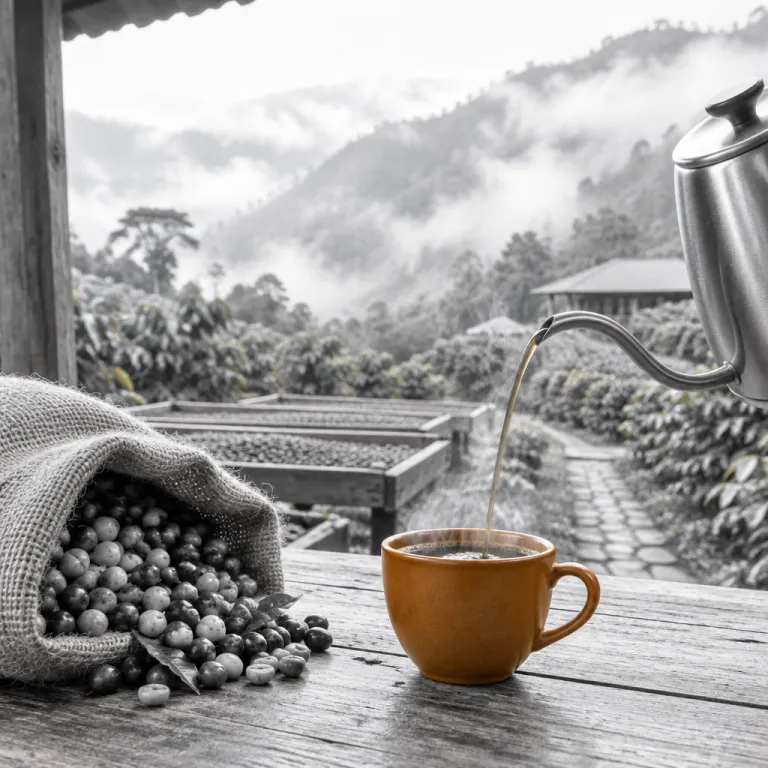
Why coffee estate stays in Peru feel different from Costa Rica
Coffee estate stays in Peru sit in a fascinating middle ground. The coffee is often as refined as anything you will taste in Costa Rica, yet the hospitality infrastructure still feels closer to a working farm than a polished resort. For couples used to a Costa Rican finca with infinity pools, a Peruvian coffee farm stay will feel more intimate, more agricultural and sometimes more basic.
Across Peru the best coffee grown for export comes from steep slopes where cloud forest meets valley, and the road to the farm can be as memorable as the first cup. You are not checking into a chain hotel with scripted smiles ; you are stepping into a family business where the same hands that sort coffee beans also cook your lunch. That creates a unique kind of luxury, one measured in access and authenticity rather than thread count.
Many travelers compare coffee estate stays in Peru with Costa Rican or Costa Rica style eco lodges, and the contrast is instructive. A Costa Rican finca might offer yoga decks and a curated tour every hour, while a Peruvian coffee farm will often prioritise the harvest over the timetable. If you value a slow day shaped by the rhythm of picking and roasting, this origin travel can feel like the best kind of upgrade.
Understanding the origin-to-cup experience
On most estates you will walk the rows where coffee beans ripen, learn how organic coffee is protected from pests and see how shade trees keep the soil alive. The farmer will explain how coffee cacao interplanting stabilises income, because cacao pods ripen on a different schedule from the coffee cherries. That mix of coffee and cacao trees also perfumes the air in a way no urban café can match.
Peru coffee producers increasingly focus on specialty coffee standards, chasing Cup of Excellence scores and international buyers. When you stay on a working coffee farm you witness how that ambition plays out in small details, from selective hand picking to careful drying on raised beds. Couples who care about what is in their cup will find this level of transparency quietly thrilling.
For now, think of coffee estate stays in Peru as origin lodgings rather than full service spa retreats. You will still want a refined stay in Cusco or the Sacred Valley before or after, especially if you are pairing the trip with Machu Picchu. That combination of rustic farm nights and a polished hotel stay Cusco side gives you both narrative and comfort.
Chanchamayo and Villa Rica: the central jungle’s working coffee heartlands
The first great axis for coffee estate stays in Peru runs through Chanchamayo and Villa Rica, in the central jungle east of Lima. Here the valley floors sit around 800 to 1,000 metres, while coffee grown on surrounding slopes climbs higher into the cloud forest. The landscape feels lush and lived in, with trucks hauling coffee beans and cacao side by side.
Chanchamayo Highland Coffee works with 16 producer associations and around 1,740 organic and fair trade certified farmers, and that scale underpins many of the farm visits you will book. When you arrange a tour with a local cooperative you are not just visiting one family ; you are stepping into a network that shapes how Peru coffee reaches the world. It is a powerful context for that first morning cup on the terrace.
Villa Rica, a few hours deeper into the region, offers a slightly quieter scene for coffee estate stays in Peru. Here a typical day on a coffee farm might start with a walk through plots where coffee cacao trees share the same slope, followed by a hands on lesson in honey and natural processing. You will see how the mucilage is left on the beans, how drying patios are managed and why weather can make or break a harvest.
What a central jungle estate day really looks like
Expect early starts, because the farm will always move with the sun. After breakfast you might join a short tour of the beneficio, the processing area where coffee beans are pulped, fermented and washed, then help rake parchment coffee on drying beds. Later in the day a comparative cupping session introduces you to washed, honey and natural lots, often including a small batch that once competed in Cup of Excellence.
Many estates here are still family homes first and guest lodgings second. Rooms can be simple, with cool tile floors, mosquito nets and perhaps a shared bathroom, so couples who value high comfort often pair one or two nights on the farm with a more polished hotel in La Merced or Oxapampa. For those who love night skies, consider extending your jungle loop with a stay at one of Peru’s lodges built for stargazing, as profiled in our guide to sleeping under the Southern Cross.
Do not expect Costa Rican style spa menus or a long list of boutique hotels in these towns yet. The real luxury here is time with growers, tasting organic coffee beside the trees that produced it and hearing how climate shifts are changing the valley. For couples who travel for connection rather than spectacle, that can be the best experience of the trip.
Quillabamba and Maranura: coffee and cacao within reach of Cusco and Machu Picchu
The second axis for coffee estate stays in Peru lies north of Cusco, where the road drops from Andean passes into the warm valley around Quillabamba and Maranura. This is where many travelers fold a coffee farm visit into a broader Sacred Valley and Machu Picchu itinerary. The contrast between highland stone and lowland green is dramatic.
From Cusco the drive to Quillabamba takes you past snow peaks, then down into a humid zone where coffee cacao plots cling to the hillsides. Many farms here are small family holdings, and a typical tour will include both coffee and cacao trees, fermentation tanks and a rustic drying shed. You taste fresh cacao pulp, then sip a cup of dense, chocolate toned Peru coffee roasted on site.
For couples, this region works beautifully as a two or three day detour from the classic circuit. You might base yourself in a comfortable hotel in Quillabamba town, then spend one day on a coffee farm in Maranura and another exploring waterfalls or riverside trails. That way you enjoy the sensory immersion of origin travel without sacrificing sleep quality.
Pairing estate stays with Sacred Valley and Machu Picchu hotels
Because most farm lodging here remains simple, the smartest strategy is to anchor your trip with premium properties in Cusco, the Sacred Valley and near Machu Picchu. Spend a few nights in a refined hotel where you can stay Cusco side and explore the city’s evolving dining scene, then drop into the jungle for a more elemental experience. Our feature on luxury stays near Peru’s most iconic ruins outlines strong bases near Ollantaytambo and Aguas Calientes.
Many couples now structure their route as a gentle arc : Lima to Cusco, then the Sacred Valley, Machu Picchu, a coffee farm stay near Quillabamba and finally back to Cusco for one last night. That rhythm keeps altitude changes manageable while weaving in both culture and agriculture. It also means your final cup on the farm carries the memory of Inca stonework and cloud forest birdsong.
When you book coffee estate stays in Peru around Cusco, pay attention to road conditions and transfer times. A farm that looks close on the map can still require several hours of winding valley roads, which will shape how much time you actually spend on site. For many travelers, one full day and night on the farm, framed by comfortable hotels, strikes the best balance.
From finca to cup: what couples actually do on a coffee farm day
So what does a full day on a Peruvian coffee farm really involve for a couple ? You wake early to mist over the valley, share a simple breakfast with the family and then head straight into the plots. The air smells of wet earth, coffee blossoms and sometimes citrus.
During harvest season you may help pick ripe cherries, learning how a skilled picker will select only the deep red fruit and leave the rest for another pass. Outside harvest, the focus shifts to processing, and you might watch as cherries are pulped, fermented and washed, then help spread coffee beans on raised beds for drying. Many farms also grow cacao, so you see how coffee cacao systems share shade trees and labour.
Later in the day comes the part most couples remember : roasting and cupping. Over a small gas roaster or even a traditional pan, you help roast a batch of Peru coffee, listening for first crack and learning how roast profiles change flavour. Then you sit down for a guided tasting, comparing washed, honey and natural lots, sometimes including a micro lot that once entered Cup of Excellence.
How this differs from a standard tour near Cusco
Compared with a quick tour Cusco side, where you might only see a demonstration plot, a full estate stay slows everything down. You have time to ask why organic coffee is harder to grow, how pests are managed without chemicals and what price the family actually receives for a kilo of green beans. Those conversations turn an abstract supply chain into faces and names.
Many couples pair their farm days with serious eating in Cusco and the Sacred Valley, using our guide to Cusco’s hotels with standout Andean dining to choose where to stay. That way the coffee estate stays in Peru become one chapter in a broader sensory itinerary that also includes pisco, trout and high altitude potatoes. It is a civilised way to balance field boots with white tablecloths.
Do not expect spa robes or long amenity lists on the farm itself. The luxury here is narrative depth, the feeling that every cup you drink afterwards carries the memory of a specific slope, a specific family and a specific day. For many seasoned travelers, that is worth more than another infinity pool.
Choosing where to sleep: honest comfort levels from farmhouses to premium bases
When you plan coffee estate stays in Peru, the key decision is how many nights to spend on the farm versus in higher comfort hotels. Most coffee farm lodging remains simple, often with basic private rooms, intermittent hot water and limited Wi Fi. That is part of the charm, but it matters to set expectations clearly.
Think of the farm stay as an immersive one or two night chapter, then build the rest of your itinerary around polished properties in Cusco, the Sacred Valley and Lima. In Cusco you will find a range of premium hotels that pair well with origin travel, from restored mansions to contemporary stays with strong heating and serious bedding. In the Sacred Valley, riverside lodges offer space, spa treatments and easy access to both ruins and trailheads.
For couples who want romance, choose a hotel with good lighting, generous bathrooms and a quiet bar where you can linger over a final cup. Then let the farm provide the contrast : roosters at dawn, the sound of beans being raked on patios and the sight of clouds lifting off the valley. That juxtaposition is where coffee estate stays in Peru really shine.
How to read between the lines when booking
When you see terms like finca, hacienda or family farm in Peru, assume the emphasis is on agriculture rather than full service hospitality. Ask direct questions about bed sizes, bathroom configuration and whether linens are provided, and clarify if meals are shared with the family or served separately. If you are sensitive to heat or insects, request photos of rooms and windows before you commit.
Because the sector is still emerging, you will not yet find a long roster of high end boutique hotels embedded directly within coffee estates. Instead, treat the farm as a day and night of deep origin immersion, then return to your chosen base with better water pressure and a broader wine list. Over time, as specialty coffee and Cup of Excellence culture continue to grow, more hybrid properties may appear.
For now, couples who approach coffee estate stays in Peru with curiosity rather than a spa checklist are the ones who leave happiest. You are trading turndown service for stories, and polished lobbies for the chance to stand in the exact row where your morning cup began. If that sounds like your kind of luxury, the cloud forest is waiting.
FAQ
Are coffee estate stays in Peru suitable for first time visitors to the country ?
Yes, coffee estate stays in Peru can work for first time visitors, provided you also include time in Cusco, the Sacred Valley and Lima for context and comfort. Many couples start with classic highlights such as Machu Picchu, then add one or two farm nights as a deeper experience. This balance keeps logistics manageable while still offering a unique look at rural life.
How many nights should couples spend on a coffee farm during their trip ?
For most couples, one or two nights on a coffee farm is ideal. A single night allows you to see both evening and morning routines, while two nights give you a full day to participate in harvesting, processing and cupping. Longer stays are possible but usually better suited to travelers with a strong interest in agriculture or coffee sourcing.
Can I combine a coffee estate stay with a visit to Machu Picchu and the Sacred Valley ?
Combining coffee estate stays in Peru with Machu Picchu and the Sacred Valley works very well. Regions near Quillabamba and Maranura can be reached by road from Cusco, making it feasible to add a farm visit before or after your time at the ruins. Planning transfers carefully ensures you spend more time on the farm and less time in transit.
What level of comfort should I expect on a Peruvian coffee farm ?
Most Peruvian coffee farms that host guests offer simple, clean rooms with basic facilities rather than luxury amenities. You can expect private or semi private bathrooms, straightforward meals and limited connectivity, but usually warm hospitality from the host family. For higher comfort, pair the farm stay with premium hotels in nearby towns or cities.
Do I need Spanish to enjoy a coffee estate stay in Peru ?
Spanish is helpful but not essential, as many farms work with local guides who can translate during tours and cupping sessions. Learning a few key phrases will deepen your connection with the host family and workers. If language is a concern, book through an operator or hotel that can arrange bilingual support.
Sources
Specialty Coffee Association, Marvelous Peru, Tours Cusco Machu Picchu.