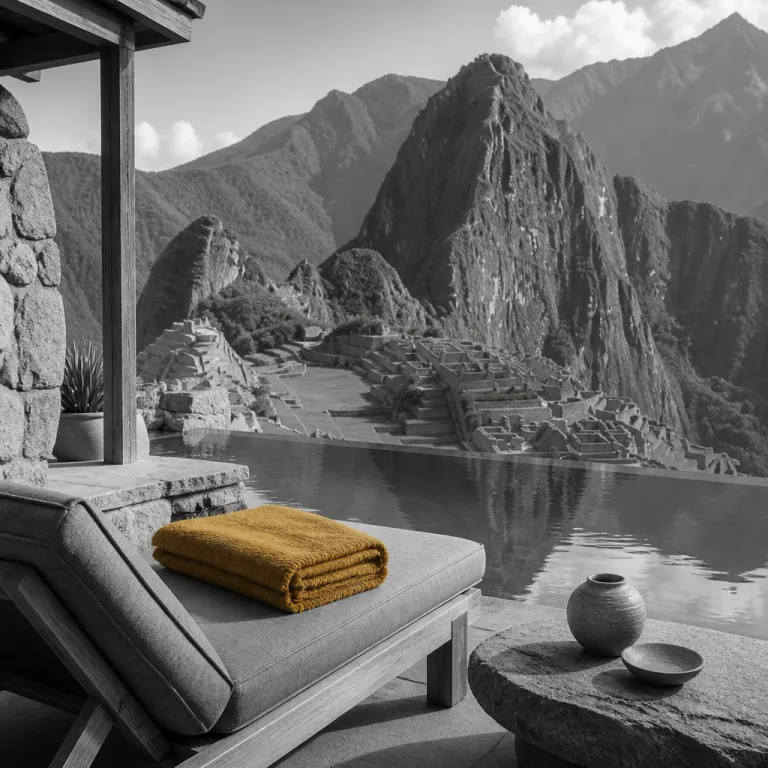
Ruins in Peru for luxury travelers seeking extraordinary stays
Ruins in Peru attract travelers who want both heritage and high comfort. Luxury hotels now frame views of ancient terraces and every archaeological site with refined service, so you can explore Inca ruins by day and return to plush suites at night. This balance between Peru’s ancient culture and contemporary elegance defines the best places to stay near the most celebrated ancient ruins in South America.
Across Peru, the Inca civilization, the Chimú civilization, and the Chachapoyas culture shaped many of the ancient ruins that fascinate visitors today. Their stone masonry, terracing, and urban planning created each Inca city and Sacred Valley landscape that modern travelers admire from their hotel balcony or spa pool. When you plan your travel, choosing a premium property close to key archaeological sites such as Machu Picchu or Huaca Pucllana lets you experience these ancient Inca worlds with minimal transfers and maximum comfort.
Caral, dating back to around 3000 BC, is often cited as the oldest ruin in Peru. This single fact underlines how deep Peru’s ancient history runs beneath the modern Inca Trail itineraries and luxury rail journeys. When you select a high-end hotel near these ancient ruins, you are not just booking a room; you are positioning yourself inside a living narrative of the Inca Empire and earlier cultures.
Cusco and the Sacred Valley of the Incas in style
Cusco is the natural base for exploring many of the most iconic ruins in Peru. The former capital of the Inca Empire now offers a sophisticated range of luxury and premium hotels, so you can sleep in restored mansions while being minutes from major archaeological sites. Staying in Cusco, Peru also makes it easy to organize a day tour to the Sacred Valley, where ancient citadels and terraced hillsides unfold along the Urubamba River.
Within Cusco’s Inca walls and colonial plazas, high-end properties often integrate original stonework that once formed part of Inca structures, giving guests a direct connection to ancient engineering. From these hotels, you can walk to the Qorikancha temple, use your tourist ticket to access nearby sites such as Sacsayhuamán, and still return in time for a gourmet tasting menu. One Lima-based guide describes the experience as “stepping from a 500-year-old alley straight into a contemporary dining room,” a contrast that many travelers deepen by pairing their stay with curated experiences in Peru’s capital.
The Sacred Valley itself hosts some of the best places for immersive luxury near Inca ruins, especially around towns such as Urubamba and Ollantaytambo. Here, premium lodges sit beside agricultural terraces that still echo ancient designs, and every archaeological site feels close enough for a relaxed visit rather than a rushed excursion. Many travelers choose multi-day stays in the Sacred Valley so they can explore several archaeological sites with the same tourist ticket while enjoying spa rituals and river views between outings.
Machu Picchu, Huayna Picchu and high end stays around Aguas Calientes
Machu Picchu is the headline name among ruins in Peru, and luxury travelers increasingly seek refined ways to experience this mountaintop citadel. Whether you arrive by the Inca Trail or by train from Cusco, Peru, staying in a premium hotel near the site transforms a simple visit into a multi-day journey. Properties in Aguas Calientes and on the approach to Machu Picchu offer early access logistics, private guides, and terraces with a view of the surrounding valley.
Many guests plan one day focused on the main archaeological complex of Machu Picchu and a second day dedicated to climbing Huayna Picchu or exploring less crowded sectors. This slower rhythm allows you to appreciate the Inca stonework, the agricultural terraces, and the intricate urban planning that made this archaeological site a masterpiece of the Inca Empire. For travelers comparing destinations, curated hotel collections that map out where to stay for the most spectacular views in Peru can help you choose between a valley lodge, a city retreat, or a property right by the ruins.
Some visitors combine Machu Picchu with other ancient ruins Peru offers, such as Choquequirao or lesser known Inca sites in the Sacred Valley, using Cusco as a hub. In every case, booking early is essential, because both the tourist ticket system and premium room categories near these archaeological sites can sell out quickly in the dry season. As of 2024, entrance slots and guided circuits at Machu Picchu are regulated by the Ministry of Culture, and current on-site practice means most visitors join a guided circuit even though a guide is not explicitly required by national law.
Choquequirao, the Inca Trail alternatives and remote luxury
Choquequirao is often described as a sister city to Machu Picchu, and it appeals to travelers who want remote ruins in Peru with far fewer crowds. Reaching this ancient Inca site requires a demanding multi-day trek, so most visitors sleep in simple camps rather than luxury hotels. However, high-end travel planners now design itineraries that pair a challenging Choquequirao hike with premium stays in Cusco or the Sacred Valley before and after the expedition.
If you are considering alternatives to the classic Inca Trail, Choquequirao offers one of the best places to experience Inca ruins in near solitude. Detailed route guides, including those explaining where to sleep on Peru’s undiscovered Inca Trail, help you understand how to balance rustic nights on the trail with indulgent nights in the city. This combination lets you appreciate both the raw atmosphere of ancient ruins and the refined comforts of Peru’s top hotels.
Many luxury travelers choose to trek only part of the Inca Trail or the Choquequirao route, then return to a spa hotel in Cusco, Peru for recovery. From there, they can use a tourist ticket to explore additional archaeological sites around the city on relaxed day tours. At Machu Picchu, official regulations currently require visitors to follow designated circuits and, in practice, most travelers use licensed guides for deeper insight and smoother navigation.
Lima, Huaca Pucllana and coastal gateways to Peru ancient history
Lima is more than a transit point; it is a coastal city where pre-Columbian ruins intersect with world-class gastronomy and sophisticated hotels. In upscale districts such as Miraflores and San Isidro, premium properties offer ocean views while placing you within easy reach of Huaca Pucllana. This adobe pyramid is a major archaeological site that reveals layers of Peru’s ancient cultures predating the Inca Empire.
Staying in a luxury hotel near Huaca Pucllana allows you to visit the site by day and enjoy fine dining nearby at night, sometimes with direct views of the illuminated ruins. Many travelers schedule a full day in Lima at the start or end of their travel to Peru, using the city as a soft landing before heading to high-altitude destinations such as Cusco’s Inca heartlands. Acclimate to high altitudes, hire local guides, and respect site regulations to protect fragile structures.
From Lima, you can connect to other coastal and northern archaeological sites that complement the better known Inca ruins of the highlands. The adobe city of Chan Chan near Trujillo, for example, extends over roughly 20 square kilometres and showcases the engineering of the Chimú civilization. Pairing these coastal archaeological sites with highland ancient ruins gives a fuller picture of how different cultures across South America shaped the landscapes you see from your hotel window.
Planning luxury stays around archaeological sites and practical tips
Thoughtful planning is essential when you want to pair ruins in Peru with luxury accommodation. Start by mapping the archaeological sites that matter most to you, such as Machu Picchu, Choquequirao, Huaca Pucllana, or lesser known ancient ruins in the Sacred Valley. Then match each site with nearby premium hotels that minimize transfer times and maximize your view of the surrounding valley or city.
Altitude is a key factor in Cusco, Peru and many Inca ruins, so schedule at least one easy day in the Sacred Valley before tackling demanding hikes or the Inca Trail. High-end properties often provide oxygen-enriched rooms, herbal infusions, and light menus to help guests acclimate, which can make your visit to each archaeological site more comfortable. When you buy a tourist ticket in Cusco, check which archaeological sites are included so you can plan efficient day tours from your chosen hotel.
Transport logistics also shape how you experience ruins Peru-wide, from the coastal city of Lima to highland hubs. Private transfers, premium train services, and small group tour options allow you to move between ancient Inca sites without sacrificing comfort or flexibility. Increased tourism, conservation efforts, and ongoing archaeological discoveries continue to reshape access, so working with local experts ensures your travel plans respect both heritage and the environment.
Key statistics about ruins in Peru and high end travel
- Machu Picchu received around 1,585,000 visitors in 2019, according to the Peruvian Ministry of Culture (reported 2023), which makes advance booking of both entrance slots and nearby luxury hotels essential during the dry season.
- The adobe city of Chan Chan covers approximately 20 square kilometres, based on UNESCO World Heritage data (accessed 2024), offering a vast archaeological site that contrasts with the more compact Inca city of Machu Picchu.
- Caral, often cited as the oldest ruin in Peru at around 3000 BC, predates the Inca Empire by many centuries and highlights how Peru’s ancient history extends far beyond the famous Inca Trail itineraries.
- Key archaeological sites such as Machu Picchu, Sacsayhuamán, and Pisac are managed through regulated entrance systems and tourist ticket schemes, which help balance increased tourism with conservation needs.
- Partnerships between local communities and archaeologists have led to expanded conservation projects at several archaeological sites, improving visitor infrastructure while preserving stone masonry, terraces, and urban planning features.
Frequently asked questions about luxury stays near ruins in Peru
What is the oldest ruin in Peru?
The oldest widely recognized ruin in Peru is Caral, a large archaeological site in the Supe Valley that dates back to around 3000 BC. This complex predates the Inca Empire and shows advanced urban planning, making it a key reference point for understanding Peru’s ancient civilizations. Visiting Caral usually involves a separate trip from Lima, often combined with coastal stays rather than with Cusco-based itineraries.
Is Machu Picchu accessible all year for luxury travelers?
Machu Picchu is open throughout the year, and luxury travelers can access it in every season using trains or the Inca Trail. The dry months are generally considered the best time to visit, because trails and terraces are less slippery and views of the valley are clearer. As of 2024, visitor numbers, time slots, and circuit routes are controlled by the Ministry of Culture, and high-end hotels in Cusco, the Sacred Valley, and Aguas Calientes adjust services to these seasonal and regulatory patterns.
Are guides required at major archaeological sites in Peru?
Guides are not legally mandatory at most ruins in Peru, including Machu Picchu, but they are strongly recommended and, for some circuits, effectively required by on-site regulations. A qualified guide can interpret ancient Inca architecture, explain the role of each Inca city within the wider Inca Empire, and help you navigate tourist ticket rules. Many luxury hotels work with vetted guides and can arrange private tours tailored to your interests and pace.
How does the tourist ticket work in Cusco and the Sacred Valley?
The tourist ticket in Cusco is a pass that grants access to a selection of archaeological sites and museums in the city and the Sacred Valley. There are different versions, some valid for several days and others focused on specific areas, so travelers should choose according to their planned day tours. Buying the appropriate tourist ticket allows you to visit multiple Inca ruins efficiently while basing yourself in a single luxury hotel.
What should luxury travelers know about altitude and comfort?
Many key archaeological sites, including Cusco, Peru and the Sacred Valley, sit at high altitudes that can affect visitors. Luxury hotels often provide oxygen, medical support, and gentle acclimatization programs, but travelers should still plan an easy first day and stay hydrated. Choosing to sleep lower in the valley rather than in the highest parts of Cusco’s Inca areas can also improve comfort while keeping you close to major ruins.
Sources: Peruvian Ministry of Culture (visitor statistics and regulations, consulted 2023–2024); UNESCO World Heritage Centre (site data for Chan Chan and Caral); PromPerú (national tourism information).