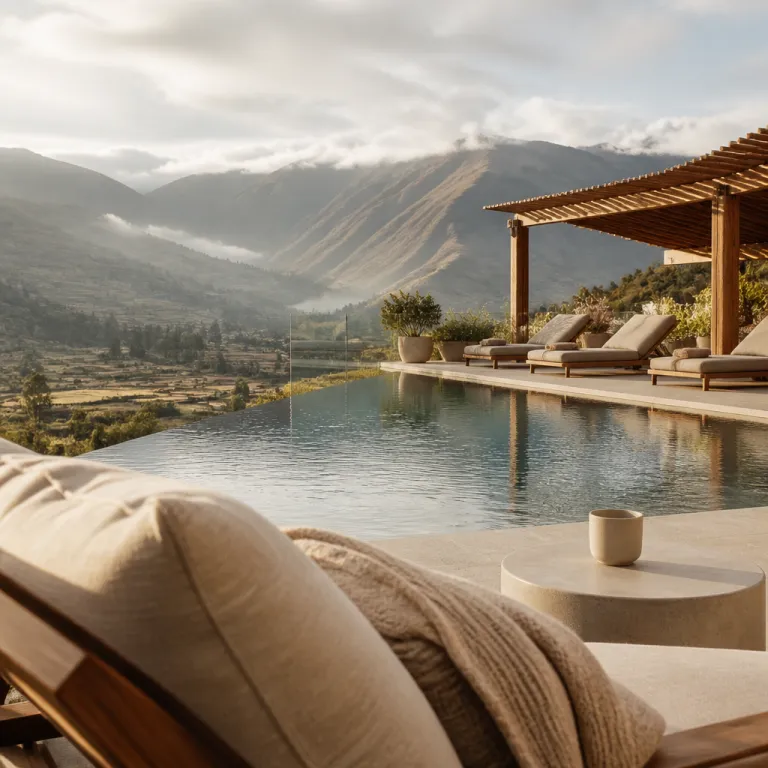
Peru landscape essentials for luxury travelers
Peru offers one of the most varied landscapes in South America, and luxury travelers can use this diversity to shape a stay that feels both refined and deeply authentic. From the Pacific coast around Lima to the high ridges of the Andes and the dense Amazon rainforest, each region of the country presents a distinct mood and style of premium accommodation. Understanding how these contrasting settings influence hotel design, service, and logistics is the first step toward choosing the right property for your trip.
The Peruvian Government and SERNANP manage an expanding network of protected areas, which means many high end lodges sit on the edge of pristine nature rather than in crowded hubs. This careful stewardship preserves the landscapes that guests come to see, whether that is a misty mountain above Cusco or a quiet river bend in the Amazon river basin. As the Peruvian Tourism Board notes in its own guidance, "Peru is divided into three main regions: the coastal desert (La Costa), the Andes mountains (La Sierra), and the Amazon rainforest (La Selva)."
For travelers, this three part structure translates into three broad styles of stay, each with its own scenery and hotel profiles. On the coast, Lima offers urban luxury towers with rooftop pools and panoramic ocean photos that capture the city’s dramatic cliffs. In the southern highlands, mountain lodges near Cusco and the Sacred Valley frame every window with snow capped peaks, while in the Amazon rainforest region you sleep in open air suites listening to the forest at night.
How altitude shapes high-end stays
Altitude is a defining factor in the Andes, and it shapes everything from room design to wellness menus. Many premium hotels in Cusco and the Sacred Valley offer oxygen enriched rooms, herbal teas, and slow paced arrival programs to help guests adjust to the high mountain environment. Before booking, review specialized resources such as the Cusco altitude focused hotel index to see which properties take acclimatization seriously.
Because Peru’s total area exceeds 1 285 000 km², distances between key regions can be significant, and this affects how you combine landscapes in a single itinerary. A well planned luxury trip might start with a few nights in Lima, continue to the Sacred Valley and Machu Picchu area, then finish with a secluded lodge in the Amazon rainforest. Each segment reveals a different landscape, from coastal desert to high Andes to lush river lowlands, and the right hotel choices will frame those transitions with comfort rather than fatigue.
Amazon rainforest retreats: luxury along the Amazon river
The Amazon rainforest in Peru covers around sixty percent of the national territory, and it offers some of the most immersive yet comfortable lodges in South America. Luxury properties near the Amazon river and its tributaries are designed to place guests inside the forest while still providing high thread count linens, refined cuisine, and expert guiding. When you choose carefully, your suite becomes a quiet observatory over a living landscape of water, trees, and wildlife.
In the southern jungle near Puerto Maldonado, high end eco lodges balance natural immersion with discreet comfort. Many suites open directly toward the river, giving you an almost aerial view over the canopy and the winding waterway at sunrise. Elevated walkways, screened terraces, and ceiling fans are standard, while some premium properties now add plunge pools and spa cabins that face the forest.
Example lodges and guest impressions
One of the most respected addresses in this region is Posada Amazonas, a refined rainforest retreat in the Peruvian Amazon. This lodge, profiled in detail in an in depth review of Posada Amazonas, shows how community partnerships and conservation can coexist with premium hospitality. Guests sleep in open sided rooms that frame the surrounding landscape, join guided walks in a nearby national park buffer zone, and return to tasting menus that highlight Amazon ingredients. One recent visitor described waking before dawn to “watch macaws rise out of the mist from my bed, coffee in hand, without a single engine noise in the background.”
When evaluating Amazon rainforest hotels, look closely at how they manage access to wildlife and protected areas. Properties that work with SERNANP and local communities typically offer smaller group excursions by river canoe, canopy tower, or forest trail, which leads to better wildlife viewing and less impact on the surrounding ecosystems. Ask whether the lodge supports conservation programs, uses environmental impact assessments, and limits group sizes on the Amazon river to protect sensitive zones.
Comfort in the jungle also depends on practical details that luxury travelers should not overlook. Suites should have high quality mosquito netting, strong ceiling fans or efficient ventilation, and easy access to filtered water, since humidity and heat can be intense in this region. Follow basic advice such as using insect repellent, staying hydrated, and packing light breathable fabrics, and you will be able to enjoy the full drama of the rainforest landscape from your terrace rather than from behind closed curtains.
Urban elegance in Lima Peru and coastal landscapes
Lima Peru is the natural gateway to the country, and it offers a very different landscape from the highlands and jungle. Here the Pacific Ocean meets a band of coastal desert, and the city’s most luxurious hotels rise along cliffs that drop sharply to the sea. For travelers who appreciate design, gastronomy, and culture, a few nights in Lima’s premium properties provide a sophisticated counterpoint to the rugged Andean interior.
Most high end hotels cluster in Miraflores, Barranco, and San Isidro, districts that combine ocean views, leafy parks, and easy access to Lima’s celebrated restaurants. Many suites offer floor to ceiling windows with an aerial view of the Costa Verde highway, the beaches below, and the long curve of the coastline to the south. At sunset, the sky often glows over the water, creating some of the most memorable urban landscapes in South America.
Coastal hotel examples and experiences
In Miraflores, properties such as Belmond Miraflores Park and JW Marriott Hotel Lima are known for clifftop locations, rooftop pools, and suites that look directly onto the Pacific. A guest at Belmond Miraflores Park recalled watching paragliders drift past the window during room service breakfast, “as if the city had turned into a moving postcard.” In Barranco, smaller design focused hotels trade height for character, placing you closer to galleries, cafes, and the district’s bohemian streets.
Travelers planning a short stay can use a curated guide such as this overview of elegant ways to experience Lima’s top attractions to match hotels with key sights. Properties near the clifftop parks are ideal if you want to walk along the malecón and capture photos of paragliders floating above the ocean and the desert landscape beyond. Those who prioritize museums and business meetings might prefer San Isidro, where tree lined avenues and embassies create a quieter, more residential atmosphere.
Even in the capital, nature is never far away, and luxury hotels increasingly highlight this connection. Rooftop pools and terraces are oriented toward the ocean and the Andes in the distance, while spa menus incorporate local ingredients such as quinoa, coca leaves, and Amazon oils. Some properties organize day trips to nearby archaeological sites, where guests can see early Inca and pre Inca remains set against the stark coastal landscape.
Because Lima sits at sea level, it is also the best place to rest after a long flight before heading to higher elevations. Spending one or two nights in a premium coastal hotel allows your body to adjust gradually before you fly to Cusco or drive into the Sacred Valley. This simple step, combined with careful hotel selection at altitude, can make the difference between a rushed itinerary and a relaxed journey through the most striking landscape combinations.
Andes mountains and the Sacred Valley: high altitude luxury
The Andes form the spine of Peru, and they host some of the country’s most iconic sites, including Machu Picchu and the Sacred Valley. Luxury hotels in this region use stone, wood, and glass to frame the surrounding mountains, creating a constant dialogue between interior comfort and exterior drama. For many travelers, waking up to a snow capped peak or a terraced Inca field is the defining image of a Peruvian journey.
Cusco itself sits at around 3 400 meters, and its premium hotels occupy restored colonial mansions and contemporary buildings with inner courtyards. Many properties offer oxygen enriched rooms, herbal infusions, and slow check in rituals to help guests adapt to the high altitude. Before choosing where to stay, review detailed resources such as the oxygen enriched suite index mentioned earlier, which compares how different Cusco hotels handle the challenges of the highlands.
Sacred Valley resorts and mountain views
Just outside the city, the Sacred Valley stretches along the Urubamba river, and it offers a softer, more rural landscape than Cusco. Here, luxury resorts sit amid cornfields and mountains, with suites that open onto gardens, riverside terraces, or wide lawns that face the peaks. Properties such as Tambo del Inka, a Luxury Collection Resort & Spa, and Inkaterra Hacienda Urubamba combine spa level comfort with direct access to train stations and trailheads. One couple staying at Tambo del Inka described soaking in the outdoor hot tub while “watching the last light slide off the terraces across the river, with no sound but the water and distant bells.”
From these valley hotels, guests can arrange private transfers to the train stations that serve Machu Picchu and Picchu Peru, or join guided hikes on sections of the Inca Trail. Many properties also offer curated excursions to local markets, weaving communities, and lesser known Inca sites, which reveal how culture and landscape intertwine in this part of the country. Even simple activities such as stargazing from a hot tub or watching the river flow past your suite can become highlights when framed by the surrounding mountains.
When evaluating high end hotels in the Andes, pay attention to how architecture responds to the setting. Properties that use low rise buildings, green roofs, and native vegetation tend to blend more harmoniously into the valley and protect nearby ecosystems. Ask about energy use, water treatment, and community partnerships, and you will often find that the most thoughtful luxury hotels are also those that offer the most authentic sense of place.
Machu Picchu, inca trail, and iconic mountain panoramas
No image of the Peruvian landscape is more famous than the classic view of Machu Picchu perched above a steep valley, with the sharp mountain of Huayna Picchu rising behind it. For luxury travelers, the question is how to experience this site and its surrounding scenery in comfort while respecting its cultural and natural significance. The answer lies in careful timing, strategic hotel choices, and a willingness to slow down.
Most visitors reach Machu Picchu by train from Cusco or the Sacred Valley, then transfer to buses that climb the mountain road to the citadel. High end hotels in Aguas Calientes and the nearby valley offer early breakfast services, private guides, and flexible check in times so guests can enter the site during quieter windows. Some properties also arrange special photography focused visits, helping guests capture photos of the ruins and the surrounding Andes without the harsh midday light.
Luxury bases for iconic viewpoints
Travelers who prefer more active experiences can combine luxury lodges with sections of the Inca Trail, choosing shorter one or two day hikes rather than the full multi day trek. These routes still provide sweeping aerial view moments over the river and valley below, as well as close contact with Inca terraces and cloud forest landscapes. Returning to a plush bed, hot shower, and refined dinner after a day on the trail is one of the great pleasures of high end travel in this region.
Beyond Machu Picchu itself, the wider area offers other striking mountain panoramas that pair well with premium hotels. Rainbow Mountain, for example, has become famous for its striped slopes, and some luxury operators now organize small group or private excursions with acclimatization built into the itinerary. When planning such high altitude outings, follow expert advice to acclimate gradually, stay hydrated, and listen to your body, especially in the highest parts of the Andes.
Because these iconic sites attract large numbers of visitors, choosing hotels and operators that prioritize sustainability is essential. Look for properties that coordinate with the Peruvian Government and local communities to manage visitor flows, support conservation, and protect fragile habitats around Machu Picchu and the Inca Trail. In the long term, this approach ensures that the landscapes you come to see remain intact for future travelers and for the people who call these mountains home.
Southern Peru: Colca Canyon, Arequipa, and highland national parks
The Peru south region offers a different expression of the Andes, with deep canyons, volcanic peaks, and elegant colonial cities. Arequipa Peru, framed by the volcanoes Misti, Chachani, and Pichu Pichu, is an ideal base for travelers who want both cultural depth and access to dramatic landscapes. Its historic center hosts refined hotels in restored mansions, many with rooftop terraces that look toward the surrounding mountains and the white stone facades of the city.
From Arequipa, most luxury itineraries continue to Colca Canyon, one of the deepest canyons in South America and a showcase for nature at its most rugged. High end lodges perch on the canyon rim or nestle along the river, offering thermal pools, spa treatments, and suites with wide windows facing the steep slopes. At dawn, guests often gather at viewpoints to watch Andean condors rise on the thermals, a spectacle that defines this particular landscape.
Highland lodges and changing light
Several national park and reserve areas in this region protect wetlands, high plateaus, and volcanic formations. Luxury travelers can arrange private excursions to these protected landscapes, combining wildlife viewing with picnics and photography sessions that capture both the vastness of the plateau and the detail of the flora. The contrast between the deep canyon, the high mountain passes, and the cultivated valley floors gives the Peru south region a layered character that rewards slow travel.
Because altitudes in Colca Canyon and nearby passes can be very high, hotel choice again plays a crucial role in comfort. Look for properties that provide oxygen support, flexible meal times, and staff trained to recognize altitude related symptoms, especially if you are arriving directly from sea level. Combining a few nights in Arequipa Peru with a gradual ascent into the canyon region allows your body to adapt while you enjoy the evolving landscapes.
Photographers in particular will appreciate how the light changes across this part of the Andes, from the soft glow on Arequipa’s white stone at sunset to the sharp contrasts inside Colca Canyon at midday. Many lodges offer guided walks timed for the best photos, as well as terraces where you can review your images while the river murmurs below. In this way, the Peru south region becomes not just a destination, but a living gallery of mountain scenery framed by thoughtful, comfortable hospitality.
Designing a luxury itinerary around the peru landscape
Planning a premium trip through Peru is ultimately an exercise in sequencing landscapes, from coastal desert to high mountain to dense rainforest. The most rewarding itineraries use each region as a chapter, with hotels chosen to reflect and frame the surrounding environment rather than isolate you from it. When done well, your journey becomes a continuous narrative of changing light, altitude, and texture across the country.
A classic two week route might begin with two nights in Lima Peru, followed by several days in the Sacred Valley and Cusco, a visit to Machu Picchu, and a final stay in the Amazon rainforest. This pattern allows you to move gradually from sea level to the highlands and back down to the lowlands, reducing the strain of sudden altitude changes. Along the way, each hotel becomes a lens on a different aspect of nature, from ocean cliffs to terraced fields to winding river channels.
Balancing movement, rest, and hotel choice
Travelers with more time can add the Peru south region, including Arequipa Peru and Colca Canyon, or extend their stay in the Amazon river basin to explore more remote national park areas. Those who prioritize photography might choose properties that offer rooftop terraces, private balconies, or helicopter friendly access for aerial view experiences over mountains and jungle landscapes. Whatever the focus, the key is to balance movement with rest, allowing at least two or three nights in each major stop so the landscapes can sink in.
When comparing luxury hotels, look beyond star ratings to examine how each property engages with its immediate surroundings. Does the design open toward the river, valley, or mountain, or does it turn inward? Are excursions led by qualified local guides who understand both the natural and cultural history of the region, especially in areas with strong Inca heritage? These questions often reveal more about the quality of your future stay than any single amenity list.
Finally, remember that Peru’s most valuable asset is the integrity of its landscapes, from the Andes to the Amazon rainforest and the coastal deserts. By choosing hotels that support conservation, respect local communities, and coordinate with agencies such as SERNANP, you help ensure that the scenery remains as striking for future travelers as it is for you. In return, you gain a journey where every window, terrace, and trail feels like a carefully framed scene in a country length gallery of mountains, rivers, and living culture.
Key figures that shape luxury travel across the peru landscape
- Peru covers approximately 1 285 216 km² of territory, a scale that makes internal flights and careful routing essential for travelers who want to combine Lima, the Andes, and the Amazon rainforest in a single high end itinerary (World Bank, 2023).
- Roughly 60 % of Peru’s land area is cloaked in Amazon rainforest, which explains why river based lodges and jungle retreats play such a central role in luxury nature travel across the country (World Wildlife Fund, 2022 estimate).
- The Andes stretch for about 7 000 km along the western edge of South America, and the segment within Peru includes Huascarán, the country’s highest peak at 6 768 meters, making altitude management a critical factor in hotel and route selection (Encyclopedia Britannica, 2023).
- Cusco and the Sacred Valley sit between roughly 2 800 and 3 400 meters above sea level, altitudes at which many travelers benefit from oxygen enriched rooms, slow acclimatization, and carefully paced excursions arranged by their hotels.
- Protected areas administered by the Peruvian Government and SERNANP now cover millions of hectares, and the ongoing expansion of these zones has encouraged the growth of eco focused luxury lodges that operate near or within national park buffer regions (SERNANP, 2023 data).
Frequently asked questions about luxury hotels and the peru landscape
What are the main geographical regions of Peru for luxury travelers ?
Peru is divided into three main regions: the coastal desert, the Andes mountains, and the Amazon rainforest, and each offers distinct styles of premium accommodation. Coastal cities such as Lima Peru focus on ocean view towers and urban elegance, while the highlands around Cusco and the Sacred Valley specialize in mountain lodges and heritage properties. In the Amazon river basin, high end eco lodges provide immersive stays in dense forest landscapes with guided excursions and river based transport.
How should I manage altitude when staying in Cusco and the Sacred Valley ?
Cusco sits at around 3 400 meters, so many travelers feel the effects of the high altitude during their first days. A practical strategy is to spend a night or two at sea level in Lima Peru, then continue directly to the slightly lower Sacred Valley before staying in Cusco itself. Choosing hotels that offer oxygen enriched rooms, slow paced check in, and staff trained in altitude awareness will make your transition into the highlands more comfortable.
Is Machu Picchu located in the Andes, and where should I stay nearby ?
Yes, Machu Picchu is located in the Andes of Peru, perched above a steep valley carved by the Urubamba river. Most luxury travelers base themselves in the Sacred Valley, in Cusco, or in high end hotels in Aguas Calientes to access the site by train and bus. These properties typically offer early breakfasts, private guiding, and flexible schedules so guests can visit the citadel during quieter hours and enjoy the surrounding mountain scenery in relative calm.
What are the main geographical regions of Peru ?
From a broader perspective, Peru is organized into the coastal desert known as La Costa, the highland Andes called La Sierra, and the Amazon rainforest region known as La Selva. Luxury hotels exist in all three, but the style of stay changes dramatically between an ocean facing suite in Lima Peru, a stone built lodge in the highlands, and a riverfront cabin in the Amazon river basin. Understanding these distinctions helps travelers design itineraries that balance culture, comfort, and exposure to nature.
What is the highest peak in Peru, and does it affect typical itineraries ?
Huascarán, at 6 768 meters, is the highest peak in Peru, and it rises within the Cordillera Blanca range of the Andes. While most luxury travelers do not venture to such extreme altitudes, the presence of these high mountains shapes weather patterns and road networks across the country. For standard itineraries that include Lima, Cusco, the Sacred Valley, and the Amazon rainforest, the main altitude considerations remain the high plateaus around Cusco and the passes en route to regions such as Colca Canyon.
Sources: World Bank (2023), World Wildlife Fund (2022), Encyclopedia Britannica (2023), SERNANP (2023)