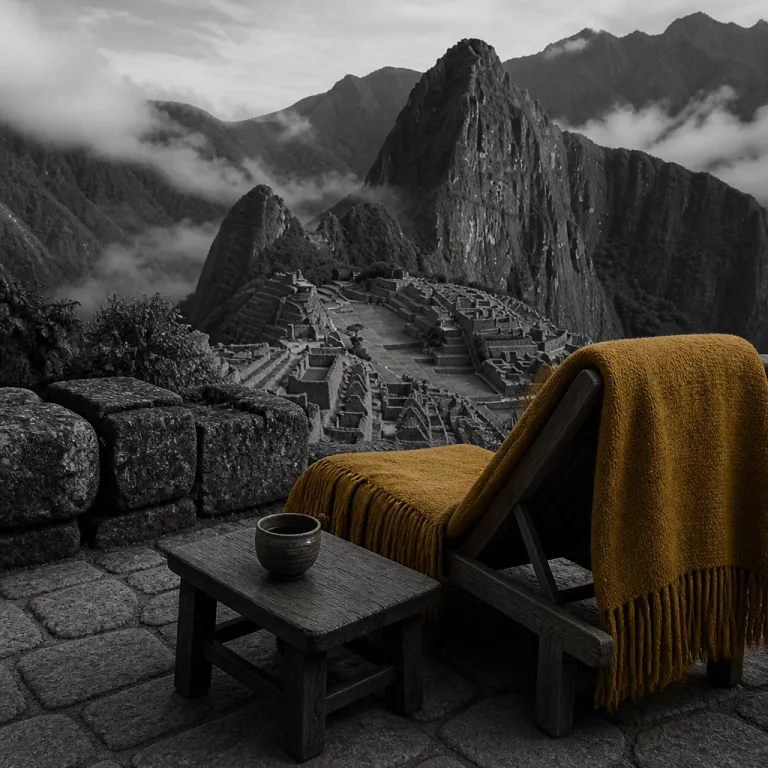
Best time to visit Machu Picchu for a luxury Peru journey
Choosing the best time to visit Machu Picchu for a luxury Peru journey
The best time to visit Machu Picchu depends on how you balance comfort, crowd levels, and the style of your luxury Peru stay. For many travelers, the dry season from May to September offers the best combination of clear mountain weather, stable trails, and reliable logistics for a high-end trip. Others prefer the shoulder season months such as April and October, when visiting Machu Picchu feels calmer and more exclusive.
When you plan the time to visit, think in terms of seasons rather than single days, because each season in this part of Peru shapes your experience in a different way. The dry season usually brings blue skies over the Inca citadel, while the rainy season from November to March paints the surrounding peaks a deep green and can make every day visit feel more atmospheric. Luxury travelers often choose a circuit that combines a few days in Cusco, a refined night in Aguas Calientes, and a carefully timed day visit to Machu Picchu itself.
Peruvian authorities describe the pattern clearly in their own guidance on the best time to visit Machu Picchu: “May to September offers dry weather; April and October have fewer crowds.” This aligns with what high-end travel planners see on the ground, where peak season demand for tickets and top suites rises sharply in those dry months. If you are visiting Peru for a once-in-a-lifetime trip, it is worth aligning your Machu Picchu day with these months while still considering your tolerance for crowds and your preferred style of trek or train travel.
Dry season, rainy season, and shoulder season: how climate shapes a premium stay
Understanding the difference between dry season, rainy season, and shoulder season is essential when you decide the best time to visit Machu Picchu. During the dry season from May to September, weather at the citadel is usually clearer, which means better visibility of Huayna Picchu, Machu Picchu Mountain, and the surrounding Andes. These months are also peak season for both Machu Picchu tickets and luxury Peru hotels, so availability and pricing reflect intense global demand.
The rainy season from November to March transforms the Inca terraces into a lush emerald amphitheatre, but showers can arrive suddenly and last for hours. Trails on any trek, including the classic Inca Trail, can become slippery, and some circuits may be adjusted for safety on certain days. If you choose this season for your visit to Machu Picchu, prioritize high-quality gear, flexible itineraries, and hotels that offer strong concierge support for last-minute changes.
Between these two extremes lies the shoulder season, especially April and October, which many specialists quietly consider the best time for a refined visit. In these months, visiting Machu Picchu often means fewer crowds at the early morning entrance, more choice among premium suites, and a calmer atmosphere on the Inca circuit. This is also when you can often secure better value at top properties in Cusco, which you can compare using a detailed neighbourhood guide such as the best hotels in Cusco by neighbourhood overview.
Aligning Machu Picchu days with luxury Peru hotel strategies
For travelers booking premium hotels in Peru, the best time to visit Machu Picchu is the period that lets you coordinate room categories, train schedules, and entry tickets into a seamless circuit. Peak season dates in the dry months sell out quickly, especially for top suites in Aguas Calientes and for limited entry slots to Huayna Picchu and Machu Picchu Mountain. Planning your trip several months ahead allows you to secure the exact day visit you want, often with early morning access and a private guide.
Families and multi-generational groups often travel during school holidays, which coincide with the busiest seasons at Machu Picchu. If you are visiting Peru with children, consider structuring your days so that the most intense walking happens in the cooler early morning, then return to your hotel for spa time or pool time in the afternoon. A resource such as this guide to Peru school holiday experiences in July and August can help you understand how family-focused itineraries intersect with peak season at the citadel.
Couples on a luxury Peru honeymoon often prefer the shoulder season, when the atmosphere in Aguas Calientes is quieter and premium rooms with river or mountain views are easier to secure. In these months, you can time visit plans around romantic early morning entries, followed by a long lunch back at your hotel and perhaps a second circuit in the late afternoon. Aligning your Machu Picchu days with your preferred hotel rhythm is what transforms a standard visit into a deeply personal experience.
Inca Trail, alternative treks, and how they influence the best time to visit
The Inca Trail is one of the most iconic ways to reach Machu Picchu, and its operating calendar has a direct impact on the best time to visit the citadel for hikers. Permits for the Inca Trail are limited and sell out quickly for dry season months, especially around June, July, and August. If your dream trip includes this trek, you should plan your time to visit around permit availability first, then layer hotel and train bookings on top.
During the rainy season, the Inca Trail usually closes for maintenance in February, and even when open in other months, the trail can be muddy and visibility reduced. Some travelers embrace this, arguing that the mist and rain create a more mystical Inca experience, but it does require better fitness and gear. Luxury Peru operators often suggest alternative treks in other seasons, such as the Salkantay route, which can be paired with premium lodges and still end with a day visit to Machu Picchu by train from Aguas Calientes.
For travelers who prefer comfort over camping, the best time to visit Machu Picchu may simply be the months when train schedules are most reliable and weather is stable. In these periods, you can stay in high-end hotels in the Sacred Valley or Cusco, then take a scenic rail circuit to Aguas Calientes for one or two days. This approach lets you enjoy the drama of the Andes and the Inca heritage without committing to a full trek, while still timing your visit to Machu Picchu for the clearest views.
Early morning entries, altitude, and wellness focused luxury stays
Many seasoned travelers consider an early morning entry the single most important factor when deciding the best time to visit Machu Picchu. Arriving for the first entry slot lets you walk through the Inca stonework before the main crowds and before the day warms up. This is especially valuable in peak season, when later day visit circuits can feel congested and less serene.
Altitude is another key consideration, because Machu Picchu sits at about 2,430 meters while Cusco rises to roughly 3,400 meters. A smart luxury Peru itinerary usually spends the first days in the lower Sacred Valley or in Cusco hotels that offer oxygen-enriched rooms and wellness programs. To compare which properties take altitude seriously, many travelers consult resources such as this analysis of oxygen-enriched suites in Cusco hotels, then align their Machu Picchu day with the point when they feel fully acclimatized.
Wellness-focused travelers often choose the shoulder season, when cooler mornings and softer light make the Inca terraces feel especially tranquil. In these months, you can combine yoga or spa sessions at your hotel with a carefully paced circuit through the ruins, perhaps returning for a second day visit to explore Huayna Picchu or Machu Picchu Mountain. Matching your physical readiness, your preferred seasons, and your hotel’s wellness offerings is central to creating a balanced visiting Peru experience.
Tickets, logistics, and how far ahead to plan your luxury Peru itinerary
Because Machu Picchu welcomes around 1.5 million visitors each year, the best time to visit Machu Picchu from a logistical perspective is whenever you can secure the exact tickets and hotel rooms you want. Entry tickets are now sold in timed circuits, which means your time to visit is defined not only by the day but also by the hour and the route you follow. During peak season, premium circuits and slots that include Huayna Picchu or Machu Picchu Mountain can sell out weeks or months in advance.
Travelers usually reach the site by train from Cusco or the Sacred Valley to Aguas Calientes, then continue by bus or on foot up to the citadel. This final ascent is short in distance but significant in anticipation, especially if you have planned your visit to Machu Picchu around a specific early morning slot. Many luxury Peru travelers choose to stay two nights in Aguas Calientes, allowing one full day visit and a second partial day to repeat a favourite circuit or simply enjoy the town’s hot springs and river views.
When you are visiting Peru from other parts of South America or from overseas, it is wise to lock in your Machu Picchu days before booking regional flights. Start by deciding which seasons suit you, then choose the exact day visit, then secure hotels in Cusco, the Sacred Valley, and Aguas Calientes around those anchors. This top-down planning style ensures that the heart of your trip, the moment you stand among the Inca stones of Machu Picchu, happens at the best possible time for you.
Key statistics for planning the best time to visit Machu Picchu
- Machu Picchu receives about 1,500,000 visitors per year, according to the Peruvian Ministry of Culture, which means peak season days can feel significantly busier than shoulder season dates. Recent figures published by the ministry confirm that demand has remained strong in the years following the introduction of timed entry slots.
- The citadel sits at roughly 2,430 meters above sea level, based on UNESCO World Heritage data, so many travelers schedule at least two acclimatization days in Cusco or the Sacred Valley before their main visit. UNESCO’s listing for the Historic Sanctuary of Machu Picchu notes that this altitude can affect visitors who arrive directly from sea level.
- The dry season typically runs from May to September, while the rainy season usually spans November to March, with April and October acting as transitional shoulder months that often combine moderate crowds with relatively stable weather. Local meteorological records and long-term climate summaries from Peruvian agencies support this seasonal pattern.
- Visitor regulations have tightened in recent years, with timed entry circuits and capped daily numbers, which makes advance purchase of tickets essential for anyone planning a luxury Peru itinerary around a specific date. Official announcements from the Ministry of Culture outline these caps and the requirement to select a defined circuit in advance.
- Growth in sustainable tourism and the rising popularity of alternative treks mean that more travelers now spread their days between Machu Picchu, the Sacred Valley, and lesser-known Inca sites, easing pressure on the main citadel during peak season. Industry reports from Peruvian tourism boards highlight this diversification as a key strategy for protecting the site.
- The Inca Trail generally closes for maintenance during February each year, according to notices from the Peruvian Ministry of Culture and SERNANP, the national protected areas service. Because permits for the most popular months can sell out six to twelve months ahead, especially for June, July, and August, hikers who want a specific departure date should book well in advance.
Frequently asked questions about the best time to visit Machu Picchu
When is the best time to visit Machu Picchu for good weather and fewer crowds?
For a balance of clear skies and manageable crowds, many experts recommend the shoulder season months of April and October. These periods usually sit between the dry season and the rainy season, offering relatively stable weather at Machu Picchu without the intense peak season pressure on tickets and hotels. If you value exclusivity and flexibility, these months often provide the best time to visit Machu Picchu.
How do I get to Machu Picchu from Cusco during different seasons?
Most travelers take a train from Cusco or the Sacred Valley to Aguas Calientes, then continue by bus or on foot up to the citadel. This route operates year-round, but schedules can change slightly between dry season and rainy season, especially when heavy rain affects the rail line. During peak season, it is essential to book both train seats and Machu Picchu entry tickets well in advance.
Do I need a guide to visit Machu Picchu on a luxury itinerary?
Guides are recommended but not mandatory, and many luxury Peru travelers choose a private guide for at least one day visit. A knowledgeable guide can explain Inca history, manage your time efficiently, and help you navigate the different circuits, including options that feature Huayna Picchu or Machu Picchu Mountain. On a second day, some guests prefer to explore independently, using what they learned on the first visit.
Is the Inca Trail open all year, and how does that affect the best time to visit?
The Inca Trail operates most of the year but usually closes for maintenance during February in the rainy season, so you must check dates before fixing your trip. Permits are limited and sell out quickly for dry season months, which many hikers consider the best time to visit Machu Picchu after a trek. If your preferred dates fall in the closure period or in heavy rain, consider alternative treks that still end with a train ride to Aguas Calientes and a day visit to the citadel.
How far in advance should I book hotels and tickets for a peak season visit?
For peak season dates between May and September, it is wise to secure Machu Picchu tickets, train seats, and key hotel nights several months in advance. High demand for premium rooms in Cusco, the Sacred Valley, and Aguas Calientes means that last-minute options can be limited, especially for suites with the best views. Early planning ensures that your visit to Machu Picchu aligns perfectly with your preferred season, circuit, and level of comfort.