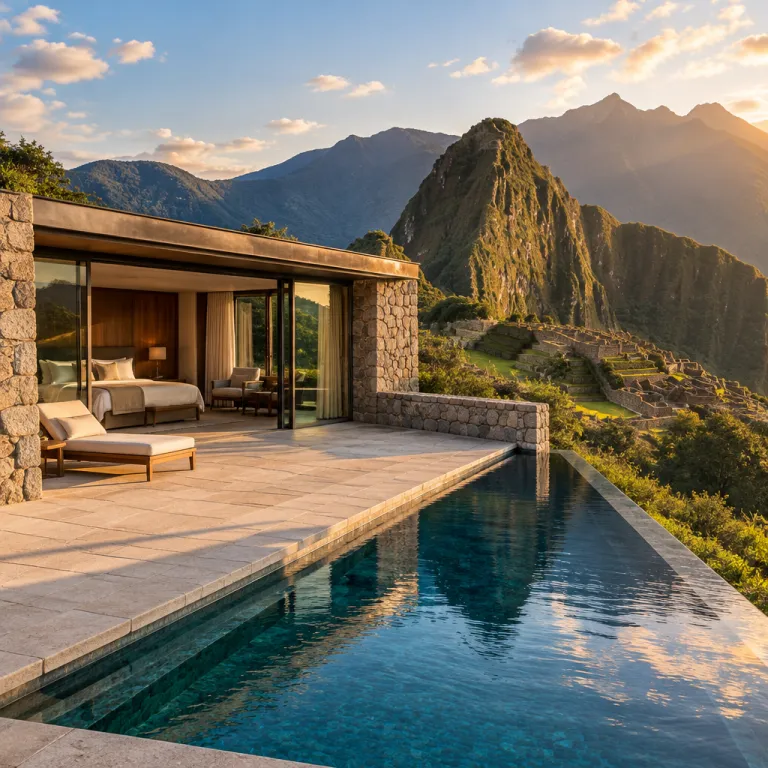
Peru sites attractions for luxury stays in Lima and Cusco
Lima and Cusco anchor most refined Peru sites attractions for discerning guests. These two city hubs shape how your time unfolds, from airport arrival to final day departure. Plan your trip around them and you unlock the best hotels, restaurants, and curated access to iconic Inca ruins.
In Lima, the capital city, luxury travelers usually stay in Miraflores or Barranco for ocean views and easy day transfers. High-end properties here pair refined suites with tasting menus that reinterpret things Peru is famous for, such as ceviche, Amazon cacao, and Andean potatoes. A sunset walk along the Malecón or a pisco sour at a rooftop bar turns this coastal base into a gentle introduction before or after a long Inca Trail hike or a multi-day cruise in the Amazon Basin.
Cusco, once the capital of the Inca civilization, now offers some of the best heritage hotels in South America. Many are housed in former monasteries or colonial mansions, where thick stone walls help with altitude and noise while you acclimate before visiting Machu Picchu. Staying at least one extra day in Cusco city lets you explore nearby Inca ruins such as Sacsayhuamán and Qenqo, while your concierge arranges timed entries for the most sought-after Peru attractions.
Altitude deserves serious attention when planning any Peru itinerary that includes Cusco, the Sacred Valley, or Lake Titicaca. Arrive in Lima first, then fly to Cusco and spend your first night in the lower-altitude Sacred Valley rather than in the city itself. This slower approach gives your body time to adapt, so you enjoy every hike, every trail, and every panoramic viewpoint without cutting your trip short.
Machu Picchu, the Inca Trail, and Sacred Valley hideaways
Machu Picchu sits at the heart of most Peru sites attractions lists, and for good reason. According to official guidance, “What is Machu Picchu? 15th-century Inca citadel perched at 2,430 m in southern Peru” (UNESCO World Heritage Centre). Luxury travelers can reach this legendary Inca site by train, by the classic Inca Trail, or by alternative trails that offer quieter scenery and more exclusive lodge experiences.
For many guests, the best balance between comfort and immersion is a multi-day Sacred Valley stay combined with a day trip to Machu Picchu. High-end lodges in the valley arrange private transfers to the train station, premium rail cars to Aguas Calientes, and expert guides who manage every detail from entrance tickets to timing your arrival at the Sun Gate. This approach keeps your nights serene while still giving you ample time among the Inca ruins and terraces that frame the citadel.
Those who choose to hike the Inca Trail often book pre- and post-trek nights in Cusco or the Sacred Valley, using luxury hotels as staging points. A well-planned Peru itinerary might include one acclimatization day in the valley, four days on the trail, and two recovery nights with spa treatments and gourmet dining. During the trek, outfitters can arrange upgraded tents, private porters, and curated menus, ensuring that even on the trail you experience some of the best things Peru offers to active travelers.
Beyond Machu Picchu itself, the Sacred Valley hides other must-see sites that pair beautifully with premium stays. Private visits to Maras salt terraces, often called the Maras salt mines, can be timed for late afternoon light when the pools glow pink and gold. Your concierge can also arrange exclusive access to remote Inca ruins and small Andean communities, turning a standard day trip into a deeply personal cultural encounter for your trip.
For a broader look at how iconic sites connect with high-end properties, many travelers consult dedicated guides to Peru attractions for luxury travelers. These resources help you compare which Sacred Valley lodge pairs best with your chosen Machu Picchu schedule and preferred style of travel. With the right match, every day feels cohesive, from sunrise over the Andes to a final pisco sour by the fire.
Coastal and desert Peru sites attractions for refined escapes
While the Andes dominate many itineraries, coastal and desert Peru sites attractions add contrast and calm. South of Lima, the Ica region offers golden dunes, vineyards, and access to the mysterious Nazca Lines. Combining these landscapes with luxury tents or villas creates a very different kind of trip, one focused on silence, stargazing, and wide-open horizons.
The Nazca Lines, created by the Nazca culture, stretch across more than 75,000 hectares of desert and are best seen from small aircraft. Many high-end travelers arrange a private flight, followed by a slow day at a vineyard hotel where tastings and spa treatments help balance the early start. The Nazca Lines themselves are among the most enigmatic archaeological attractions in Peru, and they pair surprisingly well with the indulgent pace of a wine-focused stay.
Closer to Lima, the Paracas coast and nearby national reserve offer marine wildlife, cliffs, and beaches that contrast sharply with the high Andes. Guests often combine a morning boat ride to the Ballestas Islands with an afternoon by an infinity pool, watching the desert meet the sea. This region works especially well for travelers who want a gentle first day in Peru before tackling higher altitudes later in their itinerary.
For something more immersive, consider one of the curated desert camps of the Ica dunes. These camps elevate camping into a premium experience, with proper beds, fine linens, and chef-prepared meals served under the Milky Way. A night here can become one of the best things you remember from your entire South America journey, especially when combined with sandboarding or a sunset dune hike.
Lake Titicaca, Colca Canyon, and high Andean retreats
High-altitude landscapes define many Peru sites attractions, and Lake Titicaca stands out among them. “Where is Lake Titicaca? On Peru–Bolivia border, at 3,810 m, largest navigable high lake” — a fact that shapes both climate and culture (PromPerú and regional data). Luxury travelers come here for still-water horizons, luminous light, and close contact with Uros, Taquile, and Amantaní communities that have lived on and around the lake for generations.
Community-led tourism has grown steadily around Lake Titicaca, with premium lodges partnering with local residents for guided visits and cultural activities. A carefully planned day trip by boat can include floating islands, textile demonstrations, and a slow lunch with lake views, all arranged through your hotel concierge. Many guests choose properties on private peninsulas, where floor-to-ceiling windows frame the lake and oxygen-enriched rooms help with the 3,810-meter elevation.
For detailed insight into one of the most acclaimed lakeside properties, travelers often review this guide to what to expect from Titilaka Lodge on Lake Titicaca. Such resources clarify what is included in the nightly rate, from guided excursions to gourmet meals, and help you decide how many nights to allocate in your overall Peru itinerary. With the right balance, Lake Titicaca becomes a restorative pause between more intense hikes and city sightseeing.
Colca Canyon, one of the deepest canyons on earth at around 3,270 meters from rim to river, offers another high Andean highlight (UNESCO and regional tourism figures). Luxury hotels near the canyon provide thermal pools, condor-viewing terraces, and access to gentle trails that suit different fitness levels. Many travelers structure a two- or three-day stay here, combining scenic drives, short hikes, and spa time, which works especially well after busy days in Cusco or Lima.
Both Lake Titicaca and Colca Canyon reward travelers who respect altitude and pace their time carefully. Plan shorter hikes on your first day, drink plenty of water, and let your hotel team advise on the best times for outings. With this approach, these high Andean destinations become serene, not strenuous, highlights of your trip.
Amazon lodges, national parks, and rainforest luxury
The Peruvian Amazon adds a lush counterpoint to the stone and sand of other Peru sites attractions. From Puerto Maldonado, short flights from Cusco connect you to riverboats and jungle lodges that balance comfort with conservation. Many of these properties sit near protected areas, giving you direct access to national-park-style ecosystems without sacrificing hot showers or fine dining.
Travelers often choose between lodges closer to Puerto Maldonado, which require shorter boat rides, and more remote properties deeper in the Amazon. The former work well for families or guests with limited time, while the latter suit travelers who want multiple days of wildlife watching and night walks. In both cases, expert naturalist guides lead small-group excursions, pointing out macaws, monkeys, and medicinal plants along forest trails.
Rainforest stays can be integrated into a broader Peru itinerary that also includes Machu Picchu, the Sacred Valley, and perhaps Lake Titicaca. A common pattern is to begin in Lima, continue to Cusco and Machu Picchu, then finish with three or four days in the Amazon before flying back to the coast. This sequence lets your body adjust gradually to altitude before returning to lower elevations, and it ensures that each region feels distinct in mood and activities.
Luxury lodges in the Amazon increasingly emphasize sustainability, using solar power, local materials, and community partnerships. Guests can visit nearby villages, learn about traditional fishing techniques, and understand how tourism supports conservation when managed well. These experiences add depth to your perception of Peru sites attractions, showing how natural and cultural heritage intertwine across different regions.
When planning, consider how much time you want to spend on boats versus on forest trails. Some lodges focus on canopy towers and oxbow lakes, while others highlight river journeys and night safaris, so match the program to your interests. With thoughtful choices, your Amazon segment becomes one of the best things you remember from your South America travels.
Hidden archaeological gems: Chavín de Huántar, Chan Chan, and beyond
Beyond the famous Inca ruins, several lesser-known archaeological Peru sites attractions reward travelers who enjoy history and quieter locations. Chavín de Huántar in the northern highlands predates the Inca by many centuries and offers labyrinthine galleries and carved stone heads. “What are the Nazca Lines? Ancient geoglyphs in southern Peru depicting shapes and lines on desert floor” — this quote highlights how varied pre-Columbian cultures were across the country (UNESCO World Heritage Centre).
On the northern coast near Trujillo, the adobe city of Chan Chan showcases the legacy of the Chimú civilization. Luxury travelers often base themselves in comfortable city hotels, then arrange private guided visits that include Chan Chan, the Huacas del Sol y de la Luna, and nearby beaches. These day trips combine cultural depth with relaxed evenings, giving you a different perspective on things Peru has preserved beyond the Inca narrative.
Chavín de Huántar requires more logistical planning, as it sits in a high valley reached from the city of Huaraz. Many visitors integrate it into a broader circuit that includes mountain scenery and short hikes in nearby national park areas, such as Huascarán National Park. While accommodation here is simpler than in Lima or Cusco, careful selection still allows for comfortable stays with good heating, which matters at altitude.
For travelers who value exclusivity, these sites offer a sense of discovery that crowded landmarks cannot match. You might stand almost alone in a ceremonial plaza or walk through ancient corridors with only your guide for company. Such moments often become the quiet highlights of a trip, especially for guests who have already visited Machu Picchu and seek new angles on Peru’s archaeological attractions.
When combining these northern sites with southern icons like Machu Picchu or Lake Titicaca, allow extra time for domestic flights and overland transfers. A well-structured Peru itinerary might dedicate one week to the north and another to the south, with Lima as the connecting hub. This pacing keeps each region distinct in your memory and prevents your travel days from feeling rushed.
Active experiences: Rainbow Mountain, salt terraces, and curated day trips
Active travelers will find many Peru sites attractions that pair physical challenge with high comfort at day’s end. Rainbow Mountain near Cusco has become famous for its striped slopes, and demand for guided hikes has grown rapidly. Luxury-focused operators now offer early departures, private vehicles, and upgraded meals, helping you avoid crowds and manage altitude more safely.
Closer to the Sacred Valley, the Maras salt terraces and nearby Moray agricultural site make an excellent combined day trip. Many itineraries refer to these as the Maras salt mines, though they are actually a network of evaporation pools fed by a mineral-rich spring. Visiting with a private guide allows you to walk among the terraces at a gentle pace, learning how local families still harvest salt much as their ancestors did.
Another rewarding active option is to hike to the Sun Gate above Machu Picchu, either as part of the Inca Trail or as a shorter walk from the main site. This vantage point offers a classic postcard view of the citadel, especially beautiful in early morning or late afternoon light. Many travelers consider this one of the best things they do in the region, and it requires only moderate fitness when approached from the main entrance.
Throughout Peru, hotel concierges and specialist agencies can tailor day trips to your energy level and interests. You might choose a gentle lakeside walk at Lake Titicaca one day, then a more demanding Rainbow Mountain hike the next, always returning to a hot shower and refined dinner. This balance between exertion and comfort defines many premium experiences across South America, and Peru excels at offering both.
When planning, be honest about how much hiking you enjoy and how you respond to altitude. Build in rest days in Lima or the Sacred Valley, and let your Peru itinerary breathe so that each highlight feels enjoyable rather than rushed. With this thoughtful structure, active outings become the thread that connects your favorite Peru sites attractions into a coherent, memorable trip.
Key figures for planning luxury stays around Peru sites attractions
- Lake Titicaca sits at approximately 3,810 meters above sea level, which makes it the highest navigable large lake in the world and requires careful acclimatization for travelers coming directly from coastal areas (PromPerú and Lake Titicaca regional authorities).
- The protected area that includes the Nazca Lines covers about 75,358 hectares of desert, illustrating how extensive these geoglyphs are and why overflight regulations and conservation measures matter for sustainable tourism (UNESCO World Heritage Centre listing).
- Colca Canyon reaches a depth of around 3,270 meters from rim to river, making it one of the deepest canyons on the planet and a prime location for condor watching and scenic hiking (Arequipa regional tourism and specialized trekking guides).
- The dry season in the Andes, typically from May to September, is widely regarded as the best time for trekking the Inca Trail and visiting high-altitude sites, because clearer skies and lower rainfall improve trail conditions and visibility (PromPerú and Peru tourism authorities).
- Community-based tourism initiatives around Lake Titicaca and the Sacred Valley have expanded steadily over the past decade, channeling a growing share of visitor spending directly to local households and reinforcing the link between luxury travel and cultural preservation (regional development and tourism impact reports).
FAQ about luxury travel and Peru sites attractions
What is the best way to combine Machu Picchu with other Peru sites attractions ?
A balanced itinerary usually starts in Lima, continues to Cusco and the Sacred Valley, and then includes Machu Picchu as either a day trip by train or a multi-day Inca Trail hike. Many travelers then add Lake Titicaca, Colca Canyon, or the Amazon near Puerto Maldonado for contrasting landscapes. This structure minimizes backtracking and allows time for altitude acclimatization.
How many days should I plan for Machu Picchu and the Sacred Valley ?
Most luxury travelers allocate at least three to four days for Cusco and the Sacred Valley, plus one full day at Machu Picchu. This allows time to adjust to altitude, visit nearby Inca ruins, and enjoy the amenities of high-end lodges. If you plan to hike the Inca Trail, add four more days for the trek itself.
Is Lake Titicaca suitable for luxury travel despite the altitude ?
Yes, Lake Titicaca offers several premium lodges with oxygen-enriched rooms, private guides, and curated excursions to Uros, Taquile, and Amantaní communities. The key is to arrive after spending time at intermediate altitudes such as Cusco or the Sacred Valley. With proper pacing, most guests enjoy the lake’s serenity without significant discomfort.
When is the best time to visit Peru for hiking and outdoor activities ?
The dry season from roughly May to September is generally the best period for hiking the Inca Trail, visiting Rainbow Mountain, and exploring Colca Canyon. Skies are clearer, rainfall is lower, and trail conditions are more predictable. However, this is also peak season, so booking permits, trains, and top hotels well in advance is essential.
Can I experience the Amazon in comfort while focusing on conservation ?
Many lodges near Puerto Maldonado and within reach of national-park-style reserves combine high comfort with strong conservation practices. They use solar power, limit group sizes, and partner with local communities for guiding and supplies. Choosing such properties lets you enjoy wildlife-rich trails and river excursions while supporting long-term protection of the rainforest.
Trusted sources for further planning include PromPerú (the official tourism board), UNESCO World Heritage Centre, and Peru’s Ministry of Culture for site-specific regulations and updates.