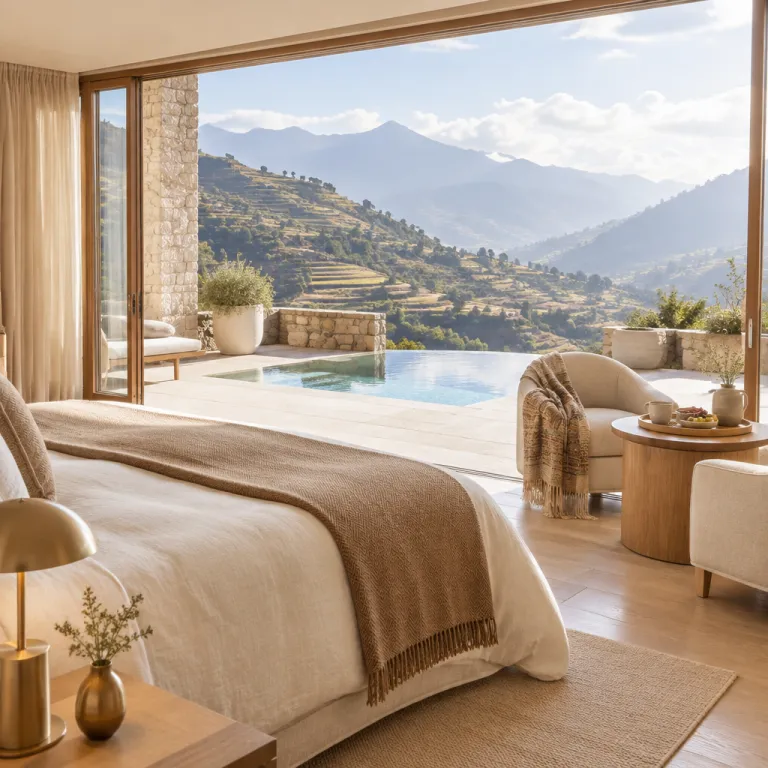
Peru resorts for every style of luxury travel
Peru’s top resorts now rival the finest stays in South America. Across the country you can choose a coastal hideaway, an Andean lodge, or a rainforest retreat in the Peruvian Amazon that feels deeply connected to nature. Thoughtful service, refined gastronomy, and authentic cultural details define the best hotels and luxury resorts in Peru.
In Lima, many high-end hotels line the cliffs of Miraflores and the leafy streets of San Isidro. These properties combine ocean views with easy access to museums, restaurants, and the airport, which makes them ideal bases for the first and last nights of a trip. Before booking any hotel or resort in Lima, read recent feedback on trusted platforms and look for consistently excellent reviews from international guests.
Along the Pacific coast, the resort town of Paracas offers a different mood. Here, an upscale beach resort or relaxed lodge faces the bay, and guests wake to flamingos and fishing boats instead of city lights. Properties such as Hotel Paracas, a Belmond Hotel, receive strong feedback for spa facilities, family-friendly pools, and access to the Ballestas Islands and Paracas National Reserve.
In the highlands, Cusco and the Sacred Valley host some of the most atmospheric retreats Peru can offer. Many of these luxury hotels occupy restored colonial mansions or contemporary low-rise buildings that frame the surrounding valley and mountains. When comparing accommodation in Cusco, pay attention to altitude, room size in square metres, and whether oxygen-enriched rooms are available for guests sensitive to thinner air.
Further south, the Colca region has become a destination in its own right. Here, Colca Lodge and other thermal spring properties sit above the Colca River, with terraces that look across to the dramatic Colca Canyon. These highland lodges often receive excellent reviews for their quiet atmosphere, stargazing, and access to traditional villages.
In the Peruvian Amazon, rainforest resorts and eco-focused hotels offer a softer kind of luxury. Guests trade marble lobbies for open-air lounges, mosquito-netted beds, and guided wildlife walks at dawn, yet service standards remain high. Properties such as Reserva Amazonica and Inkaterra Reserva in the Tambopata region are repeatedly mentioned in reviews for their expert naturalist guides and careful environmental practices.
Lima, Paracas, and the coast: refined resorts by the Pacific
Lima is usually the first stop for guests planning to explore Peru’s luxury hotels. The city’s best properties cluster in Miraflores and Barranco, where ocean-facing rooms and rooftop bars frame the Pacific in soft evening light. For a detailed neighbourhood breakdown of where to stay in Lima, consult this neighbourhood by neighbourhood hotel guide before you book.
Many Lima properties operate more like urban resorts than simple city hotels. Large pools, full-service spas, and club lounges allow guests to rest between long-haul flights and inland journeys, while concierge teams arrange restaurant reservations and private drivers. One recent traveller wrote in a 2023 review that they “arrived jet-lagged from Europe, slept by the pool all afternoon, then walked five minutes to a ceviche bar the concierge booked for us – it felt like a mini resort in the city.”
South of Lima, the bay of Paracas has become a favourite coastal escape for both Peruvian travellers and international visitors. A high-end resort or intimate lodge here usually offers direct beach access, sailing or kayaking, and excursions to the Ballestas Islands, often called a mini Galápagos. Hotel Paracas, a Belmond Hotel, stands out on this stretch of coast, with guests praising its landscaped gardens, spa, and family-friendly pools in many recent reviews.
Beyond Hotel Paracas, several newer hotels and beach resorts line the shore. Some focus on wellness, with yoga decks and healthy menus, while others emphasise water sports and excursions into the Paracas National Reserve. Before choosing between these coastal retreats, compare room categories carefully and read reviews on independent platforms to confirm that service levels match the advertised luxury positioning.
Further along the coast, smaller fishing towns host simpler hotels and lodges that appeal to surfers and independent travellers. These are not luxury hotels in the strict sense, yet they can complement a stay at a more polished resort in Lima or Paracas. Guests who value authenticity sometimes split their time between a full-service resort and a more modest Peruvian lodge to experience both sides of coastal life.
Whichever coastal hotel you choose, consider the season and local climate. Summer months bring warmer seas and livelier beaches, while the rest of the year can be cooler and mistier along the Peru coast. Reading recent reviews from guests who stayed in the same month you plan to travel will give you the most accurate picture of conditions and service at these seaside retreats.
Cusco, Machu Picchu, and the Sacred Valley: iconic highland retreats
The highland triangle of Cusco, the Sacred Valley, and Machu Picchu hosts some of the most celebrated stays in the country. Cusco itself offers grand city hotels, while the valley between Cusco and Ollantaytambo is lined with tranquil lodges and resorts surrounded by fields and peaks. Many guests choose to acclimatise in the Sacred Valley first, then move to a higher-altitude hotel in Cusco later in their itinerary.
In Cusco, luxury hotels occupy former palaces and convents, with courtyards, stone arcades, and discreet modern comforts. These properties often feature excellent restaurants that reinterpret Peruvian cuisine, as well as small spas that help guests recover after long flights. When reading reviews, pay attention to comments about heating, water pressure, and street noise, because historic buildings can sometimes be charming yet imperfect.
The Sacred Valley offers a different rhythm, with resorts spread along the Urubamba River. Here, a lodge or country hotel usually has extensive gardens, views of the valley walls, and easy access to sites such as Pisac and Moray, which makes it ideal for families and slower-paced travellers. Many guests report excellent feedback for properties that offer on-site activities such as horseback riding, cooking classes, and visits to nearby weaving communities.
Closer to Machu Picchu, the small town of Aguas Calientes hosts a handful of notable hotels and lodges. Inkaterra Machu Picchu properties, including the well-known Pueblo Hotel, are set within lush cloud forest gardens that feel far removed from the busy station area. Guests often give good reviews to these retreats for their birdwatching opportunities, spa treatments, and thoughtful interpretation of local ecology.
At the very entrance to the citadel, Sanctuary Lodge, a Belmond Hotel, offers the only resort-style stay directly beside Machu Picchu itself. This location allows guests to enter the site early in the morning and return easily for rest during the day, which is especially valuable for older travellers. For more context on high-end stays near ruins across Peru, consult this guide to luxury stays near the most iconic ruins in Peru when planning your route.
Throughout this region, Belmond and other international brands operate several of the most established hotel resorts. Belmond Hotel Monasterio in Cusco and its sister properties in the Sacred Valley and near Machu Picchu consistently receive excellent reviews for service and atmosphere. When comparing these with independent Peruvian hotels, weigh loyalty benefits and brand standards against the charm and individuality of locally owned retreats.
Colca Canyon and Arequipa: dramatic landscapes and thermal spring lodges
Travellers who venture beyond the classic Cusco and Machu Picchu circuit often find some of the most memorable stays in the south. Arequipa, framed by volcanoes and colonial architecture, serves as the gateway to the Colca Canyon and its thermal spring lodges. Many guests choose to spend several nights in Arequipa first, then continue to a lodge in the canyon for a deeper immersion in the landscape.
Arequipa itself offers a mix of heritage hotels and contemporary luxury properties. These stays often feature courtyards built from white sillar stone, rooftop terraces, and views of El Misti volcano, which create a distinctive sense of place. For a curated overview of high-end stays in the city and practical altitude advice, consult this elegant guide to Arequipa altitude and high end stays when planning your route through Peru.
Beyond the city, the road climbs towards the Colca Valley, where hotels become more remote and nature-focused. Colca Lodge is one of the best-known properties here, with its own thermal pools carved into the riverbank and terraces overlooking the valley. Guests frequently leave excellent reviews describing quiet nights, clear skies, and the pleasure of soaking in hot springs after day hikes.
The wider Colca Canyon region hosts several other lodges and resorts travellers can consider. Some focus on wellness and spa treatments, while others emphasise trekking, condor watching, and visits to traditional villages perched on pre-Inca terraces. When reading reviews online, look for details about road conditions, transfer times from Arequipa, and whether your chosen hotel or lodge offers private guides or only group excursions.
Because Colca Canyon sits at significant altitude, choosing the right hotel or resort matters for comfort. Many properties in this area provide oxygen in reception, slow-paced activities on arrival day, and light menus to help guests adjust. Before booking, check whether your lodge has heating in all rooms and whether thermal pools are open year-round, as these details can influence how much you enjoy the dramatic setting.
Compared with more famous destinations such as Machu Picchu, the Colca Valley still feels less crowded. This gives guests staying at Colca Lodge and neighbouring properties a sense of space and quiet that is increasingly rare. For travellers who value landscape, local culture, and restorative hot springs, these southern Peru lodges offer a compelling complement to the better-known Sacred Valley and Cusco hotels.
Peruvian Amazon retreats: immersive resorts in the rainforest
The Peruvian Amazon offers a very different style of luxury from coastal or highland stays. Here, the focus shifts from marble and chandeliers to silence, wildlife, and the soft glow of lanterns along raised walkways. Guests trade city comforts for early morning boat rides, guided walks, and the chance to hear the forest come alive at dawn.
Near Puerto Maldonado, Reserva Amazonica and Inkaterra Reserva stand among the most established rainforest lodges. These jungle resorts combine comfortable cabins with screened windows, high-quality linens, and thoughtful details such as rubber boots and ponchos for excursions. Reviews often highlight the expertise of local guides, the quality of food given the remote location, and the balance between comfort and environmental responsibility.
Further north, lodges along the Amazon and its tributaries near Iquitos offer another style of resort experience. Some properties feature air-conditioned suites, plunge pools, and fine dining, while others remain more rustic yet still comfortable. When comparing these Peruvian Amazon hotels and river cruises, pay close attention to transfer times by boat, the ratio of guides to guests, and whether wildlife viewing focuses on quieter tributaries rather than busy main channels.
Because rainforest humidity and heat can surprise first-time visitors, the design of your chosen lodge or resort matters. Open-air common areas, ceiling fans, and mosquito netting are essential details that often appear in good reviews from experienced travellers. Guests who value privacy should also check whether cabins are spaced far enough apart to ensure quiet nights, especially in popular jungle retreats near major river junctions.
Many Peruvian Amazon lodges operate on an all-inclusive basis, bundling meals, excursions, and transfers into one rate. This simplifies budgeting but makes it even more important to read reviews on independent platforms, since you will spend most of your time within the resort’s orbit. Look for consistent praise of guiding quality, safety briefings, and flexibility in tailoring activities to different fitness levels.
For travellers who have already visited Cusco or Machu Picchu, adding a rainforest stay creates a powerful contrast. Combining a few nights at Reserva Amazonica or Inkaterra Reserva with time in the Sacred Valley or Colca Canyon allows guests to experience the full range of Peru’s ecosystems. Among Peru’s high-end stays, these Amazon retreats stand out for their ability to connect guests with nature while still offering a refined level of comfort.
How to read hotel reviews and choose the right Peru resort
With so many upscale hotels across coast, highlands, and rainforest, choosing the right property can feel overwhelming. Thoughtful use of guest feedback helps narrow the field and match each resort or lodge to your travel style. Instead of focusing only on star ratings, read the narrative details that past visitors share about service, atmosphere, and location.
Start by filtering for reviews from travellers with similar priorities. Families might focus on kids’ facilities and flexible meal times, while couples may care more about spa quality and privacy, and solo travellers often value safety and staff attentiveness. When a resort or hotel receives excellent reviews across different traveller types, that consistency usually signals strong management and training.
Pay special attention to reviews from the last six to twelve months. Management changes, renovations, or shifts in staffing can quickly alter the experience at even well-known properties, whether in Lima, Cusco, or the Peruvian Amazon. Look for repeated mentions of the same strengths or weaknesses, such as slow check-in, exceptional concierges, or noise from nearby streets or bars.
Use a simple checklist when comparing options: confirm recent comments on cleanliness, sleep quality, and breakfast; scan photos uploaded by guests rather than only official images; and note how management responds to criticism. For iconic properties such as Sanctuary Lodge near Machu Picchu, Colca Lodge in the Colca Valley, or Hotel Paracas on the coast, balance the weight of brand reputation with recent feedback.
When comparing luxury hotels and more modest lodges, consider the full cost of your stay. Some resorts include breakfast, airport transfers, and selected excursions, while others charge separately for every service, which can change the value equation. Good reviews often mention whether guests felt the final bill matched the quality of the experience, which is a useful indicator when prices are high.
Finally, remember that even the best hotels in Peru will not suit every traveller. A remote lodge in the Sacred Valley might delight guests seeking quiet yet frustrate those who prefer nightlife, while a central Lima hotel may be perfect for food lovers but noisy for light sleepers. Use reviews as a tool, but align your final choice with your own priorities, pace, and expectations for your journey through Peru.
Planning a multi stop itinerary around Peru’s top luxury resorts
Designing an itinerary that links several high-end stays allows you to experience the country’s diversity in comfort. Many guests start in Lima for one or two nights, then continue to Cusco, the Sacred Valley, and Machu Picchu before adding either the Colca Canyon or the Peruvian Amazon. This pattern balances urban culture, ancient sites, dramatic landscapes, and rainforest immersion.
One classic route begins with a clifftop hotel in Lima, followed by a stay at a resort in the Sacred Valley. Guests then ride the train towards Machu Picchu, spending a night at a Pueblo-style lodge in Aguas Calientes before visiting the citadel at dawn. Travel time from Lima to Cusco is about 1 hour 20 minutes by air, while the transfer from Cusco airport to many Sacred Valley hotels takes roughly 90 minutes by road, depending on traffic and stops.
Another elegant itinerary links the coast and highlands. Travellers might combine Hotel Paracas or a similar resort in Paracas with a few nights in Cusco and then continue to Colca Lodge in the Colca Valley, creating a journey that moves from sea to canyon. Along the way, stays at Belmond hotel properties or carefully chosen independent hotel resorts ensure a consistent level of service and comfort.
For guests who prioritise nature, pairing the Peruvian Amazon with the Colca Canyon can be especially rewarding. A stay at Reserva Amazonica or Inkaterra Reserva near Puerto Maldonado offers dense jungle, river excursions, and canopy walks, while Colca Lodge provides hot springs, high-altitude trails, and condor viewing. These contrasting destinations complement each other, showing two very different yet equally compelling sides of the country’s ecosystems.
When planning travel times between destinations across Peru, factor in both flights and overland transfers. Distances may appear short on a map, yet winding mountain roads and airport formalities can extend journeys, so building in rest days at key hotels or lodges is wise. Guests who allow time to enjoy each resort’s spa, pool, or cultural activities often feel they have received better value from their chosen luxury hotels.
Whichever combination of resorts you choose, confirm cancellation policies, seasonal closures, and any minimum stay requirements. Some lodges in the Peruvian Amazon or Colca Canyon operate only in certain months or require two or three night stays to make transfers worthwhile. By aligning your route, budget, and preferred pace with the strengths of each hotel, resort, or lodge, you can craft a journey through Peru that feels both seamless and deeply rewarding.
Key figures on Peru’s luxury and premium stays
- According to PromPerú and Peru’s Ministry of Foreign Trade and Tourism, international tourist arrivals reached around 4.4 million visitors in 2019 before the global travel downturn, with a significant share visiting Cusco and Machu Picchu. This sustained demand has underpinned ongoing investment in luxury hotels and resorts across the country.
- Data from the World Travel and Tourism Council (WTTC) indicate that travel and tourism contributed roughly 7 % of Peru’s total GDP in 2019, highlighting the economic importance of high-end hotels, lodges, and resort-style properties nationwide.
- Industry reports from STR and similar benchmarking firms show that luxury and upper-upscale hotels in Lima often achieve higher average daily rates than comparable properties in several neighbouring South American capitals, reflecting strong demand for premium accommodation in the capital.
- Conservation-focused lodges in the Peruvian Amazon, such as those near Reserva Amazonica, frequently allocate a portion of revenue to local community projects and reforestation. Some properties report that more than 10 % of operating budgets support environmental and social initiatives, reinforcing the link between luxury travel and conservation.
FAQ about Peru resorts and luxury stays
What is the best time of year to stay at Peru resorts ?
The ideal time depends on the region and your priorities. For Cusco, the Sacred Valley, and Machu Picchu, the dry season from roughly May to September offers clearer skies and more reliable trekking conditions. Coastal resorts near Lima and Paracas are warmest and sunniest between December and March, while the Peruvian Amazon remains hot and humid year-round with slightly drier months varying by area.
How many days should I plan for a luxury trip around Peru ?
A well-paced itinerary linking several Peru resorts usually requires at least ten to fourteen days. This allows time for two nights in Lima, three or four nights split between Cusco and the Sacred Valley, one or two nights near Machu Picchu, and an additional three or four nights in either the Colca Canyon or the Peruvian Amazon. Shorter trips are possible but often feel rushed, especially when adjusting to altitude.
Are Peru’s luxury resorts suitable for families with children ?
Many Peru resorts welcome families and offer connecting rooms, kids’ menus, and flexible activities. Coastal properties in Paracas and some Sacred Valley lodges are particularly family-friendly, with outdoor space and gentle excursions. When reading hotel reviews, look for comments from other families about staff attitude towards children, pool safety, and the availability of early meal times.
Do I need to worry about altitude at resorts in Cusco and Colca Canyon ?
Altitude is a real consideration at hotels and lodges in Cusco and the Colca Canyon, where elevations often exceed 3 000 metres. Most guests adjust with rest, hydration, and a gradual ascent, which is why many itineraries start in the lower Sacred Valley before moving higher. Choosing Peru resorts that offer oxygen, light menus, and flexible activity schedules can make the adjustment more comfortable.
How far in advance should I book luxury hotels near Machu Picchu ?
High-end hotels and lodges near Machu Picchu, including Sanctuary Lodge and Pueblo-style properties, often sell out months ahead in peak season. Booking three to six months in advance is advisable for popular dates, especially if you want specific room categories or views. Early reservations also give you more flexibility to coordinate train tickets, entry times, and connecting stays at other Peru resorts.