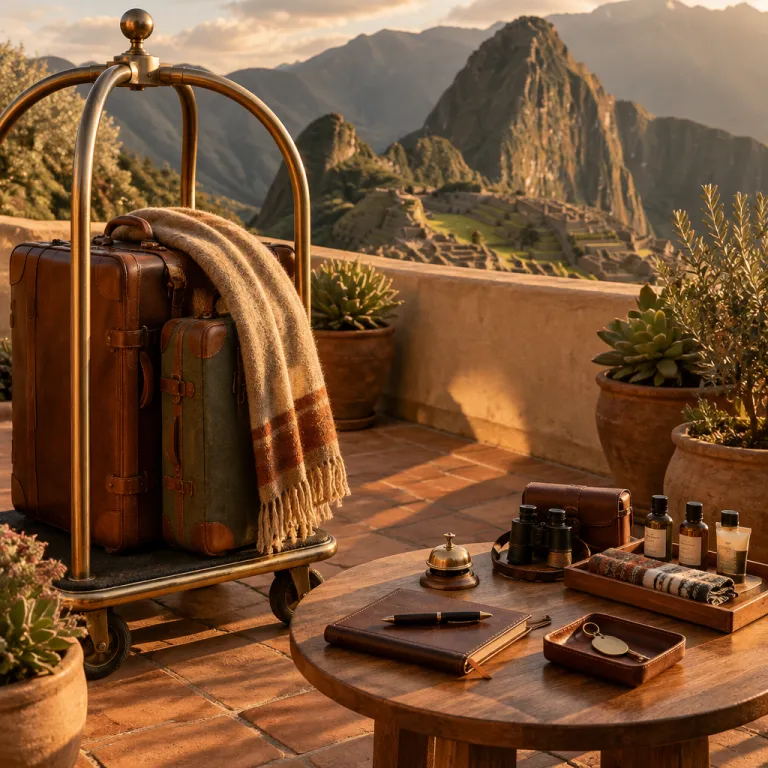
Peru tourist spots for luxury travelers: how to choose your base
Peru offers a rare mix of ancient Inca heritage and refined modern hospitality. For travelers planning a high end trip, the most strategic Peru tourist spots combine easy access to landmarks with premium hotels and attentive service. Choosing the right city or valley for your stay shapes everything from how many days you need to the kind of experiences you can comfortably visit.
Lima is usually the first major city on a visit to Peru, and it sets the tone for the rest of your travel in the country. In districts such as Miraflores, Barranco, and San Isidro, luxury hotels overlook the Pacific and place you close to acclaimed restaurants, elegant galleries, and the historic Plaza de Armas in the colonial center. Spending a few days in Lima lets you adjust to South America’s pace while planning which Peru tourist attractions you will visit next, from the Sacred Valley to the Amazon.
Cusco is the former Inca capital and the most strategic base for exploring Machu Picchu and the Sacred Valley. High end properties here often occupy restored mansions around the Plaza de Armas, where you can walk to museums, fine dining, and artisan boutiques between excursions. When you visit Peru for culture, Cusco and its surroundings offer some of the best things to do, from day trip options to the Inca Trail and remote valleys that reveal the depth of experiences Peru can offer beyond the classic highlights.
Luxury in Lima, Cusco and other urban gateways to peru tourist spots
Urban Peru tourist spots are ideal when you want luxury hotels with strong infrastructure, reliable air connections, and curated experiences. Lima excels for gastronomy focused travel, while Cusco is the best city for immersive Inca history and access to Machu Picchu. Both cities also serve as hubs for short flights to the Amazon, Lake Titicaca, and the Colca Canyon region, reducing overland travel time and allowing more days at each destination.
In Lima, premium hotels in Miraflores and Barranco offer ocean views, rooftop pools, and concierge teams who can arrange private tours of the historic center and nearby archaeological sites such as Pachacamac. These properties make it easy to plan which places to visit next, whether you are flying to Cusco for the Sacred Valley or heading south along the coast toward the Nazca Lines and Paracas. For travelers who value refined city escapes in Peru, curated guides to where to stay in style in Peruvian cities can help match neighborhoods and hotel profiles to your expectations.
Cusco’s luxury hotels often blend Inca stonework with contemporary design, creating a calm retreat after busy days exploring Peru tourist destinations. From the Plaza de Armas, you can walk to Qorikancha, San Blas, and excellent restaurants before returning to suites equipped with oxygen enrichment to ease the altitude. Many properties coordinate with a trusted tour operator to organize private transfers to the Sacred Valley, the Inca Trail starting points, and the train stations for Aguas Calientes, ensuring that every visit runs smoothly even in peak time to visit Machu Picchu.
Machu Picchu, Sacred Valley and the art of staying close to the icons
For many travelers, Machu Picchu is the centerpiece of their trip, and choosing where to sleep around this site is crucial. You can stay in Cusco, in the Sacred Valley, or in Aguas Calientes, and each option changes how you experience one of the most famous Peru tourist spots. The best strategy is to balance altitude, comfort, and how early you want to reach the Sun Gate or the main terraces.
The Sacred Valley sits lower than Cusco, which makes it a comfortable base for the first days of your visit to Peru. Luxury hotels here often occupy riverside settings near towns such as Urubamba and Ollantaytambo, offering spacious suites, spa facilities, and direct access to Inca sites and local markets. Many travelers choose to spend several days in the valley, using it as a quiet retreat between excursions to Machu Picchu, the Inca Trail, and other things Peru is famous for, such as weaving communities and high altitude salt pans.
Staying in Aguas Calientes, the small town below Machu Picchu, allows you to reach the citadel early and enjoy a calmer time to visit before the main crowds arrive. High end lodges here focus on river views, wellness, and seamless logistics, coordinating bus tickets, entry times, and guided tours that may include the Sun Gate hike or alternative viewpoints. For a broader perspective on refined stays across Peru tourist regions, including Machu Picchu, the Sacred Valley, and other areas, resources like refined stays and local luxury across Peru’s top destinations can help you compare properties and plan the best things to include in your itinerary.
Lake Titicaca, Colca Canyon and southern peru tourist spots in style
Southern Peru offers some of the most atmospheric landscapes in the country, and luxury hotels here turn remote Peru tourist spots into comfortable bases. Around Lake Titicaca, premium lodges sit on private peninsulas or islands, giving you uninterrupted views of the lake and the Bolivian peaks beyond. These properties usually include curated excursions to local communities, floating islands, and quiet bays, allowing you to experience the lake in depth over several days.
Colca Canyon, often accessed via Arequipa, combines dramatic scenery with refined rural retreats that focus on wellness and nature. High end hotels near Colca Canyon offer thermal pools, spa treatments, and guided walks, while private drivers handle the winding roads and early departures to condor viewpoints. Many travelers pair Lake Titicaca and Colca Canyon in a single trip, using Arequipa as a city stop where they can enjoy colonial architecture, a charming Plaza de Armas, and some of the best things in regional cuisine before or after their canyon visit.
Further along the coast, Paracas and the nearby desert coast provide a different style of Peru tourist experience, where the Pacific meets dunes and wildlife rich islands. Luxury resorts here often arrange yacht outings, flights over the Nazca Lines, and excursions into the Paracas National Reserve, which is one of the most accessible protected areas in the country. For a detailed look at coastal hotels where condors, sea lions, and ocean views define your stay, you can consult specialized guides to desert coast hotels on the Pacific when planning your visit to Peru.
Amazon lodges, national parks and remote peru tourist spots
The Amazon region of Peru offers a very different kind of luxury, focused on immersion in nature and expert guiding. From cities such as Puerto Maldonado and Iquitos, you can reach high end jungle lodges that sit inside or near a national park or private reserve. These properties usually include all meals, guided excursions, and transfers, making them some of the easiest remote Peru tourist spots to visit in comfort.
In the southern Amazon, lodges near Tambopata National Reserve and Bahuaja Sonene National Park emphasize wildlife viewing, canopy towers, and oxbow lakes where giant otters and macaws are often seen. In the north, Iquitos serves as a gateway to luxury river cruises and lodges along the Amazon and its tributaries, where you can spend several days exploring flooded forests and remote communities. When you visit Peru for nature, combining an Amazon stay with the Andes gives you a sense of how diverse this country is within South America, especially if you also include Lake Titicaca or Colca Canyon in your itinerary.
Remote Peru tourist spots require careful planning of the best time to visit, since rainfall and river levels change the experience. Many luxury lodges work with a dedicated tour operator in Lima or Cusco, coordinating flights, transfers, and even pre and post stay nights in city hotels so that every segment of your trip connects smoothly. If you are also interested in high altitude trekking, you can combine the Amazon with routes near Huascarán National Park, where the Huascarán National peaks and turquoise lakes offer some of the most striking mountain scenery in the country.
Archaeological peru tourist spots beyond Machu Picchu
While Machu Picchu and the Inca Trail dominate many itineraries, Peru holds a remarkable range of archaeological sites that pair well with luxury stays. In the north, the ruins of Chan Chan near Trujillo reveal the adobe capital of the Chimú civilization, and nearby coastal resorts provide comfortable bases with ocean views. Further inland, Chavín de Huántar offers a glimpse into one of the earliest major cultures in the Andes, and staying in well appointed lodges around Huaraz allows you to combine culture with access to Huascarán National Park.
Travelers interested in pre Inca cultures often design trips that link the Nazca Lines, Chan Chan, and Chavín de Huántar with time in Lima and Cusco. This kind of itinerary highlights how many layers of history exist in Peru, and how different Peru tourist spots can be when you move from desert to highland valleys and then to the coast again. Luxury hotels along these routes focus on reliable transfers, expert guides, and flexible schedules, which is essential when you are covering long distances across the country in a limited number of days.
Even within Cusco and the Sacred Valley, there are many Inca and pre Inca sites beyond Machu Picchu that reward a slower pace. Places to visit such as Sacsayhuamán, Pisac, Moray, and Ollantaytambo can be explored on half day or full day trip excursions, often arranged directly through your hotel concierge or a trusted tour operator. By allowing extra days in these regions, you can enjoy some of the best things about Peru tourist areas, such as quiet sunrise visits, less crowded trails, and time to appreciate how the Inca integrated their architecture with the surrounding mountains and valleys.
Planning days, routes and hotel choices around peru tourist spots
Designing a luxury itinerary around Peru tourist spots starts with deciding how many days you can travel and which regions matter most to you. A classic route might include Lima, Cusco, the Sacred Valley, Machu Picchu, and Lake Titicaca, while a more extensive trip could add the Amazon, Colca Canyon, and the Nazca Lines. The key is to avoid rushing, since altitude, distances, and the sheer number of things Peru offers can make an overpacked schedule feel tiring rather than indulgent.
For a first visit to Peru focused on comfort, many travelers allocate at least two or three days in Lima, three or four days between Cusco and the Sacred Valley, and one or two nights near Machu Picchu, either in Aguas Calientes or at a property close to the train line. Adding Lake Titicaca or Colca Canyon usually requires two or three extra days, while the Amazon or Huascarán National Park each deserve several days on their own. When you plan your time to visit each region, consider flight schedules, road conditions, and how much you value slow mornings in your hotel versus early departures to reach sites such as the Sun Gate or condor viewpoints.
Luxury and premium hotels across Peru tourist regions often provide concierge teams who can coordinate private guides, transfers, and special experiences, from exclusive access to terraces at Machu Picchu to private boat outings on Lake Titicaca. Working with a reputable tour operator who understands both high end expectations and local realities in South America helps align your hotel choices with your preferred pace and interests. By combining thoughtful planning with carefully chosen properties in each city, valley, lake region, and national park, you can create a trip that feels both seamless and deeply connected to the landscapes and cultures that make Peru one of the best countries to visit.
Key figures on luxury travel and peru tourist spots
- According to PROMPERÚ, international tourist arrivals to Peru reached about 4.4 million visitors in 2019, with Machu Picchu receiving roughly 1.5 million of those visitors, highlighting how central this single site is within wider Peru tourist spots (PROMPERÚ, Tourism Statistical Yearbook 2019).
- Data from the World Travel & Tourism Council indicate that travel and tourism contributed 9.3 % of Peru’s total GDP in 2019, underlining how hotel quality, tour operator standards, and infrastructure directly affect the national economy (WTTC, Economic Impact Report 2020).
- Regional tourism reports show that the Cusco region, which includes the Sacred Valley and Machu Picchu, concentrates more than 30 % of overnight stays in the country, making it the primary focus for luxury hotel investment and premium services (PROMPERÚ, Regional Tourism Statistics 2019).
- Studies on Lake Titicaca and the Colca Canyon region suggest that over 60 % of visitors now book at least one night in higher category accommodation, reflecting growing demand for comfort even in remote Peru tourist spots (regional tourism observatories, 2018–2019 data).
- Conservation data from Huascarán National Park and other protected areas indicate that controlled visitor numbers and guided access have helped maintain biodiversity levels while still allowing tens of thousands of travelers each year to experience these landscapes (SERNANP, annual management reports).
FAQ about luxury hotels and peru tourist spots
How many days do I need for Machu Picchu and the Sacred Valley ?
For a comfortable luxury trip, plan at least three or four days between Cusco and the Sacred Valley, plus one or two nights near Machu Picchu. This allows time to acclimatize, enjoy a day trip or two to nearby Inca sites, and visit Machu Picchu without rushing. Staying in the valley or Aguas Calientes also increases your chances of a calmer time to visit the citadel.
Is it better to stay in Lima or go straight to Cusco ?
Spending one or two nights in Lima at the start of your trip is usually wise, especially after a long haul flight. Luxury hotels in Miraflores or Barranco offer comfort, excellent dining, and time to adjust before flying to Cusco’s altitude. If your schedule is very tight, you can connect directly, but this often feels more tiring and leaves less flexibility if flights change.
Which peru tourist spots combine best with a luxury Amazon lodge ?
The Amazon pairs especially well with Cusco, the Sacred Valley, and Machu Picchu, since there are frequent flights between Cusco and Puerto Maldonado. Many travelers also add a few days in Lima at the start or end of their trip for gastronomy and city experiences. If you have more time, Lake Titicaca or Colca Canyon can be added, but this usually requires careful routing with a knowledgeable tour operator.
Are luxury options available near Lake Titicaca and Colca Canyon ?
Yes, both regions now offer high end lodges and hotels that focus on comfort, views, and curated excursions. Around Lake Titicaca, premium properties often sit on private peninsulas or islands, while near Colca Canyon you will find retreats with thermal pools and spa facilities. Booking early is important, since the number of top tier rooms is limited compared with major cities.
When is the best time to visit Peru for a luxury trip ?
The dry season from roughly May to September is generally considered the best time to visit Peru for clear skies in the Andes and more predictable conditions at Machu Picchu, the Sacred Valley, and Lake Titicaca. However, this is also peak season, so luxury hotels and trains can sell out months in advance. Shoulder months can offer fewer crowds and good weather, especially if you are flexible and work with an experienced tour operator.
Trusted sources for further planning include PROMPERÚ, the World Travel & Tourism Council, and UNESCO World Heritage Centre.