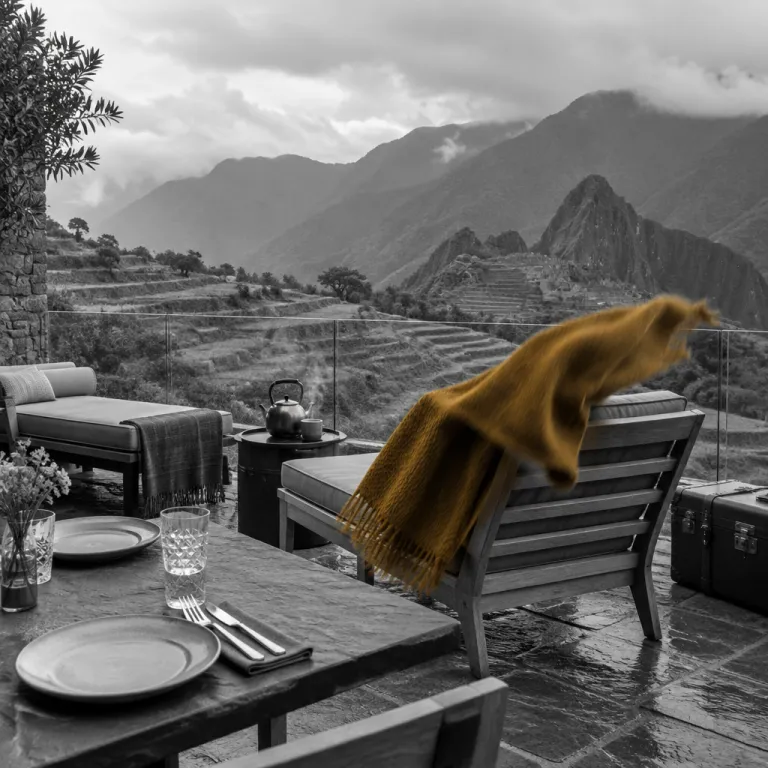
Peru main tourist attractions for luxury travellers
Peru main tourist attractions draw travellers who want refined stays and meaningful experiences. This country rewards guests who pair each legendary site with a carefully chosen luxury hotel or lodge. When you plan a trip in Peru with this mindset, every city, valley and lake becomes part of a seamless narrative.
The largest city, Lima, is usually the first stop and sets the tone for your journey. Many visitors use the capital as a base to visit Peru’s coastal museums, world class restaurants and nearby natural reserves, then continue their trip Peru wide toward the Andes and the Amazon jungle. To match these urban pleasures, premium hotels in the city offer ocean view suites, curated tours and private transfers to major attractions inland.
Cusco is the historic heart of the Inca empire and a highlight of any Peru itinerary. From this high altitude city, luxury travellers access the Sacred Valley, the Inca Trail and eventually Machu Picchu, often combining several tours with slow days in elegant properties. Choosing the best hotels here means prioritising oxygen enriched rooms, expert concierges and flexible check in times that respect the effects of the mountains.
Across the country, the best things to do often sit far from major roads, so your choice of accommodation shapes how you experience each place. High end lodges near Colca Canyon, Lake Titicaca or the Amazon rainforest arrange private guides, scenic drives and boat trips that reveal Peru’s incredible biodiversity. When you align your hotel bookings with the geography of Peru’s main highlights, you reduce transit time and gain long, quiet hours to absorb each landscape.
Lima and the coast: where urban luxury meets Pacific horizons
Lima is Peru’s coastal gateway and a sophisticated city that deserves more than a rushed overnight. The capital is the largest city in the country and a culinary powerhouse, which makes it one of the best places to start exploring Peru’s main tourist attractions and coastal experiences. For luxury travellers, the right hotel in Lima turns a simple stop into a memorable chapter of the trip.
Most premium properties cluster in Miraflores, Barranco and San Isidro, each neighbourhood offering a different mood. Miraflores faces the Pacific and suits guests who want ocean views, rooftop pools and quick access to paragliding above the cliffs and other active things to do in Peru. Barranco, by contrast, is more bohemian, with restored mansions, art galleries and intimate hotels that pair well with sunset walks along the malecón and private food tours.
San Isidro appeals to travellers who prefer quiet residential streets, parks and refined dining rooms. Here, high end hotels often include generous suites, serious wine lists and discreet service that suits business and leisure guests on the same trip Peru wide. In Miraflores, properties such as Belmond Miraflores Park focus on ocean facing suites and rooftop pools, while in San Isidro, hotels like Country Club Lima Hotel emphasise classic style, art collections and private club access.
From Lima, you can arrange day trips or short extensions to several coastal landmarks among Peru main tourist attractions. Luxury travellers often fly or drive south to see the Nazca Lines from small planes, combining this with stays in refined coastal resorts that highlight the natural desert scenery. Others head north along the country’s shoreline to quiet beach towns, where premium hotels focus on wellness, surfing and slow days between the ocean and the sand.
Cusco, Machu Picchu and the sacred valley: high Andean icons
Cusco sits at over 3 300 metres and serves as the cultural gateway to Machu Picchu and the Sacred Valley. This city blends Inca foundations with colonial architecture, and its luxury hotels often occupy former palaces or convents with courtyards and stone walls. Staying here for several nights lets you adjust to the mountains while enjoying some of the best things to do in Peru, from market visits to cooking classes.
From Cusco, travellers can reach Machu Picchu by train, helicopter transfers or multi day treks such as the Inca Trail. Many premium itineraries include at least one night in the Sacred Valley before or after visiting the citadel, because the lower altitude and calmer pace help guests rest between tours. High end lodges in this valley offer private access to nearby salt mines, quiet views of the Urubamba River and tailored excursions to less crowded Inca sites.
Machu Picchu itself is the crown jewel of Peru main tourist attractions and deserves careful planning. Some travellers choose to arrive at sunrise through the Sun Gate after hiking the Inca Trail, while others prefer the comfort of luxury trains and guided tours that focus on history and photography. Either way, booking premium hotels in Aguas Calientes or back in the Sacred Valley ensures hot stone massages, refined Peruvian cuisine and peaceful nights after intense days among the ruins.
Beyond Machu Picchu, the region offers other natural and cultural highlights that reward longer stays. Rainbow Mountain, with its striped slopes, has become one of the most photographed places to visit in the country, and high end operators now offer small group or private tours with careful acclimatisation. In the Sacred Valley, properties such as Tambo del Inka, a Luxury Collection Resort, combine direct train access to Machu Picchu with full service spas, while in Cusco, Palacio del Inka offers historic courtyards and butler service steps from key sites.
Lake Titicaca, Colca Canyon and the southern highlands
The southern highlands of Peru combine dramatic geography with deep living traditions. Lake Titicaca, shared with Bolivia, is the highest navigable lake in South America and a serene counterpoint to the bustle of any city. Luxury hotels on its shores offer panoramic suites, private docks and curated boat tours to islands where local communities share their way of life.
Staying in a premium property by Lake Titicaca allows you to explore the lake by day and enjoy quiet evenings with fine dining and stargazing. Many itineraries pair this region with Colca Canyon, one of the deepest canyons in the country and a highlight among Peru’s main natural attractions for nature lovers. High end lodges near Colca Canyon often feature thermal pools, spa treatments and guided hikes to condor viewpoints in the surrounding mountains.
Travellers who design a trip Peru wide through the south often connect Lima, Arequipa, Colca Canyon and Lake Titicaca in a single loop. Arequipa, sometimes called the White City, offers elegant hotels in restored mansions and easy access to both volcano views and regional cuisine. For guests seeking quiet spaces and refined atmospheres during this part of the journey, an adults only hotel in Peru can provide a calm base between long drives and active tours.
From the air, the Nazca Lines add another layer to the region’s appeal. Many travellers include a flight over these geoglyphs as one of the best things to do in Peru, often describing the experience as both mysterious and humbling. When you combine Lake Titicaca, Colca Canyon and the Nazca Lines within a thoughtful Peru itinerary, you gain a deeper sense of how natural forces and ancient cultures shaped this country.
Amazon jungle lodges and natural immersion in Peru
The Amazon jungle covers a vast portion of Peru and offers a different kind of luxury, focused on silence, wildlife and space. From cities such as Iquitos and Puerto Maldonado, travellers reach remote lodges by boat, leaving behind roads and urban noise. These properties turn the Amazon into one of Peru’s main tourist attractions for guests who value natural immersion as much as comfort.
High end jungle lodges balance sustainability with refined service, using solar power, local materials and expert guides. Suites may feature open walls facing the forest, canopy level walkways and private decks for birdwatching at dawn, which makes the Amazon one of the best places to visit Peru for nature enthusiasts. Many itineraries combine three or four nights in the jungle with time in Cusco and Machu Picchu, creating a contrast between dense rainforest and high mountains.
Night excursions, river cruises and visits to clay licks where macaws gather are among the best things to do in this region. Guests often comment that the Amazon feels like a natural cathedral, with towering trees and constant birdsong surrounding the lodge. For travellers who want to focus on the night sky as well as the forest, staying in one of Peru’s lodges designed specifically for stargazing can turn the jungle into a multi sensory experience.
Because distances are long and weather can be unpredictable, planning this part of a trip Peru wide requires careful coordination between flights, boats and hotel bookings. Working with properties that offer flexible schedules and strong safety protocols ensures that your time in the Amazon remains smooth and comfortable. When integrated into a broader Peru itinerary that also includes the Andes and the coast, the Amazon jungle reveals why many travellers describe Peru’s incredible diversity as unmatched in South America.
Designing a refined Peru itinerary around main attractions
Building a luxury focused Peru itinerary means more than listing famous sites such as Machu Picchu or Lake Titicaca. The most rewarding trips connect Peru main tourist attractions with thoughtful pacing, comfortable altitude transitions and hotels that reflect each region’s character. This approach turns a sequence of tours into a coherent story across the country.
Many travellers start in Lima, then fly to Cusco for the Sacred Valley, Machu Picchu and nearby mountains before continuing to Lake Titicaca or the Amazon jungle. Others add Colca Canyon, the Nazca Lines or extra days in the largest city to explore museums, markets and coastal walks. In every case, the best things to do in Peru become more enjoyable when you allow time for rest days in high quality hotels between intense excursions.
When planning places to visit, consider how altitude, climate and travel times affect your energy. For example, spending a few nights in the Sacred Valley before hiking the Inca Trail or visiting Rainbow Mountain can ease acclimatisation and reduce fatigue. Similarly, scheduling the Amazon or the coast at the end of the trip Peru wide offers a softer landing after the rigours of high altitude tours.
Luxury travellers often work with specialist agencies or hotel concierges who understand the logistics of moving between mountains, lake regions and the jungle. These experts can coordinate private transfers, premium train tickets to Machu Picchu, exclusive access to Maras salt terraces or tailored visits to salt mines in the valley. When you weave these elements together, Peru main tourist attractions become touchpoints in a carefully crafted journey rather than a checklist of things Peru is famous for.
Choosing the right luxury stay near each Peruvian highlight
Selecting the right hotel near each of Peru main tourist attractions shapes how you remember the journey. In cities such as Lima and Cusco, international brands sit alongside independent luxury properties, giving travellers a wide range of styles and service philosophies. The key is to match each stay to the specific experiences you plan in that part of the country.
Near Machu Picchu and the Sacred Valley, many high end lodges emphasise landscape and tranquillity over nightlife. Guests often choose properties with direct views of the mountains, private access to nearby trails and wellness programs that support recovery after long days on the Inca Trail or steep hikes to the Sun Gate. In these areas, the best things to do often start before sunrise, so flexible breakfast times and efficient transfer services become as important as spa menus.
At Lake Titicaca, Colca Canyon and in the Amazon jungle, lodges function as both accommodation and primary base for exploration. Here, you should look for expert guiding teams, strong safety records and clear environmental commitments, because the natural setting is the main attraction. In coastal or desert regions near the Nazca Lines or along the Pacific, resorts may focus more on pools, gastronomy and views, turning these places to visit into restful pauses within a longer trip Peru wide.
Across the country, Peru’s incredible hospitality culture supports a growing range of adults only retreats, family friendly resorts and adventure focused lodges. When you align these options with your priorities, whether that means quiet evenings, cultural immersion or active tours, Peru main tourist attractions feel both accessible and deeply personal. Thoughtful hotel choices ensure that every lake, valley, canyon and city becomes not just a stop, but a setting for your own story in South America.
Key figures about Peru tourism and main attractions
- Peru welcomed more than 4 million international tourists before the global travel downturn, with Machu Picchu alone receiving over 1.5 million visitors in a typical year, according to data from PROMPERÚ’s official tourism statistics for 2019.
- Lima concentrates a significant share of the country’s premium hotel inventory, with thousands of four and five star rooms, making the largest city the primary entry point for high end travellers, based on figures from Peru’s Ministry of Foreign Trade and Tourism (MINCETUR) 2018–2019 reports.
- The Amazon region of Peru hosts several hundred officially registered lodges and eco focused properties, reflecting sustained growth in nature based tourism, as reported by regional tourism boards and national tourism bulletins published between 2017 and 2019.
- Lake Titicaca and the surrounding Puno region account for a substantial portion of overnight stays in the southern highlands, with average stays of two to three nights among international visitors, according to local tourism statistics released by regional authorities in 2018.
- Colca Canyon and the Arequipa region have seen steady increases in visitor numbers over the past decade, driven by improved road infrastructure and the expansion of high end accommodation, as noted in regional development and tourism reports covering 2010–2019.
FAQ about luxury travel around Peru’s main tourist attractions
How many days do I need for a luxury trip focused on Peru main tourist attractions ?
For a comfortable luxury itinerary that includes Lima, Cusco, the Sacred Valley, Machu Picchu and either Lake Titicaca or the Amazon jungle, plan at least 10 to 14 days. This duration allows time for altitude acclimatisation, rest days in premium hotels and unhurried tours at each major site. Shorter trips are possible, but they often require skipping regions or accepting faster travel days.
Is it worth staying overnight near Machu Picchu instead of returning to Cusco ?
Staying overnight in Aguas Calientes or in the Sacred Valley can significantly improve your experience of Machu Picchu. An early morning or late afternoon visit avoids the busiest hours and lets you see the citadel in softer light. Luxury hotels in the area also provide spa treatments and quiet spaces to unwind after exploring the ruins.
How should I sequence Lima, Cusco, Lake Titicaca and the Amazon jungle ?
A common and effective sequence is Lima, Cusco, Sacred Valley, Machu Picchu, then either Lake Titicaca or the Amazon jungle, finishing with a final night in Lima. This order helps with gradual altitude gain and reduces backtracking between regions. Travellers who want both Lake Titicaca and the jungle usually add extra days and use domestic flights to connect the highlands and lowlands efficiently.
Are luxury lodges in the Amazon jungle suitable for first time visitors ?
High end Amazon lodges are well suited to first time visitors because they combine comfort with strong safety standards and expert guiding. Many properties offer flexible activity levels, from gentle boat rides to more demanding hikes, so you can adapt each day to your energy. Staff usually handle all logistics from the nearest city, making the experience straightforward even in remote areas.
When is the best time to visit Peru main tourist attractions in comfort ?
The dry season from roughly May to September is generally considered the best time to visit highland attractions such as Cusco, Machu Picchu, Rainbow Mountain and Lake Titicaca. During these months, skies are clearer and trails are drier, which benefits both sightseeing and photography. Coastal and Amazon regions can be visited year round, though rainfall patterns vary, so checking regional forecasts helps fine tune your Peru itinerary.