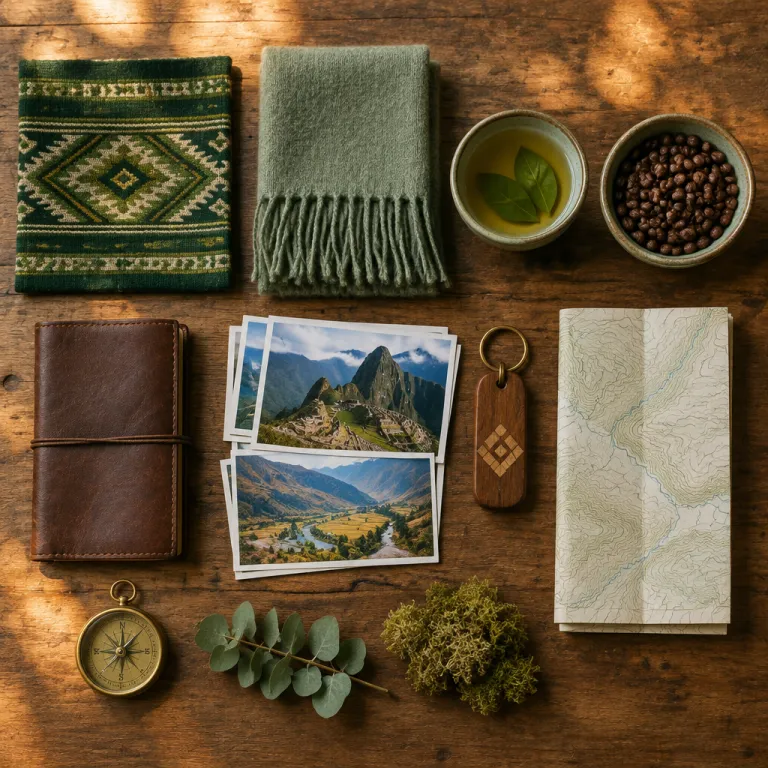
Luxury perspectives on the most iconic tourist places in Peru
Peru offers some of the most varied tourist places in Peru, and luxury travelers can experience them with rare comfort. From the Pacific coast to the Andes mountain ranges, each city and remote place rewards those who take the time to plan well. When you visit Peru with a premium hotel base, every day feels curated and effortless.
For many guests, Lima is the first city and the natural gateway to the most beautiful places in the country. The capital combines acclaimed restaurants, refined sea view suites, and easy access to domestic flights that shorten travel days between regions. Staying in a luxury hotel in Lima at sea level also helps your body adjust before heading to high altitude destinations such as Cusco or Lake Titicaca.
Cusco remains the most strategic city for exploring the Sacred Valley and the legendary site of Machu Picchu. Many travelers plan several days in Cusco to balance time between archaeological sites, gourmet dining, and spa treatments that ease the effects of altitude. Choosing a premium property with oxygen enriched rooms and attentive staff can transform the first day at high altitude into a comfortable acclimatization period.
Among all tourist places in Peru, Machu Picchu stands apart for its setting and symbolism. Luxury travelers often combine a private tour of the citadel with a carefully timed hike to the Sun Gate, enjoying quieter moments when day trip crowds thin. With the right planning, you can appreciate both the Inca engineering and the beautiful mountain scenery without feeling rushed.
The country’s diversity extends far beyond Machu Picchu and Cusco, and a thoughtful itinerary will reflect that. From the Amazon rainforest to the Pacific desert coast, each region offers different things to see, different climates, and different styles of premium accommodation. A specialist travel advisor who knows Peru in depth can help you match each place with the hotel experience that suits your pace and expectations.
Cusco, Sacred Valley, and the refined gateway to Machu Picchu
Cusco is the historic Inca capital and the most elegant base for several key tourist places in Peru. The city sits at around 3 400 metres above sea level, so plan at least two days to adapt before any demanding hike or trek. Many luxury hotels in Cusco offer slow paced arrival experiences, herbal teas, and light menus that make the first day feel gentle rather than overwhelming.
For travelers seeking a refined Andean stay, it is worth reviewing an elegant guide to the best hotels in Cusco before confirming reservations. Top properties such as Belmond Palacio Nazarenas or JW Marriott El Convento Cusco combine restored colonial architecture, quiet courtyards, and suites with oxygen systems that ease high altitude discomfort during the night. This level of detail matters when you want to wake up rested for a full day tour of nearby archaeological sites.
The Sacred Valley lies at a slightly lower altitude than Cusco, and many guests choose to spend several days there between city stays. Towns such as Urubamba and Ollantaytambo offer beautiful views of every mountain ridge, while premium lodges like Tambo del Inka or Sol y Luna provide spa circuits, Andean cooking classes, and private transfers to train stations for Machu Picchu. Splitting your time between Cusco and the Sacred Valley allows you to enjoy both urban charm and rural calm in the same trip.
From Cusco, you can arrange a curated day trip to sites like Pisac, Moray, and the Maras salt terraces, which rank among the most beautiful places in the region. These archaeological sites illustrate the sophistication of Inca agriculture and engineering, and a private guide can explain how each place functioned within the wider empire. Many luxury itineraries pair these visits with a gourmet picnic overlooking the valley, turning a standard tour into one of the best things you will remember.
Travelers interested in more active experiences can plan a short day trek on lesser known trails around the Sacred Valley. These routes offer quieter mountain scenery than the classic Inca Trail, yet still pass ancient terraces, small villages, and viewpoints over the Urubamba River. With a private vehicle waiting at the end of the hike, you return to your hotel in time for a refined dinner and a long rest.
Machu Picchu, inca trail options, and luxury ways to experience picchu
Machu Picchu is the highlight of many journeys and one of the most emblematic tourist places in Peru. The site sits on a narrow ridge above the Urubamba River, framed by steep mountain peaks that create a dramatic setting in any season. To appreciate both the Inca architecture and the surrounding nature, consider spending at least one night near the ruins rather than rushing in a single day.
Travelers who value comfort often choose refined Machu Picchu tour packages that combine premium trains, expert guides, and carefully selected hotels. A dedicated itinerary such as those presented in a refined Machu Picchu tour package collection can coordinate every transfer, ticket, and meal, leaving you free to enjoy the experience. This approach is especially helpful when you want to balance a demanding hike with spa time and gourmet dining.
The classic Inca Trail remains the most famous trek to Machu Picchu, and permits are limited during the dry season from May to September. Luxury versions of this trek use smaller groups, higher comfort tents, and better staff to guest ratios, which make each day trek more pleasant at high altitude. If you prefer shorter walks, you can opt for the one day Inca Trail, which still arrives at the Sun Gate with a memorable first view of the citadel.
Some travelers choose to skip the Inca Trail entirely and focus on a comfortable train journey to Aguas Calientes, followed by a guided tour of the ruins. This option suits guests who want to avoid long days of hiking but still wish to see Machu Picchu and learn about Inca history in depth. You can still include a gentle hike to the Sun Gate or a short section of trail near the site, enjoying the mountain scenery without committing to a full trek.
Whichever route you choose, timing matters for both light and crowd levels at this iconic place. Early morning and late afternoon often feel calmer, and a private guide can adjust the order of things you see to avoid the busiest corners. With thoughtful planning, Machu Picchu becomes not only a famous landmark in South America but also a deeply personal highlight of your travel story.
Rainbow Mountain, cordillera Huayhuash, and high altitude trekking in style
Beyond Machu Picchu, some of the most striking tourist places in Peru are its high altitude landscapes. Rainbow Mountain, known locally as Vinicunca, has become a popular day trip from Cusco for travelers seeking colorful slopes and sweeping mountain views. Because the viewpoint sits above 5 000 metres, it is essential to respect acclimatization days and listen to your body during the hike.
Luxury travelers can arrange private vehicles, flexible departure times, and heated tents or domes for rest stops on the way to Rainbow Mountain. These details shorten walking distances, reduce exposure to cold winds, and allow you to enjoy the beautiful scenery without unnecessary strain. A private guide can also suggest alternative routes or a shorter day trek if conditions or your energy levels change.
For experienced hikers, the cordillera Huayhuash in the central Andes offers one of the most dramatic mountain circuits in South America. This remote range features turquoise lake basins, sharp peaks, and high passes that often exceed 4 700 metres above sea level. Multi day treks here require excellent logistics, and premium outfitters such as Andean trekking specialists provide better equipment, more comfortable camps, and strong support teams that enhance safety.
Because both Rainbow Mountain and the cordillera Huayhuash involve sustained high altitude exposure, planning your travel during the dry season is wise. From roughly May to September, trails are more stable, river crossings are easier, and clear skies reveal the most beautiful places along each route. Even in these months, you should build in rest days between demanding treks and city stays in Cusco or Lima.
When evaluating which mountain experiences to include, consider your previous hiking experience, the number of days available, and how much comfort you expect each night. Some guests prefer a single challenging day trek with a return to a luxury hotel, while others enjoy several days of camping supported by attentive staff. Both approaches can fit into a broader itinerary that also includes cultural things such as museum visits, culinary tours, and time at lower altitude by a lake or the coast.
Lake Titicaca, Colca Canyon, and the southern Andes circuit
The southern Andes host several tourist places in Peru that combine dramatic landscapes with rich cultural traditions. Lake Titicaca, shared between Peru and Bolivia, is the highest navigable lake in the world and sits at around 3 800 metres above sea level. Luxury hotels on the Peruvian shore near Puno offer panoramic views of the lake and curated excursions to nearby islands.
On Lake Titicaca, you can arrange a private boat tour to Taquile or Amantaní, where local communities maintain long standing weaving traditions. These day trips often include gentle walks rather than strenuous hikes, which helps guests manage high altitude while still enjoying beautiful lake vistas. Returning to a premium lakeside suite with oxygen support and warm Andean textiles makes the experience both authentic and comfortable.
Colca Canyon, located near the city of Arequipa, is another highlight of southern Peru and one of the deepest canyons in South America. Many travelers choose to spend two or three days in the region, combining scenic drives, short hikes along the canyon rim, and visits to traditional villages. Luxury lodges here often feature thermal pools fed by natural hot springs, which feel especially rewarding after a cool morning trek.
The Colca region is also known for condor watching, and early morning viewpoints offer some of the best things to photograph in the area. A private guide can help you choose the right time and place to avoid crowds and maximize your chances of seeing these birds in flight. Because the canyon area also lies at high altitude, it is wise to arrive from Arequipa gradually rather than rushing in a single day.
Combining Lake Titicaca and Colca Canyon in one itinerary creates a rich southern circuit that balances cultural visits, scenic drives, and light trekking. You might start in Arequipa, continue to Colca for a couple of days, then move on to Puno and Lake Titicaca before flying back to Lima. Throughout this route, selecting premium hotels with attentive staff and good medical awareness of altitude issues adds an extra layer of reassurance.
Amazon rainforest, coastal escapes, and refined relaxation between adventures
Not all tourist places in Peru involve high altitude or long treks, and many luxury travelers appreciate softer experiences between Andean adventures. The Amazon rainforest in regions such as Tambopata and Iquitos offers warm temperatures, lush vegetation, and wildlife focused excursions that contrast beautifully with mountain landscapes. Premium jungle lodges provide screened suites, gourmet meals, and guided boat tours that reveal the river’s quieter corners.
In the Amazon rainforest, days often start early with birdwatching or canopy walks, followed by relaxed afternoons in hammocks or spa areas. Night boat outings allow you to see different species, while expert naturalist guides explain how each lake, riverbank, and forest clearing supports complex ecosystems. Because humidity is high but altitude is low, many guests find this segment a welcome break after time in Cusco or Lake Titicaca.
Along the Pacific coast, the city of Paracas and the surrounding desert offer another style of retreat among the beautiful places of Peru. Here, luxury resorts face the sea, and guests can arrange yacht outings, visits to the Ballestas Islands, or scenic flights over the Nazca Lines. For a curated overview of refined stays in this region, you can consult a specialist page on desert coast hotels where condors and sea lions share the view.
These coastal and jungle segments work best when placed between more demanding mountain days, creating a natural rhythm in your travel. After a challenging hike or day trek in the Andes, a few days by the sea or in the rainforest allow your body to rest at lower altitude. This balance of active and relaxed segments is one of the best things you can build into a premium itinerary.
When planning, consider how many days you want to allocate to each climate zone and which things matter most to you, whether cuisine, wildlife, or spa time. A thoughtful mix of city stays in Lima, mountain bases in Cusco, and nature retreats in the Amazon rainforest or Paracas will showcase very different faces of Peru. With the right sequence, every place feels fresh, and no segment overwhelms your energy or attention.
Planning time, seasons, and hotel choices for an elegant Peruvian journey
Designing an itinerary around the most compelling tourist places in Peru requires careful attention to time, seasons, and altitude. The dry season from roughly May to September offers the most stable conditions for treks such as the Inca Trail or routes in the cordillera Huayhuash. However, shoulder months can provide fewer crowds at Machu Picchu, Rainbow Mountain, and other popular archaeological sites.
Altitude strategy should guide how you sequence each city and place, especially if you plan to hike or trek. Starting at sea level in Lima, then moving gradually to Cusco, the Sacred Valley, and finally higher regions such as Lake Titicaca or Rainbow Mountain reduces health risks. Building in easy days with light things like museum visits or short walks between more demanding day trek outings helps your body adapt.
Hotel selection is where a luxury and premium booking website for Peru truly adds value. Top properties in Cusco, the Sacred Valley, and near Machu Picchu understand high altitude challenges and offer oxygen, medical support, and flexible meal times for early tour departures. In the Amazon rainforest and coastal regions, the focus shifts to ventilation, mosquito protection, and private guides who tailor each day trip to your interests.
When comparing options, consider not only star ratings but also location relative to key places you plan to visit. A hotel near the train station for Machu Picchu, a lodge close to the best viewpoints in Colca Canyon, or a property within walking distance of central Lima restaurants can save valuable time each day. Over a journey of ten to fourteen days, these small efficiencies accumulate into more relaxed mornings and longer evenings at leisure.
Finally, remember that Peru’s most beautiful places range from sea level coasts to high altitude mountain passes, and each demands different packing and pacing. A well designed itinerary will weave together city sophistication, Inca heritage, mountain adventure, and lake or rainforest calm without feeling rushed. With thoughtful planning and the right premium hotels, your visit Peru journey becomes a seamless sequence of memorable days rather than a race between famous names like Machu, Picchu, Cusco, or Lake Titicaca.
Key statistics for planning luxury travel in Peru
- The city of Cusco sits at approximately 3 400 metres above sea level, while Lake Titicaca reaches around 3 800 metres, which makes acclimatization days essential for most travelers according to guidance from Peruvian health authorities.
- Machu Picchu received around 1.5 million visitors in 2019 according to Peru’s Ministry of Foreign Trade and Tourism, and daily entrance slots are limited by the Peruvian Ministry of Culture, so booking tickets and premium hotel stays several months ahead is strongly recommended in peak dry season.
- The classic Inca Trail to Machu Picchu is restricted to 500 people per day including guides and porters under regulations updated by the Peruvian Ministry of Culture in 2017, which means permits for the most popular months often sell out many weeks in advance.
- The Amazon rainforest covers more than half of Peru’s territory, yet it holds a relatively small share of the population, creating excellent conditions for wildlife focused lodges with low density guest experiences.
- Colca Canyon reaches depths of more than 3 000 metres from rim to riverbed in some sections, making it one of the deepest canyons in South America and a major draw for scenic drives and short treks.
Frequently asked questions about luxury stays near tourist places in Peru
How many days should I plan for a first luxury trip to Peru ?
For a balanced itinerary that includes Lima, Cusco, the Sacred Valley, and Machu Picchu, most luxury travelers plan between ten and fourteen days. This allows time for altitude acclimatization, at least one day trek or gentle hike, and a mix of city and countryside stays. Adding Lake Titicaca, Colca Canyon, or the Amazon rainforest usually requires three to five extra days.
When is the best time to visit Peru for trekking and high altitude experiences ?
The dry season from roughly May to September offers the most reliable conditions for the Inca Trail, Rainbow Mountain, and routes in the cordillera Huayhuash. Trails are generally less muddy, river levels are lower, and mountain views are clearer during these months. Shoulder seasons can still be attractive for travelers who prioritize fewer crowds over perfectly dry weather.
Do I need to worry about altitude sickness in Cusco and other Andean destinations ?
Yes, altitude sickness is a real concern in high cities such as Cusco and Puno, as well as at sites like Rainbow Mountain and Lake Titicaca. Luxury hotels in these areas often provide oxygen, medical support, and advice on pacing your first days. Planning gradual ascents, staying hydrated, and avoiding intense exertion on arrival day significantly reduces risks.
Are luxury options available for visiting Machu Picchu without long hikes ?
There are several premium ways to experience Machu Picchu without committing to the full Inca Trail. You can travel by first class train, stay in high end hotels near the site, and arrange private guided tours that include only short walks. Many travelers choose this approach and still enjoy optional gentle hikes to viewpoints such as the Sun Gate.
How far in advance should I book luxury hotels and tours in Peru ?
For peak dry season months, it is wise to book premium hotels, Inca Trail permits, and key tours at least three to six months in advance. Iconic places such as Machu Picchu, the Sacred Valley, and Lake Titicaca see strong demand for top properties. Shoulder season trips can sometimes be arranged with shorter notice, but early planning still secures better room categories and train schedules.
Suggested references for further factual information : PromPerú (Peru’s official tourism board), UNESCO World Heritage Centre, and the Peruvian Ministry of Culture.