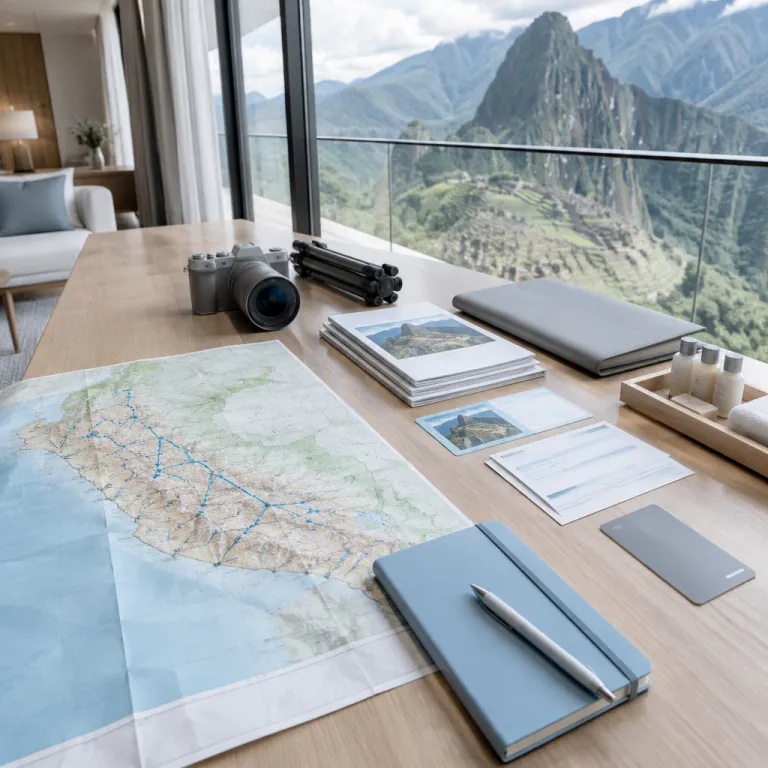
Designing a refined Machu Picchu travel package from Lima to Cusco
Any sophisticated Machu Picchu travel package should begin in Lima, where Peru’s capital city offers world class dining, contemporary art, and elegant coastal views. On your first day in this city, choose a luxury hotel in Miraflores or Barranco and use a curated city tour to balance museums, gastronomy, and time to rest before the high altitude. Many premium tours now include private airport transfers, flexible-length stays in Lima, and a dedicated travel concierge who coordinates every day tour, restaurant reservation, and last-minute change.
From Lima, most travelers fly to Cusco for the next stage of their trip, and this is where the design of your days in Peru becomes crucial. A well planned itinerary spaces out the ascent, often sending guests directly to the lower altitude of the Sacred Valley on arrival day, which reduces the impact of the mountain air and prepares you for the Inca sites ahead. When you compare different tours, look for a clear outline of nights in each destination, transparent timing for every segment, and whether a private city tour of Cusco is included before or after your visit to Machu Picchu.
Luxury travelers often ask how many days Peru deserves when the focus is Machu Picchu and the Sacred Valley. For a balanced experience, plan at least seven to ten days across the country, which allows time for Lima, the valley, a full day at Machu Picchu, and perhaps an extra excursion to Rainbow Mountain or the Nazca Lines. Shorter trips can work, yet a longer schedule lets you enjoy each hotel, every mountain view, and each carefully curated Machu Picchu tour without rushing.
Choosing luxury hotels in Cusco, the Sacred Valley, and Aguas Calientes
Once flights are set, the heart of any Machu Picchu travel package lies in your choice of hotel in Cusco, the Sacred Valley, and Aguas Calientes. In Cusco city, high end properties in former colonial mansions offer serene courtyards, oxygen enriched rooms, and discreet service that eases the transition to altitude. Examples often highlighted in luxury Peru hotel guides include Belmond Palacio Nazarenas and JW Marriott El Convento Cusco, both known for attentive staff and refined Andean design.
In the Sacred Valley, luxury hotels stretch along the Urubamba River, surrounded by mountain peaks and terraced fields that once fed the Inca empire. Here, a refined day tour might combine a private visit to Pisac or Ollantaytambo with a long lunch, then a return to your hotel spa for coca leaf massages and hydrotherapy pools. For travelers seeking deep quiet, properties such as Tambo del Inka or Explora Valle Sagrado, often cited in rankings of Peru’s best retreats where nothing happening is the point, offer meditative stays that pair perfectly with a slower paced trail or gentle Machu Picchu day excursion.
Aguas Calientes, the small city below Machu Picchu mountain, is where many itineraries falter if the hotel choice is rushed. Premium options here, including Inkaterra Machu Picchu Pueblo Hotel and Sumaq Machu Picchu Hotel, provide early breakfast for your morning entry, luggage handling between trains, and calm lounges where you can rest after a full day on the citadel. When comparing tours, ask whether your Machu Picchu program includes one or two nights in Aguas Calientes, because staying an extra day allows a second visit to the ruins at a different time of day.
Structuring your days around Machu Picchu, Huayna Picchu, and the Inca Trail
Designing the core of a Machu Picchu travel package means deciding how you want to experience the citadel and its surrounding mountains. Some travelers choose the classic Inca Trail, a multi day trek that ends at the Sun Gate, while others prefer to arrive by train and focus on a full day guided exploration. Both approaches can be luxurious when supported by expert porters, refined camps, or premium hotel stays before and after the trail, often arranged by reputable operators such as Mountain Lodges of Peru, Explora, or long established Cusco based outfitters.
For those who hike, the Inca Trail in its traditional four day format requires careful acclimatization in Cusco or the Sacred Valley, ideally with two or three days in the region before starting the ascent. Shorter versions of the trail, often one or two days long, pair well with high end lodges in the Sacred Valley, allowing you to enjoy the Inca history without committing to multiple nights under canvas. Non trekkers can still enjoy a sense of adventure by adding a Huayna Picchu climb or a gentler walk to the Inca Bridge during their Machu Picchu day visit.
Inside the sanctuary, a private guide transforms a standard tour into an in depth journey through Inca engineering, astronomy, and daily life. Many luxury tours now include timed entry tickets, a carefully paced circuit that avoids the busiest hours, and the option to return for a second day to see the light change across the mountain ridges. If you prefer to stay close to the ruins, consider one of the luxury stays near the most iconic archaeological sites in Peru, such as Sanctuary Lodge by Belmond next to the entrance, which allows you to step from your hotel directly into the first morning bus queue.
Extending your itinerary to Lake Titicaca, Rainbow Mountain, and the Nazca Lines
A refined Machu Picchu travel package rarely ends at the citadel, because Peru offers other sacred landscapes that complement the Inca heartland. Lake Titicaca, shared between Peru and Bolivia, pairs well with Cusco based itineraries, especially when you travel by luxury train across the altiplano and arrive directly at lakeside hotels. Here, a full day excursion might include a private boat tour to the Uros floating islands and Taquile, followed by a quiet evening watching the mountain silhouettes fade.
Rainbow Mountain, or Vinicunca, has become a popular day tour from Cusco city, yet it demands respect for altitude and weather. Luxury operators now offer slower paced Rainbow Mountain tours with heated vehicles, oxygen on board, and flexible schedules that allow you to turn back if conditions change. When planning your nights in Cusco, place this mountain excursion after you have spent several days in Peru at altitude, ideally following restful stays in a high quality hotel.
On the coast, the Nazca Lines add a different dimension to your trip, connecting ancient geoglyphs with the Inca and pre Inca cultures you have seen in the Sacred Valley. Many travelers choose to fly from Cusco or Lima to the Nazca region, then stay in a comfortable city hotel before taking a morning flight over the lines. If you value seamless logistics, ask your operator whether your Machu Picchu travel package includes private transfers, flexible Machu Picchu tour timing, and coordinated flights that link the Nazca Lines, Rainbow Mountain, and Lake Titicaca without unnecessary backtracking.
Crafting a multi city luxury route across Lima, Cusco, and the Sacred Valley
Thoughtful routing is what elevates a Machu Picchu travel package from a simple trip to a coherent journey across Peru. Start by mapping your preferred city sequence, usually Lima to Cusco to the Sacred Valley to Machu Picchu, then back to Cusco or onward to Lake Titicaca. This structure keeps altitude changes gradual and allows you to enjoy each hotel and city tour without rushing between airports and train stations.
In Lima, use a detailed neighborhood by neighborhood hotel guide to choose between oceanfront towers, restored mansions, and contemporary design properties. Once you have secured your Lima hotel, align your domestic flights so that your arrival in Cusco connects smoothly with a transfer to the Sacred Valley, where you can rest at a riverside property before any demanding trail or mountain excursion. Many premium tours now include private drivers who remain with you for several days across Peru, ensuring that every day tour, Machu Picchu visit, and city transfer follows a calm rhythm.
When you return to Cusco city after Machu Picchu, plan at least one full day to enjoy its plazas, museums, and restaurants. A curated city tour can highlight both Inca foundations and colonial architecture, while leaving time for independent exploration and shopping. If your schedule allows, add an extra night in the Sacred Valley at the end, using a quiet hotel stay to reflect on the journey from Lima’s coast to the high mountain citadel.
Evaluating premium tour operators and hotel booking strategies
Selecting the right company to arrange your Machu Picchu travel package is as important as choosing the destinations themselves. Look for operators who publish clear day by day itineraries, specify how many nights you spend in each city, and detail exactly which hotel categories are included. Transparent pricing, flexible cancellation policies, and responsive communication are non negotiable for a high end trip in Peru.
When comparing tours, examine how each operator handles logistics around Machu Picchu, the Inca Trail, and side trips to Rainbow Mountain or the Nazca Lines. A strong itinerary will show how many days you spend at altitude before any demanding trail or mountain hike, and whether a private guide accompanies you on every day tour. Pay attention to whether your Machu Picchu tour includes timed entry tickets, a second day option, and support for Huayna Picchu permits, which often sell out quickly.
Hotel booking strategy also matters, especially in peak seasons when Machu Picchu and the Sacred Valley fill up months in advance. Many travelers choose to let their operator handle all hotel reservations, yet some prefer to book key properties directly while using the operator only for transport and tours. Whatever your approach, ensure that every hotel aligns with your expectations for service, location, and style, from Lima’s coastal city hotels to quiet lodges in the Sacred Valley and refined retreats close to Lake Titicaca.
Designing a personalized luxury rhythm across Peru’s sacred landscapes
Beyond logistics, the most successful Machu Picchu travel package respects your personal rhythm and reasons for visiting Peru. Some travelers want active days filled with trail hikes, mountain viewpoints, and long tours, while others prefer slower mornings, spa time, and carefully chosen cultural experiences. A skilled travel designer will ask detailed questions about your pace, interests, and previous altitude experience before suggesting any specific day tour or Machu Picchu schedule.
Consider how you like to balance city energy with quiet landscapes when planning your nights. You might spend two days in Lima for gastronomy and museums, three days in the Sacred Valley for Inca sites and relaxation, then two days at Machu Picchu with a possible Huayna Picchu climb or a gentler walk to the Inca Bridge. From there, you could extend your trip to Lake Titicaca for a full day on the water, or to Rainbow Mountain for a carefully paced mountain excursion that complements your earlier Sacred Valley experiences.
Throughout the journey, keep space in your itinerary for unplanned moments, whether that is a spontaneous city tour in Cusco, an extra hour in a hotel spa, or a quiet evening watching the light fade over the mountains. The goal is not to collect as many tours as possible, but to weave a coherent story that links Lima’s coast, Cusco’s historic streets, the Inca Trail, and the terraces of Machu Picchu into one continuous trip. When your days in Peru are shaped with intention, every Machu Picchu tour, every mountain sunrise, and every hotel stay feels like part of a single, elegant narrative.
Key statistics for planning a Machu Picchu focused itinerary
- Average visitor time at Machu Picchu is around 3 to 4 hours per entry, which makes a second day visit valuable if you want both guided touring and quiet photography time (data from Peru’s Ministry of Culture, pre pandemic baseline; check the latest regulations before travel).
- The classic Inca Trail covers approximately 43 km over four days, with passes reaching about 4 215 m, so spending at least two to three days in Cusco or the Sacred Valley beforehand significantly reduces altitude related discomfort for most travelers (information from official trail operator guidelines and regional park authorities).
- Lake Titicaca sits at roughly 3 810 m above sea level, higher than Cusco at about 3 400 m, which is why many itineraries place Lake Titicaca after several acclimatization days in the Cusco region (altitude data from Peruvian geographic surveys and national mapping institutes).
- Rainbow Mountain day tours often reach viewpoints near 5 000 m, making them among the highest altitude excursions commonly included in a Machu Picchu travel package, and they are best scheduled toward the end of your highland stay (figures from regional tourism boards and local guiding associations).
- Domestic flights between Lima and Cusco usually take about 1 hour and 20 minutes, yet travelers are advised to allow at least 3 hours at the airport during busy seasons to account for check in, security, and potential weather delays in the mountain region (operational guidance from major Peruvian airlines and airport authorities).
FAQ about luxury Machu Picchu travel packages
How many days should I plan for a Machu Picchu focused trip ?
For a comfortable pace, plan at least seven to ten days across Peru if Machu Picchu is your main goal. This allows two days in Lima, three or four days in Cusco and the Sacred Valley, and one or two days at the citadel itself. Shorter trips are possible, yet they often feel rushed and leave little margin for altitude adjustment.
Is it better to stay in Cusco or the Sacred Valley before visiting Machu Picchu ?
Many travelers now choose to stay first in the Sacred Valley because it sits at a lower altitude than Cusco city. This approach eases acclimatization while keeping you close to key Inca sites and the train to Aguas Calientes. You can then spend one or two nights in Cusco at the end of your trip for museums, restaurants, and a city tour.
Do I need to hike the Inca Trail to enjoy Machu Picchu ?
You do not need to hike the Inca Trail to have a meaningful Machu Picchu experience. Many luxury itineraries use the train from the Sacred Valley to Aguas Calientes, then include a full day guided visit to the citadel with the option of a second entry. The trail is an excellent choice for hikers, but it is not essential for appreciating the site.
When should I book hotels and permits for a high end itinerary ?
Permits for the Inca Trail and Huayna Picchu are limited and often sell out months in advance, especially in peak dry season. High end hotels in the Sacred Valley and near Machu Picchu also fill quickly during these periods. To secure your preferred dates, book your Machu Picchu travel package, hotels, and key permits at least six to nine months ahead.
Can I combine Machu Picchu with Lake Titicaca and Rainbow Mountain in one trip ?
It is entirely feasible to combine Machu Picchu, Lake Titicaca, and Rainbow Mountain in a single itinerary if you allow enough time. A common route is Lima to Cusco to the Sacred Valley to Machu Picchu, then back to Cusco for Rainbow Mountain and onward to Lake Titicaca by train or flight. Work with an experienced operator to balance altitude, travel time, and hotel stays so the journey remains comfortable and refined.