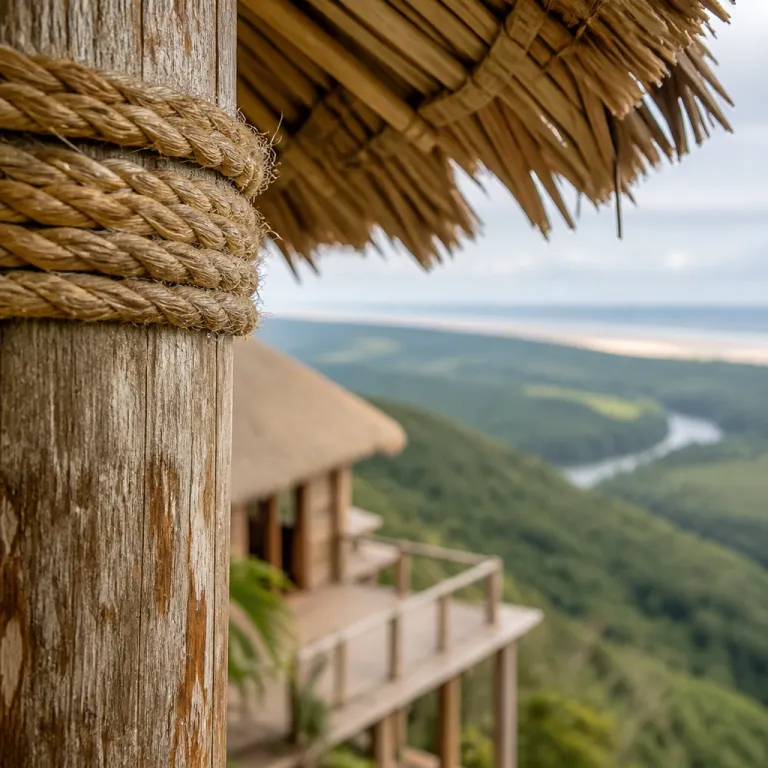
How eco lodges in Peru really work, from Andes to Amazon
Eco lodges in Peru sit at the crossroads of comfort and conservation. An eco lodge here is not just a pretty jungle cabin; it is part of a national shift toward sustainable construction, community partnerships and low impact operations across the Andes, the Peruvian Amazon and the Pacific coast. Lodge owners, local communities and travelers form a three way alliance that shapes how every property is built, staffed and supplied.
Across Peru, roughly 50 nature focused lodges operate in rainforest, highland and desert regions, and they share core principles even when the rooms look radically different. According to PromPerú’s 2023 sustainable tourism brief, most of these projects sit in protected or buffer zones and must meet basic environmental criteria (PromPerú, “Turismo Sostenible en el Perú”, 2023). Operators manage each lodge with tools such as solar energy, rainwater harvesting and waste management systems, while local communities provide cultural knowledge, guiding expertise and traditional building techniques. Guests complete the triangle when they choose eco conscious stays that support conservation and accept that a river lodge or lake lodge may trade air conditioning for natural ventilation and a closer connection to the surrounding rainforest.
The working definition used by many Peruvian partners is simple and precise. “What is an eco-lodge? An eco-lodge is a sustainable accommodation emphasizing environmental responsibility and local community support.” “Are eco-lodges comfortable? Yes, they offer comfortable amenities while maintaining eco-friendly practices.” “How do eco-lodges benefit local communities? They provide employment, support local businesses, and promote cultural exchange.” Those three statements frame what you should expect from Peru eco lodge listings, whether you are booking a jungle refugio near the Amazon River or an Andean retreat with adobe walls and solar heated water. Later in this guide, the FAQ revisits these points with concrete examples from the Peruvian Amazon, the Sacred Valley and the coastal desert so you can cross check definitions before you book.
Amazon rainforest lodges: decoding tambopata, madre de dios and beyond
The densest cluster of eco accommodation in Peru lies in the Amazon rainforest, especially around the Tambopata region and the Madre de Dios River corridor. Here, the word lodge usually means wooden structures raised on stilts, open air rooms with mosquito nets and longboat transfers along a coffee coloured river that feels a world away from Lima. When you book in this part of the Peru Amazon, you are choosing how close you want to be to wildlife, how remote you are comfortable feeling and how much structure you want in your daily program.
Names repeat across booking engines, so it helps to understand the differences between properties such as Refugio Amazonas, Posada Amazonas and Reserva Amazónica. Refugio Amazonas and Posada Amazonas are operated by Rainforest Expeditions, a company known for its strong community partnerships and research programs in the Peruvian Amazon, while Inkaterra Reserva Amazónica, often shortened to Inkaterra Reserva or Reserva Amazonica, is part of the Inkaterra portfolio that sets the national benchmark for science based conservation. All three sit within reach of Puerto Maldonado in the Tambopata province of Madre de Dios, but each lodge offers a distinct balance of comfort, wildlife access and cultural immersion, from clay lick excursions to canopy towers with sweeping rainforest view lines.
For solo travelers, the Tambopata center of operations around Puerto Maldonado is a practical starting point because transfers, group departures and guide ratios are easier to manage. Many Peru jungle lodge options here include shared excursions to Sandoval Lake, a classic oxbow lake where you glide in a wooden lake lodge canoe at dawn while macaws and giant river otters patrol the banks. Before you book any rainforest lodge in this part of the Amazon, ask about maximum group size, whether your room has full walls or open screens, and how many hours of river travel your stay will require, then cross check your answers with seasonal advice from highland focused guides who understand how the dry season shapes both jungle humidity and Andean clarity, such as the properties featured in this guide to dry season stays where every room faces the Andes.
Inkaterra and rainforest expeditions: the gold standard for eco lodges peru
When travelers talk about eco lodges Peru at a serious conservation level, two names surface repeatedly: Inkaterra and Rainforest Expeditions. Inkaterra has spent decades turning properties such as Inkaterra Reserva Amazónica, Inkaterra Hacienda Urubamba and Inkaterra Machu Picchu Pueblo into living laboratories, where canopy walkways, orchid trails and butterfly houses double as guest experiences and research platforms. Rainforest Expeditions, for its part, uses lodges like Posada Amazonas, Refugio Amazonas and the Tambopata Research Center, often called the Tambopata Center, to fund long term monitoring of macaws, jaguars and forest regeneration.
At Inkaterra Reserva Amazónica, your river lodge cabin sits under towering trees on the banks of the Madre de Dios River, and every room is designed to maximise airflow rather than rely on energy hungry cooling systems. Entry level cabañas usually sleep two guests, while larger suites add plunge pools and private terraces, and nightly rates typically start around US$350 per person including meals and excursions, based on Inkaterra’s 2024 tariff sheets. Over in the Sacred Valley, Inkaterra Hacienda Urubamba translates the same eco philosophy into stone and adobe, with farm to table menus and trails that link the lodge to surrounding communities and terraced hillsides. Near Machu Picchu, the property often referred to as Picchu Pueblo, officially Inkaterra Machu Picchu Pueblo Hotel, wraps its rooms in cloud forest gardens, turning each stay into a slow motion botany lesson that continues long after your trip to the citadel.
Rainforest Expeditions takes a slightly different approach, leaning into citizen science and community co ownership at lodges such as Posada Amazonas and Refugio Amazonas. Guests might help check camera traps after a night in a simple but comfortable room, then paddle across a mirror calm lake near Sandoval Lake or another oxbow lagoon to watch hoatzins and caimans at first light. The company reports that long term macaw monitoring at the Tambopata Research Center has produced one of the world’s largest datasets on clay lick behaviour since the 1990s, with findings published in journals such as Biological Conservation (Rainforest Expeditions, “Research Highlights”, 2022). If you are planning a proposal or a milestone celebration, pairing a few intense nights at a jungle refugio with a high comfort Andean property can work beautifully, and curated collections such as this overview of proposal worthy Peruvian suites and settings help you match rainforest drama with the right valley or coastal finale.
High altitude eco lodges: sacred valley, machu picchu and beyond
Eco lodges in Peru are not confined to the Amazon River basin; some of the most thoughtful projects sit above 2 800 metres in the Sacred Valley and around Cusco. Here, the eco label usually means thick adobe walls for thermal mass, solar panels on discreet roofs and organic gardens that supply the kitchen rather than dense jungle pressing against your room. Properties such as Inkaterra Hacienda Urubamba and Willka T'ika in the Sacred Valley show how a lodge can feel luxurious while still operating on a low impact, garden based philosophy.
Willka T'ika, for example, is a wellness focused retreat between Cusco and Machu Picchu, known for its chakra gardens, yoga spaces and carefully calibrated group retreats that run on specific June, August and October dates. The rooms are simple but warm, with thick blankets and local textiles, and the view from many windows takes in terraced hillsides rather than rainforest canopy, yet the eco principles are as rigorous as any jungle river lodge. In this highland context, Peru eco retreats often prioritise cultural immersion, with Quechua led walks, textile workshops and visits to nearby communities that turn your stay into a slow, altitude aware trip rather than a rushed checklist.
Near Machu Picchu itself, the town of Aguas Calientes hosts several properties that blend eco credentials with access to the citadel, and Inkaterra Machu Picchu Pueblo stands out for its cloud forest restoration work. The hotel’s 12 hectare reserve shelters hundreds of orchid species and more than 200 recorded bird species, according to Inkaterra’s 2021 biodiversity report, and ongoing reforestation projects aim to reconnect fragmented habitat along the valley. Guests move between stone paths, orchid gardens and hummingbird filled clearings before returning to rooms that feel cocooned from the bustle of the railway line. If you are planning to pair highland eco lodges with Lima’s gastronomic scene, it is worth mapping your nights around key tasting menus, and resources such as this Lima focused guide to where to sleep near Central, Maido and Kjolle help you keep your carbon footprint reasonable while still enjoying Peru’s most ambitious kitchens.
Coastal and desert eco stays: paracas, nazca and the pacific edge
The coastal chapter of eco lodges Peru looks very different from the jungle or the Andes, because water scarcity and wind define life along the Pacific. Around Paracas and the Nazca hinterland, an eco lodge is often a low slung complex that uses solar power, greywater recycling and careful landscaping to reduce evaporation, rather than a rainforest refugio with boardwalks and canopy towers. Here, the view is more likely to be sand dunes and ocean than tangled vines, yet the same principles of energy efficiency and community engagement apply.
In Paracas, several lodges and hotels have invested in solar arrays and desalination or water treatment systems, allowing them to maintain comfortable rooms and pools without overtaxing fragile aquifers. A coastal lake lodge style property near the Paracas National Reserve might sit beside a shallow lagoon, using native plants to stabilise dunes and provide habitat for flamingos and migratory birds. When you book an eco stay on this stretch of coast, ask about their water management strategy, whether they support local fishing cooperatives and how they handle waste in a region where landfill options are limited.
Further south, desert lodges near Nazca and the Ica oasis experiment with earth sheltered architecture and natural ventilation to keep each room cool, echoing the passive design strategies seen in high altitude eco lodges. These properties may not sit in the Peruvian Amazon, but they are part of the same national movement toward sustainable travel, and they often work with local communities to offer guided trips into the desert or along the coast. For solo travelers, coastal eco lodge options can provide a softer landing before or after more intense days in the Amazon rainforest or at high altitude, especially if you value reliable connectivity and shorter transfer times.
The solo traveler’s checklist for booking eco lodges in Peru
Booking eco lodges in Peru as a solo traveler requires a slightly different lens, because you are balancing safety, social dynamics and logistics alongside sustainability. Start by clarifying how structured you want your stay to be, since some jungle lodges such as Refugio Amazonas or Posada Amazonas run fixed departure programs, while others near Puerto Maldonado or in the wider Peru Amazon offer more flexible, à la carte excursions. In the Sacred Valley or along the coast, eco friendly hotels may feel more like independent bases, where you can shape each day around your own pace and appetite for guided activities.
Before you commit to any lodge, ask specific questions about group sizes on excursions, guide to guest ratios and the typical profile of visitors during your travel window. In the Amazon rainforest, for example, a smaller boat group on the Madre de Dios River or a quieter hide at Sandoval Lake can transform your wildlife experience, while in highland properties near Machu Picchu or the Sacred Valley, you might prioritise access to sunrise trails and cultural visits over late night bar scenes. Clarify transfer logistics in detail, including how many hours you will spend on the Amazon River or mountain roads, what happens if your flight is delayed and whether the lodge can accommodate early or late arrivals safely.
Connectivity is another key variable, especially if you work remotely or need to check in with family during your trip. Many rainforest ecolodges in the deeper Peruvian Amazon deliberately limit or remove Wi Fi to protect both wildlife and the sense of immersion, while highland and coastal eco lodges often provide stronger connections in common areas but keep rooms intentionally quiet. Finally, remember that sustainable travel in Peru is a long game, so choosing a lodge that supports local communities, invests in conservation and treats staff as long term partners will have more impact than any single reusable bottle you pack in your bag.
Key figures and certifications behind eco lodges in Peru
- Peru hosts around 50 recognised eco lodges across the Andes, Amazon and coastal regions, a scale that allows meaningful choice without diluting standards, according to data from the Peruvian Tourism Board’s 2022 sustainable accommodation registry (PromPerú, “Registro de Alojamiento Sostenible”, 2022).
- Eco tourism in Peru has grown at roughly 8–10 % annually in recent years, based on World Tourism Organization regional reports for South America (UNWTO, “Tourism Trends: South America 2018–2022”), reflecting a sustained shift in traveler demand toward rainforest, highland and desert experiences with lower environmental impact.
- Many leading eco lodges Peru properties pursue third party certifications such as Rainforest Alliance, LEED or Green Key, while others align with national ecotourism guidelines issued by MINCETUR that emphasise community partnerships and conservation outcomes (MINCETUR, “Lineamientos de Ecoturismo”, 2021).
- In the Amazon rainforest, travel times from Puerto Maldonado to major lodges typically range from 45 minutes to 3 hours by river, a factor that significantly shapes how remote your stay will feel and how much wildlife you are likely to encounter, as outlined in Rainforest Expeditions’ 2023 guest logistics summary.
- Across Peru, eco lodges commonly integrate solar energy, rainwater harvesting and advanced waste management systems, combining traditional building methods with modern sustainability tools to reduce long term operating impacts, a pattern highlighted in PromPerú’s “Turismo Sostenible en el Perú” overview (2021).
FAQ about eco lodges in Peru
What is an eco lodge in the Peruvian context ?
In Peru, an eco lodge is a property that combines comfortable rooms and quality guiding with concrete sustainability measures such as renewable energy, water conservation, waste reduction and active support for nearby communities. Many of the best examples sit in the Peruvian Amazon, the Sacred Valley and the coastal desert, where design responds directly to local climate and culture. Certification from organisations like Rainforest Alliance, LEED or Green Key, or alignment with national ecotourism standards from MINCETUR, helps verify that these commitments go beyond marketing language.
Are eco lodges in the amazon rainforest comfortable enough for a first time visitor ?
Most established eco lodges Peru options in the Amazon rainforest, especially around Tambopata and Madre de Dios, offer comfortable beds, private bathrooms and well maintained common areas, even when rooms are open to the sounds of the jungle. Properties such as Inkaterra Reserva Amazónica, Posada Amazonas and Refugio Amazonas balance rustic materials with thoughtful details like quality linens and good mosquito protection. The main trade offs are usually limited air conditioning, variable Wi Fi and the need to walk on boardwalks or trails rather than paved corridors.
How do eco lodges support local communities in Peru ?
Eco lodges in Peru often employ residents from nearby villages as guides, boat drivers, cooks and maintenance staff, creating stable jobs in regions where alternatives can be scarce. Many lodges source food, handicrafts and building materials locally, and some, such as Posada Amazonas with the Ese Eja community, operate under joint ownership models that share profits and decision making. This approach turns each stay into a small but tangible contribution to community development and cultural preservation.
When is the best time to stay at eco lodges in the amazon and the Andes ?
The Amazon rainforest around Puerto Maldonado and Tambopata is generally more accessible during the drier months, when river levels and rainfall patterns make trails and boat trips more predictable. In the Andes, including the Sacred Valley and areas around Machu Picchu, the dry season brings clearer skies, better mountain views and more stable trekking conditions, though nights can feel colder at altitude. Coastal eco lodges near Paracas and Nazca see relatively stable weather year round, with cooler, mistier months that suit travelers who prefer softer light and fewer crowds.
How far in advance should I book eco lodges in Peru ?
For peak dry season dates in both the Peruvian Amazon and the highlands, it is wise to book eco lodges Peru properties several months ahead, especially if you want specific room categories or small group departures. Community run lodges and high demand brands such as Inkaterra and Rainforest Expeditions can fill quickly because they limit capacity to protect the environment and maintain guide quality. Shoulder season trips offer more flexibility, but even then, confirming your lodge before arranging flights and trains helps align transfers, excursions and onward connections smoothly.