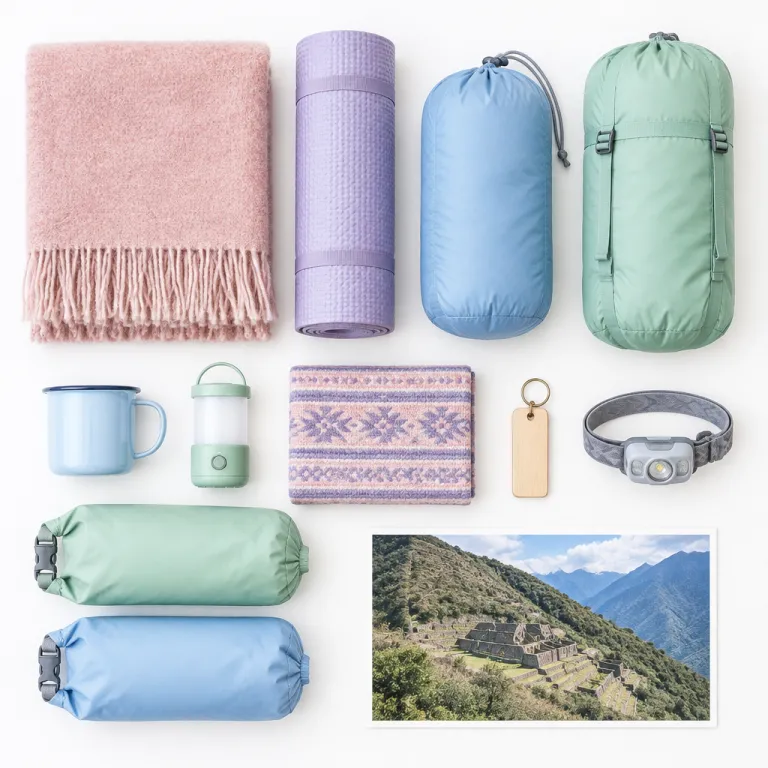
Why Choquequirao belongs in a luxury Peru trekking portfolio
Choquequirao sits on a high ridge above the Apurimac canyon, facing the snow peaks of the Vilcabamba range in the Andes. The site rises at about 3,033 meters, or close to 9,950 feet, according to Peru’s Ministry of Culture, which gives it an atmosphere that feels both remote and intensely alive. For families used to the classic Inca Trail to Machu Picchu, this quieter route in Peru offers a different kind of adventure and a more exploratory feel.
Where Machu Picchu and the nearby Sacred Valley can feel busy in peak months, the Choquequirao trek still lies firmly off the beaten path. Visitor numbers remain a fraction of those at the more famous Inca ruins, and the four to five trek days between Capuliyoc and the terraces above the Apurimac River create a sense of journey that many premium travelers now seek. This is where the idea of “choquequirao trek lodges peru” and dedicated Choquequirao lodges becomes compelling, even though the current reality is still campsite based along much of the trail.
The route from Cusco to the trailhead already sets the tone for a serious day trip transfer, with winding roads that frame breathtaking views of the canyon and distant snowfields. Once you leave Capuliyoc, the trail drops steeply toward Chiquisca and Santa Rosa, and the difficulty rating quickly moves from moderate challenging to genuinely demanding. Families considering a day trek segment rather than the full Choquequirao trek should be honest about fitness levels, altitude response and how many hours of descent and ascent children can realistically manage on this section of the Andes.
Base lodges in Cusco and the Sacred Valley for pre and post trek comfort
For most travelers, the journey to Choquequirao begins in Cusco, where altitude acclimatization and thoughtful hotel choices matter as much as packing the right trekking poles. Spending two or three days in a premium property at around 3,400 meters, then dropping to a Sacred Valley lodge at roughly 2,800 meters, creates a gentle altitude profile before you tackle the canyon. This staged approach is especially valuable for families planning several trek days, because rested children handle the steep trail sections far better and enjoy the guided tour experience more.
In Cusco, look for luxury hotels that understand early breakfast needs, luggage storage during the trek and flexible check in on return from a long day trip back from Capuliyoc. Properties that regularly host guests heading to the Inca Trail or to alternative routes like Salkantay tend to have refined systems for gear storage, packed lunches and reliable transfers. When you are comparing suites or even exclusive villas in Peru, use a specialist guide such as the advice on how to book exclusive villas in Peru for an unforgettable stay to align amenities with your trekking plans and your preferred Choquequirao trek accommodations.
Down in the Sacred Valley, premium family friendly lodges near Urubamba or Ollantaytambo offer gardens, riverside lawns and quieter nights than central Cusco. These days lodge stays can be combined with gentle acclimatization hikes, short cultural tours and even a guided tour to nearby Inca ruins before you head toward the Apurimac canyon. For parents balancing work calls, school schedules and the logistics of a trek in Peru, this valley pause becomes a strategic reset rather than just another stop, and it anchors the more rustic nights that follow on the Choquequirao trail.
Imagining lodge to lodge comfort on the Choquequirao trail
At present, accommodation along the Choquequirao trek is simple, with basic lodges and campsites at Chiquisca, Santa Rosa and Marampata providing shelter, meals and a place to rest. The current situation that “Are there accommodations along the trek?” and “Yes, campsites and basic lodges are available.” remains accurate, and families should plan around this level of comfort. Yet the success of the Mountain Lodges of Peru model on the Salkantay and Lares routes shows how lodge to lodge trekking could evolve here in the coming years if similar Choquequirao trek accommodations were developed.
Imagine a string of small, high quality properties spaced across the 64 kilometers of trail between Capuliyoc and Choquequirao, each positioned to break the hours difficulty into manageable segments. One day’s lodge might sit above the Apurimac River with terraces facing the canyon, while another near Marampata could offer hot showers, refined Andean cuisine and interconnecting rooms for parents and children. This kind of infrastructure would transform the moderate challenging profile of the current trek into a more accessible adventure for multi generational groups and for travelers who usually prefer lodge based itineraries.
For now, the most realistic way to bring a lodge to lodge sensibility to this route is to pair luxury hotels in Cusco and the Sacred Valley with the best available campsites and simple rooms on the trail. When you return from the ruins of Choquequirao after a long day of exploration, knowing that a premium mountain hotel awaits back in the highlands changes the psychological equation. Guides who also work on other Andean routes, and who understand the standards described in resources on premium mountain hotels in Peru, can help you calibrate expectations honestly and choose the right balance between comfort and immersion.
The cable car question and the future of Choquequirao access
Plans for a cable car into the Apurimac canyon have circulated for years, with proposals to link the rim near Capuliyoc to a station closer to the Choquequirao ruins. If built, such infrastructure would turn what is now a four to five day trek into a possible day trip for many visitors. That shift would inevitably change the character of the trail, the role of local guides and the type of accommodation that makes sense along the route, from simple campsites to more developed Choquequirao lodges.
For luxury travelers, the cable car debate is really about choosing between a slower, more demanding adventure and a more accessible, time efficient visit. A cable assisted day trek could allow families with younger children, or those short on days in Peru, to experience at least part of the site without committing to several trek days and nights in basic camps. Yet the current approach, where you earn every meter and every foot of altitude gain and loss on the trail, creates a depth of connection that a quick ride across the canyon cannot replicate or replace.
There is also the question of how a cable car would interact with the Inca Trail and the broader trekking portfolio around Cusco and Machu Picchu. The classic Inca Trail already operates on a strict permit system, while alternatives like Salkantay and Lares absorb travelers who either miss out on permits or prefer less crowded paths. Choquequirao, with a large portion of its terraces and plazas still unexcavated according to Peru’s Ministry of Culture, currently offers a different kind of space, and the way you sleep before and after the trek will continue to define the experience as much as any future lift system.
Family logistics, guided support and where to actually sleep
For families, the key question is not only where to sleep, but who will manage the moving parts between Cusco, the Sacred Valley and the Apurimac canyon. Local guides and campsite operators along the Choquequirao trek have refined a rhythm that balances mule support, meal times and realistic hours on the trail. The guidance that “What is the difficulty level of the Choquequirao Trek?” and “Challenging due to steep ascents and descents.” remains the baseline for any planning and for choosing appropriate Choquequirao trek accommodations.
Most itineraries follow a pattern of four to five days, with a first day trek from Capuliyoc down to Chiquisca, a second push through Santa Rosa to Marampata, and a third day focused on the ruins themselves. Families often then retrace their steps over one or two additional trek days, depending on fitness and how children handle the difficulty of the return climbs. Throughout, a guided tour led by an experienced local team is strongly recommended, both for safety and for the depth of Inca history they bring to each terrace and plaza.
Back in Cusco, consider aligning your stay with cultural events or quieter periods, and use resources such as this insider guide to where to stay for the Sun Festival without the day trip rush on experiencing Cusco’s Sun Festival without the day trip rush. These travel tips help you weave Choquequirao into a broader Peru itinerary that might also include Machu Picchu, the Sacred Valley and even coastal or Amazon extensions. In that wider context, the phrase “choquequirao trek lodges peru” becomes less about a single trail and more about how you orchestrate nights in refined Andean properties around a demanding, unforgettable canyon crossing.
FAQ
How many days do you need for the Choquequirao trek with a family?
Most families should plan four to five days for the Choquequirao trek, following the standard pattern of two days to reach the ruins, one full day of exploration and one or two days to return. This allows time for rest, photo stops and managing the steep ascents and descents without rushing children. Trying to compress the route into fewer trek days usually makes the experience feel punishing rather than rewarding and can undermine the benefits of careful acclimatization.
Is a guide necessary for the Choquequirao trek, or can we go independently?
The advice that “Is a guide necessary for the trek?” and “Recommended for safety and navigation.” reflects the reality on the ground. Trails can be exposed, weather in the Andes changes quickly and local guides know water points, safe campsites and how to pace the group. For families, a guided tour also adds context about Inca history, flora and fauna that keeps younger trekkers engaged and makes long days feel more purposeful.
Can children under 12 realistically complete the Choquequirao trek?
Children under 12 can sometimes complete the trek, but only if they are already used to long hikes and altitude. The combination of steep descents into the Apurimac canyon, hot afternoons near the river and long hours on the return climbs makes this more than a casual day trek. Many families choose to wait until children are in their early teens, or to attempt only part of the route with mule support and flexible turnaround points agreed in advance with their guide.
How does Choquequirao compare to the Inca Trail and Machu Picchu?
The Inca Trail to Machu Picchu offers more infrastructure, defined campsites and a permit system that controls numbers, while Choquequirao remains wilder and far less visited. Machu Picchu itself is easier to reach by train and bus, making it suitable for a wider range of travelers, including those who do not trek at all. Choquequirao, by contrast, rewards those willing to tackle a moderate challenging route with fewer crowds, expansive ruins and some of the most breathtaking views in Peru.
What altitude and distance should we expect on the Choquequirao trek?
The Choquequirao ruins sit at around 3,033 meters, or close to 9,950 feet, while the Apurimac River at the canyon floor lies much lower, creating significant daily altitude changes. The full out and back distance is roughly 64 kilometers, spread over several trek days that include both long descents and demanding climbs. Proper acclimatization in Cusco or the Sacred Valley, combined with light packs and mule support, makes these numbers manageable for fit, well prepared travelers who choose their Choquequirao trek accommodations with care.