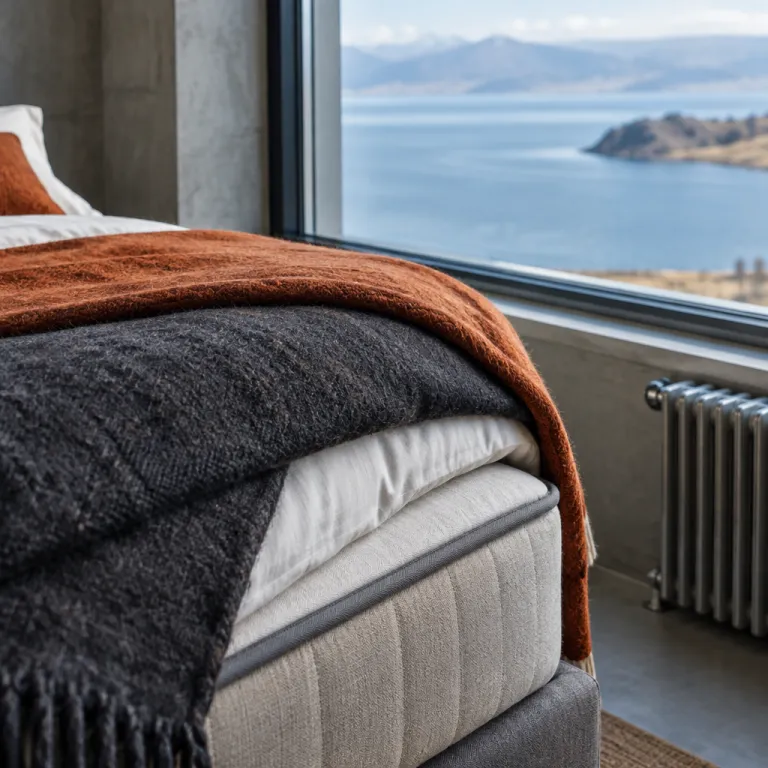
Lake Titicaca’s altitude and what it means for luxury travelers
Lake Titicaca sits at roughly 3,812 metres (12,507 feet) above sea level, higher than Cusco and most points on the Inca Trail. That single altitude number reshapes what high-end hotels in Puno must deliver, because thin air, intense light and sharp temperature drops define every hour of your stay. A property that feels like pure luxury at sea level in Peru can feel underpowered here if room heating, oxygen awareness and guest pacing are not carefully designed.
The lake itself is vast and metallic blue, a high Andean sea where every cloud reflection feels magnified by the elevation. Around the water, the city of Puno climbs the hillsides, and travelers quickly sense how even short walks between hotels, a restaurant and the main plaza can leave them breathless during the first days. This is why thoughtful Lake Titicaca hotels in Puno build in slow check-in rituals, offer coca tea on arrival and quietly encourage guests to rest in their rooms before any ambitious excursions.
Luxury here is not only about thread count or a stylish bar; it is about how a hotel anticipates altitude sickness, hydration and warmth while still feeling romantic and indulgent. The best Lake Titicaca accommodation in Puno provides strong in-room heating, thick duvets and sometimes oxygen support, turning each superior room into a cocoon against the cold nights. When you book a hotel in this part of Peru, ask specific questions about heating, window insulation, lake-view exposure and whether free Wi-Fi works reliably in all rooms, because these details matter more at 3,800 metres.
Where to stay: Puno, peninsulas and private island retreats
Choosing where to sleep around Lake Titicaca is really a choice between access and seclusion. Staying in the city of Puno places you close to the port, restaurants, the main bar scene and practical services, while peninsula and private island hotels on the lake trade that convenience for silence, views and a stronger sense of the Altiplano. For many travelers, the best strategy is to split several days between a Puno hotel for easy logistics and a more remote property on the lake for deep calm.
In Puno itself, larger hotels around the lakeshore often market themselves as lake specialists, promising a direct lake view from many rooms and quick boat access to the Uros floating islands and other communities. When you read reviews on platforms such as Booking.com, Google or TripAdvisor, focus less on décor and more on how the hotel manages altitude, heating and hot water at busy times. A good city hotel at Lake Titicaca’s elevation will offer reliable free Wi-Fi, an efficient buffet breakfast timed for early departures and a restaurant that understands guests may want lighter dishes on their first day.
Further out, peninsula properties and private island retreats on Lake Titicaca lean into immersion, with rooms oriented toward sunrise panoramas and long decks that hover above the water. These lakeside lodges usually include full board, so the quality of the in-house restaurant and bar becomes central to your experience, especially when you stay several days. If you are considering a high-end lodge such as Titilaka, read a detailed lodge profile and price breakdown on a specialist site or in a trusted guidebook offering an honest Titilaka lodge review, so you understand exactly what level of service and lake access you are paying for.
Sequencing your itinerary: why the lake should rarely come first
Lake Titicaca may look like an obvious first stop after landing in Peru, but the altitude makes that a risky choice for many travelers. Sensible sequencing means spending a few days at lower elevations such as Lima, Arequipa or the Sacred Valley before heading to high-altitude hotels in Puno. By the time you reach the lake, your body will usually handle the thin air better, and your room can focus on romance rather than rescue.
Many couples pair a stay at Lake Titicaca with time in Cusco and a journey to Machu Picchu, sometimes including a section of the Inca Trail. In that case, it often works better to start with the Sacred Valley, then Cusco, then the lake, because each step gently increases altitude instead of jumping straight to 3,800 metres. If you are curious about how seriously different properties treat high elevation, a guide to oxygen-enriched suites in Cusco hotels can be a useful benchmark for evaluating whether a lakefront hotel in Puno is equally altitude aware.
Arriving at the lake too early in your travel plan can turn even a luxury room into a place where you simply endure altitude sickness rather than enjoy the view. When you design your itinerary, keep transfer times modest on the first days and avoid combining long overland travel with immediate high-altitude arrivals. The best time to schedule Puno and the lake is once you already know how your body reacts to height, so you can choose between city hotels, peninsula lodges and island stays with confidence.
Inside the room: what high altitude luxury must quietly solve
At 3,800 metres, a luxury room on Lake Titicaca has a different job description from a similar category in Lima or along the coast. The Lake Titicaca hotels in Puno that stand out are the ones that treat each room as a wellness capsule, balancing warmth, oxygen, hydration and rest without turning the space into a clinic. You feel it the moment you step inside and notice the heating already on, the windows sealed against the wind and a carafe of water waiting beside the bed.
Look for hotels that specify double glazing, strong in-room heating and high-quality bedding, because nights around Lake Titicaca can be sharply cold even when days feel bright. A superior room should offer enough space to lounge without feeling cramped, with armchairs angled toward the lake view so you can enjoy the light without exertion. Thoughtful touches such as a humidifier, extra blankets, herbal teas for sleep and clear information about altitude sickness symptoms show that the hotel understands what 3,800 metres really means.
Technology matters too, but it should serve comfort rather than distraction; free Wi-Fi that works in all rooms allows you to plan excursions, while subtle lighting and quiet radiators protect the sense of calm. Some properties in Puno and around the lake partner with local clinics or have oxygen available on request, which can be reassuring for travelers who know they are sensitive to altitude. When you read recent guest reviews, pay attention to repeated comments about room warmth, hot showers and noise insulation, because these are the pressure points that separate true luxury from a pretty façade at this elevation.
Dining, culture and the quiet rewards of the Altiplano
Once your body has adjusted, the rewards of staying at altitude-focused hotels in Puno become clear in the smallest moments. Morning light pours across the lake, and from the right hotel terrace you can watch reed boats glide past the Uros islands while sipping coffee in the crisp air. The combination of elevation, silence and endless water creates a sense of edge-of-the-world calm that feels very different from the energy of Machu Picchu or the bustle of Copacabana across the border.
Food plays a central role in how you experience this part of Peru, because a good restaurant can keep you close to your room on the first days while still connecting you to local culture. Many lakeside properties now highlight Andean ingredients, serving quinoa soups, lake fish and herb infusions that are gentle on the stomach yet deeply rooted in the Inca agricultural legacy. When a Casa Andina property or an Andean-style boutique hotel invests in a strong Uros-inspired restaurant concept, it allows travelers to taste the region without overexerting themselves with repeated trips into the city.
Evening life tends to be quiet, centred on a small bar, a fireplace and long conversations rather than late-night parties, which suits the altitude and the thin air. Some couples use this time to plan the next stages of their travel through Peru, perhaps moving on from Puno to larger cities where elegant stays in Lima or Arequipa await, while others simply sit by the windows and watch the last lake reflections fade into darkness. In both cases, the real luxury is how the hotel has shaped the room, the restaurant and the rhythm of your days so that altitude becomes a backdrop to intimacy rather than an obstacle.
How brands, locations and services shape your Lake Titicaca stay
Different brands and locations around Lake Titicaca express luxury in distinct ways, and understanding those nuances helps you choose the right stay. In the city of Puno, chains such as Casa Andina often balance reliable service, consistent rooms and practical perks like free Wi-Fi with quick access to the port and urban restaurants. Out on the peninsulas or islands, independent lodges and properties like a GHL hotel on the lakefront may lean more heavily into design, isolation and curated excursions to the Uros or Taquile.
When comparing lakeside hotel options, look beyond headline photos and focus on how each property talks about altitude, room configuration and services. A superior room category should clearly state whether it offers a guaranteed lake view, what heating system it uses and whether the buffet breakfast is timed for early boat departures. Pay attention to reviews that mention staff responsiveness to altitude sickness, the availability of oxygen or medical support and how flexible the restaurant is with lighter menus on the first days.
Couples who value city energy may prefer to stay in Puno itself, using taxis or private transfers to reach the port, while those seeking deep quiet will gravitate toward lakeshore properties on quieter shores. Either way, the best time to book is once you have mapped your wider Peru travel route, including whether you will visit Machu Picchu, walk part of the Inca Trail or spend extra nights in larger cities covered by curated guides to elegant stays in the country’s main urban centres. In the end, the most successful Lake Titicaca hotels in Puno are the ones that align their rooms, restaurants and services with the realities of 3,800 metres, turning a challenging environment into a setting for slow, considered luxury.
FAQ
Is Lake Titicaca higher than Cusco, and how does that affect hotel stays?
Lake Titicaca sits significantly higher than Cusco, which means the air is thinner and nights are colder. This affects hotel stays because heating, insulation and oxygen awareness become essential parts of luxury, not optional extras. Travelers should choose properties that address altitude directly through room design, staff training and clear guidance on acclimatisation.
How many days should I spend in Puno and on Lake Titicaca?
Most travelers find that two to three days in Puno and around the lake strikes a good balance between acclimatisation, cultural visits and rest. One night often feels rushed, especially if you want to visit the Uros floating islands and another island such as Taquile. Longer stays make sense if you choose a remote peninsula or island lodge designed for slow travel and extended lake time.
What should I look for in a luxury room at 3,800 metres?
At this altitude, a luxury room should prioritise warmth, quiet and rest alongside aesthetics. Look for strong heating, double glazing, high-quality bedding and a layout that lets you enjoy the lake view without exertion. Extras such as humidifiers, herbal teas, oxygen on request and staff trained to recognise altitude sickness are strong indicators of a serious high-altitude approach.
Is it better to stay in Puno city or on a peninsula or island?
Staying in Puno city offers easy access to the port, restaurants and services, which suits travelers who like flexibility and urban energy. Peninsula and island stays provide more seclusion, stronger views and a deeper sense of the Altiplano, but you rely heavily on the in-house restaurant and bar. Many couples split their time between both, starting in the city and then moving to a quieter lodge once acclimatised.
Who should be cautious about sleeping at Lake Titicaca’s altitude?
Travelers with heart or lung conditions, a history of severe altitude sickness or concerns about high elevation should speak with a medical professional before planning a stay at Lake Titicaca. Older guests or those unused to physical exertion may also want to build in extra acclimatisation days at lower altitudes. Choosing hotels that take altitude seriously, with clear protocols and support, helps reduce risk and increase comfort.