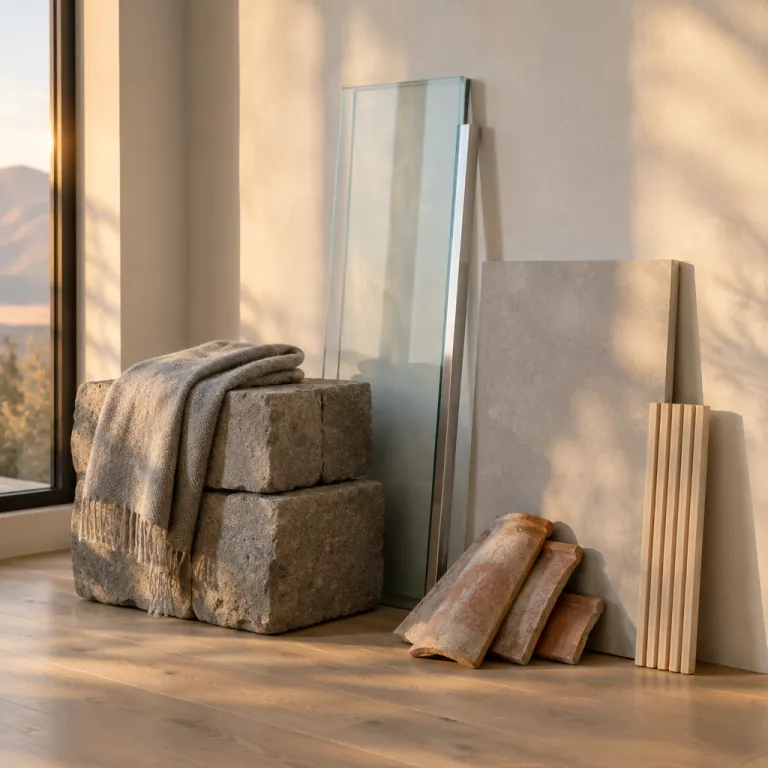
The new luxury hotels Peru debate: comfort, glass and engineered calm
In Peru, the most interesting question is no longer only which city to visit first but whether new glass and steel or old stone and adobe will frame your nights. For travellers comparing new luxury hotels Peru wide, the choice between a contemporary luxury hotel and a storied heritage property shapes everything from sleep quality to how you remember Machu Picchu. When you start to check prices across hotels in Lima, Cusco and the Sacred Valley, you quickly see that design philosophy matters as much as location.
Purpose built luxury hotels in Peru tend to prioritise light, glazing and climate control over romance. Architects angle rooms toward the valley, the lake or the Pacific, so the best hotel views are not an accident but the whole point of the building. In these newer properties, travellers usually find step free access, efficient lifts and bathrooms designed for long haul recovery rather than monastic charm, often with rain showers, generous counter space and bright task lighting.
Heritage hotels in Peru, by contrast, trade on narrative, patina and proximity to history. You might sleep behind Inca stone in Cusco or under high beams in a former colonial mansion, and that sense of continuity can feel like the best luxury of all. The trade off is that even the best hotels carved out of old palaces can struggle with soundproofing, heating and the kind of consistent hot water a business leisure guest quietly expects from contemporary hotels Peru wide, especially on cool Andean nights when temperatures can drop close to freezing.
For a business traveller extending a stay in Lima, the new build argument is compelling. In districts such as Miraflores, a modern hotel in Miraflores often means reliable Wi Fi, ergonomic desks and blackout blinds that actually close. When you compare hotels Lima options, the most efficient luxury hotel choices tend to be the contemporary towers that understand you may join a video call at dawn before heading out to taste ceviche, with average transfer times of 30 to 45 minutes from Jorge Chávez International Airport depending on traffic.
Yet even in Lima the story is not simply glass versus stone. Some of the best hotels blend restored façades with new wings, so you walk through history before riding a lift to a quiet, climate controlled room. For travellers mapping new luxury hotels Peru itineraries, the smartest move is to mix both styles across the trip, letting each city or valley dictate whether you prioritise narrative or engineering and using a simple checklist of sleep, access and atmosphere to guide each booking.
Lima and the coast: business leisure priorities from Miraflores to Paracas
Lima is where the new luxury hotels Peru conversation becomes most pragmatic, because this is the city where many trips begin with a meeting rather than a museum. In Miraflores, a contemporary hotel Miraflores property often delivers the best balance of sea views, polished service and the kind of connectivity that lets you clear your inbox before dinner. When you check prices for hotels Lima side by side, you will notice that the most efficient towers are rarely the cheapest but often the best value for business leisure travellers.
Take the coastal strip around Miraflores Park, where several luxury hotels line the cliffs above the Pacific. A modern property near the famous Miraflores park promenade will usually offer floor to ceiling glass, quiet air conditioning and gyms that actually open early enough for pre flight workouts. For guests comparing hotels Peru wide, this kind of predictable comfort can outweigh the charm of a creaking staircase in the historic centre when you only have one night in the city and an early flight the next morning.
Further south, the resort town of Paracas reframes the new luxury hotels Peru debate around leisure rather than meetings. Here, a contemporary collection resort or a polished hotel Paracas style property tends to sprawl horizontally, with low rise blocks oriented toward the bay and the desert. Families appreciate the step free paths, generous pools and kids’ clubs that heritage buildings rarely accommodate without compromise, as well as on site activities such as boat trips to the Ballestas Islands or dune buggy excursions into the nearby desert.
On the coast, glass usually wins over stone for climate control alone. Sea mist, desert heat and strong sun demand efficient insulation, and the best hotels have been engineered with this in mind from the blueprint stage. When you compare a heritage style hotel with a newer luxury collection resort in Paracas, the latter often delivers quieter rooms, better blackout and terraces that feel like private viewing decks for the bay, with average daytime temperatures hovering around 25°C in the warmer months.
For travellers planning a longer coastal pause, it is worth using a curated resource on Peru resorts for discerning travelers seeking exceptional stays to benchmark properties. Look at how each luxury hotel handles outdoor space, shade and wind, because these details determine whether your laptop session on the balcony is a pleasure or a squinting endurance test. In Lima and Paracas, the business leisure lens usually tilts the balance toward contemporary hotels, but a characterful older hotel can still win if it has been thoughtfully updated with double glazing, reliable Wi Fi and quiet, efficient air conditioning.
Cusco and the Sacred Valley: altitude, heritage walls and engineered oxygen
Once you leave the coast for Cusco and the Sacred Valley, the new luxury hotels Peru question becomes less about Wi Fi and more about oxygen, insulation and how your body copes with altitude. Many of the best hotels in Cusco occupy former convents or colonial mansions, where thick stone walls and cloistered courtyards create a sense of sanctuary. That old stone feels magical at dusk, but it can also mean uneven heating, steps everywhere and rooms that were never designed for modern plumbing.
Newer luxury hotels in the Sacred Valley, by contrast, are often low rise compounds spread along the river or tucked into the valley sides. These properties are engineered for altitude comfort, with oxygen enriched rooms, underfloor heating and large windows that frame the sacred valley landscape without letting in the chill. For travellers planning new luxury hotels Peru itineraries with older relatives or children, this kind of design can be the difference between a restorative night and a restless one, especially when you remember that Cusco sits at about 3,400 metres while many Sacred Valley lodges are closer to 2,800 metres.
Heritage loyalists argue that sleeping behind Inca stone in Cusco is non negotiable, and there is truth in that. The feeling of walking across a cloister to breakfast, hearing church bells over the city, is a form of luxury that no amount of glass can replicate. Yet when you check prices and compare hotels Peru wide, you will notice that some of the best luxury options at altitude are actually contemporary lodges that quietly solve for oxygen, noise and accessibility, sometimes offering in room oxygen on request and heated bathroom floors as standard.
The business leisure traveller faces a specific trade off in Cusco. A historic hotel close to the main square offers instant access to meetings, restaurants and museums, but may have patchy soundproofing and limited desk space. A newer luxury hotel on the edge of the city or down in the sacred valley might require a longer transfer yet reward you with better sleep, stronger showers and more reliable connectivity for early calls, with typical driving times of 60 to 90 minutes between Cusco and many Sacred Valley resorts.
For those planning side trips to Machu Picchu, the choice extends along the valley toward Aguas Calientes. Some travellers prefer to stay lower in the sacred valley at a contemporary resort, then take the train up for the day, while others choose a hotel in Aguas Calientes itself to be closer to the first buses. When weighing new luxury hotels Peru options in this region, consider not just romance but how altitude, transfer times and your own energy levels intersect, and use an elegant guide to the most captivating tourist places in Peru to map experiences around your chosen base.
Machu Picchu, Aguas Calientes and Lake Titicaca: proximity versus peace
Nowhere does the new luxury hotels Peru debate feel sharper than around Machu Picchu and Lake Titicaca, where proximity to the icon often competes with the desire for quiet. In Aguas Calientes, the small city below Machu Picchu, most hotels are constrained by steep slopes, narrow plots and the constant rumble of trains. Even the best hotels here must work around the town’s layout, which means that soundproofing and space are at a premium.
Some travellers choose to stay as close as possible to Machu Picchu, valuing the ability to reach the citadel at dawn over any other comfort. Others prefer to base themselves in the sacred valley, where newer luxury hotels offer more generous rooms, calmer nights and better spa facilities, then ride the train up for a single intense day. When you check prices across these options, you will often find that the best luxury trade off is to accept a slightly longer journey in exchange for better rest, especially if you are combining Machu Picchu with several days of meetings or sightseeing in Cusco.
A similar tension plays out around Lake Titicaca, where the lake itself is the star and the city of Puno is simply the access point. Newer lakeside hotels Peru wide tend to be purpose built, with large windows facing the water, efficient heating and layouts that minimise the impact of altitude on sleep. Older properties in town may have more local character but often lack the insulation and glazing that make early mornings by the lake feel comfortable rather than bracing.
For business leisure travellers who have tacked a Titicaca detour onto a Lima or Cusco trip, reliability usually wins. A contemporary luxury hotel on the lake shore, with strong showers, decent desks and predictable service, can turn a demanding side trip into a restorative pause. Heritage charm still has its place, but at this altitude the best hotel is often the one that lets you wake up warm, hydrated and ready for a boat ride, with enough in room space to unpack layers and gear without feeling cramped.
Across Machu Picchu, Aguas Calientes and Lake Titicaca, the pattern is clear. New luxury hotels Peru wide tend to excel when engineering and environmental control matter most, while older properties shine when story and setting are the priority. The art is to decide, for each lake, valley or city, whether you value being closest to the icon or having the quietest room, and then book accordingly.
How to choose: when new glass beats old stone, and when it does not
Choosing between new luxury hotels Peru options and heritage icons is less about loyalty to an aesthetic and more about matching the property to the purpose of each stop. On a tight business leisure schedule in Lima, a contemporary tower in Miraflores or San Isidro, with efficient lifts and strong coffee at six, will usually beat a creaky charmer in the historic centre. In Cusco or the sacred valley, by contrast, you might accept a slightly uneven floor in exchange for cloistered courtyards and the feeling of being folded into the city’s history.
Start by mapping your non negotiables for each leg of the trip. If you are travelling with children, older relatives or anyone with mobility considerations, step free access, lifts and bathrooms with walk in showers should push you toward newer luxury hotels and resorts. When you check prices, remember that the best luxury is often the one that lets everyone sleep well and move comfortably, even if the façade is less photogenic.
For travellers who care deeply about night skies, silence and landscape, a new build lodge can be the most soulful choice. Properties designed from scratch in the sacred valley or near Lake Titicaca often orient rooms toward the stars and use glazing to frame the Milky Way without exposing you to the cold. If this speaks to you, seek out lodges built for the night sky and use a specialist guide on sleeping under the Southern Cross to shortlist options.
Business travellers extending a stay should be candid about their own thresholds. If you know that a dropped video call or a lukewarm shower will sour your mood, prioritise contemporary hotels Peru wide that advertise strong connectivity and modern plumbing over atmospheric cloisters. Save the heritage splurge for a night when you can afford to be offline and let the city’s rhythm replace your inbox.
Ultimately, the most rewarding itineraries mix both new glass and old stone. You might begin in a sleek luxury hotel in Lima, shift to a heritage property in Cusco, then retreat to a contemporary valley resort before tackling Machu Picchu. By treating each city, valley and lake as a fresh decision point, and by sketching a simple two or three night plan for each stop, you turn the new luxury hotels Peru debate into a tool for crafting a trip that feels coherent, comfortable and genuinely your own.
FAQ
Are new luxury hotels in Peru more comfortable than heritage properties?
New luxury hotels in Peru generally offer more consistent comfort, with better climate control, soundproofing and step free access. Heritage properties can feel more atmospheric but may have quirks such as uneven heating, smaller bathrooms or limited lifts. The most comfortable choice depends on your priorities, mobility needs and tolerance for characterful imperfections.
Where should I stay for Machu Picchu: Aguas Calientes, the Sacred Valley or Cusco?
Staying in Aguas Calientes puts you closest to Machu Picchu for early entry but usually means smaller rooms and more noise. The Sacred Valley offers calmer, often newer resorts with better facilities, at the cost of a longer morning train ride. Cusco works well if you want a vibrant city base and do not mind a very early start for the train.
Is Lima better for heritage hotels or contemporary luxury stays?
Lima’s strongest contemporary options are in Miraflores and San Isidro, where modern towers deliver sea views, reliable Wi Fi and efficient service. Heritage style properties cluster more around the historic centre, offering character and proximity to museums but sometimes less predictable comfort. Business leisure travellers usually prefer the newer hotels, while culture focused visitors may enjoy a night or two in the old core.
How does altitude affect hotel choice in Cusco and Lake Titicaca?
At higher altitudes such as Cusco and Lake Titicaca, oxygen levels and temperature swings make insulation, heating and ventilation crucial. Newer hotels often provide oxygen enriched rooms, underfloor heating and better glazing, which can ease symptoms of altitude sickness. Heritage properties may feel more romantic but can be harder to heat evenly and may involve more stairs.
How should I balance budget and luxury when booking hotels in Peru?
In Peru, it often makes sense to invest more in comfort at altitude and in remote areas, where a good night’s sleep directly affects how you experience the landscape. In Lima and other coastal cities, mid to upper tier contemporary hotels can offer strong value without top tier prices. Mixing a few strategic luxury nights with well chosen mid range stays usually delivers the best overall experience.