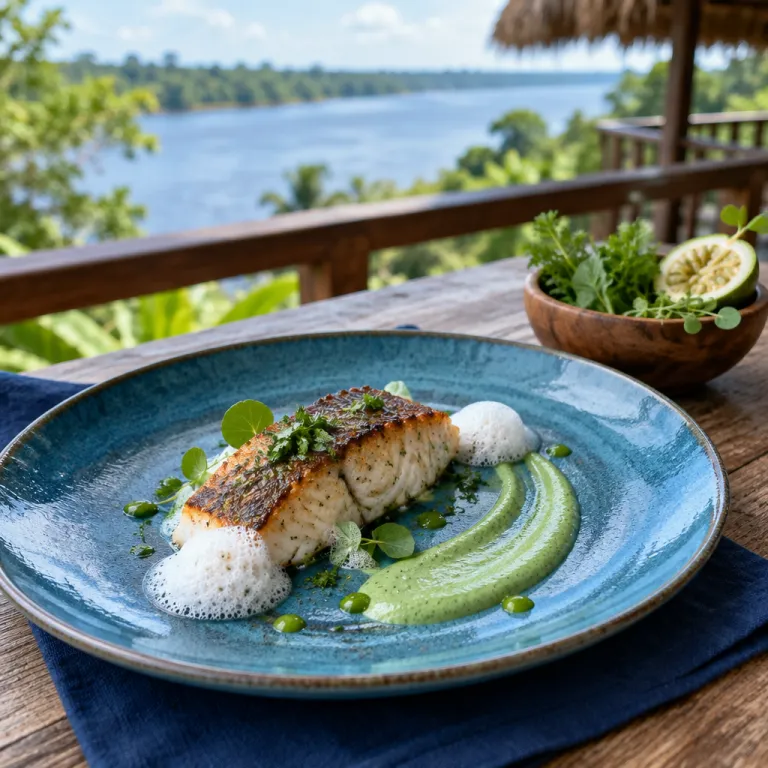
Why amazon cuisine in Peru’s jungle lodges matters for serious travelers
In the peruvian amazon, dinner can be as memorable as any river cruise. The best amazon lodges in Peru now treat the forest pantry as seriously as a Lima tasting menu, turning every day into a quiet masterclass in regional flavor. For couples planning a stay in amazon cuisine jungle lodges peru, the right lodge choice will shape not only your sleep but your palate and your sense of place.
This corner of the amazon rainforest is a distinct culinary region, defined by river fish like paiche and doncella, creamy hearts of palm, bright cocona and camu camu, and cacao that tastes of the jungle itself. A refined amazon lodge in the Madre de Dios region will often build its menus around these ingredients, layering them with herbs gathered near the river and fruits from on site gardens. When you compare lodges, ask how often the kitchen changes dishes, because a serious property in the peruvian amazon will adjust plates to what the rainforest and nearby communities provide that week.
Geography matters as much as gastronomy. Around Puerto Maldonado, where the Tambopata National Reserve and nearby national park areas protect vast tracts of amazon jungle, lodges sit close to clay licks, oxbow lakes and quiet river bends, which means fresher fish and more varied produce. A refined amazon lodge near Sandoval Lake or deeper toward the Tambopata National Reserve will usually have better access to river fish and seasonal fruits than a property closer to town, and that proximity to the amazon river system shapes every menu. When you read about amazon cuisine jungle lodges peru, look for specific references to Tambopata, Madre de Dios and Puerto Maldonado, because vague mentions of the amazon rainforest rarely translate into truly local plates.
From Lima’s tasting menus to the river table in the amazon
Lima’s fine dining scene taught the world to read Peru by altitude, and that ecosystem thinking now quietly informs how ambitious chefs cook in amazon lodges. The philosophy that links a ceviche bar in Miraflores to a candlelit table beside a jungle river is simple ; ingredients should taste of the place where they grew, whether that is a high Andean terrace or a humid bend of the Madre de Dios. When you book amazon cuisine jungle lodges peru, you are effectively reserving a seat at the far end of that national conversation between coast, highlands and rainforest.
Some of the most interesting hotel kitchens in Peru now treat the peruvian amazon as a partner to Lima, not a distant outpost. You might taste cacao nibs from near Puerto Maldonado in a dessert back in the capital, then meet the same beans in rustic form at an amazon lodge where they were fermented behind the kitchen. This cross current runs both ways, and couples who split their trip between a Lima property with a strong Nikkei or contemporary Peruvian restaurant and a serious jungle lodge will feel the dialogue on every plate ; for a deeper look at how hotel dining rooms handle this fusion, see this guide to Nikkei at the hotel table in Lima.
Names like Inkaterra and its Inkaterra Reserva Amazonica near Puerto Maldonado helped set early standards for how a rainforest lodge could respect local produce while still offering comfort. At a property such as Inkaterra Reserva Amazonica, the kitchen might pair river fish with citrus from the garden, or fold amazonas cacao into a refined dessert, while still serving a classic pisco sour before dinner. When you compare amazon lodges, look for menus that credit nearby communities, mention the Tambopata National Reserve or the broader national reserve network, and explain how the chef works with foragers, because that transparency signals a serious approach rather than a token jungle dish added for effect.
Forest to table: gardens, foraging walks and the rhythm of the rainforest
What separates a simple stay from a true amazon cuisine jungle lodges peru experience is often what happens before the pan heats up. Many of the best amazon lodges now invite guests into their gardens and along short jungle trails, turning a casual walk into a guided tour of the forest pantry. A thoughtful lodge will use these walks to show how cocona grows, where heart of palm is harvested and which leaves perfume the stock simmering back in the kitchen.
In the Tambopata region, properties such as Refugio Amazonas and Posada Amazonas have helped popularize this garden to table approach, with on site plots that supply herbs, fruits and vegetables for daily menus. A stay at Refugio Amazonas or Posada Amazonas often includes a short tour of the garden, where you might taste camu camu straight from the tree before seeing it reappear as a tart sorbet at dinner. When you browse gourmet cuisine tours through luxury and premium hotel booking websites in Peru, including curated collections such as this overview of gourmet cuisine tours in Peru, pay attention to how clearly each itinerary explains these hands on elements.
Deeper in the forest, near the Tambopata Center of conservation projects and close to clay licks that attract macaws, the rhythm of the day shapes the menu. Early boat departures to see wildlife at the clay licks or to explore Sandoval Lake mean breakfasts must be both light and sustaining, often built around tropical fruits, local cacao and simple breads. Later, as the heat eases, a good amazon lodge will slow the pace, serving river fish grilled over charcoal, salads built from garden leaves and desserts that showcase amazonas cacao or seasonal fruits, letting the amazon rainforest dictate both timing and taste.
Authenticity, comfort and how to read a jungle menu before you book
Every couple weighing amazon cuisine jungle lodges peru faces the same quiet question ; how much authenticity do you want on the plate, and how much comfort. A lodge deep in the amazon jungle might serve more rustic preparations of river fish and forest vegetables, while a property closer to Puerto Maldonado will often balance local flavors with international classics. Neither approach is wrong, but you should know which style matches your appetite before you commit to a three night stay.
Menus that lean heavily on flown in meats and imported cheeses can feel reassuring after a long day on the river, yet they rarely tell you much about the peruvian amazon. By contrast, a kitchen that builds most of its dishes around river fish, hearts of palm, bananas, cassava and seasonal fruits is usually more closely tied to nearby communities and the surrounding national reserve. When you read sample menus from amazon lodges, look for specific mentions of Madre de Dios, Tambopata National Reserve, Sandoval Lake or the broader amazon rainforest, because those details indicate a real relationship with place rather than a generic jungle theme.
Comfort still matters, especially on a romantic trip where a candlelit dinner might be the emotional peak of your stay. The best amazon lodge for couples will pair thoughtful local sourcing with polished service, good wine storage and staff who can explain each ingredient without turning dinner into a lecture. If you are combining the jungle with Machu Picchu or a flight over the Nazca Lines, consider how your energy levels will shift across the itinerary ; a detailed guide to Nazca Lines flight experiences for luxury travelers can help you understand how intense days in other regions pair with slower evenings in the rainforest.
Designing a romantic amazon itinerary: from clay licks to candlelight
For couples, the most successful amazon cuisine jungle lodges peru itineraries balance wildlife, rest and slow meals beside the river. A classic three day stay near Puerto Maldonado might begin with an afternoon boat ride to the lodge, followed by a simple dinner that introduces local flavors without overwhelming tired travelers. The next day, an early start to visit clay licks or explore Sandoval Lake will leave the afternoon free for a long lunch and a quiet siesta in a hammock.
On the second or third evening, many lodges arrange a special riverfront dinner, which often becomes the memory that lingers long after Machu Picchu. You might glide along a calm stretch of the Madre de Dios river at dusk, then step onto a small deck where lanterns flicker and a table is set with white linen and local flowers. A well run amazon lodge will use this moment to showcase the kitchen at its best, perhaps with grilled river fish, a salad of hearts of palm and cocona, and a dessert built around amazonas cacao, all while the sounds of the amazon rainforest replace any need for background music.
When you plan, remember that each lodge and its sister lodges in the region will structure tours differently, even if they share access to the same national park or national reserve. Some focus on wildlife and birding around the Tambopata National Reserve, others emphasize cultural visits to nearby communities, and a few lean into wellness with yoga platforms overlooking the river. Whatever you choose, the right amazon lodge in the peruvian amazon will turn meals into a narrative thread that ties together clay licks at dawn, quiet boat rides at midday and candlelit dinners under the jungle canopy at night.
FAQ: gourmet experiences in Peru’s amazon jungle lodges
Are amazon jungle lodges in Peru suitable for food focused travelers
Yes, many amazon lodges in Peru now place serious emphasis on cuisine, especially in regions around Puerto Maldonado and the Tambopata National Reserve. Properties such as Inkaterra Reserva Amazonica, Refugio Amazonas and Posada Amazonas build menus around local river fish, seasonal fruits and garden produce. If food is a priority, ask for sample menus and details on sourcing before you book.
How many days should couples spend at an amazon lodge for a full culinary experience
A stay of at least three days and two nights allows you to experience the full rhythm of jungle dining. With that duration, you can enjoy early wildlife tours to clay licks or Sandoval Lake, relaxed lunches, and at least one special candlelit dinner by the river. Longer stays of four or five days add time for cooking demonstrations, garden walks and slower afternoons between excursions.
Can I combine an amazon rainforest stay with Machu Picchu in one itinerary
Combining the peruvian amazon with Machu Picchu is one of Peru’s most rewarding itineraries for couples. Many travelers fly into Lima, continue to Cusco and the Sacred Valley for Machu Picchu, then connect to Puerto Maldonado for an amazon lodge stay. This sequence lets you adjust to altitude before descending to the rainforest, ending the trip with slower days focused on wildlife and cuisine.
What level of comfort can I expect at luxury lodges in the peruvian amazon
Luxury oriented amazon lodges near Puerto Maldonado and the Tambopata region typically offer spacious rooms, high quality linens, hot water and attentive service, while still using open air designs to keep you connected to the rainforest. You can expect refined three course dinners, curated wine lists and staff trained to explain local ingredients. Power and connectivity may be limited at times, but this is usually a deliberate choice to preserve the jungle environment and the sense of retreat.
How do I know if a lodge’s menu is genuinely local or mostly imported
Look for clear references to local sourcing, such as river fish from the Madre de Dios, fruits grown on site and partnerships with nearby communities. Menus that mention the Tambopata National Reserve, Sandoval Lake or specific amazon ingredients like cocona and camu camu are usually more rooted in place. When in doubt, ask the lodge directly what percentage of their ingredients comes from the surrounding region and how often the menu changes with the seasons.
References
PromPerú (Peru’s official tourism board)
Sociedad Peruana de Gastronomía (Peruvian Gastronomy Society)
National Service of Natural Protected Areas of Peru (SERNANP)