How spa hotels in Peru redefine wellness for luxury families
Spa hotels in Peru approach wellness as a journey through altitude, climate, and culture. Families move from lowland rainforest humidity to the cool air of the Sacred Valley, and each hotel and resort spa responds with its own treatment philosophy. This makes a Peruvian spa stay far more than a place to sleep between tours.
Across the country, around 50 dedicated wellness properties now blend traditional healing with contemporary design and attentive service. Many of these hotels sit in landscapes where thermal water, medicinal plants, and Inka heritage are part of daily life, which gives every massage or ritual a clear sense of place. According to aggregated figures from PromPerú and regional tourism boards, well over 150,000 travelers now choose Peru primarily for restorative breaks rather than quick sightseeing, reflecting a clear shift toward wellness-focused itineraries.
Families booking a spa hotel in Peru usually compare three ecosystems first. The Amazon offers plant-based rituals in lodges such as Inkaterra Reserva Amazónica and Awaken Peru Resort, while the Andes deliver thermal springs at Colca Lodge Spa & Hot Springs and high-altitude hydrotherapy in the Sacred Valley. On the coast, Lima’s urban hotels pair compact spa areas with serious gastronomy, which suits guests who want wellness and city life in one stay.
When you check availability on a luxury collection resort spa in Peru, pay attention to altitude and transfer times. A night in the Amazon often follows a flight to Puerto Maldonado and a 45–90 minute boat ride, while a night in the Sacred Valley may include a private train connection to Machu Picchu. Smart booking means planning at least one lower-altitude hotel at the start, especially for families with younger guests who need time to adapt.
Parents also evaluate each hotel rating with different priorities than solo travelers. They look for family suites, flexible meal times, and spa hotels that welcome children into certain wellness spaces without compromising the calm atmosphere. In Peru, that short list often includes Sol y Luna Lodge & Spa in the Valle Sagrado, Tambo del Inka in Urubamba, and Colca Lodge Spa & Hot Springs in the Colca Valley.
Amazon rainforest spa hotels in Peru: jungle immersion for all ages
In the Amazon, wellness retreats in Peru feel like extensions of the forest rather than escapes from it. At Inkaterra Reserva Amazónica, the ENA Spa uses botanicals such as dragon’s blood, cat’s claw, and sacha inchi in treatments that unfold in open-air pavilions above the river. The idea is simple yet powerful, because the spa becomes a quiet version of the jungle rather than a sealed air-conditioned box.
Families staying here usually book at least one day focused on slow wellness between canopy walks and wildlife excursions. A typical massage lasts 50–60 minutes, and plant-based body rituals can run to 75 minutes, so the resort spa team schedules them around boat trips and siesta time. This helps younger guests rest after early morning wildlife watching and keeps evenings free for night walks or storytelling on the deck.
Awaken Peru Resort, another Amazonian collection resort style property, leans into yoga, meditation, and lakeside rituals. Parents can check availability for family-friendly yoga sessions, while teenagers often appreciate guided forest walks that explain how medicinal plants move from the surrounding area into the spa menu. When you compare the price per night here with Andean spa hotels, remember that full board and guided activities are usually included, which makes the effective nightly rate more competitive than it first appears.
In these rainforest hotels, the spa is not a separate wing but a continuation of the landscape. Treatment rooms open onto dense foliage, and relaxation decks overlook water where you might spot caimans at dusk. One recent guest described the experience as “like having a massage inside the forest’s heartbeat, with the river replacing background music.” For many visitors, this immersion is the main reason to choose wellness lodges in Peru over more conventional spa destinations in Southeast Asia.
Parents should still check practical details before booking any Amazon spa hotel. Ask about mosquito control around the spa garden areas, minimum ages for treatments (often 12–16 for full massages, with shorter “mini” options for younger children), and whether the hotel restaurant can adapt menus for children who may not be ready for strong Amazonian flavors. When you read each hotel rating, look for comments about transfer logistics and noise levels, because river traffic can affect how tranquil a night actually feels.
From a wellness perspective, the Amazon is best for families who want sensory richness and soft adventure. Jungle lodges here pair massages with night walks, river swims, and canopy bridges, which keeps active children engaged. Compared with the Sacred Valley or Colca Valley, humidity is higher and temperatures are warmer, so schedule lighter treatments earlier in the day and save deeper massages for the cooler evening hours.
Andean thermal springs and Colca Lodge: mineral rich spa hotels in Peru
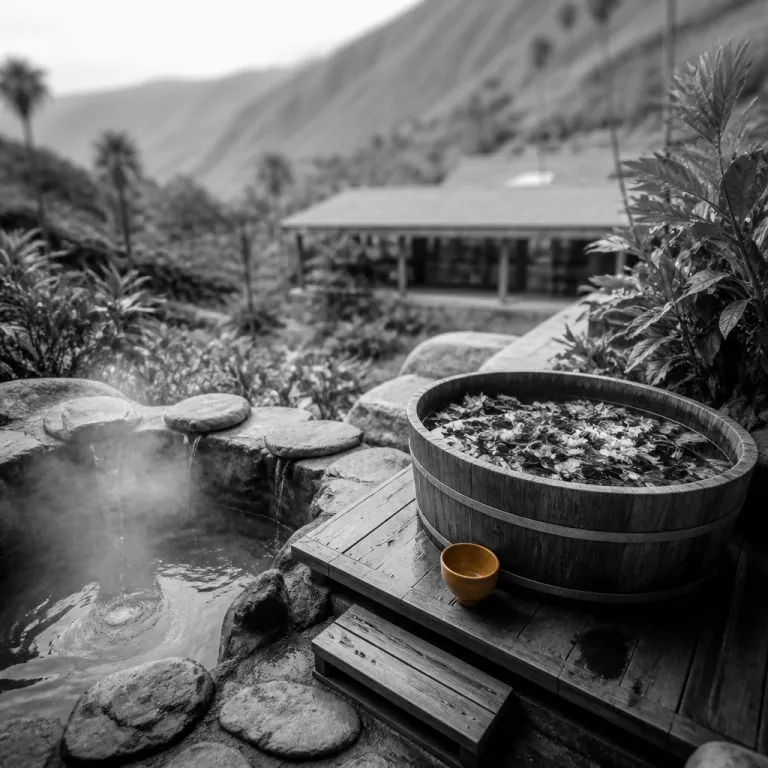
Move into the Andes and spa hotels in Peru shift from plant-based rituals to mineral-rich water. Colca Lodge Spa & Hot Springs, set at about 3,250 metres in the Colca Valley according to the property’s own data, is the clearest example of this Andean approach. Here, the resort spa is built around natural thermal pools that steam beside the river, with stone terraces that feel carved into the valley itself.
The hotel channels volcanic water into several pools of different temperatures, which allows guests to alternate between warm and hot baths in short cycles of 10–15 minutes. This hydrotherapy routine, combined with Andean herbal infusions, is believed to support circulation and muscle recovery after long hikes. Local practitioners emphasise that these baths are designed for relaxation and potential wellbeing benefits thanks to their mineral content, but they are not a substitute for medical treatment.
Families often structure their booking so that at least one night here follows a day of trekking or condor watching. Parents soak in the thermal pools while children paddle in shallower corners under supervision, and the surrounding area remains quiet enough that you hear only the river and occasional bird calls. Because the hotel restaurant sources much of its produce from on-site gardens, meals stay light and seasonal, which suits guests adjusting to altitude.
When you check availability at Colca Lodge or similar Andean spa hotels, pay attention to transfer times from Arequipa, which can run four to five hours by road depending on weather and stops, and to conditions in the rainy season. The price per night usually includes access to the thermal pools, but massages and private spa circuits are extra, so factor those into your total nightly cost calculation. Families should also ask about room locations, because some terraces sit closer to the river and can feel cooler at night.
Compared with wellness retreats in Peru’s Amazon, Andean properties like this feel more introspective. The landscape is wide open, the air is thin, and the pace slows naturally, which encourages longer soaks and early nights. For children, the novelty of steaming pools under the stars often becomes a highlight that competes with Machu Picchu in their travel memories.
From a wellness strategy perspective, the Andes work best in the middle of a Peru itinerary. Start at lower altitude in Lima or the Amazon, move up to the Colca Valley or Sacred Valley for thermal and hydrotherapy, then finish with a night back at sea level before flying home. This sequence helps families enjoy the full range of spa hotels in Peru without overloading anyone with rapid altitude changes.
Sacred Valley spa hotels: family friendly wellness between Cusco and Machu Picchu
The Sacred Valley, or Valle Sagrado, is where spa hotels in Peru most clearly intersect with classic sightseeing. Families base themselves in Urubamba and nearby villages to visit Machu Picchu, Pisac, and Ollantaytambo, then return each night to hotels that offer serious wellness programs. This valley sits lower than Cusco, which makes it a strategic first stop for guests sensitive to altitude.
Sol y Luna Lodge & Spa in the Valle Sagrado is one of the most family-friendly spa hotels in Peru. Casitas are scattered through a lush garden, there is a riding centre for children, and the spa offers massages, facials, and a small hydrotherapy circuit that parents can book between excursions. Most treatments last 50–80 minutes, which fits neatly between a morning visit to Pisac and an early dinner.
In Urubamba itself, Tambo del Inka, a Luxury Collection Resort & Spa, sets the benchmark for Inka-inspired luxury in the region. This collection resort combines a full-service spa with a private train station that connects guests directly to Machu Picchu, which simplifies logistics for families. The spa leans more international than local, with classic massages and facials, but the design references the Urubamba River and surrounding mountains in subtle ways.
When you check availability at Tambo del Inka, pay attention to train schedules and spa appointment slots on the same days. Many guests want to soak in the pool or book a massage after returning from Machu Picchu, which means late afternoon and early evening slots sell out quickly. The price per night reflects both the resort spa facilities and the convenience of the private train, so compare that with other hotels Urubamba that require separate transfers to the public station.
Another notable property is Belmond Rio Sagrado, which sits right beside the Urubamba River with terraced lawns that roll down to the water. Here, the spa focuses on quiet treatment rooms and outdoor relaxation spaces, while the surrounding area offers gentle walks that suit younger guests. One family described their stay as “like living in a riverside village for a few days, with the bonus of a massage waiting every afternoon.”
Across the Sacred Valley, hotel rating patterns show that families value space, gardens, and flexible dining as much as treatment menus. When comparing spa hotels in Peru in this region, look for properties that offer early breakfasts for morning trains, late check-out options, and interconnecting rooms. The Sacred Valley works best as a three or four night base, with one spa-focused day built into the itinerary so that children and adults can reset between archaeological sites.
How Peru’s spa philosophy differs from Bali and Thailand
Travelers who know Southeast Asian wellness scenes quickly notice that spa hotels in Peru feel different. In Bali or Thailand, humidity, sea-level altitude, and long-established spa tourism create a certain predictability, while Peru’s mix of Amazon, Andes, and Pacific coast produces more varied experiences. Here, altitude, indigenous ingredients, and the integration of wellness with adventure shape every stay.
In the Amazon, plant-based treatments rely on species that grow only in this biome, which gives spa hotels in Peru a pharmacopoeia that Bali cannot replicate. In the Andes, thermal water and coca leaf infusions respond directly to altitude, helping guests recover from hikes and long drives through the valley. On the coast, Lima’s urban hotels pair compact spas with serious gastronomy, which you can explore further in our guide to Nikkei at the hotel table and Japanese Peruvian hotel dining.
Another difference lies in how wellness weaves into movement days. In the Sacred Valley, for example, families might ride the private train from Tambo del Inka to Machu Picchu in the morning, hike the citadel, then return to Urubamba for a late spa session. In the Colca Valley, guests spend the day watching condors and walking along canyon edges, then soak in thermal pools at Colca Lodge Spa & Hot Springs under clear skies.
Peru’s spa hotels also tend to be smaller than the mega resorts of Southeast Asia, which changes the guest experience. You are more likely to meet the same therapist twice, to see the same staff at breakfast and in the spa, and to feel that treatments respond to how you slept the previous night. This intimacy suits families who want staff to remember children’s names and preferences.
From a design perspective, spa hotels in Peru often echo Inka and pre-Inka geometry rather than tropical minimalism. At Tambo del Inka, stone, wood, and water features reference ancient terraces and the Urubamba River, while at Sol y Luna the garden and casitas reflect the patchwork of fields in the Valle Sagrado. In the Amazon, ENA Spa at Inkaterra Reserva Amazónica uses thatched roofs and open sides to blur the line between treatment room and forest.
For wellness-focused families, the key takeaway is that Peru rewards movement between regions. A single night in Lima, two or three nights in the Sacred Valley, a night in the Colca Valley, and two or three nights in the Amazon create a layered spa journey. Each hotel, each resort spa, and each valley adds a different dimension, from mineral water to medicinal plants to coastal cuisine.
Practical booking strategies for spa hotels in Peru with children
Planning spa hotels in Peru for a family trip requires more than scanning a hotel rating or two. You need to balance altitude, transfer times, children’s ages, and the rhythm of sightseeing days. A thoughtful booking strategy turns wellness from an add-on into the spine of the itinerary.
Start by mapping your route across Peru’s three main spa regions. Many families begin in Lima at sea level, then fly to Cusco and transfer straight to the Sacred Valley to stay in Urubamba or the wider Valle Sagrado, where hotels such as Sol y Luna, Tambo del Inka, and Rio Sagrado offer strong spa programs. From there, you can add the Colca Valley for thermal springs or the Amazon for plant-based rituals before looping back to the coast.
When you check availability, always consider altitude for the first two or three nights. A lower valley hotel in the Sacred Valley or Colca Valley is kinder to children than a first night in high-altitude Cusco, especially after a long flight. Once everyone has adjusted, you can add more ambitious hikes and longer spa sessions without worrying about headaches or fatigue.
Next, look closely at what the price per night actually includes. Some spa hotels in Peru bundle breakfast and basic spa access into the rate, while others charge extra for thermal pools or hydrotherapy circuits, which changes the real nightly cost. In the Amazon, resorts such as Inkaterra Reserva Amazónica or Awaken Peru Resort often include meals and guided excursions, so their headline price can represent better value than a cheaper-looking city hotel.
Families should also read hotel rating comments for details that matter with children. Look for mentions of noise levels around the spa, flexibility on treatment times, and whether the hotel restaurant can serve early dinners after long days out. In Urubamba and the surrounding area, some hotels offer kids’ menus and garden play spaces, which makes it easier for parents to slip away for a short massage.
To see how this works in practice, consider a sample nine-day family itinerary:
- Days 1–2: Arrive in Lima, recover from the flight, and book short spa sessions at an urban hotel.
- Days 3–5: Transfer to the Sacred Valley for three nights in Urubamba, combining Machu Picchu with one dedicated wellness day.
- Days 6–7: Travel to the Colca Valley for thermal springs and canyon walks based at Colca Lodge Spa & Hot Springs.
- Days 8–9: Return to Lima for a final night at sea level before flying home.
Finally, think about how many wellness properties you really need in one trip. Two or three well-chosen spa hotels in Peru, each in a different valley or ecosystem, usually provide enough variety without constant packing and unpacking. A balanced plan might include a resort spa in the Sacred Valley with a private train to Machu Picchu, a thermal springs hotel in the Colca Valley, and an Amazon lodge where the spa sits deep in the forest.
Choosing the right region: matching spa hotels in Peru to your family
Different families gravitate toward different spa hotels in Peru, and the country’s geography makes those choices meaningful. The Amazon suits active guests who enjoy humidity, wildlife, and plant-based rituals, while the Andes appeal to those who prefer cool air, thermal water, and big-sky landscapes. Coastal Lima works for travelers who want wellness woven into an urban food and culture break.
For families with younger children, the Sacred Valley around Urubamba is often the best first base. Hotels Urubamba such as Tambo del Inka, Rio Sagrado, and Sol y Luna combine gardens, pools, and accessible spa menus with easy access to Machu Picchu and other sites. The valley’s moderate altitude and gentle climate make it easier to manage early nights and flexible nap times.
Teenagers and older children who enjoy hiking may appreciate the Colca Valley and its thermal springs. A stay at Colca Lodge Spa & Hot Springs allows them to alternate between canyon walks, condor viewpoints, and long soaks in mineral pools, which feels more adventurous than a standard resort spa. The surrounding area also offers opportunities to visit local communities and learn how traditional Andean healing practices have evolved into modern spa treatments.
Families who prioritise biodiversity and immersive nature often end their trip in the Amazon. Here, spa hotels in Peru such as Inkaterra Reserva Amazónica and Awaken Peru Resort use the forest as both setting and pharmacy, with ENA Spa treatments that draw directly from nearby plants. Because days are structured around boat rides and guided walks, spa sessions become quiet interludes rather than the main event.
Wherever you go, remember that Peru’s wellness scene is still evolving. A rise in eco-friendly spa resorts and increased use of indigenous treatments show how hotels are working with local communities and wellness experts to refine their offerings. For families, this means more chances to experience authentic practices in a controlled, comfortable environment.
Ultimately, the best spa hotels in Peru for your family will align with your travel rhythm. If you like to move slowly, choose one valley and one Amazon lodge and stay several nights in each. If you prefer a faster pace, combine a Sacred Valley resort spa with a short Amazon extension and a final night in Lima, letting each hotel and each night add a new layer to your shared wellness story.
Key figures on spa hotels in Peru
- Peru currently offers an estimated 50 dedicated spa hotels across the Amazon, Andes, and coastal regions, according to recent tourism industry surveys and PromPerú briefings, which reflects a significant national focus on wellness-oriented hospitality.
- These wellness-focused hotels welcome well over 150,000 visitors each year, based on aggregated operator reports and regional tourism statistics, indicating strong and growing demand for restorative travel experiences in the country.
- Traditional Andean thermal baths have been used for centuries, and in recent decades modern spa hotels have incorporated these practices into resort spa facilities, blending heritage with contemporary design.
- Industry observers note a clear rise in eco-friendly spa resorts and increased use of indigenous treatments in Peru, trends that align with global interest in sustainable and culturally rooted wellness.
FAQ about spa hotels in Peru
What makes spa hotels in Peru different from other wellness destinations?
Spa hotels in Peru stand out because they combine three distinct ecosystems with deep indigenous traditions. Guests can experience Amazonian plant-based treatments, Andean thermal springs, and coastal urban spas in a single itinerary. Altitude, local ingredients, and the integration of wellness with adventure travel create a profile that differs from sea-level destinations such as Bali or Thailand.
Are Andean thermal baths safe and beneficial for families?
Andean thermal baths in places like the Colca Valley are generally considered safe for healthy adults and children when used sensibly. The mineral-rich waters can support relaxation and a feeling of muscle recovery after hikes, especially at properties such as Colca Lodge Spa & Hot Springs that manage water temperature carefully. Parents should still supervise children closely, follow any posted guidance, and limit time in very hot pools, particularly at higher altitudes.
Are Amazonian plant baths safe in Peruvian spa hotels?
Amazonian plant baths offered in reputable spa hotels such as Inkaterra Reserva Amazónica are designed and supervised by trained professionals who select appropriate species and dosages. Guests with allergies, pregnancy, or medical conditions should always inform the spa team before treatments and follow their advice on suitability and duration.
Do spa hotels in Peru also provide accommodation and family facilities?
Most spa hotels in Peru operate as full-service resorts or lodges, offering accommodation, dining, and wellness facilities on the same property. Family-oriented options such as Sol y Luna Lodge & Spa, Tambo del Inka, and Rio Sagrado provide gardens, pools, and flexible meal times alongside their spas. When booking, check whether the hotel offers family rooms, interconnecting units, or extra beds suitable for children.
How far in advance should I book spa hotels in Peru?
It is wise to book spa hotels in Peru several months ahead for peak seasons, especially in the Sacred Valley and Amazon regions. Properties with limited room counts and high demand, such as Tambo del Inka or Colca Lodge Spa & Hot Springs, can sell out quickly around major holidays and school breaks. Early booking also improves your chances of securing preferred spa times and private train or excursion slots.