Peru hotel architecture design as a narrative for luxury travelers
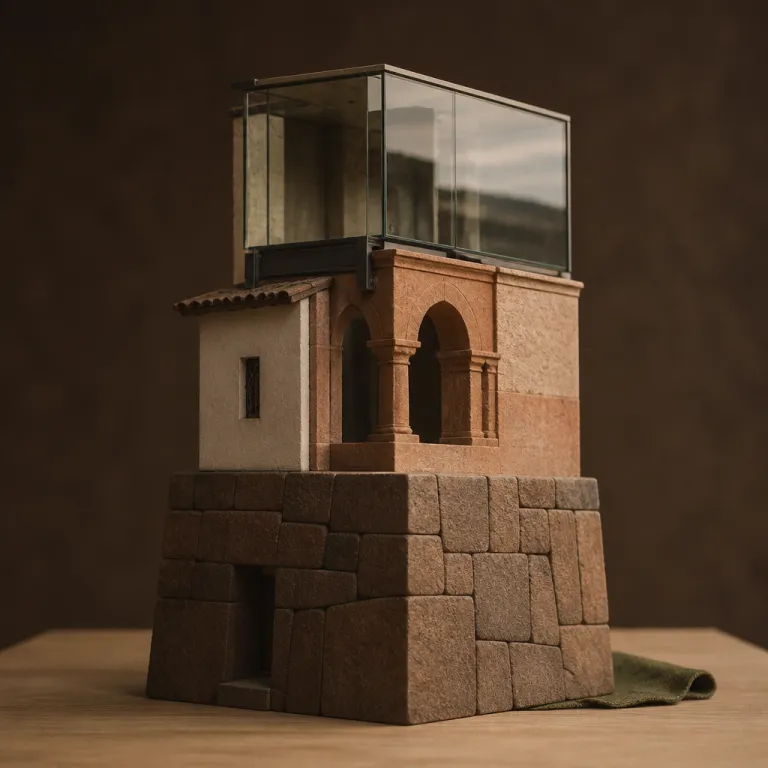
Peru hotel architecture design is never just a backdrop; it is the story you sleep inside. In a single night you might move from an Inca stone courtyard to a colonial cloister and then to a glass-walled spa, reading centuries of Peru architecture with every step. For couples choosing hotels in Peru for a romantic escape, the building itself often matters as much as the wine list or the view.
Across Peru, from Lima to the Sacred Valley, many of the most compelling luxury hotels are housed in structures originally built for power, faith, or trade. These historic buildings have been reimagined by contemporary architects who understand both seismic realities and the emotional pull of Peruvian architecture, turning each hotel into a curated lesson in history. When you book one of these luxury properties, you are effectively choosing which chapter of the country’s story you want to inhabit.
In the highland city of Cusco, where the altitude reaches about 3,400 meters, several leading heritage hotels cluster around the historic center. Their architecture ranges from massive Inca foundations to delicate colonial balconies, and every building reveals how Peru has layered cultures rather than erasing them. This is where Peru hotel architecture design becomes a form of time travel, especially for couples who value atmosphere and narrative over simple square meters.
Walking through three civilizations at Palacio Nazarenas and El Convento
Palacio Nazarenas, a Belmond hotel in Cusco, is a clear expression of Peru hotel architecture design as a journey through eras. The property stands on Inca stonework, rises into a colonial convent, and then extends into a contemporary wing where the spa and pool sit behind glass, so guests literally cross three architectural languages between the lobby and the loungers. You feel the weight of history in the cool stone cloisters, then step into a light-filled building where Peruvian design details soften the modern lines.
Nearby, JW Marriott El Convento Cusco occupies a 16th-century convent built over earlier Inca walls, its vaulted brick ceilings restored to hotel standards without losing their monastic gravity. The hotel opened in 2012 after a multi-year restoration that reportedly uncovered more than 300 archaeological pieces, and its vaulted brick ceilings were reinforced to meet current seismic codes. Here the tension between preservation and comfort is handled with precision, as underfloor heating and enhanced comfort systems are tucked inside a historic shell that still reads as sacred. For couples, the romance lies in that contrast, sharing a pisco sour under arches that once framed religious processions while the city hums just beyond the courtyard.
These hotels in Peru exemplify how architectural decisions shape the guest experience more than any amenity list. The best rooms frame fragments of original building fabric, from carved stone niches to heavy wooden doors that survived several seismic events. As one Cusco heritage property explains in its guest materials, “We restore, not replace, the stones that carry the memory of this house.” When you choose a Belmond hotel or a carefully restored convent over a generic new build, you are paying for that layered architectural narrative as much as for the thread count.
Inkaterra’s houses of memory from Cusco to the Amazon
Inkaterra has built its reputation on turning historic or landscape-sensitive buildings into intimate Peruvian house-style retreats. At Inkaterra La Casona in Cusco, a colonial-era manor house wraps around a stone courtyard, its thick walls and timber balconies preserving the feeling of a private Peru house while discreetly hiding contemporary comforts. The property, which opened as a boutique hotel in 2008 after careful restoration, shows how Peru hotel architecture design can respect a building’s original domestic scale yet still function as one of the city’s best luxury hotels.
Further into the Sacred Valley, Inkaterra Hacienda Urubamba spreads across a hillside like a modern interpretation of a traditional Peruvian architecture farmhouse. The main building uses gabled roofs and stone bases that echo older valley houses, while large windows and clean interior lines speak to current design tastes. Guests move between the main house and freestanding casitas, reading how architects translated vernacular forms into a low-impact, earthquake-conscious building that still feels deeply rooted in the valley.
In the cloud forest near Machu Picchu, Inkaterra Machu Picchu Pueblo Hotel, often shortened to Inkaterra Machu, occupies a series of whitewashed buildings stepped along the slope. Each house-like structure is connected by stone paths and lush gardens, creating a village effect that contrasts with the single monumental building of the citadel above. Down in the Amazon, Inkaterra Reserva Amazonica uses raised wooden buildings and open-air design to respond to humidity and flooding, proving that Peru hotel architecture design is as much about climate intelligence as about history.
Lima’s contemporary language from Humano to coastal houses
On the coast, Lima, Peru tells a different architectural story, one where contemporary buildings compete with the Pacific horizon rather than with Inca walls. Humano Hotel in Miraflores represents the new generation of Peru hotel architecture design, conceived from scratch to mirror the creative energy of its neighborhood instead of carrying colonial weight. Here the façade, public spaces, and rooftop are treated as an urban living room, connecting guests to the city rather than enclosing them from it.
Across Lima, architects such as Barclay & Crousse have championed a restrained, material-driven approach that suits the desert light and ocean air. Their work on houses and cultural buildings shows how concrete, wood, and shadow can create warmth without pastiche, and this language increasingly influences new hotels in Peru along the coast. For couples, choosing a design-forward city hotel means trading cloisters for terraces, and swapping carved stone for clean planes that frame the skyline.
Even the idea of a beach house in Peru has shifted, with coastal properties near the city and further south adopting Peruvian architecture cues while embracing large glass openings and seismic-conscious structures. These buildings are engineered for earthquakes yet feel effortless, a balance that defines the best contemporary Peru house projects. When you stay in such a hotel, the architecture becomes a lens on how the city negotiates risk, climate, and style at the edge of South America.
Why architecture commands a premium in Peru’s luxury hotels
Across Peru, architecture has become a clear competitive advantage for luxury hotels, often supporting nightly rates noticeably higher than comparable properties without a strong design narrative. In Cusco’s historic center, for example, suites in restored convents and palacios frequently start around US$350–600 per night in high season, while modern hotels a few blocks farther out can list similar room sizes from roughly US$180–250. Guests are not only paying for marble bathrooms but for the right to inhabit historic buildings that once housed nobility, clergy, or merchants in the heart of the city. In Cusco’s historic center, a room that opens onto an Inca wall or a colonial arcade near Plaza Mayor will almost always outprice a similar room in a newer building several streets away.
Peru hotel architecture design also shapes softer value, from how couples remember a proposal in a cloistered courtyard to how they talk about a sunrise seen from a glass extension above the valley. When a hotel invests in Peruvian architecture details, from hand-carved doors to locally woven textiles, the building becomes part of the storytelling you bring home. As one Lima design hotel notes in its brochure, “Our spaces are curated to make every corner a memory.” This is why chains such as Casa Andina Premium selectively adapt heritage houses while others focus on standardized buildings, each making a different bet on how much architecture matters to their guests.
Design even extends to the table, especially in Lima where gastronomic hotels use architecture to frame Peruvian Japanese Nikkei cuisine and coastal ingredients. If you want to understand how space and flavor interact in the capital, read our guide to Nikkei at the hotel table in Lima and see how dining rooms are built as stages for chefs. As one heritage property explains to guests, “They showcase Peru's rich history and architecture.”
FAQ
How does Inca stonework influence hotel architecture in Peru ?
Inca stonework provides exceptionally stable foundations that many hotels reuse, especially in Cusco and the Sacred Valley. These original walls anchor new structures, allowing architects to build contemporary rooms above while preserving visible traces of history. For travelers, staying over Inca masonry means the architecture literally connects your suite to pre-colonial Peru.
Are historic hotels in Peru suitable for modern comfort ?
Heritage hotels in Peru are carefully restored so that modern systems sit inside historic shells. Properties such as JW Marriott El Convento Cusco integrate heating, soundproofing, and spa facilities without compromising original arches or courtyards. The result is a stay where you enjoy current comfort while the building still reads as authentically historic.
What is the role of architects in adaptive reuse projects ?
Architects working on hotels in Peru must balance seismic codes, heritage regulations, and guest expectations. They study each building’s history, from colonial cloisters to republican houses, then decide which elements to reveal and which to reinforce. Their decisions determine whether a property feels like a living monument or simply an old structure with new furniture.
How do Amazon and Andean climates change hotel design ?
In the Amazon, buildings such as those at Inkaterra Reserva Amazonica use raised platforms, open walls, and light roofs to handle heat and flooding. In the Andes, hotels rely on thick stone or adobe walls, compact courtyards, and careful orientation to manage cold nights and strong sun. Peru hotel architecture design is therefore always climate specific, even within the same country.
Why choose a design led hotel over a standard new build ?
A design-led hotel in Peru offers a richer sense of place, whether through Inca foundations, colonial balconies, or contemporary coastal forms. These buildings turn your stay into an architectural experience, not just a sequence of services. For many couples, that emotional and cultural depth is worth a higher nightly rate than a standard new build could justify.