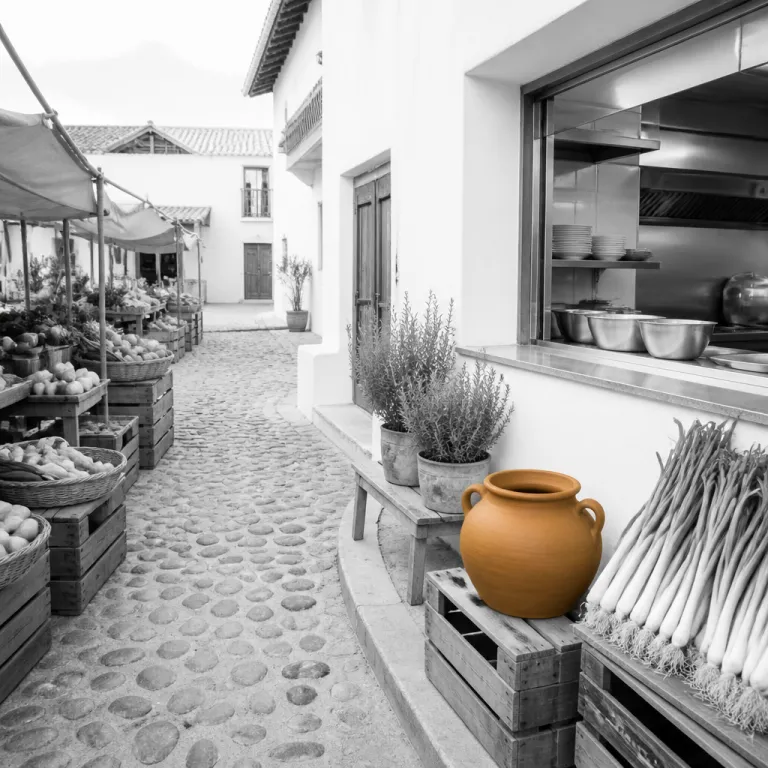
From market stall to hotel table: how Peru does local sourcing
In Peru, the most compelling farm-to-table stories begin at dawn, not in a boardroom. Luxury hotel chefs walk to markets with baskets in hand, choosing local food and seasonal produce that will appear hours later on a polished table for their guests. For families planning travel, this short distance between farm, market and hotel kitchen turns dining into an experience rather than a scripted performance.
The country’s best hotels treat the farm and the market as an extension of their own garden, rather than as a backdrop for photos. In Cusco and the Sacred Valley, properties such as JW Marriott El Convento Cusco and Inkaterra Machu Picchu Pueblo Hotel build menus around locally sourced ingredients, often grown on an organic farm or bought from a working farm within a few kilometres. These restaurants and hotels use traditional Peruvian techniques, but the produce is so fresh that even a simple salad can rival a Michelin-level plate in flavour and clarity, especially when it features emblematic Andean ingredients such as native potatoes, quinoa and rocoto peppers.
Peru’s geography helps explain why farm-to-table and farm-to-fork philosophies feel natural here. From the highland terraces of Urubamba Peru to riverbanks near an Amazon national reserve, smallholders grow ingredients that move quickly into restaurants, hotels and family kitchens. When you choose farm-to-table hotels and locally focused restaurants, you are not only eating well; you are supporting local farmers, reducing transport emissions and giving your children a tangible lesson in how food should travel from soil to table, often in less than a day from harvest to plate.
San Pedro Market and the Cusco hotel cooking class circuit
San Pedro Market in Cusco sits a ten-minute walk from the Plaza de Armas, and it is where serious hotel kitchens still shop. JW Marriott El Convento Cusco sends its culinary équipe here at first light, selecting local food, river fish and Andean grains before guests have even ordered coffee at the hotel. For families, joining these market walks turns a standard travel morning into a vivid learning experience, with children handling ingredients they will later cook and seeing how a chef chooses between dozens of potato or corn varieties.
JW Marriott El Convento Cusco is one of the clearest examples of a city hotel committed to regional sourcing. The property offers market tours and cooking lessons, and staff describe their goal as “using local ingredients whenever possible so the menu reflects what Cusco is eating that week.” That philosophy matters; it means the restaurant and its sister dining spaces inside the hotel are built on local produce rather than imported shortcuts, and the cuisine reflects what is truly seasonal in the region, with menus typically updated several times per month to follow harvest cycles.
Across Cusco, other hotels run cooking classes that start at San Pedro but not all programs are equal. A serious farm-to-table style class will give guests time to talk with vendors, compare seasonal produce and understand why certain ingredients never appear out of season. Look for restaurants and hotels that cap group sizes at around eight to ten people, allow children to choose vegetables or fruit, and then return to the hotel kitchen for a hands-on session of at least two hours that ends with shared dining at a long table rather than a rushed tasting, ideally paired with a thoughtful Nikkei-inspired hotel menu such as the one analysed in this guide to Lima’s Japanese Peruvian hotel cuisine, which shows how ceviche, tiradito and plant-based dishes can all highlight responsibly sourced ingredients.
Sacred Valley working farms: from garden rows to family plates
In the Sacred Valley, the distance between garden and plate can be measured in steps, not kilometres. Properties such as Inkaterra Hacienda Urubamba, often referred to simply as Hacienda Urubamba, operate an organic farm where guests can walk through rows of corn, quinoa and herbs before seeing the same ingredients on their table. The on-site gardens are extensive enough that the hotel can rely heavily on seasonal produce and truly locally sourced food, with chefs adjusting menus as crops come into season and explaining to guests why certain vegetables disappear when the planting cycle moves on.
Nearby, El Albergue Ollantaytambo and La Huerta Hotel follow a similar philosophy, using their own garden plots and neighbouring farms to supply their restaurants. These hotels show that farm-to-table hospitality in Peru is not a marketing slogan but a working farm reality, with staff moving between fields and kitchens throughout the day. Families can often join simple garden walks, collect vegetables, and then sit down for open-air dining where children see how a carrot pulled from the soil becomes part of refined Andean cuisine, sometimes roasted in a traditional huatia earthen oven or served alongside trout from nearby rivers.
For parents used to farm-to-fork properties in the United States or iconic agricultural retreats such as Los Poblanos in New Mexico, the Sacred Valley offers a South America counterpart with Andean character. The difference lies in altitude, Inca irrigation channels and the way local communities still treat the farm as the centre of life. When you book these restaurants and hotels, ask specifically about experiences that include planting, harvesting or cooking, and prioritise menus that highlight plant-based options alongside traditional meats so every family member finds a plate that suits their tastes and dietary needs, whether that means quinoa stews, vegetable-rich causas or alpaca prepared with local herbs.
Lima markets, Amazon kitchens and the wider farm to fork map
Lima’s Surquillo Market is where many of the city’s chefs actually shop, far from the tourist crowds of more famous districts. Several Miraflores hotels now arrange early morning visits here, pairing local food tastings with a return to the hotel restaurant for a ceviche or plant-based cooking session. For families, this creates a bridge between the capital’s celebrated restaurants and hotels and the quieter world of stallholders who know exactly which fishing boat landed yesterday’s catch and which farm supplied the day’s avocados, limes and ají peppers.
In the Amazon, jungle lodges face a different sourcing puzzle yet still embody farm-to-table values. Here, chefs rely on river fish, forest fruits and small farms near the national reserve boundaries, adjusting menus as water levels and seasonal produce change. The best properties explain to guests why certain ingredients appear only at particular times, turning each meal into an experience in ecology as much as cuisine, and often serving under starlight in open-air dining rooms that make the forest feel like part of the restaurant, with sounds of frogs and night birds replacing background music.
Families who have stayed at agricultural retreats in the United States or vineyard hotels in South Africa will recognise the same respect for terroir, but Peru adds altitude, biodiversity and Indigenous knowledge to the mix. Whether you are in Lima, Cusco or Urubamba Peru, ask how far the ingredients have travelled and whether the hotel partners with a specific working farm. For more Andean context, you can also look at wellness-focused properties such as this Andean hot spring retreat, which shows how thoughtful restaurants and hotels integrate local sourcing into spa cuisine as naturally as they do into hearty mountain dishes, using herbal infusions, whole grains and seasonal vegetables alongside lighter versions of classic Peruvian recipes.
How to choose a truly local sourcing hotel for your family
Selecting farm-to-table hotels in Peru for a family trip requires more than scanning a website for green icons. Start by asking each hotel what percentage of its ingredients are sourced within the region, whether it operates or partners with an organic farm, and how often menus change with the seasons. Serious restaurants and hotels will speak confidently about specific farmers, fishing communities and garden plots, not just generic sustainability goals, and may even share sample menus that list producers by name.
Next, look closely at the structure of food-focused experiences offered to guests. A meaningful program will include guided market visits, time in a garden or working farm, and a cooking component where children can safely participate in preparing food. Ask whether the restaurant offers both plant-based and traditional options, whether dining can be arranged in an open-air setting, and how the hotel integrates local cuisine into breakfast, lunch and dinner rather than limiting it to one themed night. It is also worth checking minimum age requirements, typical program length and whether advance reservations are needed during peak season, especially for popular San Pedro Market chef tours or Sacred Valley harvest activities.
Finally, consider how the property’s philosophy compares with other global leaders in farm-to-fork hospitality. If you know places such as Los Poblanos in the United States or wine country restaurants in South Africa, use them as benchmarks when evaluating Peruvian hotels. The best Peruvian examples, from Hacienda Urubamba to Inkaterra Machu Picchu Pueblo, will match that standard while adding Andean flavours, Quechua traditions and a sense of travel that connects your family to the land as directly as any hike or train ride, turning each meal into part of the journey rather than a break from it.
FAQ: farm to table hotel dining in Peru
Which Peruvian hotels offer market tours with their chefs ?
JW Marriott El Convento Cusco is a leading example, sending its team to San Pedro Market and inviting guests to join guided walks followed by cooking lessons back at the hotel. Other Cusco hotels also organise market visits, but you should ask whether the chef personally participates and whether the ingredients purchased are used the same day in the restaurant. Serious farm-to-table programs will always connect the market basket directly to the table, often within a single lunch or dinner service.
Do any hotels in Peru operate their own farms ?
Yes, several high-end properties run or partner with an organic farm or working farm close to the hotel. Inkaterra Hacienda Urubamba and Inkaterra Machu Picchu Pueblo Hotel both cultivate significant garden areas that supply their restaurants with seasonal produce. When booking, ask for a farm or garden tour so your family can see how ingredients move from soil to kitchen within walking distance, and whether children can help with simple tasks such as harvesting herbs or feeding chickens.
How do Peruvian hotels support local communities through food sourcing ?
Many hotels commit to buying directly from nearby farmers, fishermen and market vendors, ensuring that local food economies benefit from tourism. Some properties collaborate with community organisations to preserve traditional crops and cooking techniques, while others sponsor training for young people in hospitality and cuisine. By choosing restaurants and hotels that explain these partnerships clearly, you help strengthen community ties every time you sit down at the table, and your stay contributes to keeping small-scale agriculture viable.
Are farm to table dining experiences suitable for children ?
Farm-to-table and farm-to-fork programs in Peru can be excellent for families, especially when they include hands-on activities. Children usually enjoy visiting markets, picking vegetables in a garden and helping to prepare simple dishes under supervision. Look for hotels that offer flexible menus, plant-based options and relaxed open-air dining so younger guests feel comfortable and engaged throughout the experience, without the pressure of formal restaurant etiquette.
How can I tell if a hotel’s farm to table claim is genuine ?
A genuine commitment to local sourcing will show up in specific details, not vague slogans. Ask how far the main ingredients travel, how often menus change, and whether the hotel can name the farms or markets it relies on. If the answers are precise and the restaurant can adapt dishes around seasonal produce, you are likely sitting at a table where the supply chain really does begin within walking distance, and where the story behind each plate is as carefully considered as the presentation.