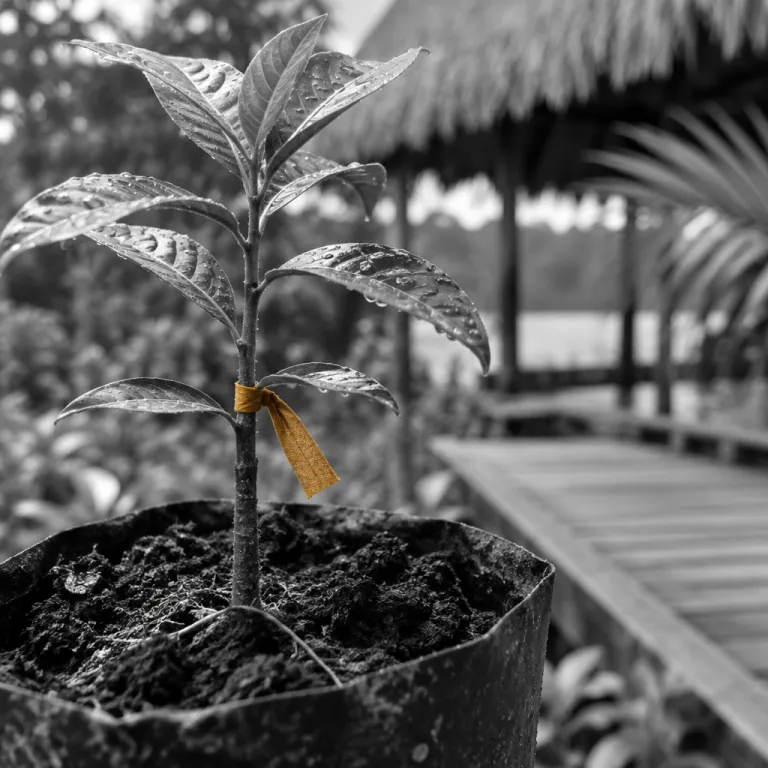
From sustainable to regenerative: how Amazon lodges raise the bar
Regenerative tourism in the Peruvian Amazon asks more than low-impact stays. It challenges every jungle lodge located in deep rainforest to leave ecosystems and local communities stronger after each guest departs, which is a higher bar than classic sustainable tourism. When you compare different regenerative-focused Amazon Peru eco lodges and other conservation-driven retreats, you start to see which properties are quietly reshaping how luxury travel and conservation coexist.
In the Amazon rainforest, sustainable tourism once meant efficient generators and recycled glass. Now the leading eco lodge projects in Perú invest in reforestation, citizen science, and long-term conservation partnerships that outlast any single person or trip. This shift is clearest in regions such as Madre de Dios, Tambopata, and the wider Amazonas basin, where lodges collaborate with local communities on rainforest expeditions that restore damaged habitat instead of simply observing it.
Regeneration-minded Amazon lodges also rethink what luxury feels like in a national park or remote buffer zone. Comfort is still there, but the real value lies in the view experience of intact rainforest, the quiet of the river at dawn, and the chance to join meaningful expeditions with expert naturalist guides. For a solo explorer, that means your travel budget in USD per person buys not only a refined lodge experience, but a measurable contribution to conservation and responsible tourism in one of the planet’s most fragile biomes.
Where luxury funds conservation: Madre de Dios, Tambopata and beyond
Madre de Dios has become the crucible for regenerative tourism in the Peruvian Amazon. Along the Tambopata River, properties such as Inkaterra’s lodges and Posada Amazonas have woven conservation science into the guest experience, turning each rainforest stay into a living classroom. These projects show how an eco lodge can be both a sanctuary for guests and a serious conservation actor in the wider Amazon rainforest.
Inkaterra’s properties near Puerto Maldonado operate canopy walkways, a butterfly house, and long-running biodiversity monitoring that feed data to researchers while guests enjoy elevated comfort. Since the 1970s, Inkaterra has documented more than 1,700 plant, bird, and mammal species across its reserves and protects over 10,000 hectares of rainforest, helping scientists map biodiversity hotspots in southern Peru. Nearby, Posada Amazonas works in partnership with the Ese Eja community, proving that sustainable tourism can generate income, protect forest, and keep cultural knowledge alive for younger generations in local communities. The same river corridor hosts Refugio Amazonas, where a lodge located in secondary forest supports rewilding efforts and invites guests into hands-on citizen science activities.
These rainforest expeditions are not staged performances for tourism, but working conservation programs where every person on a guided walk helps collect real data. A naturalist at Refugio Amazonas describes it simply: “When guests help us record macaw nests or mammal tracks, they are not just watching nature — they are part of the research team for that day.” When you book through a curated platform such as MyPeruStay, you can filter for lodges that publish conservation results, hold credible awards, and report on how many hectares of rainforest they actively protect. For a deeper dive into how eco friendly design and technology are reshaping high-end stays across the country, see this guide to eco-friendly innovations shaping luxury and premium hotel booking in Peru, then compare how Amazon properties push those ideas even further.
Manu and Pacaya Samiria: community power and national park protection
Travel north and west and the story of regenerative tourism in Amazonian Peru becomes more community led. In the Manu region, lodges operating near Manu National Park and within the broader Manu National reserve buffer zone work closely with indigenous and campesino families to manage access, guiding, and supplies. A lodge Manu property that takes regeneration seriously will cap guest numbers, employ local guides, and support a Manu learning programme that trains young residents in hospitality and field biology.
Some operators collaborate with the Amazon Conservation Association and Terra Verde Expeditions to run eco lodge projects that double as research bases, where a learning centre hosts workshops on forest restoration and wildlife monitoring. These initiatives turn sustainable tourism into a pipeline of skills and income for local communities, while protecting wildlife corridors that connect Manu National Park with adjacent rainforest. In practice, that means your rainforest expeditions might include checking camera traps, mapping reforestation plots, or visiting a small Manu learning hub where school groups and travelers share the same field lab.
Far to the north, community-managed tourism in the Pacaya Samiria area of Amazonas shows another face of regeneration. Here, indigenous families host guests in simple lodges and river homes, sharing proceeds and decision-making power in a way that shifts the local economy from extraction to hosting. One community leader in Pacaya Samiria explains that “every visitor who comes to see pink river dolphins or giant water lilies helps us keep the forest standing for our children.” When you compare these experiences with more classic Amazon lodges, you see how next-generation regenerative stays can vary in comfort level, yet align around the same core principles of conservation, responsible tourism, and long-term forest health.
Inside the lodges: solar energy, science and the solo explorer advantage
On the ground, regenerative tourism projects in the Peruvian Amazon feel different from conventional jungle resorts. Many cabins are built with eco friendly materials, raised on stilts to protect the forest floor, and powered partly by solar energy arrays that hum quietly behind the scenes. Water systems often combine rainwater harvesting with careful treatment, while waste is separated, composted, or returned to river towns rather than dumped in the rainforest.
At Refugio Amazonas and Posada Amazonas, for example, guests can join citizen science projects that track macaws, mammals, and even insect diversity along set transects. The phrase “What is regenerative tourism?” is answered in practice through activities where “Tourism that actively contributes to the restoration and enhancement of ecosystems and communities.” becomes a daily routine rather than a slogan. A well-run learning centre on site might host visiting researchers by night and travelers by day, turning your view from the hammock into a front-row seat on real-time conservation work.
For solo travelers, these lodges offer a particular advantage. Group sizes are usually small, guides have time to tailor each experience to the interests of one person or a few, and flexible schedules allow you to linger at a clay lick or canopy tower when the view is at its best. If you are pairing the jungle with highland stays, you can use curated resources such as this guide to refined stays and high-altitude elegance near Humantay Lake in Peru to balance your itinerary, then return to the Amazon knowing your lodge choice supports both science and community resilience.
What it costs and how to choose the right regenerative lodge
Pricing at regenerative tourism Amazon Peru lodges varies by region, comfort level, and how deeply conservation is embedded in the business model. In Madre de Dios and Tambopata, a three-night stay at an established eco lodge with guided rainforest expeditions, full board, and river transfers typically starts from several hundred USD per person, rising for more spacious suites or private guides. In Manu or remote Amazonas stretches, logistics are more complex, so rates per person can be higher, but they often include longer boat journeys and access to less visited sections of the Amazon rainforest.
When comparing options, look beyond glossy photos and focus on structure. Does the lodge publish conservation data, outline how much forest it protects, and explain how revenue is shared with local communities through responsible tourism agreements? Do they mention partnerships with organizations such as the Amazon Conservation Association, or detail how their solar energy systems, waste treatment, and learning centre facilities reduce pressure on the surrounding rainforest?
Also examine how each lodge located in Manu, Tambopata, or Amazonas integrates culture into the guest experience. Properties such as Posada Amazonas and Amazon Planet Perú highlight local crafts, food traditions, and community-led expeditions, while Muyuna Amazon Lodge in Loreto emphasizes immersion in primary forest with minimal infrastructure. As you refine your shortlist of regenerative tourism Amazon Peru lodges and other eco-conscious stays, prioritize those where sustainable tourism is not a marketing line but a transparent framework, backed by awards, long-term staff retention, and clear commitments that will still matter long after your own travel experiences have ended.
FAQ
What is the difference between sustainable and regenerative tourism in the Amazon ?
Sustainable tourism in the Amazon aims to reduce negative impacts, focusing on efficient resource use, basic conservation, and lower emissions. Regenerative tourism goes further by actively restoring ecosystems and strengthening local communities through reforestation, research, and shared governance. In practice, regenerative tourism Amazon Peru lodges invest in projects that leave the rainforest and its people better off after each season.
How do eco lodges in the Peruvian Amazon support conservation ?
Many eco lodges fund ranger patrols, habitat restoration, and wildlife monitoring across large tracts of rainforest. They partner with local communities and organizations such as the Amazon Conservation Association to run learning centres, citizen science programs, and long-term research. By staying at these properties, each person contributes directly to conservation budgets that protect Manu, Tambopata, Madre de Dios, and other key regions.
Are regenerative Amazon lodges suitable for solo travelers ?
Yes, regenerative tourism Amazon Peru lodges often work very well for solo travelers. Small group expeditions, shared tables at meals, and flexible guiding mean a solo person can enjoy tailored experiences without feeling isolated. Many lodges also attract like-minded guests interested in conservation, which creates an easy social atmosphere around the bar or on the boat.
What is typically included in the price of an Amazon lodge stay ?
Most quality lodges bundle river transfers, accommodation, all meals, and daily guided excursions into a single rate in USD per person. Some include rubber boots, drinking water, and basic gear, while others charge extra for premium activities or private guides. Always check whether conservation fees, national park permits, and community contributions are included or added separately.
How far in advance should I book a regenerative lodge in the Peruvian Amazon ?
Booking several months ahead is wise, especially for small lodges in Manu or remote Amazonas areas that cap guest numbers to protect the rainforest. Peak wildlife seasons and holiday periods fill quickly, and regenerative tourism Amazon Peru lodges rarely expand capacity just to meet short-term demand. Early planning also gives you time to coordinate flights, vaccinations, and pre- or post-jungle stays elsewhere in Peru.