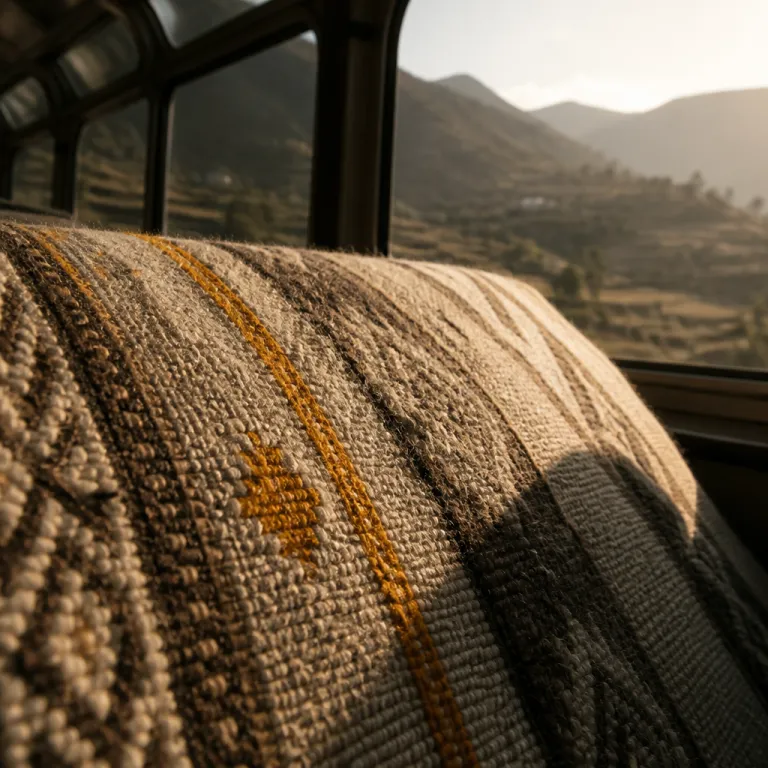
PeruRail Vistadome Observatory: the Sacred Valley’s moving lounge
The PeruRail Vistadome Observatory transforms the classic Cusco Machu Picchu train into a moving lounge that feels curated rather than functional. On this perurail vistadome observatory sacred valley route, the experience is designed as a slow descent from highland city to cloud forest, with every carriage detail choreographed around the changing light and landscapes. For couples planning luxury stays in the sacred valley, this observatory train becomes the spine that connects refined hotels, Andean culture and the first dramatic views mountains of the Urubamba gorge.
PeruRail, the operator behind the Vistadome and Vistadome Observatory services, positions this observatory train as the design forward alternative to both basic transport and overnight luxury. Capacity sits around 200 passengers, yet the observation carriage and bar carriage feel intimate, with panoramic windows and a glass ceiling that pull the valley inside. The open air platform at the rear is where the perurail vistadome observatory sacred valley concept truly comes alive, as you step out to feel the wind while the mountains rivers slide past only a few metres away.
From the moment you board at Poroy station near Cusco or at the station in Ollantaytambo in the sacred valley, staff will frame the journey as theatre rather than transfer. The équipe on board will assist with luggage, explain the altitude friendly tasting menu and quietly point out traditional villages or Inca terraces as they appear beyond the panoramic carriage windows. For travellers who usually fly or drive, this Cusco Machu Picchu rail journey redefines what train travel can be, especially when paired with premium hotels that understand how to time check in around the return panoramic schedule.
From Cusco to Aguas Calientes: a landscape story in three acts
The perurail vistadome observatory sacred valley route is not just Cusco Machu Picchu transport ; it is a three act landscape story told through glass. You leave Cusco at around 3 400 metres, gliding past eucalyptus fringed suburbs before the train tips into the sacred valley and begins tracing the Urubamba River. By the time you approach the station Aguas Calientes, also called Machu Picchu Pueblo or simply Picchu Pueblo, the air has softened, the vegetation has thickened and the sense of anticipation is unmistakable.
Act one is the high plateau, where wide horizons and ochre fields dominate the panoramic views and where a detour to Huaypo Lagoon before boarding can extend the narrative of water and mountains. Many couples base themselves at elevated sacred valley stays or even at adventure focused properties such as the cliffside capsules featured in this Sacred Valley luxury adventure hotel guide, then join the Vistadome Observatory from Ollantaytambo station for a shorter yet equally cinematic journey. This flexibility allows you to tailor the train segment around your preferred hotel style, whether you favour spa heavy sanctuaries or design led lodges with strong links to traditional communities.
Act two unfolds as the train hugs the river floor, where the observation carriage and open air deck become essential rather than optional. Here the sacred valley narrows, mountains rise almost vertically and the panoramic carriage windows frame terraced slopes, small pueblos and flashes of Inca stonework that hint at Machu Picchu ahead. Act three is the transition to cloud forest near Aguas Calientes, where the observatory train slows, the bar carriage livens with Andean music and you feel the climate shift as mist curls around the peaks above Picchu Pueblo.
Inside the observatory carriage: altitude menus, cocktails and culture
Step into the Vistadome Observatory carriage and the perurail vistadome observatory sacred valley concept reveals its hospitality DNA. Seating is arranged to maximise panoramic views, with oversized windows and a glass roof that make the landscapes feel almost within reach. The observation carriage at the rear opens to an open air platform, where couples lean on the rail, watch mountains rivers flash by and feel the temperature change as the train descends towards Machu Picchu Pueblo.
The culinary programme is calibrated to altitude, with light snacks and tasting plates that respect how your body responds as you travel from Cusco to Aguas Calientes. Expect Andean ingredients presented in a contemporary style, paired with craft cocktails in the bar carriage that highlight regional spirits beyond the classic pisco sour. Live musicians and dancers move through the panoramic carriage, turning the observatory train into a rolling salon where traditional textiles, instruments and stories are shared without feeling staged.
Service is quietly attentive ; staff will explain the route, answer questions about sacred valley hotels and even help you coordinate transfers so you can continue journey plans without stress. For travellers interested in slow luxury, this is where the perurail vistadome observatory sacred valley experience aligns with properties such as the wellness focused retreat analysed in our slow luxury Sacred Valley hotel review. Both the train and these stays treat time, altitude and culture as ingredients in a broader journey, rather than as obstacles to be rushed through on the way to Machu Picchu.
Choosing your departure: Poroy, Ollantaytambo and hotel pairings
Where you board the Vistadome Observatory matters almost as much as which hotel you book in the sacred valley. From Poroy station near Cusco, the full Cusco Machu Picchu journey lasts around three and a half hours, giving you maximum time in the panoramic carriage and observation carriage as the landscapes shift. From Ollantaytambo station in the heart of the sacred valley, the ride is shorter but more intense, ideal for couples who have already spent nights at altitude and now want to focus on the river gorge and views mountains.
Poroy works well if you are staying in Cusco’s historic centre, perhaps in a restored mansion with strong art collections and refined service. In this case, the perurail vistadome observatory sacred valley experience becomes your gentle descent from city altitude to the lush environment of Aguas Calientes, where you step off at station Aguas Calientes ready to continue journey plans up to Machu Picchu itself. Ollantaytambo, by contrast, is the natural choice if you have based yourself in sacred valley lodges that prioritise space, gardens and proximity to sites such as Moray or Huaypo Lagoon.
Many premium properties in the valley now time their transfers around the Vistadome Observatory timetable, and their équipe will assist with luggage and boarding so the transition from suite to observatory train feels seamless. When planning, think of the train, your sacred valley stay and your Machu Picchu visit as a single stitched itinerary rather than separate bookings. This mindset helps you choose whether a longer morning departure from Poroy or a later departure from Ollantaytambo best suits your preferred rhythm of travel and your chosen hotel’s check in and spa schedule.
Why the Vistadome Observatory is more than a transfer
For many travellers, Machu Picchu is the headline, yet the perurail vistadome observatory sacred valley experience quietly steals the show. The train reframes the Cusco Machu Picchu axis as a curated corridor of culture and landscapes, where every bend in the river and every pueblo glimpsed through the panoramic windows adds context to the citadel above. When you treat the observatory train as a destination in its own right, your choice of sacred valley hotel, restaurant and even Lima stay begins to align around a slower, more layered journey.
On board, the combination of panoramic carriage design, open air deck and bar carriage hospitality means the hours between Cusco and station Aguas Calientes feel like time gained, not lost. Couples share snacks and Andean tapas, sip cocktails, listen to live music and watch as traditional farming plots give way to dense forest, all while knowing that staff will handle the logistics. This is experiential travel in the purest sense, where the movement itself is the memory, not just the means to reach Machu Picchu Pueblo.
That same philosophy can extend to the rest of your Peru itinerary, from sacred valley retreats to Lima’s gastronomic hotels, where a night near the city’s leading tasting menus is explored in our Lima tasting menu hotel guide. When you return panoramic on the Vistadome Observatory after visiting Machu Picchu, the views mountains feel different, richer with context and memory. As PeruRail itself notes, "Panoramic windows, open-air observatory, live music, snacks."
FAQ
How long is the Vistadome Observatory journey between Cusco and Machu Picchu ?
The Vistadome Observatory journey from the Cusco region to Machu Picchu takes approximately three and a half hours when you depart from Poroy station. If you board at Ollantaytambo in the sacred valley, the travel time is shorter, usually around one and a half to two hours. Both options use the same observatory train concept, with panoramic views and access to the observation carriage.
What amenities does the Vistadome Observatory offer on board ?
The Vistadome Observatory offers large panoramic windows, a glass roof, and an open air observatory carriage at the rear of the train. On board you will find live Andean music, cultural presentations, and carefully prepared snacks that showcase regional ingredients. The bar carriage serves drinks, while staff will assist with information about the route, sacred valley hotels and onward transfers.
Is the Vistadome Observatory suitable for couples seeking a luxury experience ?
The Vistadome Observatory is well suited to couples who value design, service and a sense of occasion during their journey. While it is not an overnight luxury train, the observatory carriage, bar carriage and curated snacks create a premium atmosphere that pairs naturally with high end sacred valley stays. Many luxury hotels coordinate transfers to and from the station Aguas Calientes or Ollantaytambo station, making the experience feel seamless.
Should I board at Poroy or Ollantaytambo for the best experience ?
Choose Poroy if you are staying in Cusco and want the full narrative arc from high plateau to cloud forest, with maximum time in the panoramic carriage. Opt for Ollantaytambo if you are based in the sacred valley and prefer a shorter but more dramatic segment focused on the river gorge and steep views mountains. In both cases, the perurail vistadome observatory sacred valley experience remains the same, with access to the observation carriage and open air deck.
How far in advance should I book the Vistadome Observatory ?
Because demand for experiential train travel to Machu Picchu is consistently high, it is wise to book the Vistadome Observatory several weeks or even months ahead, especially in the dry season. Booking early helps you secure preferred departure times from either Cusco or the sacred valley and coordinate hotel reservations around your chosen journey. Always arrive at the station at least 30 to 45 minutes before departure to board calmly and enjoy the full observatory train experience.
Sources
PeruRail official information ; PromPerú tourism board publications ; UNESCO World Heritage Centre documentation on Machu Picchu.