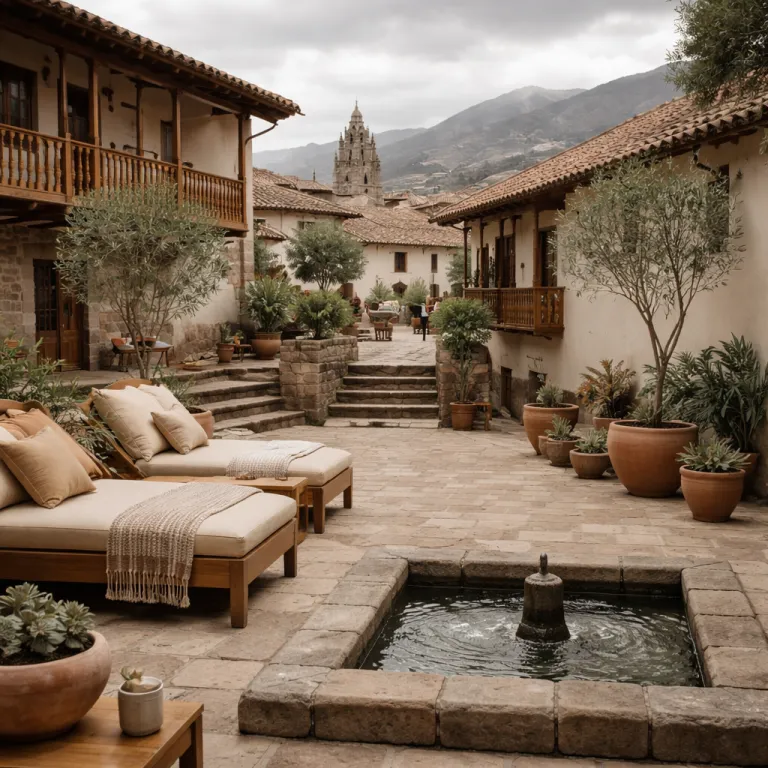
Essential Cusco points of interest for first time visitors
The high Andean city of Cusco sits at 3 399 meters and rewards patient travelers. Spend at least two full days in Cusco to acclimate before any ambitious day trip to higher altitude. This slower rhythm lets you enjoy the historic center, sample Peruvian cuisine, and plan the best day sequence for your itinerary.
The heart of Cusco Peru is the monumental Plaza de Armas, once the ceremonial center of the Inca Empire. Today the plaza blends arcaded colonial mansions with Inca foundations, creating one of the best things to photograph at sunrise and at night. Around the plaza Armas, luxury and premium hotels offer privileged rooms with a framed view of the square and the surrounding hills.
On the north side stands the imposing Cusco Cathedral, built over an important Inca temple and filled with Cusqueña school paintings. A short walk away, the church of San Francisco and the church of San Cristóbal complete a trio of major colonial church landmarks. These religious sites are essential things in Cusco to visit for travelers interested in art, history, and the complex dialogue between the Inca ruins and Spanish architecture.
Behind the cathedral, narrow streets lead toward the artisan quarter of San Blas, another highlight among Cusco points of interest. Here, whitewashed houses, small galleries, and intimate cafés climb toward the San Blas temple, which offers a charming city view. Staying in this neighborhood places you close to many things Cusco is known for, while remaining within walking distance of the main plaza Armas.
Inca heritage, museums, and refined stays around the historic center
Many of the most compelling Cusco points of interest reveal how the Inca Empire engineered its capital. Along Hatun Rumiyoc street, the famous angled stone with twelve sides shows the precision of Inca masonry. Observing this single block helps visitors understand why nearby Inca ruins have resisted earthquakes that damaged later colonial buildings.
Several important museum collections sit within walking distance of the Plaza de Armas and San Blas. The Inca Museum explains the rise of the Inca Empire and contextualizes major sites like Machu Picchu and the Sacred Valley. Another museum focuses on religious art, linking the church interiors of Cusco Peru with broader Andean traditions and the transformation of Inca symbols.
For travelers booking luxury or premium accommodation, proximity to these cultural Cusco points of interest is a key advantage. Many high end properties occupy restored mansions where Spanish colonizers built over Inca ruins, creating layered courtyards and stone arcades. When evaluating options on a specialized Peruvian booking platform, look for suites that highlight original stonework and offer curated access to nearby museum visits and private day trips.
To refine your search, you can consult thematic suite inspirations for luxury and premium hotel booking websites in Peru, such as those presented in this guide on high end Peruvian hotel concepts. These resources help you match specific things Cusco offers, from gastronomy to art, with the right style of property. In a city where heritage and hospitality intertwine, this alignment elevates each day of your stay.
Inca ruins in and around Cusco for culture focused itineraries
Beyond the historic center, the hills above Cusco shelter some of the most impressive Inca ruins in the region. The fortress of Sacsayhuamán, attributed to the Inca Empire, dominates the city and forms a cornerstone of any list of Cusco points of interest. Many travelers choose a half day trip that combines Sacsayhuamán with nearby sites such as Qenqo, Puka Pukara, and Tambomachay.
These ruins near Cusco illustrate how the Inca integrated ceremonial spaces, water channels, and defensive structures into the landscape. From the upper terraces, the view over Cusco Peru and the Plaza de Armas is particularly striking in the late afternoon. For guests staying in premium hotels, private transfers and expert guides transform these day trips into tailored cultural experiences.
Within the city, several smaller Inca ruins remain embedded in walls and courtyards, forming what many specialists call the Cusco sacred urban core. Walking from the San Blas neighborhood down to the Plaza Armas, you pass finely carved blocks that once framed palaces and temples. These details rank among the subtle yet essential things Cusco offers to attentive visitors.
Travelers interested in architecture can benefit from online resources that analyze thematic suite inspirations for luxury and premium hotel booking websites in Peru, such as this overview of heritage inspired suites. Such guides explain how contemporary properties echo Inca stone patterns or reference nearby ruins Cusco in their interior design. Choosing these hotels allows each day and each night to remain connected to the surrounding cultural landscape.
Machu Picchu, Sacred Valley, and multi day extensions from Cusco
For many travelers, the most famous of all Cusco points of interest is the sanctuary of Machu Picchu. Although it lies several hours away, the journey usually begins in Cusco Peru, where you organize trains, permits, and guides. Planning at least two or three days in Cusco before and after the visit helps you manage logistics comfortably.
Most itineraries combine Machu Picchu with the Sacred Valley, a fertile corridor of villages and Inca ruins between Cusco and the Urubamba River. Sites such as Pisac and Ollantaytambo rank among the best things to see for travelers interested in the agricultural and military strategies of the Inca Empire. Many luxury properties in the valley coordinate seamless transfers, curated day trips, and timed entries to the citadel.
When evaluating day trips from Cusco, consider how each option fits your pace and interests. A best day might include a sunrise train, a guided tour of Machu Picchu, and a quiet evening back in a refined hotel near the Plaza de Armas. Another traveler may prefer to spend several days in the Sacred Valley, using it as a base for additional Inca ruins and rural experiences.
Local authorities and international partners emphasize the importance of preserving these sites for future generations. As one official summary notes, "Cusco features numerous Inca and colonial-era sites." Choosing responsible operators and well managed premium hotels supports conservation while ensuring that the Cusco sacred landscapes remain accessible. This approach aligns comfort, culture, and sustainability across all your day trips.
Rainbow Mountain, San Cristóbal viewpoints, and active experiences
In recent years, Rainbow Mountain has become one of the most talked about Cusco points of interest. This colorful Andean peak, reached by a long day trip, rises higher than the city and demands careful acclimatization. Travelers should spend several days in Cusco first, as altitude sickness is common at these elevations.
For those who prefer shorter outings, the San Cristóbal viewpoint above the historic center offers a rewarding alternative. A gentle climb from the Plaza de Armas leads to the church of San Cristóbal, where the view over Cusco Peru and the surrounding hills is particularly beautiful at sunset. This walk, combined with nearby Inca ruins, forms one of the best things to do on your first day in the city.
Active travelers can also explore less crowded trails that connect minor ruins near Cusco with rural communities. These routes highlight how the Inca Empire integrated agricultural terraces, water channels, and ceremonial spaces into the highland environment. Many premium hotels collaborate with specialized guides to design custom day trips that balance effort, safety, and cultural depth.
When planning these excursions, remember that the altitude of Cusco is approximately 3 399 meters and that the region receives around two million visitors annually. These figures underline why it is essential to book reputable operators and to choose accommodations that prioritize health, safety, and responsible tourism. In this context, the most memorable things Cusco offers often combine panoramic landscapes, thoughtful guiding, and a comfortable return to your chosen hotel each evening.
Planning luxury stays near key Cusco points of interest
Selecting the right luxury or premium hotel in Cusco Peru starts with mapping your priorities among the main Cusco points of interest. Travelers focused on museums and colonial architecture may prefer to stay close to the Plaza de Armas and the Cusco Cathedral. Others who value artisan workshops and quieter evenings might choose the slopes of San Blas, where many properties offer an elevated view over the city.
When comparing options on specialized Peruvian booking platforms, pay attention to how each property connects you with essential things Cusco is known for. Some hotels curate private day trips to Machu Picchu, the Sacred Valley, and Rainbow Mountain, while others emphasize gastronomy or wellness. The most refined stays often integrate local materials that echo nearby Inca ruins and colonial facades.
For travelers planning several days in Cusco, a split stay can work particularly well. You might spend your first day near the Plaza Armas to explore the church complexes, museum collections, and urban Cusco sacred sites. Then you could move to a quieter property on the edge of the city, closer to the main ruins near Cusco and the road toward the Sacred Valley.
Luxury booking websites dedicated to Peru increasingly highlight transparent information about sustainability, community engagement, and heritage preservation. This aligns with broader goals to protect Inca and colonial landmarks while welcoming visitors from around the world. By choosing properties that respect this balance, you ensure that your personal list of best things in Cusco contributes positively to the destination.
How many days in Cusco and how to structure your itinerary
One of the most frequent questions from travelers concerns how many days in Cusco are ideal. For a balanced experience that includes the main Cusco points of interest, many experts suggest at least three to four days in the city and its surroundings. This allows time for acclimatization, cultural visits, and one or two full day trips.
A classic sequence of best things might start with a gentle first day exploring the Plaza de Armas, the Cusco Cathedral, and the nearby San Blas neighborhood. The second day could focus on the main ruins near Cusco, including Sacsayhuamán and other Inca ruins on the surrounding hills. A third day trip might take you to the Sacred Valley, while a fourth could be dedicated to Machu Picchu or Rainbow Mountain, depending on your interests and fitness.
Throughout this schedule, staying in a well located luxury or premium hotel simplifies logistics and enhances comfort. Properties near the Plaza Armas reduce transfer times to many urban things Cusco offers, from restaurants to evening performances. Those closer to the exit roads facilitate early departures for longer day trips without sacrificing service quality.
To make the most of your stay, consider hiring local guides who can interpret both the visible monuments and the less obvious Cusco sacred traditions. As regional advice often notes, it is wise to visit during the dry season, acclimate to the altitude, and rely on experienced professionals for complex excursions. With this approach, each day in Cusco Peru becomes part of a coherent narrative that links history, landscape, and hospitality.
Key statistics for planning a refined stay in Cusco
- Approximate altitude of Cusco : 3 399 meters above sea level.
- Estimated number of annual tourists in Cusco Region : about 2 000 000 people.
- Main construction techniques visible today : Inca stone masonry and Spanish colonial architecture.
- Core preservation partners for historic sites : UNESCO and the Peruvian government.
Essential questions about Cusco points of interest
What is the best time to visit Cusco ?
The most favorable period to visit Cusco Peru generally corresponds to the dry season from May to September. During these months, skies are clearer, which benefits visits to Inca ruins, Machu Picchu, and Rainbow Mountain. Luxury and premium hotels also tend to organize more frequent day trips thanks to stable weather.
Is altitude sickness common in Cusco ?
Altitude sickness is relatively common in Cusco because the city sits at around 3 399 meters. Travelers should plan gentle first days in Cusco, stay well hydrated, and avoid intense effort before any high altitude day trip. Many upscale hotels offer oxygen, herbal infusions, and medical support to help guests adapt comfortably.
Are guided tours available for Cusco's landmarks ?
Guided tours are widely available for the main Cusco points of interest, including the Plaza de Armas, Cusco Cathedral, nearby Inca ruins, and major day trips. Hiring certified local guides enriches visits to the Sacred Valley, Machu Picchu, and Rainbow Mountain with historical and cultural context. Many luxury and premium hotels collaborate with trusted agencies to coordinate private or small group experiences.
Trustful expert sources : UNESCO World Heritage Centre ; Ministerio de Comercio Exterior y Turismo del Perú (MINCETUR) ; PromPerú official tourism information.