August in the Andes: why Pachamama season reshapes your hotel choice
August in Peru is not just another dry month for travelers. Across the Andean highlands, August 1 opens a sacred window when people pause daily routines and turn toward Pachamama, the earth mother who anchors Andean worldview and rural life. For families choosing Peru hotels that highlight Pachamama celebrations in August, this season changes which properties feel meaningful, and which feel merely scenic.
In Cusco and the Sacred Valley, the air is razor clear and nights are cold, so luxury hotels lean into firelit terraces, thick alpaca blankets and heated stone floors that keep you comfortable after a late Pachamama ceremony under the stars. The same crisp skies that bring frost to the fields also sharpen constellations, making an evening ritual performed outdoors a powerful bridge between earth mother Pachamama below and the Milky Way above. When a property understands that August is when Pachamama is most intensely celebrated, it designs rituals, menus and even spa programs around gratitude, protection and renewal rather than generic wellness.
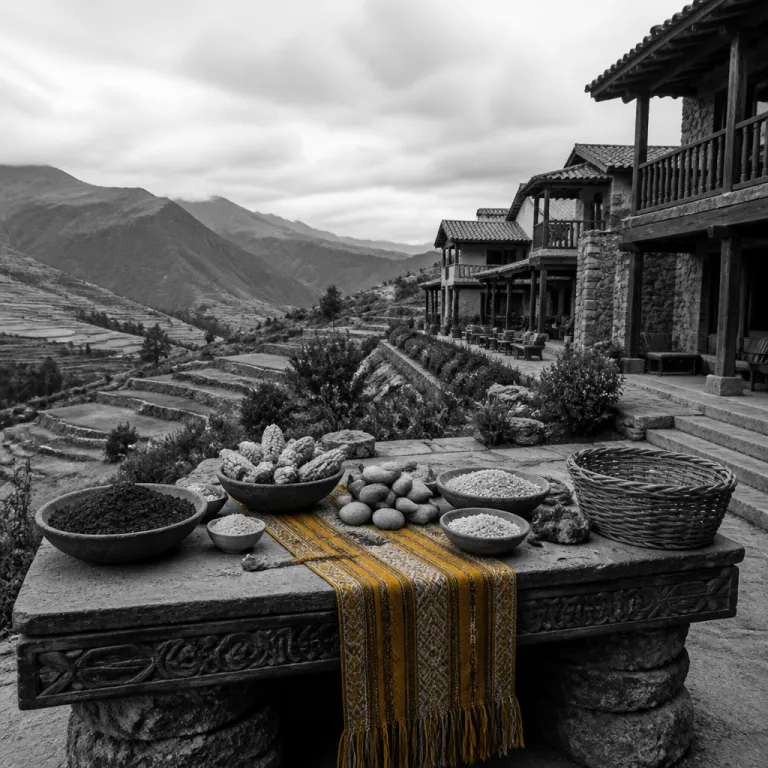
In Andean culture, August is considered a vulnerable time for the soil, so offerings to Pachamama become both spiritual connection and practical insurance for the next harvest. You will see coca leaves, chicha jora and grains laid carefully on woven cloths, each offering placed with intention as part of pago a la tierra, the traditional payment to mother earth. Hotels that take this seriously invite local indigenous communities to lead Pachamama ceremony moments, ensuring that every offering, every wisp of aromatic incense smoke and every whispered Quechua phrase respects Inca roots instead of staging a performance for cameras.
Where Pachamama is truly honoured: Cusco and Sacred Valley stays
In Cusco, several high end properties now position themselves as Pachamama focused Peru August celebration hotels, but only a handful integrate Andean worldview with real depth. At Palacio del Inka, a Luxury Collection Hotel, for example, resident paqos host early morning pagos a la tierra in the colonial courtyard on and around August 1, while JW Marriott El Convento Cusco offers private earth-offering rituals that can be scheduled throughout the month. According to recent hotel programming shared with guests, both properties work with Quechua-speaking practitioners from nearby communities, who set the ritual calendar and receive direct payment for their time and knowledge.
In the Sacred Valley, family friendly lodges with broad lawns and mountain views often host Pachamama offerings beside ancient trees, turning the garden into a temporary sacred valley huaca, or holy site. Properties such as Tambo del Inka in Urubamba typically organise pagos a la tierra at sunrise or late afternoon, timing them to the changing light on the surrounding peaks. Children can help arrange offerings to Pachamama on handwoven cloths, placing grains, flowers and tiny sweets as the paqo explains how people once made similar offerings in Inca times to ask for protection and good harvests. As one Urubamba based ritual specialist often tells guests, “When you feed Pachamama with respect, she feeds you back through the land.”
Community based luxury is reshaping how these experiences are delivered, and the most forward looking hotels now partner with nearby villages rather than importing generic shamans; this shift is explored in depth in this analysis of community based luxury in Peru. When indigenous communities design the ritual flow, they decide which songs, which prayers and which incense blends are appropriate for guests, and which remain private. That balance protects spiritual connection for locals while still allowing travelers to participate respectfully in Pachamama Peru ceremonies that feel grounded, not staged.
From Machu Picchu to Lake Titicaca: how hotels choreograph Pachamama rituals
For many families, Machu Picchu is the headline, yet August turns the whole Andean corridor into a living classroom about Pachamama mother traditions. Some luxury trains and valley lodges now frame the journey as a moving Pachamama ceremony, starting with a quiet offering on a Cusco terrace and ending with a lakeside ritual near Titicaca. Along the way, you encounter different ways people relate to mother earth, from highland farmers to island communities that still follow Inca agricultural calendars.
Near Machu Picchu, riverside hotels sometimes host intimate evening rituals where a ceremony performed by a local healer uses coca leaves, flowers and small food items as a bridge between rushing water and the surrounding forest. Families sit in a circle while the guide explains how Andean culture reads the river’s sound as a message from Pachamama, and how each offering is a way of speaking back. These properties often extend the theme into their spas, using earth based clays and herbal compresses that echo the idea of returning to Pachamama for cleansing and protection.
Further south, on the shores of Lake Titicaca, some lodges work directly with indigenous communities to host pago a la tierra ceremonies on natural terraces overlooking the water, turning the lake into a mirror for the sky during Pachamama Day. Here, Pachamama offerings might include lake reeds, local potatoes and chicha jora brewed in nearby villages, reinforcing that every element comes from and returns to the same sacred source. For a broader view of how cultural immersions are curated across the country’s high end properties, see this guide to cultural immersions through luxury hotel booking in Peru, which places Pachamama rituals alongside Amazonian and coastal traditions.
Participating with respect: practical guidance for families in Pachamama season
Choosing among Pachamama Peru August celebration hotels means deciding how your family wants to engage with sacred traditions, not just which suite has the best view. Before you book, ask whether the Pachamama ceremony is led by a local practitioner, whether a contribution goes back to the community and how many people join each session. Smaller circles usually allow children to ask questions and understand why people speak of Pachamama as both earth and mother, rather than treating the ritual as a quick photo stop.
On the day itself, dress warmly in layers; August nights in Cusco, the Sacred Valley and highland Peru can drop close to freezing, especially during outdoor rituals. Bring a shawl or poncho for each family member so you can focus on the Pachamama ceremony instead of the cold, and follow the host’s lead on when to speak, when to remain silent and how to place your offering. Many hotels provide coca leaves, grains and small sweets for Pachamama offerings, but you can also bring a personal item, such as a handwritten note of gratitude, to deepen your own spiritual connection.
Ethical participation also means understanding that Pachamama is not a show; as one common local explanation puts it, “What is Pachamama? Andean Earth Mother deity.” and “How is Pachamama honored? Through offerings and rituals.” When you remember that Pachamama Day is part of a longer agricultural cycle, you see why people treat pago a la tierra as serious work, not entertainment. Some families choose to balance highland ceremonies with time in the Amazon on a refined river vessel, and this perspective on Peruvian river luxury shows how respect for land and water can shape hospitality far beyond the Andes.
FAQ
What is Pachamama and why is August important in Peru ?
Pachamama is understood as the earth mother deity at the heart of Andean worldview, linking soil, mountains and human life in a single sacred system. August, and especially August 1, is when Pachamama Day is celebrated across highland Peru through offerings and rituals that thank mother earth for past harvests and ask for protection in the coming agricultural cycle. During this month, many hotels in Cusco, the Sacred Valley and beyond host Pachamama ceremonies so guests can participate respectfully alongside local communities.
What happens during a typical Pachamama ceremony at a hotel ?
A Pachamama ceremony at a luxury property usually begins with a short explanation from a local spiritual guide about why people make an offering to Pachamama before planting or major life events. Guests then receive coca leaves, grains, flowers and sometimes chicha jora to place carefully on a woven cloth, creating layered offerings that symbolise gratitude, protection and abundance. The ceremony is often completed with aromatic incense smoke, a spoken prayer in Quechua and the burial or burning of the offering, returning it to mother earth.
How can families participate respectfully in Pachamama rituals ?
Respect starts with choosing Pachamama Peru August celebration hotels that work with indigenous communities and allow them to lead the rituals according to their own customs. During the ceremony, follow the host’s instructions, avoid interrupting prayers and treat coca leaves and other offerings as sacred objects rather than props. Afterward, ask thoughtful questions about Andean culture and Inca traditions, and consider contributing to community projects that support the people who keep these rituals alive.
Which regions of Peru are best for Pachamama focused stays ?
Cusco and the Sacred Valley are the most accessible hubs for Pachamama focused experiences, with many high end properties offering August ceremonies that blend comfort and cultural depth. Lake Titicaca is another powerful setting, where pago a la tierra rituals often take place on natural terraces overlooking the water, led by local Aymara or Quechua communities. Some travelers also combine these highland stays with time in the Peruvian Amazon, creating a broader journey that links Andean earth traditions with river based spiritual connection.
Is a Pachamama ceremony suitable for children and older travelers ?
Most Pachamama ceremonies hosted by luxury hotels are gentle, family friendly experiences that last between 45 and 90 minutes, making them accessible for children and older guests. Properties usually provide seating, blankets and warm drinks so everyone can focus on the ritual rather than the cold, especially during August nights in high altitude regions. If you have mobility concerns, ask in advance whether the ceremony performed that evening will take place on level ground near the hotel or require walking to a hillside viewpoint.