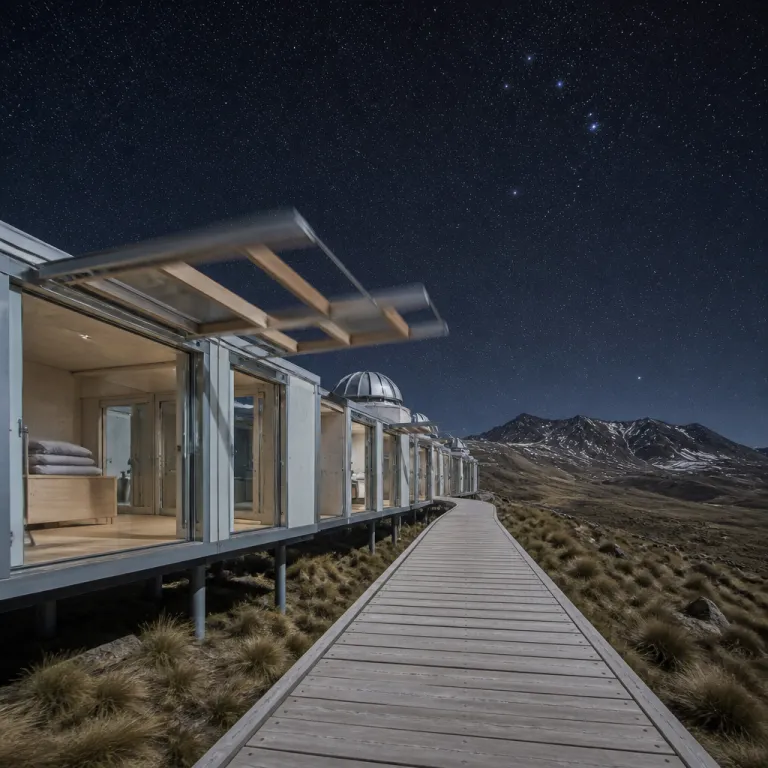
Why Peru, not the Atacama, should anchor your stargazing trip
Most travelers chasing the best stargazing in Latin America look straight to the Atacama Desert in Chile and stop there. Yet Peru quietly combines high altitude, clear skies and deep culture spirituality to create a richer stargazing experience that will shape your entire trip. For couples weighing stargazing lodges in Peru against a stay near San Pedro de Atacama, the question is not desert versus mountains but how much spiritual connection and Peruvian culture you want woven into each night.
Peru’s southern highlands sit on the same Andean spine as the Atacama Desert, so the skies share similar dryness, low light pollution and awe inspiring clarity. You still get that ink black night sky and sharp night skies, but here the constellations are read through Andean cosmology rather than only through Western astronomy. When you choose stargazing lodges in Peru instead of a lodge near San Pedro, you trade the endless desert horizon for valleys, snow peaks and a sky that local communities read as a living cosmos.
The Sacred Valley and Colca Canyon are the country’s most compelling locations for a stargazing focused lodge stay. Both regions offer high altitude, stable conditions in the dry season and minimal light pollution that rivals parts of the Atacama Desert. In these valleys, the night becomes a curated experience rather than a backdrop, and the right lodge will treat the sky as seriously as the spa, the king size beds and the restaurant.
How altitude, climate and light shape Peru’s night skies
Altitude is the quiet hero of every serious stargazing experience in Peru. Many of the best stargazing lodges in Peru sit between 2 500 and 3 600 metres, where the air is thin, the skies are dry and the night sky feels almost within reach. This elevation, combined with the Andean climate, creates conditions that will often rival those in the Atacama Desert for clarity.
In the Sacred Valley, mountains shield small villages from urban light, so light pollution stays low and the night skies remain pristine. Colca Canyon, reached from Arequipa, offers similar conditions with even fewer settlements, which means more consistent clear skies for observing celestial wonders. When you read property descriptions, look for explicit mentions of astronomy facilities, dark sky policies and how the lodge manages exterior lighting at night.
Cloud cover and moon phase still rule everything, whether you are in Peru or near San Pedro de Atacama. A full moon will wash out the subtle beauty of the Milky Way, even under perfect desert conditions. For couples planning a romantic trip, it is worth checking lunar calendars and asking each lodge how they adapt their offers and guided tours when the sky is not cooperating.
Sacred Valley: where Andean cosmology meets five star comfort
The Sacred Valley is Peru’s most compelling answer to the classic Atacama stargazing lodge. Here, altitude, river carved landscapes and Inca terraces combine with low light pollution to create a night sky that feels both intimate and immense. For many couples, this valley becomes the base that will frame their visit to Machu Picchu and their deeper immersion in Peruvian culture.
Casa Andina Premium Sacred Valley operates one of the few full scale observatories attached to a luxury property in Peru. The on site planetarium and telescope sessions turn a simple night into a structured stargazing experience, with guides who read both Western constellations and the dark shapes that Quechua communities see between the stars. Under these clear skies, the cosmos is not an abstract concept but a textured presence that shapes stories, agriculture and culture spirituality.
Nearby, the community of Mullakas Misminay has been certified as a Starlight destination, setting a benchmark for dark sky conditions in the Sacred Valley. Staying in a high end lodge and then joining guided tours to this community gives you a unique opportunity to hear how locals interpret the night skies as living beings. The contrast between your king size bed and the simplicity of village life sharpens the sense that nature, sky and human ritual remain tightly braided here.
Rooms, terraces and the architecture of the night
Not every luxury lodge in the Sacred Valley is built for the night sky. When you compare stargazing lodges in Peru, pay attention to how rooms and terraces are oriented toward the sky rather than just toward valley views. Suites with large windows, private outdoor spaces and minimal exterior lighting will dramatically improve your stargazing experience.
Look for rooms where you can lie on a king size bed and still see a slice of the Milky Way without leaving the duvet. Some properties offer in room telescopes or provide blankets and hot drinks on request, turning the night into a slow ritual rather than a rushed activity. The best stargazing lodges in Peru will also train their équipe to dim pathway lights and to explain why certain areas remain dark to protect the night skies.
Architecture matters as much as altitude when you are chasing the best stargazing in Latin America. A lodge that faces south with unobstructed views of the Southern Cross will give you a very different experience from one tucked deep in a narrow gorge. When you read reviews, look for mentions of terraces, rooftop viewpoints and how easy it is to step from your rooms into nature without losing your night adapted vision.
Colca Canyon and the southern highlands: observatories at the edge of the Andes
Colca Canyon feels like the Andean answer to the Atacama Desert, with its dry air, dramatic cliffs and sparse villages. Here, the Planetarium and Observatory Colca near Chivay anchors a small but serious astronomy scene that complements the region’s condor watching and hot springs. For couples, this combination of daytime canyon drama and night sky immersion turns a simple stay into a layered experience.
The observatory offers structured sessions that will usually include telescope viewing, basic orientation to the southern sky and explanations of how local communities read the cosmos. Under these clear skies, you see not only bright stars but also the dark constellations that Andean cosmology traces in the Milky Way’s dust lanes. When conditions are right, the night sky here feels almost tactile, a dense river of light that will stay with you long after the trip ends.
Luxury properties in the Colca region tend to be more spread out than in the Sacred Valley, which further reduces light pollution and preserves the night skies. Many lodges sit on ridgelines or canyon edges, where rooms and hot spring pools open directly to the sky. If you are comparing stargazing lodges in Peru with remote stays in northern Peru, guides such as this detailed look at where discerning travellers actually sleep in the cloud forest region can help you weigh how much the night sky matters versus daytime scenery.
Balancing remoteness, comfort and spiritual connection
Colca’s remoteness is both its luxury and its logistical challenge. Reaching these locations usually requires a long drive from Arequipa, so you will want at least two or three nights to justify the journey. That extra time allows you to experience different night skies as conditions shift, from crystal clear to slightly veiled, and to appreciate how the canyon’s silence deepens your spiritual connection to nature.
Rooms in the higher end lodges often feature fireplaces, thick duvets and king size beds, which matter when temperatures drop sharply at night. The best properties will offer flexible dinner hours so you can attend observatory sessions without rushing meals, and they may provide late night snacks or hot drinks after your stargazing experience. When you read property descriptions, look for how they integrate astronomy into the daily rhythm rather than treating it as an occasional add on.
For many couples, Colca becomes the place where the concept of stargazing lodges in Peru fully clicks. The combination of canyon silence, minimal light pollution and curated astronomy sessions creates an awe inspiring sense of scale. Here, the sky stops being a backdrop to your trip and becomes the main event, with the desert like plateau around Chivay echoing the stark beauty of the Atacama while remaining distinctly Peruvian.
Designing a night around the sky: itineraries, timing and energy
Building a Peru itinerary around the night sky requires more planning than simply booking a lodge with telescopes. Altitude, early wake up calls for Machu Picchu and long transfer days can quietly erode your energy, leaving you too tired to enjoy the night skies. The most successful stargazing focused trips treat the night as the anchor and then arrange daytime activities around it.
If you plan to visit Machu Picchu, consider staying in the Sacred Valley both before and after your day at the citadel. On the first nights, keep your schedule light, allowing your body to adjust to altitude while you enjoy gentle guided tours and early stargazing sessions. After Machu Picchu, when the pressure of the big sight has eased, you can lean into later nights, longer observations and deeper conversations about Peruvian culture and Andean cosmology.
Moon phase matters as much as weather when you are chasing the best stargazing in Latin America. A new moon period will give you the darkest night skies and the richest view of the Milky Way, while a bright moon is better for couples who prefer softer, more romantic light over the lodge gardens. When you read lodge websites or speak with concierges, ask how they adapt their offers to different lunar conditions and whether they provide red light torches to protect your night adapted vision.
From Lima to the highlands: sequencing cities, valleys and deserts
Most international flights land in Lima, and how you handle this city will shape your energy for the highlands. Spending one or two nights in a well located luxury property allows you to reset after the flight and enjoy the capital’s food scene before heading toward the Sacred Valley or Colca. For help choosing the right area, use a neighbourhood by neighbourhood hotel guide to decide where to stay in Lima without sacrificing rest before your stargazing focused days.
From Lima, many couples fly to Cusco and then descend to the Sacred Valley, which sits lower and offers gentler acclimatisation. This valley becomes the ideal base for combining Machu Picchu, local markets and nights under the Southern Cross in one coherent trip. Later, you can add Colca Canyon or even a side journey toward more desert like landscapes if you want to compare Peru’s skies with those near the Atacama Desert.
Throughout the journey, keep one principle in mind ; the night is your main event, not an afterthought. That means resisting the temptation to over schedule daytime activities, even when the lodge offers a full menu of guided tours and cultural workshops. A slower pace will give you the energy to step outside after dinner, lie back and let the sky, the mountains and the quiet work together.
Culture, cosmos and what sets Peru’s stargazing lodges apart
What truly distinguishes stargazing lodges in Peru from their counterparts near San Pedro de Atacama is the way culture and cosmos intertwine. In the Andes, the sky is not only a map for navigation but a living archive of stories, agricultural cycles and spiritual obligations. When a guide points out the dark llama or fox traced in the Milky Way, you are not just learning astronomy ; you are entering a conversation about how nature and humans negotiate time.
Many high end lodges now collaborate with local communities to offer astronomy themed experiences that respect this cultural depth. You might join a small group where a Quechua elder explains how the night skies signal planting and harvest, while an astronomer translates those same patterns into the language of nebulae and star clusters. This dual reading of the sky creates a unique opportunity to feel both the scientific and spiritual dimensions of the cosmos in a single night.
Compared with a classic desert lodge in the Atacama, where the focus often rests on technical equipment and the sheer number of visible stars, Peru’s best properties lean into narrative and meaning. The rooms, terraces and fire pits become stages for slow conversations that stretch late into the night. For couples, this blend of comfort, story and sky can be more transformative than any checklist of celestial wonders seen through a telescope.
Choosing the right lodge for your style of night
When you compare stargazing lodges in Peru, start by asking how you want to feel at night. Some couples prioritise silence and remoteness, seeking lodges where the only sounds are river currents and distant dogs, and where light pollution is almost nonexistent. Others prefer a more social atmosphere, with shared terraces, guided sessions and the chance to trade impressions of the night sky over pisco sours.
Read property descriptions carefully and look for concrete details rather than vague promises about beautiful skies. Does the lodge specify telescope types, session lengths and group sizes, or does it simply mention stargazing as one of many activities. Are rooms described in terms of their orientation to the sky, with king size beds positioned to face windows, or is the focus solely on interior design.
In the end, the best stargazing lodges in Peru are those that treat the night as a carefully designed experience. They manage lighting, train staff, curate stories and respect both the scientific and spiritual readings of the cosmos. Under their care, each night becomes a quiet ceremony in which the Southern Cross, the Milky Way and the dark constellations slowly reveal why this country, more than any desert, might be your ideal place to sleep under the sky.
FAQ
When is the best time of year to visit Peru for stargazing
The clearest night skies in Peru usually occur during the dry season, when rainfall is minimal and humidity drops. In the Sacred Valley and Colca Canyon, this period brings more stable conditions and a higher chance of cloud free nights. Always check moon phases as well, because a new moon will dramatically improve your stargazing experience.
Is the Sacred Valley or Colca Canyon better for stargazing focused stays
The Sacred Valley is better if you want to combine Machu Picchu, markets and astronomy in one compact region. Colca Canyon excels for remoteness, canyon scenery and access to the Planetarium and Observatory Colca near Chivay. Many couples choose both, starting in the Sacred Valley for culture and then moving to Colca for deeper silence and darker skies.
Do I need previous astronomy knowledge to enjoy stargazing lodges in Peru
No previous astronomy knowledge is necessary to enjoy these lodges. Most properties offering serious stargazing programmes include guided sessions that explain constellations, planets and Andean cosmology in accessible language. You will gain more from the experience if you arrive curious and willing to spend unhurried time outside at night.
How does altitude affect stargazing and sleep in Peru’s highland lodges
Altitude improves stargazing by thinning the air and reducing atmospheric distortion, which sharpens the night sky. The same elevation can cause mild altitude symptoms, especially in the first days, which may affect sleep. To balance both, many travelers start in the lower Sacred Valley before moving higher and keep their first nights gentle, with early dinners and shorter sessions under the stars.
Can I combine a stargazing focused itinerary in Peru with a visit to the Atacama Desert
It is possible to combine Peru’s highland lodges with a separate trip to the Atacama Desert in Chile, though it requires additional flights and border crossings. Travelers who do both often report that Atacama offers the starkest desert landscapes, while Peru delivers a richer blend of sky, culture and comfort. If time is limited, focusing on stargazing lodges in Peru alone will still give you world class night skies and deep cultural context.