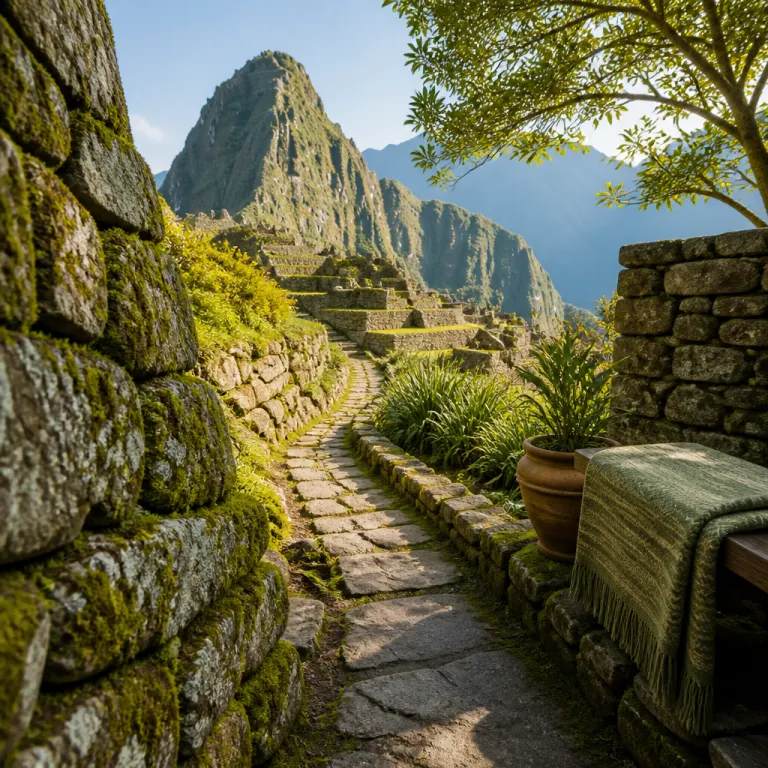
Choosing luxury stays near the Machu Picchu ruins
Planning a refined journey to the Machu Picchu ruins starts with where you sleep. For travelers seeking comfort after exploring the Inca site in Peru, high-end hotels in Aguas Calientes and the Sacred Valley offer privacy, attentive service, and seamless logistics. Many of these properties frame the surrounding peaks of Huayna Picchu and the Urubamba River, so you wake with the same soft morning sun that once illuminated the city of the Incas.
Within this dramatic area of South America, upscale hotels balance proximity to the Machu Picchu ruins with tranquility away from the crowds. Some riverside retreats use natural stone, polished wood, and glass to echo the original Inca buildings, while spa suites provide oxygen enrichment to ease the altitude before you tackle the Inca Trail or the steep paths up Huayna Picchu. When you compare options, prioritize properties that coordinate timed entry tickets to the heritage site, arrange private guides who understand both the Sacred Plaza and the quieter terraces beyond the Central Plaza, and clearly explain how they work with local communities and conservation projects.
Top-tier hotels close to the Machu Picchu site often arrange early shuttle buses, allowing you to reach the Temple of the Sun and the Temple of the Three Windows before the main groups arrive. This timing matters because the first long rays of sun reveal how precisely each stone fits in the dry stone walls, and how the rock outcrops align with the surrounding peaks of Machu Picchu and Huayna Picchu. Ask concierges about curated circuits that include the Sacred Plaza, the Temple of the Condor, and the agricultural terraces, so you can appreciate the Inca ruins in relative calm while still returning to a gourmet dinner and a well-stocked bar.
Understanding the Machu Picchu ruins layout from a premium traveler’s perspective
Staying in a luxury hotel near the Machu Picchu ruins gives you the time and guidance to understand the site’s complex layout. The citadel sits at about 2,430 meters above sea level, and its central area divides into agricultural terraces and an urban sector with temples, plazas, and residential buildings. Knowing this structure in advance helps you work with your hotel’s guide to design a route that matches your pace and interests.
The urban core centers on the Sacred Plaza, where the Temple of the Three Windows, the Main Temple, and other Inca ceremonial buildings frame a grassy Central Plaza. From here, you can see how the Inca architects used dry stone construction, shaping each rock so precisely that no mortar was needed, and aligning the Temple of the Sun with key solar events. Luxury-focused guides often pause here to explain how the city of the Incas functioned as both royal estate and religious site within the wider Inca Empire, long before the Spanish conquest reshaped Peru.
On a tailored tour arranged by your hotel, you might start at the agricultural terraces that cascade down toward the Urubamba River, then move slowly toward the Temple of the Sun and the Temple of the Condor. This sequence reveals how the Inca planners integrated sacred rock formations, residential stone buildings, and open plazas into a coherent spiritual landscape. For deeper context on how heritage and hospitality intersect around Cusco and the Inca ruins, many travelers consult a detailed guide to Cusco’s Inca ruins and luxury stays before finalizing their hotel bookings.
Tailored access routes: trains, the Inca Trail, and premium logistics
Reaching the Machu Picchu ruins in comfort requires careful coordination of trains, transfers, and sometimes the Inca Trail itself. Most luxury travelers base themselves in Cusco or the Sacred Valley, then board panoramic trains operated by PeruRail or Inca Rail that follow the Urubamba River through a dramatic rock-lined gorge toward Aguas Calientes. High-end hotel booking platforms in Peru often bundle these services, ensuring you have reserved seats, luggage handling, and timed entry to the heritage site.
For guests who want a more active approach, curated versions of the Inca Trail offer shorter one-day hikes that still arrive through the Sun Gate with sweeping views of Machu Picchu and Huayna Picchu. In these programs, porters and guides manage the logistics, while your main luggage continues by train to a partner hotel, so you only carry a light daypack along the long stone paths. This balance allows you to experience the Inca engineering of terraces, stairways, and ceremonial sites without sacrificing the comfort of a hot shower and a refined dinner afterward.
Many premium itineraries pair the Machu Picchu ruins with other iconic destinations in South America, such as Lake Titicaca or the coastal capital Lima. If you are planning an elegant escape across several regions of Peru, it is worth consulting a specialist overview of Peru’s most iconic destinations for a refined summer escape. These resources help you sequence high-altitude stays, manage acclimatization days in Cusco, and choose which nights to spend closest to the Machu Picchu site versus in quieter valley retreats.
Inside the citadel: temples, plazas, and symbolic stonework
Once you pass the entrance to the Machu Picchu ruins, the quality of your guide and the timing arranged by your hotel shape everything you see. Many curated visits begin with a sweeping viewpoint that frames the terraces, the Central Plaza, and the twin peaks of Machu Picchu and Huayna Picchu, giving you a sense of the site’s full area. From there, you descend along stone paths toward the Sacred Plaza, where the Temple of the Three Windows and the Main Temple anchor the religious heart of the city of the Incas.
In this zone, the stonework reaches its finest expression, with each rock carved to interlock perfectly, and the Temple of the Sun wrapping around a natural outcrop that may have held astronomical or ritual significance. Nearby, the Temple of the Condor incorporates a sculpted stone head and natural rock wings, creating a powerful symbol that many Inca pilgrims would have recognized instantly. Luxury-focused guides often pause here to explain how the Inca Empire used such temples to reinforce both spiritual beliefs and political authority across Peru.
Farther along, you encounter residential buildings, storage rooms, and long staircases that link the upper and lower terraces, revealing how daily life unfolded within the Machu Picchu site. Some circuits include quieter corners where you can contemplate the Inca ruins in near silence, watching the sun shift across the surrounding peaks and the Urubamba River far below. When planning your visit, ask your hotel concierge to secure a guide who can interpret not only the major temples and plazas but also the subtle alignments of rock, sun, and landscape that make this UNESCO World Heritage site unique.
Heritage, storytelling, and the legacy of Hiram Bingham
Understanding the Machu Picchu ruins also means engaging with the modern story of their rediscovery and conservation. The citadel was built during the expansion of the Inca Empire, likely under the rule of Inca Emperor Pachacuti, and then abandoned around the time of the Spanish conquest, which left the site hidden above the Urubamba River for centuries. Its relative isolation helped preserve the terraces, temples, and stone buildings that visitors admire today.
In the early twentieth century, the explorer Hiram Bingham reached the area with local guidance and brought Machu Picchu to international attention in 1911. His expeditions, while controversial in some aspects because of the removal of artifacts and debates over credit given to local families, played a central role in framing the Machu Picchu site as a symbol of the Inca Empire and a key heritage site in South America.
For luxury travelers, this history matters because it shapes how guides narrate the city of the Incas and how hotels present their own connection to local communities. Many high-end properties support conservation projects that stabilize terraces, protect the Central Plaza from erosion, and manage visitor flows across the wider area. One Cusco-based guide described it simply: “Every guest who walks these paths becomes part of the story, so we try to show them how fragile the stonework and the surrounding cloud forest really are.” When choosing where to stay, look for hotels that reference UNESCO guidelines, collaborate with Peruvian archaeologists, and employ local staff who can share family stories about the region’s long relationship with the Inca ruins.
Gastronomy, wellness, and refined experiences around Machu Picchu
A journey to the Machu Picchu ruins can be physically demanding, so thoughtful hotels in Peru design gastronomic and wellness programs that support your exploration. Many properties in Cusco and the Sacred Valley offer Andean-inspired tasting menus that highlight local corn, potatoes, and river fish, paired with South American wines and pisco-based cocktails. After walking long stone stairways between terraces and plazas, returning to a dining room with panoramic views of the surrounding rock peaks feels especially rewarding.
Some luxury hotels near the Machu Picchu site integrate spa rituals that draw on traditional ingredients such as coca leaves, quinoa, and native herbs, helping guests acclimate to altitude and recover from the Inca Trail or steep climbs toward Huayna Picchu. Others focus on wellness through slow mornings, where you can watch the sun rise over the valley before heading to the heritage site during a quieter entry slot. For travelers who want to pair fine dining with cultural immersion, a detailed feature on how Cusco’s hotel kitchens bring Andean dining to the forefront can help you choose properties that treat cuisine as seriously as comfort.
Beyond food and spa treatments, premium experiences might include private yoga sessions facing the mountains of Machu Picchu and Huayna Picchu, or stargazing evenings that highlight how the Inca worldview linked constellations with the layout of the city of the Incas. Some hotels arrange expert-led talks on the Temple of the Sun, the Temple of the Condor, and the Sacred Plaza, deepening your understanding before you walk through the actual ruins. By aligning your hotel choice with the way you want to feel before and after visiting this UNESCO World Heritage site, you transform a simple overnight stay into an integral part of your Machu Picchu journey.
Key figures and practical statistics for visiting the Machu Picchu ruins
- The Machu Picchu site stands at about 2,430 meters above sea level, so most travelers should plan at least one or two nights in Cusco or the Sacred Valley to acclimate before walking long stone stairways and terraces (altitude data referenced by History.com and UNESCO).
- The wider protected area around the Machu Picchu ruins covers roughly 32,592 hectares, which helps preserve not only the Central Plaza and temples but also surrounding forests, wildlife corridors, and sections of the Inca Trail (area figure referenced by official Peruvian and UNESCO World Heritage documentation).
- Visitor numbers have increased significantly over recent decades, prompting Peru’s authorities to introduce timed entry slots and defined circuits through the Inca ruins, with daily capacity now generally capped at around 4,000 to 4,500 people according to official announcements, measures that luxury hotels can help guests navigate when booking premium guided visits.
- The site’s dry stone construction, achieved with stone hammers and copper or bronze tools that shaped granite blocks with remarkable precision, remains a benchmark of Inca engineering, and its resilience underlines why UNESCO World Heritage status emphasizes both conservation and controlled tourism.
- Because the Machu Picchu ruins sit above the Urubamba River in a region prone to heavy rainfall, conservation projects focus on stabilizing terraces and drainage systems, efforts that many high-end hotels support through partnerships with local organizations.
FAQ about luxury travel to the Machu Picchu ruins
What is Machu Picchu and why is it important ?
Machu Picchu is a fifteenth-century Inca citadel in Peru, built as a royal estate and religious site during the expansion of the Inca Empire. Its terraces, temples, and plazas showcase advanced Inca engineering and spiritual planning. Today it is a UNESCO World Heritage site and one of South America’s most significant archaeological destinations.
Who rediscovered Machu Picchu for the modern world ?
The citadel was brought to international attention by the explorer Hiram Bingham, who reached the area with local guidance in the early twentieth century. His work, often discussed alongside the role of Inca Emperor Pachacuti as founder, helped frame the Machu Picchu ruins as a symbol of the city of the Incas. Ongoing research by Peruvian archaeologists continues to refine our understanding of the site’s purpose and history.
How should luxury travelers prepare for the altitude at Machu Picchu ?
Because the Machu Picchu site sits at about 2,430 meters, many travelers spend at least one or two nights in Cusco or the Sacred Valley before visiting. High-end hotels often provide oxygen-enriched rooms, herbal teas, and gentle acclimatization activities to ease the transition. Walking slowly, staying hydrated, and avoiding heavy meals on arrival day also help.
Is it better to stay in Aguas Calientes or the Sacred Valley ?
Staying in Aguas Calientes places you closest to the Machu Picchu ruins, allowing early morning bus rides to the entrance and more flexible timing. However, many luxury travelers prefer the quieter Sacred Valley, where spacious properties offer extensive gardens, spa facilities, and easier access to other Inca ruins. A common strategy is to combine valley nights with one night closer to the site for sunrise or sunset visits.
Can luxury travelers hike the Inca Trail and still enjoy premium comfort ?
Yes, many operators and hotels coordinate shorter Inca Trail itineraries that include high-quality camping equipment, attentive guides, and porters who handle most of the load. Some programs pair the hike with pre- and post-trail stays in luxury properties in Cusco or the Sacred Valley. This approach lets you experience the historic stone paths leading toward Machu Picchu while still enjoying refined comfort before and after the trek.
References
- History.com – Machu Picchu overview and altitude data.
- Machu-Picchu.info – General information and protected area figures.
- UNESCO World Heritage Centre – Official listing and conservation context for Machu Picchu.