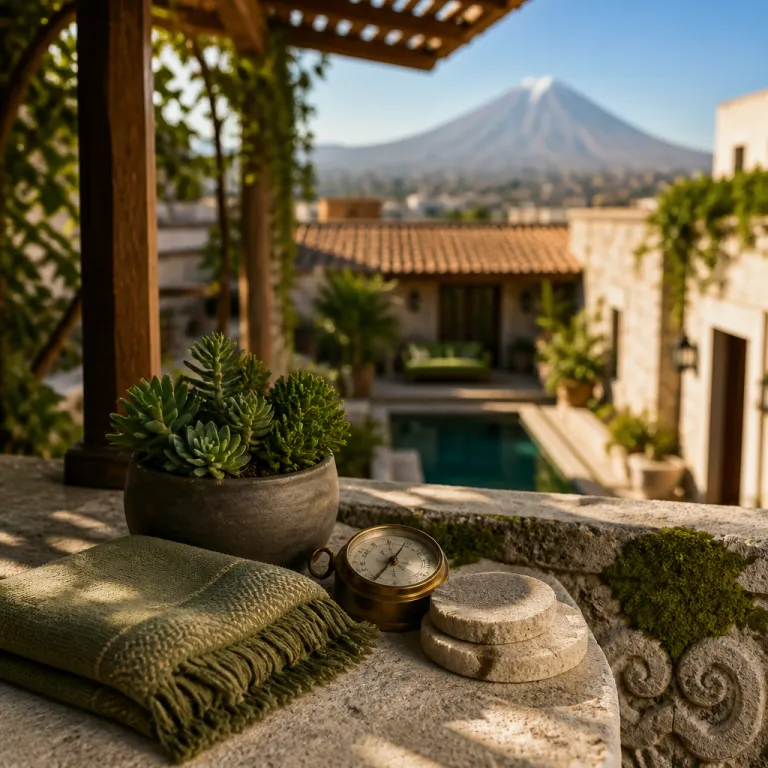
Arequipa Peru altitude and the art of arriving in style
Arequipa Peru altitude shapes every refined stay in this luminous White City. The city of Arequipa sits at an elevation of about 2,335 meters (7,661 feet) above sea level, according to Peru’s National Geographic Institute (Instituto Geográfico Nacional, IGN), which gives travelers a gentler first step into high altitude than Cusco or Lake Titicaca. For guests planning to visit several Andean destinations in Peru, Arequipa offers both elegance and a smart acclimatization strategy.
The historic center of Arequipa, Peru, unfolds beneath volcanic peaks that rise dramatically above the city. From a luxury suite overlooking Plaza de Armas, you will feel the elevation in the crisp air, yet most travelers experience only mild symptoms when they rest and hydrate. Because the city Arequipa is lower than Cusco, many high end travel planners recommend spending one or two days here before continuing to higher elevation regions.
Is Arequipa higher than Cusco? No, Cusco is higher at about 3,399 meters (11,152 feet), based on IGN altitude data. This difference in altitude means that Arequipa altitude usually causes fewer altitude sickness symptoms than the more extreme high altitude of Cusco or Puno. For discerning travelers who value comfort, this makes Arequipa Peru an ideal first Andean city before exploring Machu Picchu, the Sacred Valley, or the Inca Trail.
Luxury hotels in Peru Arequipa understand how thinner air affects the body and design services accordingly. On arrival day, attentive concierges at properties such as CIRQA – Relais & Châteaux or Casa Andina Premium Arequipa often suggest a light schedule so that travelers can rest in their room, enjoy oxygen enriched lounges, or sip coca leaf infusions. For example, CIRQA highlights oxygen support and slow travel rituals in its guest services, while Casa Andina Premium lists in room oxygen and coca tea among its amenities for guests arriving from sea level. When you book a premium property in the White City, ask how the team manages altitude sickness and what amenities they provide for guests sensitive to elevation.
How long to acclimate in Arequipa? Usually one to two days. During those days, you can explore the Santa Catalina Monastery at a relaxed pace, pause in shaded courtyards, and return easily to your hotel for spa treatments or a leisurely lunch. As one recent guest described it, “We spent our first afternoon just wandering the cloisters and then napping by the courtyard pool, and by the next morning the altitude felt surprisingly gentle.” This rhythm respects both the Arequipa Peru altitude and your desire for a polished, unhurried travel experience.
Balancing Arequipa, Cusco, and Machu Picchu in a luxury itinerary
Designing a high end journey through Peru means balancing altitude, time, and comfort. Arequipa Peru altitude is moderate compared with the high plateau around Cusco, Puno, and Lake Titicaca, so many travelers start in Lima at sea level, then continue to the White City before moving on. This sequence reduces the risk of altitude sickness while allowing you to enjoy some of the country’s most elegant hotels.
From Arequipa, Peru, many guests fly to Cusco to reach the Sacred Valley and Machu Picchu. Because Cusco sits significantly higher than the city Arequipa, some travelers feel symptoms such as light headache, shortness of breath, or fatigue on the first day. To soften this transition, consider spending your first nights in the Sacred Valley, which lies lower than Cusco yet still offers swift access to Machu Picchu and the Inca Trail.
Luxury properties in Cusco and the Sacred Valley are well versed in caring for guests arriving from Arequipa altitude. Many provide oxygen in suites, gentle arrival day spa rituals, and menus designed for easier digestion at high altitude. When comparing refined hotels in Cusco, this elegant guide to the best hotels in Cusco helps you align your preferences with the realities of elevation and travel time.
Travelers often ask whether they should visit Machu Picchu before or after Arequipa and Colca Canyon. If you begin at sea level in Lima, then spend a couple of days in Arequipa Peru, your body will already be adapting to altitude by the time you reach Cusco and Machu Picchu. This approach reduces the likelihood of strong altitude sickness symptoms and allows you to enjoy both city stays and remote landscapes in greater comfort.
When planning transfers between Arequipa Cusco or Cusco Puno, consider both flight schedules and how many days you will spend at each elevation. A private travel designer or luxury hotel concierge can help you sequence Lima, Arequipa, the Sacred Valley, Machu Picchu, and Lake Titicaca in a way that respects your pace. The result is a journey where altitude supports, rather than disrupts, your appreciation of Peru’s most iconic destinations.
Colca Canyon, hot springs, and the high altitude wellness circuit
Colca Canyon extends the experience of Arequipa Peru altitude into wilder Andean scenery. The road from the city Arequipa to Colca Canyon crosses passes that rise well above the elevation of Arequipa, with viewpoints such as Patapampa reaching around 4,900 meters (16,076 feet), so thoughtful planning is essential for travelers sensitive to high altitude. Many luxury itineraries include at least two days in Arequipa before continuing toward Colca to allow gradual acclimatization.
High end lodges in the Arequipa Colca region often sit at higher altitude than the White City itself. Because of this, guests may notice stronger altitude sickness symptoms on the first day in Colca Canyon, such as shortness of breath when walking uphill or mild insomnia. Choosing a property with on site wellness facilities, oxygen support, and attentive staff will significantly improve your comfort at these elevations.
Thermal baths play a central role in many refined travel programs linking Arequipa, Colca Canyon, and the Sacred Valley. For inspiration, consult this curated Peru hot springs circuit from Colca Canyon to the Sacred Valley, which highlights how soaking rituals can complement acclimatization at high altitude. Alternating gentle hikes along the canyon rim with restorative spa sessions allows travelers to enjoy the dramatic elevation without overexertion.
When you leave Arequipa Peru for Colca Canyon, plan your day so that you arrive at your lodge by mid afternoon. This timing gives you daylight views of the landscape, time to rest before dinner, and a quiet evening to monitor any altitude sickness symptoms. Many luxury properties in Peru Arequipa and Colca now coordinate with local guides to pace activities carefully, ensuring that travelers can appreciate condor viewpoints and canyon trails without strain.
Because Colca Canyon sits higher than Arequipa altitude, some guests choose to return to the White City for a final night before flying onward. This step down in elevation can ease the transition before you continue to Lima, Cusco, or Lake Titicaca. When you book, ask your hotel concierge to structure transfers and excursions so that each day respects both your wellness and your desire for immersive Andean scenery.
Choosing the right moment to visit Peru’s high altitude cities
Timing your trip can be as important as choosing the right suite when dealing with Arequipa Peru altitude. Seasonal weather patterns influence how comfortable you will feel in the White City, Colca Canyon, Cusco, and Lake Titicaca. Clear skies, moderate temperatures, and stable conditions make it easier to manage altitude sickness symptoms while enjoying outdoor terraces and rooftop bars.
Before confirming flights, consult a specialist resource such as this guide on when to visit Peru for luxury stays. Aligning your travel dates with the most pleasant months for Arequipa, Peru, and the broader Andean region will enhance both comfort and style. During shoulder seasons, high end hotels in the historic center of Arequipa and in Cusco often offer more flexible booking conditions and quieter public spaces.
Weather also affects how you experience key sites such as Plaza de Armas, Santa Catalina Monastery, and the viewpoints above Colca Canyon. On bright days, the white volcanic stone of the city Arequipa reflects intense sunlight, which can amplify the sensation of high altitude. Packing high quality sun protection, a wide brimmed hat, and layered clothing will help you enjoy long days of travel without fatigue.
When planning how many days to spend at each elevation, consider both your previous experience at high altitude and your broader Peru itinerary. Some travelers feel comfortable with just one day in Arequipa Peru before continuing to Cusco, while others prefer two or three nights to fully adjust. Luxury concierges can review your medical history, travel style, and preferences to suggest the ideal number of days in each city.
Altitude interacts with climate, so cooler evenings in Arequipa, Cusco, and Puno may intensify the sensation of thin air. Choosing hotels with in room heating, high quality bedding, and wellness facilities will help your body rest deeply between active days. By aligning season, Arequipa Peru altitude, and your personal rhythm, you create a journey that feels both indulgent and physically sustainable.
Inside Arequipa’s historic center: where altitude meets urban elegance
The historic center of Arequipa, Peru, is a UNESCO listed district where altitude, architecture, and hospitality intersect. Around Plaza de Armas, colonnaded arcades shelter refined cafés, while luxury hotels occupy restored mansions built from pale volcanic stone. At this Arequipa Peru altitude, evenings feel pleasantly cool, inviting travelers to linger on terraces with views of the surrounding volcanoes.
Within walking distance of most high end properties, Santa Catalina Monastery offers a serene introduction to the city Arequipa. Its cloisters and vividly painted walls create a calm environment where travelers can move slowly, which suits those still adjusting to Arequipa altitude. Because the site is compact and mostly level, you can visit for an hour or two, then return easily to your hotel for rest.
Many luxury hotels in Peru Arequipa design their services around the realities of high altitude urban life. Rooftop lounges provide oxygen rich breezes and panoramic views, while spas offer gentle massages that support circulation at this elevation. On your first day, concierges often recommend a relaxed walking route through the historic center, allowing you to feel the White City’s atmosphere without overexertion.
Gastronomy also plays a role in how you experience Arequipa Peru altitude. Fine dining restaurants near Plaza de Armas reinterpret traditional dishes in lighter formats, which can be easier to digest at high altitude. Pairing these meals with non alcoholic infusions on the first day helps reduce the risk of altitude sickness symptoms while still celebrating regional flavors.
Because the city Arequipa is a key hub between Lima, Colca Canyon, Cusco, and Lake Titicaca, many travelers pass through more than once during a longer journey. Each return offers a chance to enjoy another facet of the historic center, from contemporary galleries to quiet courtyards hidden behind heavy wooden doors. Choosing a hotel that understands both the elegance and the physiological realities of Arequipa Peru altitude ensures that every stay feels restorative.
Managing altitude sickness with luxury level care
Altitude sickness is a physiological response to reduced oxygen at high elevation, and it can affect even experienced travelers. At Arequipa Peru altitude, most guests experience only mild symptoms, yet luxury hotels still take the issue seriously. Their goal is to ensure that your travel memories focus on architecture, cuisine, and landscapes rather than discomfort.
Common altitude sickness symptoms include headache, slight nausea, shortness of breath, and disturbed sleep, especially during the first day at a new elevation. In Arequipa, Peru, these symptoms are usually milder than in Cusco, Puno, or Lake Titicaca because the city sits lower. Hotel teams encourage guests to rest upon arrival, stay hydrated, and avoid alcohol initially to support acclimatization.
How long to acclimate in Arequipa? Usually one to two days. This guideline, shared by local experts and consistent with World Health Organization advice to ascend gradually and rest after each 500 to 700 meter increase in sleeping altitude, reflects the city’s moderate elevation and its role as a stepping stone toward higher regions. During these days, travelers can enjoy gentle sightseeing in the historic center, then return to their hotel for spa treatments, oxygen therapy, or quiet time in landscaped courtyards.
Luxury properties in Peru Arequipa often coordinate with private medical services for guests who feel unwell at high altitude. While serious complications are rare at Arequipa altitude, having rapid access to professional care provides peace of mind, especially for multi generational travel. When booking, ask whether your chosen hotel offers in room oxygen, trained staff, and clear protocols for managing altitude sickness.
Because your journey may also include higher destinations such as Cusco, Machu Picchu, the Sacred Valley, and Lake Titicaca, it is wise to think of altitude management as a continuous thread. Starting at sea level in Lima, then moving to Arequipa Peru, Colca Canyon, and finally to the highest cities allows your body to adapt gradually. With attentive planning and the support of experienced hotel teams, altitude becomes a manageable backdrop to a sophisticated exploration of southern Peru.
Designing a seamless high altitude route across southern Peru
Arequipa Peru altitude sits at the heart of many elegant southern Peru itineraries. A classic route begins at sea level in Lima, continues to the White City, then extends to Colca Canyon, Cusco, the Sacred Valley, Machu Picchu, and Lake Titicaca. Each step introduces a new elevation, so the order in which you visit these places matters for both comfort and enjoyment.
From Arequipa, Peru, you can travel by road to Colca Canyon or fly directly to Cusco, depending on how many days you have. The Arequipa Colca journey crosses some of the highest passes on this circuit, so travelers sensitive to high altitude may prefer a private vehicle with flexible stops. After time in Colca Canyon, many continue toward Puno and Lake Titicaca, then connect to Cusco Puno routes by train or road.
Another refined option is to fly from the city Arequipa to Cusco, then descend immediately to the Sacred Valley for the first nights at higher altitude. From there, day trips to Machu Picchu and the Inca Trail region become straightforward, while evenings at lower elevation support better sleep. Later, you can return to Cusco for a shorter stay, drawing on guidance from luxury hotel teams who understand how altitude affects each guest differently.
Throughout this circuit, the relationship between meters, feet, and how your body feels becomes very tangible. Arequipa altitude at around 2,335 meters offers a gentle introduction, while Cusco and Puno rise significantly higher, and Lake Titicaca sits among the highest navigable lakes in the world at roughly 3,812 meters (12,507 feet), according to IGN and regional tourism boards. By tracking both the numerical elevation and your own symptoms, you and your travel planner can adjust day by day.
Ultimately, a well designed route through Lima, Arequipa Peru, Colca Canyon, Cusco, the Sacred Valley, Machu Picchu, and Lake Titicaca transforms altitude from a concern into a subtle luxury. You move gradually from one city to the next, supported by attentive hotel staff, private guides, and carefully timed transfers. With this approach, the Arequipa Peru altitude becomes the elegant starting point for a sophisticated exploration of southern Peru’s most celebrated landscapes.
Key altitude and travel statistics for Arequipa and southern Peru
- Arequipa altitude is approximately 2,335 meters (7,661 feet) above sea level, which makes it significantly lower than Cusco at about 3,399 meters (11,152 feet) and therefore a gentler first high altitude stop for many travelers (data referenced from The Only Peru Guide and Peru’s National Geographic Institute, IGN).
- Local guidance suggests that most visitors need one to two days in Arequipa Peru to acclimate comfortably before moving on to higher destinations such as Colca Canyon, Cusco, or Lake Titicaca, which helps reduce the risk of altitude sickness.
- Southern Peru’s classic high altitude circuit often spans elevations from sea level in Lima up to more than 3,800 meters around Lake Titicaca, so sequencing cities carefully can reduce physiological stress during multi day luxury itineraries.
- Increased tourism to Arequipa and Colca Canyon in recent years has encouraged many premium hotels to add oxygen enriched lounges, in room oxygen, and wellness programs specifically designed for guests arriving from lower elevations, as highlighted in marketing materials from leading Relais & Châteaux and Peruvian hotel collections.
Frequently asked questions about Arequipa Peru altitude
Is Arequipa considered high altitude and will I feel it when I arrive ?
Arequipa is considered a high altitude city because it sits at about 2,335 meters above sea level. Many travelers notice slightly faster breathing or mild fatigue on the first day, especially after a flight from Lima. Resting, hydrating, and keeping activities light usually make the transition to Arequipa Peru altitude quite manageable.
Is Arequipa higher than Cusco or Lake Titicaca ?
Arequipa is lower than both Cusco and Lake Titicaca in terms of elevation. Cusco stands at around 3,399 meters, while Lake Titicaca and Puno are higher still, so altitude sickness is more common there. Starting your journey in Arequipa Peru before moving on to these destinations can help your body adapt gradually.
How long should I stay in Arequipa to acclimate before visiting Colca Canyon or Cusco ?
Most travelers benefit from spending one to two days in Arequipa before continuing to Colca Canyon, Cusco, or Puno. This period allows your body to adjust to Arequipa altitude and reduces the likelihood of strong altitude sickness symptoms at higher elevations. Luxury hotels in the city Arequipa often design gentle first day programs to support this acclimatization.
What are the best ways to prevent altitude sickness in Arequipa and beyond ?
Effective strategies include resting upon arrival, drinking plenty of water, avoiding alcohol initially, and eating light meals, especially on the first day at a new elevation. Many high end hotels in Peru Arequipa, Cusco, and Colca Canyon offer oxygen, herbal infusions, and wellness treatments to support guests. Consulting your doctor before travel is wise if you have heart, lung, or circulation conditions.
Can I go directly from Lima to Machu Picchu or should I include Arequipa in my itinerary ?
It is possible to travel directly from Lima at sea level to Cusco and then to Machu Picchu, but some travelers find the sudden jump in altitude challenging. Including Arequipa Peru and perhaps Colca Canyon in your route creates a more gradual ascent, which many guests find more comfortable. This approach also allows you to enjoy the White City’s historic center and refined hotels as part of a broader high altitude journey.