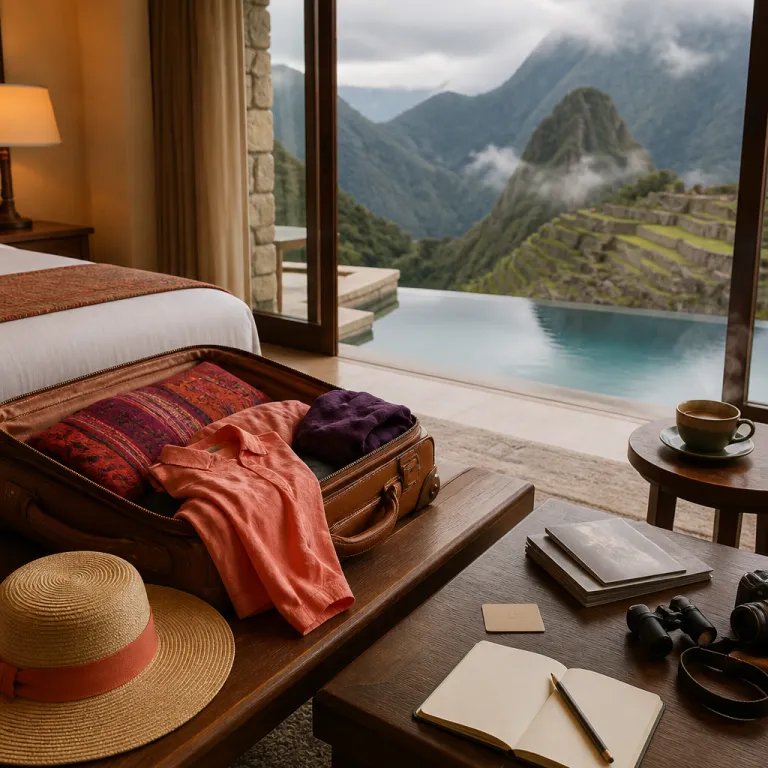
Understanding summer in Peru for luxury travelers
Summer in Peru runs from December to March, and it reshapes every major destination. Across this season in Peru, the coast, Andes, and Amazon respond very differently, which matters when you plan a premium stay. For travelers booking high end hotels, understanding how the Peruvian summer works across regions is the best way to secure comfort, views, and seamless logistics.
On the Pacific coast around Lima, summer in Peru brings warm temperatures, bright skies, and long sunny days that favour rooftop pools and ocean facing suites. The Peruvian Meteorological Service (SENAMHI) reports average coastal temperatures close to 28 °C in January and February, with rainfall often below 5 mm per month in central coastal stations, which makes this time ideal for luxury properties along the coast that offer shaded terraces and chilled infinity pools. In contrast, the Andes enter their rainy season during these months, so the best time to visit Machu Picchu in true comfort may not always align with the peak of Peru’s summer.
SENAMHI climate summaries highlight how varied the country can feel in a single trip: Lima’s summer is typically warm and sunny, the Andes see frequent showers from December to March, and the Amazon remains hot and humid with average temperatures around 30 °C. This diversity means that the best time to visit Peru depends on which region and which luxury hotel experience you prioritise. When you plan a trip across Peru, you must match each region’s seasonal pattern with your expectations for comfort, scenery, and activities.
Lima and the Pacific coast in the Peruvian summer
Lima is the natural gateway for most travelers, and during summer in Peru it becomes a sophisticated coastal city with clear skies. High end hotels in Lima’s Miraflores and Barranco districts use this season to showcase terraces, ocean view suites, and refined Peruvian cuisine that celebrates the sea. Properties such as Belmond Miraflores Park and Hotel B in Barranco are known for rooftop pools, art filled interiors, and tasting menus that highlight seasonal seafood. For guests who value gastronomy and design, this is often the best time to visit Peru’s capital and enjoy the coast in style.
From December to March, the weather in Lima is reliably warm, with daytime temperatures close to 28 °C, humidity around 70 %, and very few rainy days, according to SENAMHI’s coastal climatological normals. Daylight stretches to roughly 13 hours, which is perfect for travelers who want to split their time between art galleries, fine dining, and relaxed afternoons by rooftop pools, all while enjoying long sunny days over the Pacific. Because this is peak season on the coast, Peru’s best luxury hotels often require advance booking of at least two to three months, and Belmond Miraflores Park typically sells out its ocean view suites over New Year’s Eve and late February carnival dates several months in advance.
Beyond Lima, the wider coast of Peru offers elegant resorts that combine beach access with curated excursions to nearby vineyards and archaeological sites. If you are comparing elegant resorts in Peru for immersive luxury stays, focus on properties that provide shaded cabanas, private beach clubs, and late checkout options to match the slower rhythm of hot summer afternoons. For many travelers, this coastal stretch is the ideal place and time to start a trip that later continues inland to the Andes or the Amazon rainforest.
Summer in the Andes: Cusco, Sacred Valley, and Machu Picchu
While the coast enjoys dry skies, the Andean highlands enter their rainy season between December and March. This rainy season affects Cusco, the Sacred Valley, and the Inca citadel of Machu Picchu, and it directly shapes how luxury hotels operate and how travelers experience these sites. Average Andean temperatures hover around 20 °C in the daytime, but showers can be intense, especially in the afternoon, with monthly rainfall often exceeding 120 mm in January and February in stations such as Cusco and Urubamba, according to SENAMHI.
For guests planning to visit Machu Picchu during summer in Peru, the key is to balance fewer crowds with the possibility of cloud cover and rain. Many premium hotels in the Sacred Valley and near the Inca Trail adjust their services in this wetter season, offering flexible excursion times, private guides who monitor weather windows, and spa programs tailored to cooler, damp evenings. When you choose where to stay, ask how the property manages access to Machu Picchu and the Inca Trail during the rainy months, and whether they coordinate with local experts for real time updates on rail schedules and trail conditions.
Travelers who prefer clearer skies often consider the period from June to September as the best time to visit Peru for the Andes, since this is the dry season with more stable weather and monthly rainfall frequently below 30 mm in many highland valleys. However, the Peruvian summer can still be rewarding for those who value lush green landscapes around the Sacred Valley and quieter trails near Machu Picchu. Eco focused lodges and high end hotels increasingly use digital platforms for real time updates, and specialised guides to eco-lodges in Peru can help you understand how the eco-lodge label applies differently at altitude, in the Amazon, and on the coast.
Lake Titicaca, Nazca Lines, and the southern highlands
Beyond Cusco and Machu Picchu, summer in Peru opens up a series of highland and desert destinations that reward careful planning. Lake Titicaca, straddling the border with Bolivia, sits at over 3 800 metres and combines intense sun with cool air, especially during the rainy season. Luxury hotels on the lakefront, such as Titilaka, often provide oxygen enriched rooms, heated floors, and private boat excursions timed to maximise sunny days between showers.
For travelers who want to visit Peru and include both Lake Titicaca and the Nazca Lines in one itinerary, the timing question becomes more complex. The Nazca desert, closer to the coast, tends to be drier even between December and March, with low rainfall and good visibility on many mornings, which makes scenic flights over the Nazca Lines more reliable than highland hikes on some days. When you plan a trip that includes these regions, consider starting with the coast and Nazca, then moving gradually to higher altitudes like Lake Titicaca to allow for acclimatisation over two or three days.
Premium properties around Lake Titicaca and in the southern highlands often design their experiences around the Inca and pre Inca heritage of the region. Many guests pair these stays with curated itineraries that use Inca heritage as an itinerary backbone, especially when combining Cusco, the Sacred Valley, and Lake Titicaca in a single journey. During the Peruvian summer, the best time to schedule lake excursions is usually in the morning, when the weather is calmer, winds are lighter, and temperatures feel more comfortable despite the altitude.
Amazon rainforest lodges and summer in Peru
The Amazon rainforest in Peru offers a very different expression of summer, with hot, humid conditions that remain fairly constant year round. SENAMHI data show average Amazon temperatures around 30 °C in lowland stations such as Iquitos and Puerto Maldonado, and during the months from December to March the forest can feel especially lush, with monthly rainfall often above 200 mm in some areas. For travelers seeking premium jungle lodges, this seasonal pattern means planning for comfort through air conditioned suites, screened terraces, and well designed river transport.
In the Amazon, the rainy season overlaps with summer in Peru, raising river levels and changing how you access remote lodges. Many high end properties use this time to offer canoe based wildlife excursions, as higher waters bring boats closer to the canopy where birds and monkeys are active. When you evaluate options for a trip that includes the Amazon rainforest, ask each lodge about their best time for wildlife viewing, their safety protocols in high water, and how they manage transfers during heavy rain or temporary river closures.
Eco conscious travelers often choose properties that hold credible sustainability certifications and that work closely with local communities in the Amazon. Guides to eco-lodges in Peru explain how these certifications are applied in different ecosystems, helping you align your stay with your values. During Peru’s summer, the best luxury lodges combine refined comfort with thoughtful design, such as elevated walkways, natural ventilation, and private plunge pools that make hot afternoons more pleasant.
Choosing the best time to visit Peru’s top destinations
Because Peru spans coast, Andes, and Amazon, there is no single best time that suits every traveler and every region. The period from December to March is technically summer in Peru, but it is also the rainy season in the Andes and the Amazon, while the coast enjoys its driest, sunniest months. From June to September, the pattern reverses, with the dry season favouring highland trekking and visits to Machu Picchu, while the coast cools and becomes more overcast.
When you plan to visit Peru for a luxury focused itinerary, start by deciding which experiences matter most. If your priority is the Inca Trail, Machu Picchu, and long days in the Sacred Valley, then the dry season from June to September is often the best time, even if it is not technically the Peruvian summer. If you prefer Lima’s gastronomy, coastal resorts, and desert excursions to the Nazca Lines, then the months from December to March may be the most appealing window for your trip.
Some travelers design a year round approach, returning at different months to experience each region in its ideal season. Others build a single itinerary that balances trade offs, such as combining a few rainy days in Cusco with perfect beach weather on the coast. In every case, the timing decision should consider temperatures, rainfall, and how each seasonal pattern affects access to key sites like Machu Picchu, Lake Titicaca, and the Amazon rainforest.
How to book luxury and premium hotels for summer in Peru
Securing the right hotel for summer in Peru requires more than checking availability and star ratings. Luxury travelers should look at how each property responds to the specific weather and seasonal conditions in its region, especially between December and March. On the coast, that means shaded outdoor spaces, late breakfast times, and flexible check in to match long sunny days, while in the Andes it means heated rooms, dehumidifiers, and strong contingency plans for rainy season disruptions.
For Machu Picchu and the Sacred Valley, ask hotels how they coordinate with local tourism boards and the Peruvian Ministry of Tourism during the rainy season. Properties that maintain close contact with guides on the Inca Trail and with transport providers can adjust departure times to catch the best weather windows. When you book, request clear information about how they handle schedule changes, what support they offer if the Inca Trail closes, and whether they can arrange alternative visits to nearby Inca sites.
In the Amazon rainforest and at Lake Titicaca, focus on safety, comfort, and access during Peru’s summer. High end lodges should provide detailed briefings on river levels, boat safety, and how they adapt excursions when temperatures rise or storms move in. By aligning your booking choices with the realities of each time of year and each region, you transform a simple hotel reservation into a coherent, resilient itinerary that makes the most of summer in Peru across all its landscapes.
Key figures for planning summer in Peru
- Average coastal temperatures around 28 °C in Lima during summer support long days by the ocean, according to the Peruvian Meteorological Service (SENAMHI), with rainfall often below 5 mm per month.
- Typical Andean temperatures near 20 °C mean that rain, rather than cold, is the main challenge for Machu Picchu and Sacred Valley visits in the rainy season, when monthly totals can exceed 120 mm.
- Average Amazon temperatures close to 30 °C, combined with high humidity and rainfall above 200 mm in peak months, make air conditioning and smart lodge design crucial for comfort in the rainforest.
- The summer period from December to March marks peak coastal tourism, while the dry season from June to September is the preferred window for highland trekking and the Inca Trail.
- Peru’s diverse geography allows meaningful travel year round, but aligning each region with its best time significantly improves the overall experience for luxury travelers.
FAQ about summer in Peru for luxury hotel stays
What is the weather like in Lima during summer in Peru ?
Lima experiences warm, sunny weather in summer, with average daytime temperatures around 28 °C, humidity near 70 %, and very little rain. This makes the coast ideal for rooftop pools, ocean view suites, and late evening dining outdoors. Luxury hotels in Miraflores and Barranco often design seasonal menus and terrace experiences around these stable conditions.
Is it rainy in the Andes during the Peruvian summer months ?
Yes, the Andean region, including Cusco, the Sacred Valley, and Machu Picchu, enters its rainy season between December and March. Showers are common, especially in the afternoon, and can affect trekking conditions on the Inca Trail. High end hotels respond with flexible excursion schedules, private guides, and wellness facilities that make indoor time more enjoyable.
Are Amazon temperatures high during summer in Peru ?
The Amazon rainforest in Peru remains hot and humid throughout the year, with average temperatures close to 30 °C during summer. Rainfall can increase between December and March, raising river levels and changing how you access lodges. Premium properties typically offer air conditioned suites, screened terraces, and carefully timed boat excursions to maintain comfort.
When is the best time to visit Machu Picchu for a luxury stay ?
The dry season from June to September is often considered the best time to visit Machu Picchu, especially for travelers who prioritise clear views and stable weather. However, visiting during summer in Peru can mean fewer crowds and greener landscapes, if you are comfortable with rain. In both periods, choosing a high quality hotel in the Sacred Valley with strong logistics support is essential.
Can I plan a single luxury trip that covers coast, Andes, and Amazon ?
Yes, many travelers design a trip Peru itinerary that includes Lima, the Sacred Valley, Machu Picchu, Lake Titicaca, and the Amazon rainforest in one journey. The key is to understand how each time and season affects these regions and to sequence them carefully, often starting at lower altitudes on the coast. Working with hotels and agencies that monitor weather and transport in real time helps maintain comfort and reliability across all segments.
References : Peruvian Meteorological Service (SENAMHI) climatological normals ; Peruvian Ministry of Tourism (MINCETUR) seasonal guidance ; local tourism boards and hospitality partners.