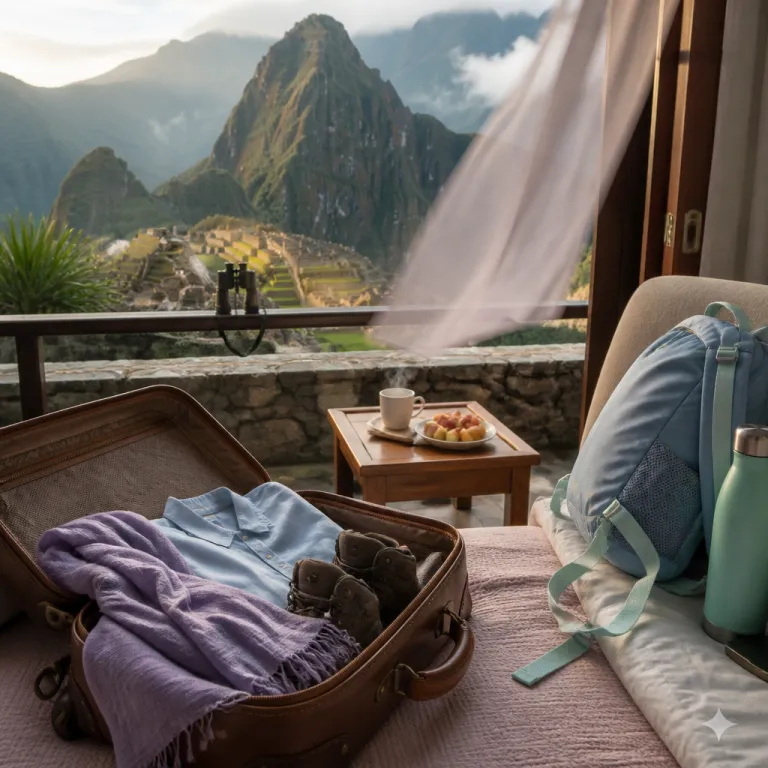
Luxury perspectives on the most iconic ruins in Peru
The most celebrated ruins in Peru sit in dramatic mountain and desert landscapes. Around these ancient sites, a new generation of luxury and premium hotels in Peru offers refined comfort without eclipsing the Inca heritage. For travelers, this balance between archaeological site access and elevated service defines the best places to stay.
Machu Picchu remains the most renowned archaeological site in South America, and its fame shapes the entire luxury travel scene. Official figures from the Peruvian Ministry of Culture indicate that Machu Picchu received around 1,500,000 visitors in 2019, which explains why premium properties near the Inca Trail and the Sacred Valley focus on curated access and crowd management. Many travelers now pair a day at Machu Picchu with slower stays near other ancient ruins to deepen their understanding of Peru’s pre-Columbian cultures.
High-end hotels around Cusco, the Sacred Valley, and the gateway towns to Machu Picchu offer private transfers timed to the first and last entry slots. This allows guests to enjoy quieter views of the terraces and surrounding peaks, including Huayna Picchu and the lesser-known Picchu ridges. As one long-time Andean guide notes, “the magic hour is when the last buses leave and the stonework glows in the late light.” In these settings, the ruins in Peru become part of a wider narrative that includes wellness, gastronomy, and discreet cultural interpretation.
Staying in Cusco for Inca ruins, culture, and altitude comfort
Cusco was once the capital of the Inca Empire, and today it is the most strategic luxury base for exploring nearby Inca ruins. Many premium hotels occupy restored mansions in the historic city while integrating modern oxygen-enriched rooms to ease altitude. This combination of heritage architecture and contemporary comfort makes Cusco’s Inca history feel both immediate and accessible.
From a high-end property in Cusco, guests can reach several archaeological sites in a single day with private guides. The city sits close to the Sacred Valley, Sacsayhuamán, Qenqo, and other ancient ruins that are included on the regional Boleto Turístico del Cusco, a multi-site tourist ticket that typically remains valid for several days. For travelers who value spectacular panoramas, it is worth consulting a dedicated guide to the most impressive hotel views in Peru, such as the one on where to stay for the most spectacular views.
Concierge teams in Cusco routinely arrange private tours that link several Inca ruins in one seamless itinerary. A typical route might start with an early visit to an elevated archaeological site above the city, continue through the valley for lunch, and end with sunset over terraced hillsides. One couple might begin at Sacsayhuamán, pause for a tasting menu in San Blas, and finish with a quiet walk through Qenqo. In this way, guests experience both the living city and the surrounding Andean landscapes without sacrificing rest or refined dining.
Luxury bases in the Sacred Valley for serene access to ancient sites
The Sacred Valley offers a softer climate and lower altitude than Cusco, which makes it ideal for longer luxury stays. Many premium lodges here sit amid agricultural terraces and rivers, framing views that echo the ancient Inca relationship with the land. For travelers focused on ruins in Peru itineraries, this valley location reduces transfer times to key archaeological sites.
From a high-end retreat in the Sacred Valley, guests can reach Machu Picchu, Ollantaytambo, Pisac, and other Inca ruins with tailored transport. Private drivers and guides time each visit to avoid peak crowds, especially at the most famous site of Machu Picchu and its surrounding viewpoints. Some properties also coordinate scenic train journeys that follow the river, with services such as the Belmond Hiram Bingham or the Vistadome taking around three and a half hours from Poroy or roughly one and a half hours from Ollantaytambo, turning the approach to the ancient city into part of the experience.
Travelers who begin their Peru journey in Lima often connect their coastal stay with a later valley retreat. For an elegant urban start focused on museums and pre-Inca archaeological sites such as Huaca Pucllana, it is useful to consult a curated guide to top attractions in the capital, like the one on elegant ways to experience Lima’s top attractions. After this coastal chapter, flying to Cusco and transferring directly to the Sacred Valley allows guests to acclimate gently before tackling higher altitude ruins.
Remote luxury near Choquequirao and lesser known ancient ruins
While Machu Picchu dominates most conversations about ruins in Peru, discerning travelers increasingly look toward quieter sites such as Choquequirao. This remote archaeological site requires effort to reach, yet it rewards visitors with sweeping views and far fewer crowds. Luxury and premium operators now design multi-day itineraries that combine high comfort with access to these more isolated Inca landscapes.
Choquequirao sits in a dramatic valley, with terraces cascading down steep slopes that recall the engineering genius of the Inca Empire. Some high-end trekking programs use comfortable camps or partner lodges that offer superior bedding, refined meals, and expert guides who interpret the ancient ruins in depth. These experiences appeal to guests who want the best balance between physical challenge, cultural immersion, and the reassurance of professional logistics.
Beyond Choquequirao, travelers can also explore other archaeological sites that see fewer visitors than Machu Picchu or the main Sacred Valley complexes. Tailored tours might include remote Inca Trail segments, lesser-known viewpoints, or pre-Inca fortresses that reveal how Peru’s ancient cultures interacted. For such journeys, it is essential to acclimate to altitude, hire local guides, and respect site regulations to support preservation.
Lima’s coastal luxury and access to pre-Inca archaeological sites
Lima is often treated as a transit city, yet it offers sophisticated hotels and important ruins in Peru within the urban fabric. High-end properties in districts such as Miraflores, San Isidro, and Barranco provide ocean views, fine dining, and easy access to museums. From these bases, guests can explore Huaca Pucllana, a major archaeological site that predates the Inca Empire and illustrates the depth of Peru’s ancient history.
Staying in Lima before or after visiting Cusco and the Sacred Valley allows travelers to connect coastal and highland narratives. A carefully chosen hotel in the right neighborhood can shorten transfers to both the airport and key cultural sites, which is why a detailed neighborhood-by-neighborhood guide such as where to stay in Lima is particularly valuable. From these urban sanctuaries, guests can arrange private tours that link Huaca Pucllana with leading museums that showcase artefacts from Machu Picchu, Cusco’s Inca temples, and other archaeological sites across South America.
Concierges in Lima also help coordinate onward travel to Cusco, Arequipa, or northern regions where the Chimú and Chachapoyas cultures left impressive ruins. This means a single itinerary can include the adobe city of Chan Chan, the mountaintop fortress of Kuelap, and the stone terraces of the Sacred Valley. In each case, premium accommodation ensures that days spent exploring ancient ruins end with refined comfort and attentive service.
Planning logistics, tourist tickets, and premium tours around ruins in Peru
Thoughtful planning is essential when combining luxury stays with visits to multiple ruins in Peru. Many key archaeological sites around Cusco and the Sacred Valley are accessed with the regional Boleto Turístico del Cusco, which covers several Inca ruins and museums and is typically sold in partial and full versions with different validity periods. High-end hotels often assist with explaining which sites are included, how many days the pass remains valid, and how to sequence visits efficiently.
For Machu Picchu and Huayna Picchu, entry numbers are strictly controlled, so advance reservations are crucial for any premium tour. Hotel staff coordinate train schedules, private transfers, and guided visits to ensure that each day unfolds smoothly, with time for both panoramic views and quiet reflection among the terraces. When guests wish to add the Inca Trail or remote routes toward Choquequirao, specialist operators provide the necessary permits, equipment, and acclimatization plans.
Travelers should also consider seasonality, as weather affects both comfort and the quality of the view at elevated sites. Many luxury itineraries build in rest days at valley level between more demanding excursions to high-altitude archaeological sites, which helps guests adapt gradually. By aligning hotel choices, tourist ticket coverage, and private tours, visitors can experience the best places linked to Peru’s ancient civilizations without feeling rushed.
Choosing the right luxury hotel style for each archaeological region
Different regions around the ruins in Peru lend themselves to distinct luxury hotel styles. In Cusco city, many premium properties emphasize historical character, with courtyards, stone walls, and subtle references to Inca foundations. In the Sacred Valley, resorts often highlight landscape integration, with low-rise architecture, expansive gardens, and terraces that frame the surrounding mountains.
Near Machu Picchu and along the Inca Trail corridor, high-end lodges and trains focus on immersion in nature and seamless access to the archaeological site. Some properties offer guided walks to nearby ancient ruins or viewpoints where guests can appreciate the broader geography that sustained the Inca Empire. In Lima and other coastal cities, luxury hotels tend to prioritize ocean views, gastronomy, and proximity to pre-Inca archaeological sites such as Huaca Pucllana.
Travelers planning extended journeys across South America often combine several of these styles in one itinerary. A typical route might include a coastal stay in Lima, a cultural immersion in Cusco, a landscape-focused retreat in the Sacred Valley, and a more adventurous extension toward Choquequirao or other remote Inca complexes. By matching hotel character to each region’s archaeological strengths, guests ensure that every day of travel supports a deeper connection to Peru’s ancient heritage.
Key figures about luxury travel and ruins in Peru
- Machu Picchu receives around 1,500,000 visitors per year according to the Peruvian Ministry of Culture’s pre-pandemic statistics for 2019, which makes careful timing and premium logistics especially valuable for guests seeking quieter experiences.
- The adobe city of Chan Chan, built by the Chimú civilization on the northern coast of Peru, covers roughly 20 square kilometres as reported by UNESCO in its World Heritage documentation, illustrating that significant ruins in Peru extend far beyond the Inca heartland.
- The Kuelap fortress constructed by the Chachapoyas culture stands at about 3,000 metres above sea level, according to regional archaeological surveys, so luxury itineraries that include this archaeological site must incorporate acclimatization days and altitude-aware services.
FAQ about luxury stays near ruins in Peru
What is the most famous ruin in Peru for luxury focused travelers ?
Machu Picchu is the most famous ruin in Peru and remains the central focus for many luxury itineraries. High-end hotels in Cusco, the Sacred Valley, and the nearby gateway towns structure services around access to this archaeological site. Premium guests often combine a day at Machu Picchu with visits to other Inca ruins to avoid over concentrating their experience.
Are Peruvian ruins accessible to tourists staying in luxury hotels ?
Many major ruins in Peru are accessible to tourists, and luxury hotels routinely coordinate transport and guides. Properties in Cusco and the Sacred Valley arrange private vehicles, timed entries, and expert interpretation for sites such as Sacsayhuamán, Pisac, and Ollantaytambo. In Lima, high-end hotels facilitate visits to Huaca Pucllana and museums that contextualize artefacts from across South America.
Do I need a guide to visit these archaeological sites in comfort ?
Guides are recommended for a richer experience, especially when staying in premium properties that can connect you with qualified experts. A knowledgeable guide explains the engineering of terraces, the religious meaning of sacred spaces, and the role of each city within the Inca Empire. Luxury hotels often work with a small circle of trusted guides who understand both historical detail and guest expectations.
How does altitude affect luxury trips to Cusco and Machu Picchu ?
Altitude can affect sleep, energy, and appetite, so many travelers choose to stay first in the Sacred Valley, which sits lower than Cusco. High-end hotels offer oxygen-enriched rooms, gentle first-day activities, and light menus to support acclimatization before guests tackle higher sites such as Cusco’s Inca temples or Machu Picchu. Planning rest days and staying hydrated helps ensure that visits to ancient ruins remain enjoyable.
Can I combine remote sites like Choquequirao with comfortable accommodation ?
It is possible to combine remote ruins such as Choquequirao with high levels of comfort by using specialist operators and premium camps or lodges. These programs provide quality bedding, refined meals, and expert guides while maintaining access to dramatic valley views and extensive terraces. Travelers should be prepared for longer transfer times and multi-day itineraries, but the reward is a quieter, more contemplative encounter with Peru’s mountain landscapes.