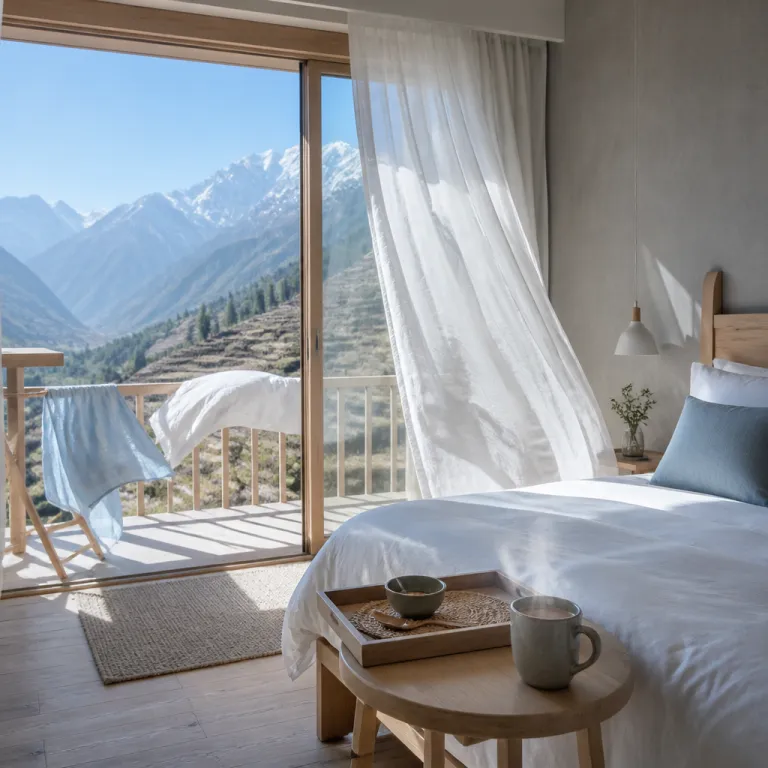
Why peru hotels in the July dry season sell out first
July in Peru is the high Andean theatre at its sharpest. Clear skies, near zero rainfall and cool, stable weather conditions turn every window in Cusco and the Sacred Valley into a frame for the cordillera, which is why Peru hotels in the July dry season often show limited availability months ahead. For couples planning a once in a lifetime trip, this is the best time to align romance, scenery and service without gambling on the rainy season.
In Cusco, daytime July temperatures typically hover around 19–21 °C while nights drop close to 0 °C, so the time you spend outside ruins or in hotel courtyards feels crisp rather than harsh. According to Peru’s national meteorological service SENAMHI, the average July maximum temperature in Cusco is about 21 °C and the average July nighttime minimum is close to 0 °C, figures that match the long term climate tables published on the SENAMHI website. These conditions create the clearest visibility of the year, ideal for Milky Way photography from high terraces and for watching the first light hit the stones of the old Inca Trail approaches.
Peak season in this part of Peru runs roughly from April to October, but July is the moment when every luxury property calibrates its service to maximum precision. Inti Raymi celebrations in Cusco take place on 24 June each year, and by the second half of July the crowds thin just enough that couples can still secure last minute tables in Lima or a spa slot in the Sacred Valley, though not always a room. For Peru travel at this time of year, assume that the best hotels in Cusco, the Sacred Valley and near Machu Picchu will require three to six months of advance booking, especially if you want specific room categories that face the valley or the snow peaks.
Sacred Valley stays: where every suite faces the mountains
The Sacred Valley sits lower than Cusco, so it softens the altitude while keeping the same July clarity and dry air. For many couples, this valley is the best base in Peru for a longer stay, because you can visit Machu Picchu by train, explore local markets and still return to a quiet property where every room faces terraced hillsides. When you plan your time to visit Peru in July, think of the Sacred Valley as the calm counterpoint to Cusco’s energy rather than a simple stopover.
Inkaterra Hacienda Urubamba is the reference point here, a hillside estate where glass fronted casitas track the arc of the sun across the valley. Many hotels, like Inkaterra Hacienda Urubamba, focus on sustainability, and that ethos shows in the way they manage water, energy and their relationship with local communities during the peak season months from April to October. In July, the dry season light pours across the fields in front of the property, and cool night temperatures make the in room fireplaces feel essential rather than ornamental.
Sol y Luna Lodge & Spa, set near Urubamba, offers a different rhythm for your Peru travel, with adobe casitas, a serious spa and a foundation that supports local education. Couples who worry about Cusco altitude often choose this valley for most of their time in Peru, using private drivers to reach Cusco sacred sites for day trips while sleeping lower. If you are planning a family extension to your romantic trip, look at specialist guidance on family friendly luxury lodges in Peru, then lock in July dates as early as your year round calendar allows.
Tambo del Inka and the July advantage for Machu Picchu
For couples focused on Machu Picchu, Tambo del Inka in Urubamba is the strategic choice during the July dry season. The resort’s private train station becomes a serious asset at this time of year, when public departures toward Aguas Calientes and the citadel sell out quickly. PeruRail and Inca Rail typically operate multiple daily services on the Sacred Valley routes in July, and their official timetables show extra frequencies around weekends and holidays, so having a guaranteed rail connection built into your stay can be the difference between a relaxed visit and a compromised itinerary.
July weather in the Sacred Valley mirrors Cusco’s pattern of warm days and cold nights, but the slightly lower altitude makes the temperatures feel kinder. This is the best time of year to sit on Tambo del Inka’s riverside terrace in the late afternoon, watching the light fade over the valley while staff talk you through the next day’s plan to visit Machu Picchu. When you visit Peru in this season, you will notice that the hotel’s concierge team spends much of their time managing train schedules, entry slots and alternative routes for guests who want to visit Machu Picchu without the pressure of the classic Inca Trail.
Not every traveler wants or secures an Inca Trail permit, especially in peak season, and July is when alternative routes and lesser known treks come into their own. The Peruvian Ministry of Culture publishes annual quotas and availability calendars for the classic route, and these often show July dates filling many months ahead. If you are curious about more remote options, read this guide to where to sleep on Peru’s undiscovered Inca trail alternatives and then decide how much of your time to allocate to trekking versus train based travel. Either way, plan your time to visit Machu Picchu around the early morning or late afternoon slots, when the weather conditions are still stable but the day trip crowds from Cusco have thinned.
Beyond Cusco: Lima, Lake Titicaca and the Peruvian Amazon in July
While the narrative around Peru hotels in the July dry season often focuses on Cusco and the Sacred Valley, couples should think in terms of a wider circuit. Lima sits on the coast with its own microclimate, cooler and more humid in July, yet this is still the best time to explore its restaurants before or after the highland leg of your trip. Plan at least one full day in the capital to adjust to the time difference, then fly to Cusco once you have settled into the rhythm of the year round Peruvian hospitality.
Lake Titicaca, reached via Juliaca, shares the Andean dry season pattern of clear skies and cold nights, so July offers mirror like water and strong sun during the day. Luxury lodges on the lake lean into this season in Peru with heated rooms, hot tubs and late checkouts that let you time your boat excursions for the softest light. If you extend your Peru travel into the Peruvian Amazon, remember that July falls within one of the better windows between the heavier December to March rainy season and the transitional shoulder months around September.
In the Amazon, weather conditions can still shift quickly, but July usually brings lower water levels that expose more river beaches and make wildlife spotting easier. Many couples choose to end their time in Peru with three nights in a Peruvian Amazon lodge, trading the stone of Machu Picchu for dense forest and warm, humid air. For a deeper sense of how Andean slow luxury is evolving across the Sacred Valley and beyond, read this analysis of the slow luxury reset in the Sacred Valley before you finalise which season in Peru suits your style.
FAQ
Is July a good time to visit Peru for luxury stays ?
Is July a good time to visit Peru? Yes, July offers dry weather and clear skies, ideal for travel. For luxury travelers, this dry season window is the best time of year to secure mountain facing suites in Cusco, the Sacred Valley and near Machu Picchu, provided you book several months ahead.
What should I pack for peru hotels in the July dry season ?
What should I pack for Peru in July? Pack layers to accommodate warm days and cold nights. Think breathable shirts for daytime temperatures around 20 °C, a serious down jacket for near freezing evenings, and accessories like gloves and a hat for pre dawn departures to visit Machu Picchu or Lake Titicaca.
How far in advance should I book Sacred Valley hotels for July ?
For top tier Sacred Valley properties such as Inkaterra Hacienda Urubamba, Tambo del Inka or Sol y Luna Lodge & Spa, plan to reserve three to six months before your intended time to visit. Peak season demand in July means that the best valley view rooms and suites often sell out first, especially around weekends and key local festivals.
Is the Inca trail open in the July dry season ?
The classic Inca Trail is usually open in July and operates at full capacity during the dry season, which is why permits often sell out many months in advance. Official permit platforms managed by the Ministry of Culture publish real time availability, so your travel planner can check specific dates before you fix flights. If you cannot secure a permit for your preferred time of year, consider alternative treks or train based itineraries that still allow you to visit Machu Picchu in optimal weather conditions.
How does July compare with the December to March rainy season ?
Between December and March, much of highland Peru experiences the rainy season, with heavier showers, cloudier skies and more variable travel conditions. July, by contrast, sits in the heart of the April to October dry season, bringing clearer views, more predictable temperatures and a higher likelihood that your flights, trains and excursions will run exactly as planned.