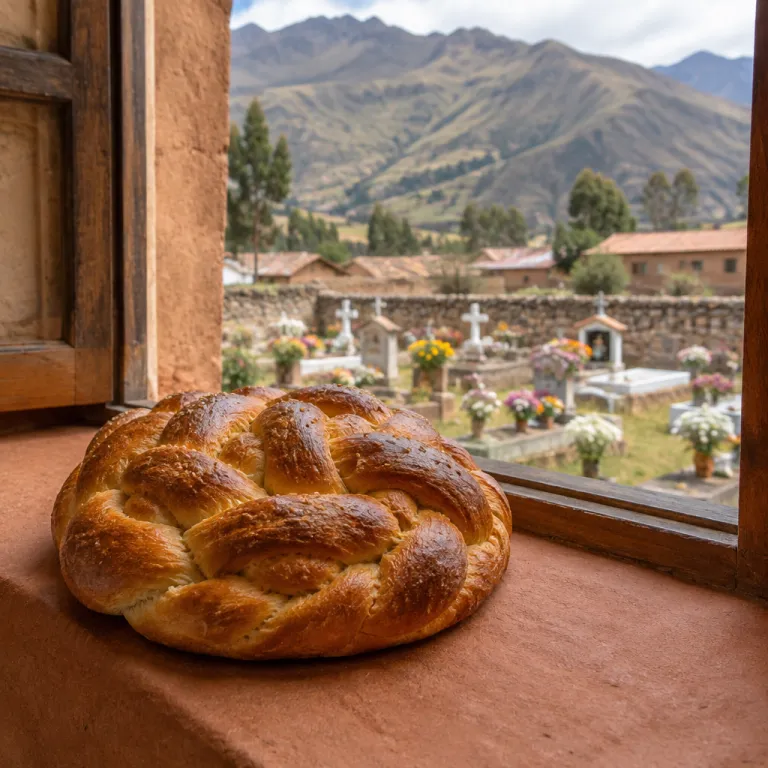
Dia de los Muertos in Peru: where to stay for a family‑minded souls day
Día de los Muertos in Peru is quieter than Mexico’s Day of the Dead, yet no less intense. Across the highlands, Día de Todos los Santos (1 November) and the following Día de los Difuntos (2 November) weave Catholic All Saints with pre‑Columbian ancestor rites, creating a cultural fabric that feels both intimate and vast. When you wonder where to stay for the Day of the Dead in Peru, the answer begins in Andean cities and villages where families gather around memory, not spectacle.
In Cusco, the former Inca capital, luxury properties close to the historic center let you walk from polished stone courtyards to markets stacked with t’anta wawa (also called pan wawa) and pan muerto breads. These traditional loaves, often shaped as bread babies or small ladders for the living dead to climb, appear on family altars beside flowers, candles and favorite foods for each deceased relative. High‑end hotels here, such as restored convents and colonial mansions around Plaza de Armas and San Blas, often brief guests on the meaning of los difuntos rituals, so children understand why the Day of the Dead is about presence rather than fear.
Further into the Sacred Valley, lodges near the Inca Trail and the route to Machu Picchu work with nearby communities where families gather in cemeteries on All Saints Day and All Souls Day. You might see altars built on graves, with pisco, home‑cooked dishes and t’anta wawa set out for each departed loved one, while live bands play waltzes for the deceased. These are not shows staged for tourists; they are spiritual acts, and the best properties position you as a respectful guest who observes from a distance unless invited closer by local families.
Highland hubs: Cusco, Sacred Valley and Ayacucho for Todos los Santos
For travelers weighing where to stay for Día de los Muertos in Peru, Cusco remains the most versatile base. The city combines refined hotels, serious gastronomy and easy access to Andean villages where the cultural weight of the holiday is strongest. From here, you can join guided visits to markets selling t’anta wawa, hear about pre‑Columbian beliefs in the living dead and return to a quiet suite while families continue their night‑long celebration.
Premium family travelers often pair Cusco with a Sacred Valley stay, using our curated guide to Peru sites and attractions for luxury travelers to balance ritual and relaxation. Valley properties sit lower than Cusco, which helps children adjust to altitude before any Inca Trail day hike or Machu Picchu excursion. During All Saints and All Souls, some lodges arrange visits to nearby cemeteries where families gather with flowers, candles, pan muerto and shared dishes, always under the guidance of hosts who know when cameras should stay in pockets.
Ayacucho, perched around 2,741 meters in the Andes, offers a more concentrated experience of Day of the Dead traditions in Peru. Here, altars bloom in homes on All Saints Day, then processions move toward cemeteries on the following Día de los Difuntos, with t’anta wawa and pisco carried as gifts for each deceased soul. Luxury options are fewer than in Cusco, but well‑run colonial mansions and small eco‑lodges partner with local families, ensuring that any contact with los difuntos rituals respects both the spiritual frame and the privacy of those who mourn.
Staying with meaning: how top hotels frame Peru’s day of the dead
The most thoughtful high‑end properties in Peru treat Día de los Difuntos as a living tradition, not a themed event. In Cusco and Puno, concierges brief guests on how Day of the Dead customs in Peru differ from Mexico’s Día de los Muertos, stressing that this is a family holiday first. Many arrange gentle introductions to local bakeries and markets where t’anta wawa and pan muerto are baked, letting children shape their own bread babies while guides explain why offerings of food matter to each deceased ancestor.
Some Sacred Valley lodges host quiet bread‑making sessions, altar workshops and talks on Inca and pre‑Columbian views of the afterlife, often led by Quechua‑speaking staff whose own families gather in nearby villages. You might help arrange flowers and candles around framed photos, then learn why pisco, chicha and favorite dishes are placed for departed relatives during Souls Day. As one Cusco guide explains, “We don’t invite death; we invite our grandparents home for dinner.” For a broader view of how these cultural layers intersect with landscape, our overview of Peru attractions for luxury travelers shows how Día de los Difuntos sits alongside the Inca Trail, Machu Picchu and Lake Titicaca in a longer narrative of memory.
On the Altiplano around Puno, where lakefront stays look toward islands dotted with cemeteries, the atmosphere over All Saints and the Day of the Dead is both spiritual and social. Families gather on graves with music, food and t’anta wawa, while visitors who stay in community lodges or refined lake hotels are invited, if at all, by hosts who know which spaces are open to outsiders. Here, the question is less where to stay for Día de los Muertos in Peru and more how to stay, and the best answer is always with humility, time and a willingness to listen.
Ethical access, family travel and sleeping close to the living tradition
For Premium Family travelers, Día de los Difuntos can be a gentle way to talk about the dead with children. Rather than a haunted holiday, this is a time when families gather to feed memory, setting altars with t’anta wawa, pan muerto, pisco and sweets for each deceased person. Guides often frame it as a celebration of connection, where the living welcome the dead home for one day each year.
Ethical access begins with where you sleep, which is why choosing where to stay for the Day of the Dead in Peru is not a trivial question. Community lodges and highland hotels that work with Peruvian Andean communities act as cultural brokers, arranging visits only when families explicitly agree and ensuring that photography around los difuntos graves remains discreet. As one local explainer puts it, “Guests stay in highland homes or lodges during Todos los Santos in the Andes, participating in rituals only when families invite them.”
On Lake Titicaca, for example, choosing a property that understands the rhythm of All Saints and All Souls can transform your stay into a lesson in respect; our feature on sleeping at 3,800 metres on Lake Titicaca explores how luxury adapts at altitude. Nights are cold, so pack layers for cemetery vigils and village walks, especially if you are traveling with children. Whether you are in Cusco, the Sacred Valley or the Ayacucho Andes, remember that Day of the Dead rituals in Peru are first for those who grieve, and your role is to witness with care, not to curate the perfect photograph.
FAQ: Todos los Santos and Día de los Difuntos in Peru
How is Peru’s Día de los Difuntos different from Mexico’s Day of the Dead?
Peru’s Día de los Difuntos shares the calendar with Mexico’s Day of the Dead, but the symbols and mood differ. Peruvian highland communities focus on family altars, cemetery picnics and bread babies such as t’anta wawa rather than parades and face paint. The atmosphere in cities like Cusco and Ayacucho is more intimate and spiritual, with less emphasis on public spectacle.
What are t’anta wawas and why are they important?
T’anta wawas are sweet breads shaped like infants or small figures, baked across the Andes for All Saints and All Souls. Families place these bread babies on altars and graves as offerings of food for each deceased relative, sometimes writing names in icing. Sharing and gifting t’anta wawas expresses affection for both the living and the departed souls.
Do visitors stay in villages or cities during the holiday?
Many travelers base themselves in cities such as Cusco or Puno, then make guided day trips to nearby villages where families gather in cemeteries. Others choose community lodges or homestays in highland communities, especially in the Sacred Valley or around Lake Titicaca. The choice depends on your comfort level, but rural stays usually offer closer contact with Day of the Dead traditions in Peru.
Is the festival the same across all regions of Peru?
The core idea of honoring the dead runs across Peru, yet each region shapes Día de los Difuntos differently. Highland areas with strong Inca and pre‑Columbian roots, such as Cusco, Ayacucho and the Altiplano, emphasize cemetery gatherings, t’anta wawa and pan muerto, while coastal cities may focus more on church visits. Asking local hosts how their families mark All Saints and All Souls is the best way to understand regional nuances.
How far in advance should I book for Todos los Santos in the Andes?
Highland hotels and community lodges around Cusco, the Sacred Valley and Lake Titicaca often fill months ahead of the holiday. If you are planning where to stay for Día de los Muertos in Peru with a family, secure rooms as early as possible, especially for Premium properties with limited inventory. Early booking also gives your hosts time to arrange any ethical, small‑scale access to local celebrations.