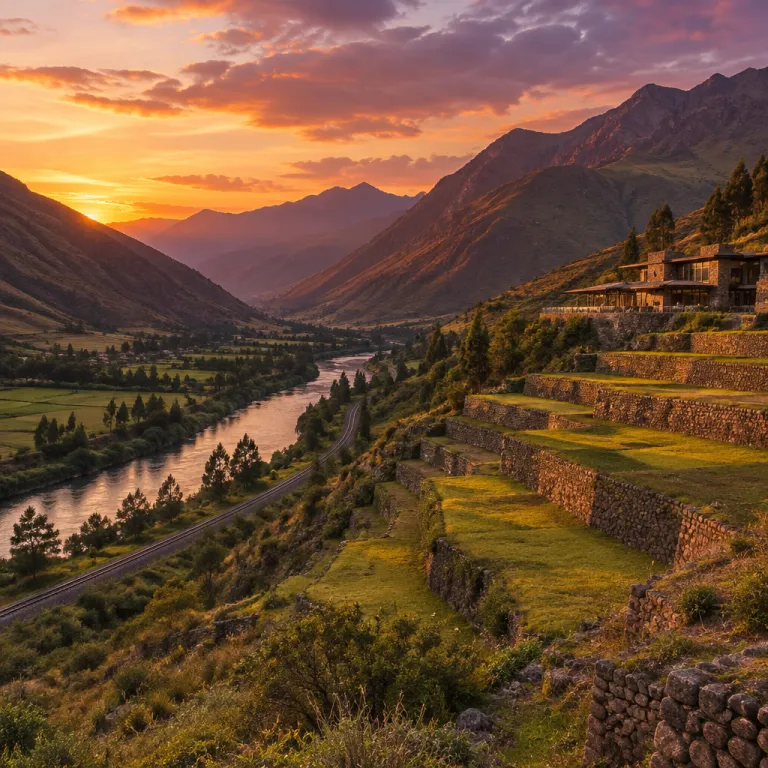
How the seasons shape the best time to go to Peru
Understanding the rhythm of each season is essential when you plan the best time to go to Peru. Across this part of South America, the coast, the Andes, and the Amazon follow different patterns, so your ideal time to visit Peru depends on which landscapes and luxury experiences matter most. A few carefully chosen days in each region can transform a simple trip into a seamless high end journey.
In the Andes around Cusco, Machu Picchu, and the Sacred Valley, the dry season from May to September offers the best time for clear skies and stable weather. These months are perfect if you want to combine a refined hotel in Cusco with daytime excursions to the Inca sites, because the chance of heavy rain on the Inca Trail or at Machu Picchu is much lower. Typical daytime highs hover around 18–20°C (64–68°F), nights can drop close to freezing, and even in the best month for sunshine you still need warm layers when you step out from your suite.
The rainy season in the highlands runs roughly from November to April, and this affects both the price of luxury rooms and the time you spend in transit. Roads can be disrupted by landslides, and some remote lodges in the Andes or near Lake Titicaca reduce operations, which limits last minute options. When you choose the best time to go to Peru for a premium itinerary, you balance the great time offered by the dry season against the quieter shoulder season of April and October–November, when the weather is mixed but the atmosphere in hotels feels more relaxed and availability for top tier rooms improves.
Best time to go to Peru for Machu Picchu, the Inca Trail, and Sacred Valley stays
For most luxury travelers, the best time to go to Peru is defined by the moment they first see Machu Picchu. The dry season is widely considered the best time to visit this Inca citadel, because the weather is clearer and the risk of clouds hiding the ruins at sunrise is lower. Dry conditions also make the stone steps safer, which matters when you return to your premium lodge after a long day on the mountain.
Travel planners agree that “Dry season remains ideal for Machu Picchu”, and this aligns with the peak months of June, July, and August. During this period, the Inca Trail is usually at capacity, as daily permits are capped at about 500 people including guides and porters, so you must secure both trail permits and high end accommodation in Cusco and the Sacred Valley many months in advance. Prices for suites, private guides, and exclusive train services such as the Belmond Hiram Bingham or PeruRail’s Vistadome rise in this season, but the trade off is a great time with bright days and crisp views across the Andes.
If you prefer fewer crowds and more flexible booking conditions, consider the shoulder season around April and October–November for your time to visit Peru. April often brings lush green hills after the rainy season, while October can offer pleasant weather with slightly lower price levels at luxury properties in the Cusco Sacred region, including icons such as Belmond Sanctuary Lodge beside the citadel or Inkaterra Machu Picchu Pueblo Hotel in Aguas Calientes. For travelers who want to pair Machu Picchu with other exceptional sites, curated overviews of Peru sites and attractions for luxury travelers seeking exceptional stays can help you align each month with the right valley, trail, or highland retreat.
Aligning Lima, coastal escapes, and large city luxury with your travel month
On the Pacific coast of Peru, the best time to go to Peru looks very different from the highlands. Lima and nearby beach towns follow a pattern where the southern summer from roughly November–April brings warmer weather and clearer skies, which suits travelers who want rooftop pools and ocean view suites. From May to about October, Lima often sits under a cool grey sky known locally as the garúa, so this season favors gastronomy and culture rather than sunbathing.
When you plan to visit Peru for a mix of city sophistication and archaeological excursions, think carefully about how many days you allocate to Lima, Arequipa, or Trujillo. Coastal weather rarely affects flight schedules, so you can usually arrive any month, but the ambience of luxury hotels shifts with the season as locals either escape the heat or seek it out. For a detailed neighbourhood by neighbourhood hotel guide that helps you match each district to your preferred time visit, consult a resource such as an elegant stays in the large cities in Peru for discerning travelers overview.
Many guests choose to start their time to visit Peru with two or three days in Lima, regardless of the month, to adjust to the time zone and enjoy world class dining. This strategy works year round, because the city’s culinary scene and museums are not tied to the dry season or rainy season in the Andes. Once you have rested in a refined urban property, perhaps in Miraflores or Barranco, you can fly on to Cusco, the Sacred Valley, or Lake Titicaca at the best time for those higher altitudes.
Choosing the best time to go to Peru for the Amazon and river cruises
The Amazon region of Peru follows its own calendar, so the best time to go to Peru for a luxury river cruise or jungle lodge depends on water levels. The rainforest is hot and humid year round, with daytime temperatures often around 30°C (86°F), but the contrast between the rainy season and the lower water dry season changes what you can see and how you travel. High end operators adjust their itineraries by month, so your choice of dates directly shapes your experience.
From roughly November–April, higher river levels allow expedition boats to navigate deeper into flooded forests, which can be a great time for wildlife viewing from the comfort of a suite on a river cruise vessel. However, heavier rain during this season can limit walking excursions, and some guests prefer the slightly cooler nights of the drier months. When the dry season arrives, usually from May to about September, trails open up and you can combine boat safaris with guided hikes that start directly from your Amazon lodge.
Luxury travelers who want to visit Peru for both the Amazon and the Andes often choose a shoulder season month such as April or October, when flight connections are reliable and prices for premium cabins may be more flexible. This timing lets you enjoy the best time in the rainforest for mixed activities, then continue to Cusco or Lake Titicaca as the highland weather improves. Because the Amazon sits at low altitude, it also works well as a first stop before you ascend to the Andes and settle into a high elevation hotel.
Festivals, culture, and cross border journeys with Peru and Bolivia
For culturally focused travelers, the best time to go to Peru often revolves around festivals and cross border routes rather than pure weather. In Cusco, the celebration of Inti Raymi around the June solstice draws visitors from across South America, and luxury hotels in the Cusco Sacred region sell out quickly. If you want a front row view of this Inca inspired ceremony, you must book both your suite and your Machu Picchu permits many months ahead.
Combining Peru and Bolivia in one itinerary is popular among guests who value both comfort and depth of experience. The classic route links Cusco, the Sacred Valley, and Lake Titicaca on the Peruvian side with La Paz or the Uyuni salt flats in Bolivia, and the best time for this circuit is usually the dry season from May to September. Clear skies over the Andes make the long scenic drives more enjoyable, and premium properties along the way can coordinate luggage transfers and private guides across borders.
Outside the peak of June to August, the shoulder season in April and October–November offers a quieter time to visit Peru and Bolivia together. Prices at high end hotels may soften slightly, and you still benefit from relatively stable weather for day trips to the Nazca Lines, Lake Titicaca islands, or lesser known Inca sites. Because this kind of journey involves multiple flights and long road segments, aligning your month of travel with the driest conditions remains the best strategy.
Pricing, availability, and how luxury booking windows change by season
When you look at the best time to go to Peru from a booking perspective, the relationship between season and price becomes very clear. The dry season in the Andes, especially June to August, is the best time for weather but also the most expensive period for five star hotels near Machu Picchu, the Sacred Valley, and Lake Titicaca. Suites with private terraces, spa access, and curated Inca trail excursions often sell out many months in advance.
In the rainy season from roughly November–April, you will usually find better price options and more flexible cancellation policies, particularly in Cusco and the surrounding valleys. However, this is not always the best time to visit Peru if your priority is hiking the Inca Trail or enjoying uninterrupted views of Machu Picchu, because trail closures and cloud cover are more common. Many luxury travelers compromise by choosing the shoulder season, when the time visit balance between cost, comfort, and weather feels more favorable.
For coastal cities such as Lima, Miraflores, and Barranco, the high demand period runs from about December into March, when the weather is warm and locals flock to the sea. If you plan to stay in a premium oceanfront property, consult a detailed neighbourhood hotel guide such as a where to stay in Lima resource to match your preferred month with the right district. By thinking in terms of region, season, and your own tolerance for crowds, you can define the best time to go to Peru for your personal style of luxury travel.
Key figures on timing your luxury trip to Peru
- Peru’s Andean dry season lasts about five months, from May to September, which concentrates demand for high end hotels and trekking permits into less than half the year.
- The wet season in the highlands also spans roughly five months, from November to March, increasing the risk of road disruptions but lowering average nightly rates in many premium properties.
- Peak visitor pressure typically falls across three months, June to August, when occupancy in luxury hotels near Machu Picchu and in Cusco often approaches full capacity.
- Travel specialists often recommend booking Inca Trail permits and top tier Sacred Valley suites at least six to nine months before a June or July arrival, due to limited daily trail quotas.
- On the coast, Lima’s sunniest beach weather usually occurs between December and April, while foggier months from May to October favor cultural and culinary city breaks.
FAQ about the best time to go to Peru for luxury stays
When is the best time to hike the Inca Trail in comfort ?
The best time to hike the Inca Trail while staying in luxury hotels before and after the trek is during the dry season from May to September. Trails are more stable, and you can pair the hike with premium stays in Cusco and the Sacred Valley. Permits and top tier rooms sell out quickly in June to August, so advance booking is essential.
Which month offers the best balance of weather and price for Machu Picchu ?
April and October are often considered the best compromise months for Machu Picchu, because they sit on the edge of the dry season. You gain a reasonable chance of clear weather while avoiding the highest prices and crowds of June to August. Luxury hotels may offer more flexible packages in these shoulder season periods.
When should I visit Peru for both the Amazon and the Andes ?
To combine the Amazon with the Andes in one luxury itinerary, many travelers choose May or June. These months fall in the Andean dry season while still offering relatively high water levels in the rainforest for varied excursions. This timing allows smooth connections between river cruises, jungle lodges, and high altitude properties.
Is there a bad time to visit Peru for high end travel ?
There is no universally bad time to visit Peru, but some months are more challenging for specific regions. January and February can bring heavy rain in the Andes and Amazon, which may disrupt flights and road journeys, though coastal cities remain attractive. If your priority is trekking or scenic train rides, avoid the peak of the rainy season.
How far in advance should I book luxury hotels in Peru’s peak season ?
For travel in June, July, or August, it is wise to secure key hotels six to nine months ahead, especially near Machu Picchu and in the Sacred Valley. Suites with views, private hot tubs, or exclusive experiences are limited in number and sell out first. Early planning also helps you align your stays with train schedules, Inca Trail permits, and domestic flights.