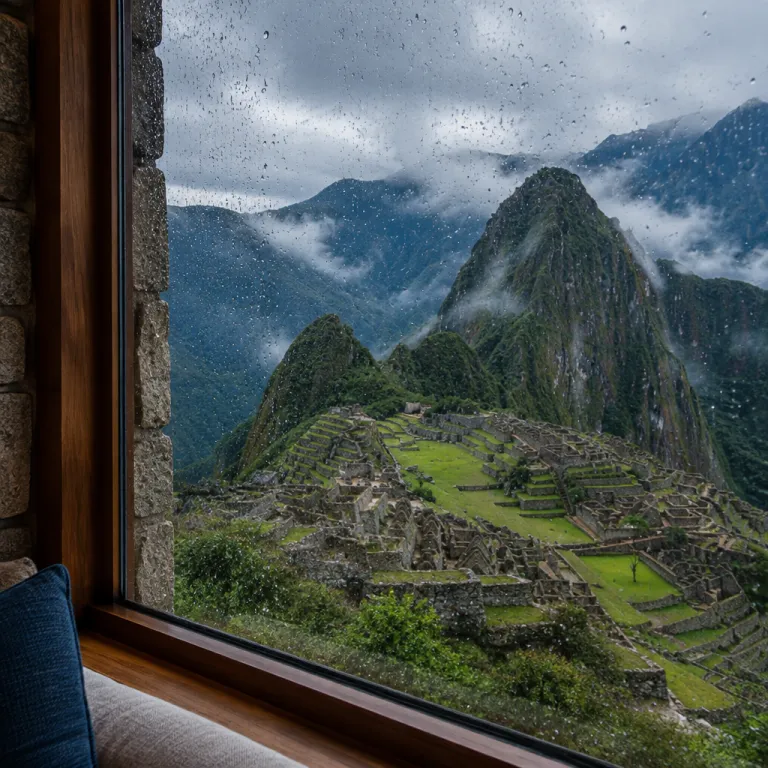
How the best time to visit Peru changes by region and travel style
Choosing the best time to visit Peru starts with understanding its three main regions. The Andes around Cusco, the Amazon rainforest, and the Pacific coast near Lima each follow a different seasonal rhythm, which shapes every luxury stay and every curated experience. When you plan your time to visit each area with the right season in mind, you protect your investment in high end hotels that often cost several hundred USD per night.
Across this part of South America, the Andean and Amazon regions share a broadly similar dry season from May to September, while the coast enjoys its warmest beach weather roughly from December to April. The Peruvian National Meteorology and Hydrology Service (SENAMHI) and the Ministry of Foreign Trade and Tourism (MINCETUR) summarise it clearly in three key ideas: “Dry season: May to September”, “Shoulder months: April & October”, and “Wet season: November to March”, which is essential context when you book a luxury Inca Trail lodge or a private river cruise in the Amazon. Because Peru stretches from Pacific desert to high peaks and deep jungle, you can travel Peru year round if you are ready to match each destination with its ideal window.
For travellers focused on Machu Picchu, Cusco, and the Sacred Valley, the dry months are usually the best time, especially if you want clear sunrise views and comfortable trail conditions. In Cusco, SENAMHI data shows average daytime temperatures of around 19°C (66°F) in June and July, with monthly rainfall often below 20 mm, which favours high end trekking and scenic rail journeys. Those same months are also peak days for Lima arrivals, so hotel price levels in both cities often rise, particularly in June and July when international holidays drive demand. If you prefer quieter lounges, more attentive service, and better value in USD, consider the shoulder season around April or October when weather remains pleasant but crowds thin.
Andes highlights: Cusco, Machu Picchu and the Sacred Valley in every season
In the southern Andes of Peru, the dry season shapes almost every luxury itinerary built around Cusco, Machu Picchu, and the Sacred Valley. From May to September, skies are usually clear, the Inca Trail is firm underfoot, and the weather brings crisp mornings followed by bright, sunny days. In Cusco, daytime highs typically range from 18–21°C (64–70°F) with low humidity, while rainfall drops sharply compared with the November–March wet season. This is widely regarded as the best time to visit Peru for high end trekking, scenic train journeys, and elevated gastronomy in restored colonial mansions.
During June, Cusco becomes the stage for Inti Raymi, the Inca sun festival that fills plazas and hotels with visitors from across South America, so you should secure suites and Machu Picchu entry slots several months ahead. Crowds peak between June and August, which means that every extra day you add in Cusco or the Sacred Valley can significantly increase the total price of your trip in USD, especially if you choose premium rail cabins or private guides for the Inca Trail. As a reference, suites at flagship properties such as Belmond Palacio Nazarenas or Inkaterra La Casona can easily exceed 600–900 USD per night in this period. Many seasoned travellers therefore treat April and October as a strategic shoulder season, when the weather is still relatively dry but availability at top properties improves.
Wet season in the Andes runs roughly from November to March, bringing heavier afternoon showers and occasional disruptions on the trail network. February is particularly challenging because the classic Inca Trail closes for maintenance, although Machu Picchu itself remains open and can feel more serene, with fewer people on the terraces during the soft misty mornings. In these months, Cusco can receive over 120 mm of rain per month, and some rural roads may be affected. If you are comfortable with variable weather and want more flexible time travel between Cusco, Machu Picchu, and the surrounding Cusco Sacred Valley, these months can offer attractive price points on suites and private services.
For travellers combining the Andes with the rainforest, the Amazon Basin follows a similar broad pattern, but with its own nuances. The same May to September dry season often brings lower river levels, which can affect the exact route of a luxury river cruise yet usually means fewer mosquitoes and more stable wildlife viewing conditions. Around Puerto Maldonado and Tambopata, average daytime temperatures hover near 30°C (86°F) year round, but rainfall drops noticeably in July and August according to SENAMHI records. When you plan a premium lodge stay in Tambopata or near Iquitos, it is wise to check recent weather data and river forecasts, and you can deepen your planning with this elegant guide to Peru’s wild luxury frontier at Tambopata National Reserve luxury travel.
Lima and the Pacific coast: when city breaks and beach escapes shine
Lima, the coastal capital of Peru, has a very different climate from Cusco or the Amazon, which directly influences the best time to visit Peru for food focused city breaks. From roughly November to April, the city gradually warms, and between December and March you can expect long, bright days that pair perfectly with rooftop pools and ocean view suites. SENAMHI climate data shows average daytime temperatures of 25–28°C (77–82°F) in February, with very little rainfall, which is ideal for outdoor terraces and oceanfront promenades. During this coastal summer season, luxury hotels in Miraflores and Barranco often host sunset events, and the price of premium rooms in USD tends to rise with demand.
Outside this warm window, Lima often sits under a grey coastal mist called garúa, which cools the air but rarely brings heavy rain. From June to September, average highs usually sit around 18–20°C (64–68°F), with higher humidity and softer light. If your main goal is to visit Peru for its world class restaurants, art galleries, and historic districts, this gentler weather can still work well, especially when combined with lower nightly rates and more flexible booking conditions. Many travellers use Lima as a gateway for time travel across the country, spending one or two days in the capital before flying to Cusco, the Amazon, or the northern beaches.
Further along the coast, destinations such as Paracas, Máncora, and the northern resort areas follow a similar pattern, with their best beach weather concentrated between December and April. This is the period when sea temperatures are most pleasant, pool decks are lively, and high end resorts often require minimum stays of several days, particularly around festive periods. In popular northern beach enclaves, suites at upscale properties can range from 350–700 USD per night over New Year and Easter. If you are planning a multi stop travel Peru itinerary that includes both Lima and the coast, it can be efficient to schedule these coastal stays at the start or end of your journey, while using the Andean dry season for Machu Picchu and the Sacred Valley.
For travellers who want to align their city and coastal experiences with Peru’s most exceptional properties, it helps to map out the entire year round climate picture. A curated overview of Peru sites and attractions for luxury travellers can support this process, and you can explore such a perspective at exceptional Peru sites and luxury stays. By cross referencing this type of destination insight with seasonal weather patterns, you can identify the best time and the best price balance for each stop on your route.
Lake Titicaca, Peru–Bolivia circuits and the art of shoulder season
Lake Titicaca sits high on the Altiplano between Peru and Bolivia, and its climate follows the Andean rhythm of a cool dry season and a wetter, stormier period. From May to September, the lake often presents dazzling blue days with sharp visibility, which is ideal for travellers staying in luxury lodges on the Peruvian shore or combining a cross border circuit with Bolivia. According to SENAMHI, daytime temperatures around Puno typically range from 14–17°C (57–63°F) in these months, while nights can fall close to freezing. Nights remain cold throughout the year, so even during the best time to visit Peru for this region, you should expect frosty mornings and pack accordingly.
Many premium itineraries link Lake Titicaca with Cusco, the Sacred Valley, and Machu Picchu, using either scenic rail or private transfers. When you travel Peru in June or July, you can enjoy consistently dry weather across this entire highland arc, but you will also encounter higher occupancy levels and a corresponding rise in USD rates for suites and private excursions. For example, lakefront suites at high end properties can move from around 350–450 USD per night in April to 550 USD or more in July. For travellers who value tranquillity and more personalised service, the shoulder season months of April and October–November often provide a more balanced experience.
During these shoulder season windows, the weather around Lake Titicaca can be slightly more changeable, with occasional showers, yet the overall climate remains comfortable for daytime excursions. This is often the best time to visit Peru if you want to blend cultural immersion with refined comfort, because local communities are less overwhelmed by peak season flows and have more time for meaningful interaction. You also gain more flexibility to add extra days in Cusco Sacred Valley properties or to adjust your time visit to Machu Picchu if rail schedules shift.
Wet season from November to March brings heavier rains and sometimes choppy lake conditions, which can affect boat transfers to islands and remote peninsulas. Monthly precipitation around Puno can exceed 130 mm in January and February, and afternoon storms are more frequent. However, for travellers who prioritise value and are comfortable with adaptable plans, this period can offer attractive price structures, especially for longer stays of five or more days. When planning a Peru Bolivia circuit, it is wise to align your Lake Titicaca segment with the drier months while allowing some buffer time travel in your schedule for potential weather related changes.
Amazon luxury: river cruises, rainforest lodges and seasonal wildlife
The Amazon region of Peru offers a very different perspective on the best time to visit Peru, especially for travellers drawn to river cruise experiences and high comfort jungle lodges. Around Iquitos in the north and Tambopata in the south, the year divides broadly into a higher water wet season and a lower water dry season, each shaping how you explore. Instead of asking which season is objectively best, it is more useful to ask which time aligns with your preferred style of wildlife viewing and comfort.
During the wet season, roughly from November to March, rivers rise and flood the forest, allowing expedition boats and canoes to penetrate deep into side channels. In Iquitos, SENAMHI records show that rainfall can exceed 250 mm per month in January and February, with high humidity and frequent afternoon storms. This can be an excellent time travel period for birdwatchers and photographers, because animals often concentrate on higher ground and the reflective water surfaces create dramatic scenes. However, humidity is intense, temperatures often sit around 30–32°C (86–90°F), and you should expect more insects, which some travellers find challenging despite the high standards of luxury accommodation.
The dry season from May to September usually brings lower river levels, more stable trail conditions, and slightly cooler nights, which many guests consider the best time for comfort. Wildlife remains abundant, and guides often adapt by focusing on clay licks, salt licks, and riverbank habitats where animals congregate as water recedes. For those planning a premium river cruise, this dry season can also reduce the risk of itinerary changes, although exact routes always depend on current weather and river data. Onboard, suites on upscale vessels can range from around 500–1,000 USD per person per night depending on month and cabin category.
Shoulder months such as April and October can offer a compelling balance, with fewer visitors and a mix of both high and low water advantages. If you are combining the Amazon with Cusco, Machu Picchu, and Lima, these months can simplify logistics because they sit between the extremes of Andean wet season and coastal peak heat. When evaluating the price of Amazon extensions in USD, remember that operating costs for remote lodges and vessels are high year round, so the main seasonal difference often lies in added value, such as complimentary excursions or extra nights.
Aligning luxury hotel bookings with festivals, trails and special experiences
For many travellers, the best time to visit Peru is not only about weather but also about aligning with iconic events and experiences. In the Andes, the most famous example is Inti Raymi in Cusco, which takes place in June and draws visitors from across South America for a full day of Inca inspired ceremonies. During this period, suites in historic properties, premium seats on trains to Machu Picchu, and permits for the Inca Trail all sell out quickly, so early planning is essential.
When you plan to visit Peru for trekking, the dry season from May to September is usually the safest choice, especially for multi day routes such as the classic Inca Trail or alternative trails in the Cusco Sacred Valley. The national guidance is clear on one critical point: “Avoid February for classic Inca Trail”, because the route closes for maintenance and safety checks during that month. If you still wish to reach Machu Picchu in February, you can travel by train from either Cusco or the Sacred Valley and often enjoy quieter terraces and more contemplative moments among the ruins.
Beyond the famous Inca Trail, there are many other routes and experiences that benefit from careful timing. Horseback journeys through the Sacred Valley, for example, are particularly pleasant in the dry months and the adjacent shoulder season, when trails are firm and the air is clear. If you are considering such an experience, you can explore curated estancias and equestrian focused stays through resources like Sacred Valley estancias where horses set the day, then match your preferred dates with the most stable weather window.
In Lima and along the coast, culinary festivals, art fairs, and surfing events can also influence the best time for a city stay or beach retreat. These events often cluster around the warmer months from December to March, when both locals and visitors embrace long evenings outdoors. During major festivals and holiday periods, suites at leading Lima hotels can command 20–40% higher rates than in quieter weeks. When you factor in festival calendars alongside weather and hotel price trends in USD, you can design a time visit that feels both vibrant and comfortable, without sacrificing the calm and privacy expected from luxury and premium properties.
Practical planning: budgets, minimum stays and year round strategies
Once you understand how season and region interact, you can start to translate the best time to visit Peru into a concrete booking strategy. Luxury and premium hotels in Cusco, Lima, the Sacred Valley, and the Amazon often use dynamic pricing, which means that the same suite can vary by several hundred USD per night between wet season and peak dry season. By shifting your trip by just a few days into a shoulder season window, you may unlock better value without compromising on comfort.
In the Andes, June to August usually bring the highest nightly price levels, driven by clear weather, school holidays, and events such as Inti Raymi. If your dates are flexible, consider late April, May, or October–November, when the weather remains favourable yet occupancy is lower, giving you more choice among top tier properties. For travellers who must visit during peak months, booking early and accepting minimum stay requirements of three or more days at flagship hotels can secure access to limited inventory.
Along the coast, the warm months from December to March are prime time for Lima rooftops and northern beach resorts, which often require longer minimum stays over festive periods. In the Amazon, price differences between seasons can be less dramatic, but operators may offer added value during quieter months, such as complimentary spa treatments or private guiding for river cruise excursions. When you plan to travel Peru year round, it can be effective to combine one region in its absolute best time with another in a more flexible season, balancing overall comfort, crowd levels, and budget.
Finally, remember that Peru’s varied geography allows you to design itineraries that follow the weather rather than fight it. A well planned route might start with a few days in Lima during coastal summer, continue to the Cusco Sacred Valley during the dry season, and finish with a lower water Amazon stay that maximises wildlife viewing. By aligning your time travel choices with these patterns, you transform the question of when to visit Peru into a powerful tool for crafting a seamless, luxurious journey.
Key figures on seasons and travel patterns in Peru
- Dry season in the Andes and Amazon typically lasts about five months from May to September, offering the most reliable conditions for trekking and river based excursions according to national climate data from SENAMHI.
- The wettest period in these regions usually spans around four months from November to March, when travellers should expect heavier showers and occasional disruptions to trail and road access.
- Shoulder season in Peru is concentrated in two main months, April and October, which often combine relatively stable weather with lower crowd levels and more competitive luxury hotel pricing.
- Coastal summer around Lima and the Pacific beaches generally runs from December to March, providing the warmest sea temperatures and the highest demand for ocean facing suites.
- Crowds at Machu Picchu and in Cusco tend to peak between June and August, which is why many experienced travellers target April or October as the best time to balance weather, availability, and price.
FAQ about the best time to visit Peru for luxury and premium stays
When is the best time for Machu Picchu and the Inca Trail ?
The most reliable period for visiting Machu Picchu and hiking the Inca Trail is during the dry season from May to September, when trails are firm and skies are often clear. Shoulder months such as April and October can offer similar weather with fewer crowds, which is attractive for luxury travellers seeking quieter experiences. February is not suitable for the classic Inca Trail because the route closes, although Machu Picchu itself remains open.
Is February a bad month to travel in the Peruvian Andes ?
February is generally the most challenging month for travel in the Andes, because it falls in the heart of the wet season and brings frequent rain and potential disruptions. The classic Inca Trail closes for maintenance, and some remote routes in the Cusco Sacred Valley can become muddy or temporarily inaccessible. If you must travel in February, focus on flexible itineraries using trains and vehicles rather than multi day treks.
When is the best season for beaches near Lima and along the coast ?
The best beach weather near Lima and along the northern coast usually occurs between December and March, when temperatures are warm and skies are clearer. This is the ideal time for poolside stays, surfing, and sunset dining in oceanfront resorts. Outside these months, the coast can be cooler and cloudier, though still pleasant for cultural and culinary city breaks.
Can I visit Peru year round if I want a luxury experience ?
Peru is a year round destination for luxury travel, provided you match each region to its most suitable season. You can enjoy Lima and the coast in their summer months, the Andes during the dry season, and the Amazon in either high or low water periods depending on your interests. By sequencing destinations carefully, you can maintain high comfort levels and service standards at any time of the year.
How far in advance should I book luxury hotels and permits ?
For peak dry season months such as June, July, and August, it is wise to book luxury hotels, Machu Picchu entry slots, and Inca Trail permits several months in advance. High end properties in Cusco, the Sacred Valley, and Lima often sell out early for suites and special categories. During shoulder season, you may find more flexibility, but advance planning still helps secure preferred room types and private experiences.