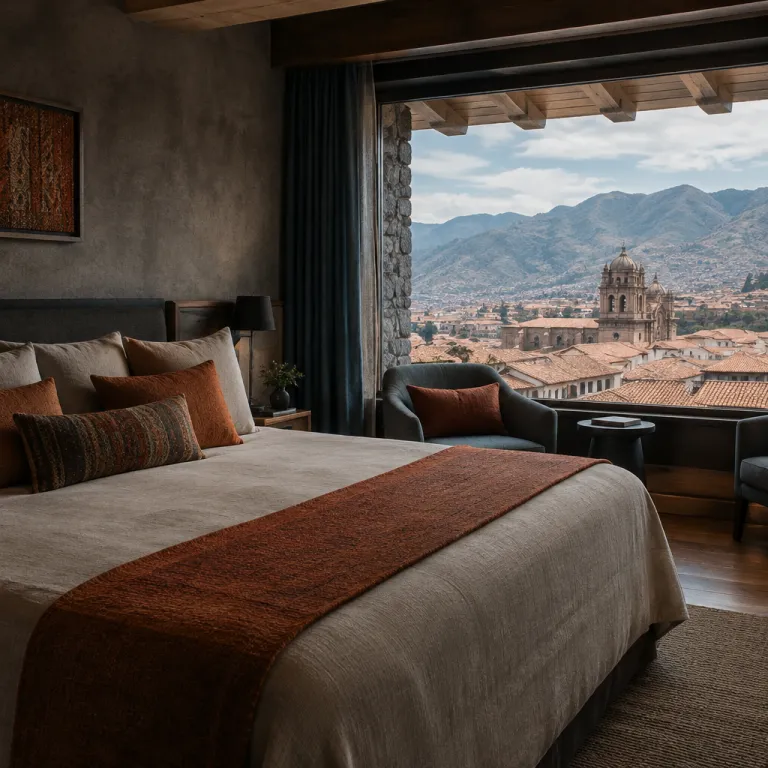
Choosing Cusco Peru hotels for an elegant stay in the historic center
Cusco rewards travelers who choose their accommodation with care. In a high altitude city where every day includes steep streets and stone steps, the right hotel can transform your stay into a calm, oxygen rich retreat. When you compare Cusco Peru hotels, focus first on altitude support, precise location, and how each property manages historic character with modern comfort.
The historic center of Cusco city, especially around Plaza de Armas and the narrow lanes leading to San Blas, concentrates many of the finest hotels. Staying in a hotel located within roughly 300 to 600 metres of Plaza de Armas means you can walk to major Inca and colonial sites, then return quickly to rest when the thin air starts to bite. For many guests, a stay in this compact historic center also reduces transport time and allows more flexible day planning before and after a visit to Machu Picchu.
Several leading Cusco hotels occupy former monasteries, palaces, and casonas, which are traditional mansions built around courtyards. Belmond Hotel Monasterio, for example, is a former sixteenth century monastery located just above the main plaza, and it offers oxygen enriched rooms that help guests acclimatize more gently. Palacio Nazarenas, a Belmond hotel built on Inca foundations, and Palacio del Inka, a Luxury Collection hotel near Qorikancha, both show how a carefully restored casa can deliver five star hotel service while preserving stone walls and cloisters.
When you browse Cusco Peru hotels online, pay close attention to independent reviews that mention noise levels, heating, and water pressure. Heritage buildings can have thick stone walls but also internal courtyards where sound travels, so a quiet room request is wise for any stay Cusco travelers plan in advance. Look for reviews that describe how the hotel team handled altitude issues, early breakfast before a Machu Picchu train, and late check out after a long day in the Sacred Valley.
Price is another key filter, especially in high season when typical luxury nightly rates in Cusco often reach several hundred US dollars, with top suites in landmark properties sometimes approaching the upper tier of South American city pricing according to major booking platforms and specialist hotel guides. That level reflects demand for central location, historic architecture, and altitude support, and it rises for ultra luxury suites with private courtyards. For travelers comparing several hotels Cusco wide, it often makes sense to combine one or two nights in a top tier star hotel with a few nights in a more discreet casa style property to balance budget and experience.
Travelers sometimes hesitate between a hotel and a hostel in Cusco, especially if they are used to social stays. In this city, a hostel can be a good option for an extra acclimatization day before a trek, but for most guests planning Machu Picchu and Sacred Valley excursions, a full service hotel Cusco experience offers better rest and logistics. Think about your energy levels at 3,400 metres and choose accommodation that supports recovery rather than only price per night.
Where to stay in Cusco city: Plaza de Armas, San Blas, and beyond
Location shapes every stay in Cusco Peru, because the city climbs steeply from the valley floor to the upper barrios. Around Plaza de Armas, you find grand colonial façades, arcades, and several of the most established Cusco hotels, all within a short walk of the cathedral and Qorikancha. This area suits guests who want to step out of their hotel and be in the middle of the city’s energy within seconds.
Belmond Hotel Monasterio and JW Marriott El Convento Cusco sit close to Plaza de Armas, offering a refined alternative to a hostel while still feeling connected to the historic center. Palacio del Inka, A Luxury Collection Hotel, is located near the Inca temple of Qorikancha, which makes it ideal for travelers who want to walk between pre Inca foundations and Spanish cloisters in a single day. These properties show how Cusco Peru hotels can combine a privileged location with quiet internal courtyards that shield guests from the plaza crowds.
San Blas, the traditional artisans’ quarter, rises above the main plaza and offers a different style of stay Cusco visitors often appreciate. Narrow streets, whitewashed walls, and small casonas create a village atmosphere, and many hotels in San Blas offer views over the entire city. The climb from Plaza de Armas to San Blas is short in distance but demanding at altitude, so guests should consider whether they prefer a higher viewpoint or an easier walk back to their accommodation after a long day.
Names such as Casona San Blas or Antigua Casona San Blas signal properties that occupy restored mansions, often with stone arcades and intimate courtyards. These hotels Cusco wide tend to offer generous breakfast spreads, with local fruit, quinoa porridge, and eggs cooked to order, which helps guests fuel up before early departures to Machu Picchu. When you read reviews, look for comments about how the hotel managed luggage storage for Sacred Valley overnights and how staff coordinated transport to and from the train station.
Some travelers choose to split their time between Cusco city and the Sacred Valley, spending the first night in a central Cusco hotel and then moving closer to Ollantaytambo for the Machu Picchu train. This strategy reduces early morning transfer times and allows one quieter night at lower altitude before the big day at the citadel. If you follow this pattern, choose a hotel located near Plaza de Armas or San Blas for your first and last nights, then a valley property that offers late check out and flexible breakfast for train departures.
Peru’s geography invites wider exploration, and many guests who enjoy Cusco Peru hotels also look for distinctive stays in other regions. If you are planning a longer itinerary, you can pair a heritage casa in Cusco with a desert camp near Ica, using a specialist guide to luxury desert camps of the Ica dunes where the sand meets the stars for inspiration. This contrast between stone cloisters in the Andes and canvas under the southern sky shows how varied a Peruvian journey can be when you choose accommodation as carefully as you choose archaeological sites.
Inside Cusco’s heritage luxury: monasteries, palaces, and casonas
One of the defining pleasures of Cusco Peru hotels is the chance to sleep inside living history. Many of the most refined properties are housed in former monasteries, palaces, or casonas that date back to the early colonial period and rest on Inca stonework. This layering of Inca, colonial, and contemporary design gives guests a sense of continuity that no modern tower can match.
Belmond Hotel Monasterio exemplifies this heritage approach, with cloistered courtyards, original religious art, and a chapel that hosts classical concerts for guests. Palacio Nazarenas, another Belmond property, occupies a former palace built on Inca foundations and offers only suites, each with oxygen enrichment and butler service, which makes it one of the most exclusive hotels in the city. Inkaterra La Casona, with only eleven suites around a quiet courtyard, feels more like a private casa than a conventional star hotel, and it appeals to travelers who value privacy and attentive but discreet service.
Palacio del Inka, A Luxury Collection Hotel, stands opposite Qorikancha and integrates original stone walls, carved wooden balconies, and a spa that uses local ingredients. Guests can walk from this hotel Cusco location to the temple in minutes, tracing the line where Inca masonry meets Spanish baroque façades. JW Marriott El Convento Cusco, converted from a former convent, offers a similar blend of cloisters and contemporary comforts, including a sophisticated bar where many guests share impressions of their day at Machu Picchu.
These heritage properties often include oxygen enriched rooms, coca tea on arrival, and staff trained to recognize early signs of altitude discomfort. At more than 3,400 metres, such details matter as much as thread count or marble bathrooms, because they determine how well you sleep and how much energy you have for each day’s explorations. When you compare Cusco hotels, prioritize altitude support and quiet internal courtyards over purely visual drama, especially if you are arriving directly from sea level.
Travelers who enjoy this dialogue between old stone and new glass in Cusco often extend the theme elsewhere in Peru. A useful reference is a comparative guide that asks whether Peru’s contemporary hotels beat the heritage icons, which helps you decide when to choose a modern tower and when to choose a restored casona. In Cusco city, the balance still tilts strongly toward historic buildings, because the Inca and colonial fabric is so dense around the historic center and Plaza de Armas.
Even if you usually prefer a minimalist star hotel, consider at least one night in a property such as Inkaterra La Casona or Aranwa Cusco, where antiques and fireplaces frame your stay. These hotels Cusco offers are not museums but living spaces, with attentive staff who can arrange private guides to the Sacred Valley or timed entries to Machu Picchu. For many guests, the memory of walking through candlelit cloisters after dinner becomes as vivid as the first glimpse of the citadel above the clouds.
From Cusco to Machu Picchu: planning days, trains, and early breakfasts
Every stay in Cusco Peru eventually revolves around one central question: how to organize your day at Machu Picchu. The city functions as the main hub for trains, buses, and private transfers to the Sacred Valley and onward to the citadel, so your choice of hotel affects more than just where you sleep. A well located property with flexible breakfast hours and experienced concierge staff can simplify logistics and reduce stress on what is often the most anticipated day of the trip.
Most guests travel from Cusco city to Machu Picchu by train, either from Poroy station near Cusco or from Ollantaytambo in the Sacred Valley. Many Cusco hotels coordinate early morning transfers to these stations, prepare boxed breakfasts when departure times are before the dining room opens, and store luggage for guests who return late at night. When you evaluate reviews, look for specific mentions of how the hotel handled these early departures and late arrivals, because this is where service quality becomes very visible.
Some travelers choose to spend a night in the Sacred Valley before visiting Machu Picchu, which lowers altitude slightly and breaks the journey. In that case, you might spend your first night in a central hotel Cusco location near Plaza de Armas or San Blas, then transfer to a valley property for one or two nights, and finally return to Cusco for a last evening in the historic center. This pattern allows time to explore sites such as Pisac and Ollantaytambo while still enjoying the restaurants and museums of Cusco city.
On the actual Machu Picchu day, a calm start matters. Choose accommodation that offers reliable hot water at very early hours, a light but nourishing breakfast, and clear communication about pick up times, because delays can cascade when trains and entry slots are tightly scheduled. Many higher end Cusco Peru hotels also provide small oxygen canisters or access to oxygen in reception, which can be reassuring for guests who feel the altitude more strongly after a long day of climbing steps at the citadel.
Back in Cusco after Machu Picchu, guests often appreciate a hotel with a spa, heated pool, or at least a quiet courtyard where they can rest. Palacio Nazarenas offers a heated outdoor pool within its cloistered walls, while Palacio del Inka features a spa that uses local herbs and Andean ingredients in its treatments. These facilities turn the post Machu Picchu evening into a gentle transition rather than an abrupt return to city noise.
For travelers designing a broader Peruvian itinerary, it can be interesting to balance the intensity of Cusco and Machu Picchu with coastal or desert stays. A specialist article on where to sleep along the Moche and Chimú coast for Northern Peru’s pre Inca circuit shows how you can pair Andean stone with oceanfront or archaeological lodges on the Pacific. This combination of highland and coastal experiences, linked by carefully chosen hotels, creates a richer narrative than a single focus on the Inca heartland.
Comparing brands and star levels: from casa style to international names
The range of Cusco Peru hotels runs from intimate casonas with a handful of rooms to large international brands with over two hundred keys. Understanding how these categories differ helps you match your expectations to the right property and avoid surprises on arrival. In a city where many buildings are centuries old, star ratings tell only part of the story, so you need to read behind the label of each star hotel.
International names such as JW Marriott, Belmond, and the Luxury Collection bring consistent standards of bedding, water pressure, and service training. Palacio del Inka, for example, combines the backing of a global chain with the character of a colonial mansion, while JW Marriott El Convento Cusco offers a familiar brand experience inside a former convent. These hotels Cusco hosts tend to appeal to guests who value loyalty points, predictable amenities, and extensive concierge services for Machu Picchu and Sacred Valley excursions.
Peruvian brands such as Casa Andina have also established a strong presence in Cusco city, with several properties at different price points. A Casa Andina hotel often occupies a restored casa near the historic center, offering comfortable rooms, reliable breakfast, and staff who understand both domestic and international travelers. When you compare a Casa Andina property with an ultra luxury casona such as Inkaterra La Casona, think about whether you prefer full service intimacy or a more straightforward, efficient stay.
Travelers sometimes search for a boutique hotel in Cusco when they really mean a small, design focused property with local character. While the term itself is overused, the concept remains useful: a hotel with fewer rooms, personalized service, and a strong sense of place can feel more relaxing than a large star hotel. In Cusco Peru, many such properties occupy casonas in San Blas or side streets off Plaza de Armas, where courtyards and fireplaces create a residential atmosphere.
Budget conscious guests may consider a hostel for one or two nights, especially if they are used to shared spaces and social common areas. In Cusco, however, the combination of altitude, early departures, and long sightseeing days often makes a private room in a mid range hotel a better value in terms of rest. When you compare hostel and hotel options, factor in the cost of breakfast, luggage storage, and late check out, which are often included in hotel rates but charged separately in hostels.
Some travelers also look at properties with names such as Del Sol or Costa del Sol, which operate across Peru and sometimes in Cusco. These hotels Cusco offers usually sit in the mid range to upper mid range segment, providing solid comfort without the full heritage immersion of a monastery or palace. For many guests, combining one night in an ultra luxury casona with several nights in a reliable brand such as Casa Andina or Costa del Sol delivers both atmosphere and value.
Practical tips for booking Cusco Peru hotels with confidence
Booking Cusco Peru hotels requires more planning than many other city stays, because altitude, seasonality, and limited room counts all play a role. The most desirable properties, especially those in former monasteries and casonas near Plaza de Armas or San Blas, often sell out months in advance. If you are traveling in the dry season, aim to secure your hotel at least three to six months before arrival to access the best rooms and rates.
One of the most common questions from travelers is: “How far in advance should I book?” and the expert guidance from specialist agents and major booking engines is broadly consistent. For peak months such as June, July, and August, as well as Easter and Christmas, plan on reserving your preferred hotel at least three to six months ahead, and even earlier for very small casonas with under twenty rooms. This advice reflects the reality that many Cusco hotels have fewer than one hundred rooms, and some, such as Inkaterra La Casona, offer only eleven suites, so availability tightens quickly when demand spikes.
Altitude is another decisive factor when choosing accommodation in Cusco city. Many higher end hotels, including Belmond Hotel Monasterio, Palacio Nazarenas, and JW Marriott El Convento Cusco, offer oxygen enriched rooms or access to oxygen in reception, which can ease the first night’s adjustment. When you read reviews, look for comments about how staff handled altitude concerns, whether they offered coca tea on arrival, and how quickly they responded to requests for medical assistance if needed.
Room selection within each hotel also matters. In heritage buildings, rooms facing internal courtyards are usually quieter than those overlooking busy streets near Plaza de Armas, though they may receive less natural light during the day. If you are sensitive to noise, request an upper floor room away from the bar or restaurant, and confirm whether the hotel has an elevator, because some casonas rely on stairs only.
Breakfast quality and timing deserve special attention in Cusco Peru, where many guests leave before dawn for Machu Picchu or Sacred Valley tours. A hotel that offers a full buffet from very early hours, or prepares boxed breakfasts without fuss, can make those early starts more bearable. When comparing hotels Cusco wide, prioritize properties whose reviews mention flexible breakfast, efficient luggage storage, and clear communication about pick up points for tours.
Finally, consider how your Cusco stay fits into your broader Peruvian journey. If you are arriving from sea level, plan at least one easy day in the city before tackling long hikes or high passes, and choose a hotel located in the historic center or San Blas so you can explore gently on foot. By aligning your accommodation, daily rhythm, and altitude strategy, you transform Cusco from a logistical hub into a refined base that enhances every step toward Machu Picchu and the Sacred Valley.
How Cusco compares to other Peruvian destinations for luxury stays
Cusco stands at the crossroads of history and hospitality, but it is only one chapter in Peru’s wider story of luxury and premium stays. Travelers who appreciate the stone cloisters and casonas of Cusco Peru hotels often look for contrasting experiences in Lima, the Sacred Valley, the desert, and the northern archaeological coast. Thinking about your journey as a sequence of complementary locations helps you choose each hotel with more intention.
Within the Andes, the Sacred Valley offers a softer climate and lower altitude than Cusco city, which some guests find more comfortable for longer stays. Many travelers now split their time between a hotel Cusco base in the historic center and a valley resort surrounded by fields and mountains, using each location for different types of day trips. Cusco works best for museums, restaurants, and Inca sites such as Sacsayhuamán, while the valley excels for open air activities and slower days between Machu Picchu and other ruins.
On the coast, Lima provides a very different hotel landscape, with contemporary towers overlooking the Pacific and a strong culinary scene. Guests who enjoy the heritage feel of a casa in Cusco often choose a modern star hotel in districts such as Miraflores or Barranco to balance their itinerary. This contrast between old stone in the Andes and glass façades on the coast mirrors the broader question of whether contemporary hotels can rival heritage icons, a theme explored in depth by specialists who compare new glass and old stone across Peru.
Further south, the desert around Ica and Paracas introduces yet another dimension, with luxury camps and lodges set among dunes and ocean cliffs. After several intense days in Cusco city and Machu Picchu, many guests appreciate a slower rhythm in the desert, where the main activity might be a sunset walk or a quiet evening under the stars. Pairing a monastery style hotel in Cusco with a refined desert camp creates a narrative arc from Inca stones to shifting sand.
Northern Peru, with its Moche and Chimú archaeological sites, offers a less visited but deeply rewarding extension to a Cusco based itinerary. Here, hotels tend to be smaller and more dispersed, often located near coastal towns or close to major pre Inca complexes, which creates a different rhythm of travel. Guests who have already navigated the logistics of Cusco Peru hotels usually find it easier to evaluate these northern options, focusing again on location, access to sites, and the balance between comfort and character.
Across all these regions, the same principles apply: prioritize location, altitude or climate comfort, and service quality over sheer visual impact. In Cusco, that means choosing a hotel within walking distance of Plaza de Armas or San Blas, with proven altitude support and strong reviews for handling Machu Picchu logistics. When you apply this disciplined approach to every stop, Peru becomes not just a sequence of famous names such as Cusco, Machu Picchu, and the Sacred Valley, but a coherent journey shaped by thoughtful stays.
Key figures for luxury and premium stays in Cusco
- Typical luxury nightly rates in Cusco often reach the higher end of regional pricing during peak months, with leading heritage hotels commonly listed in the several hundred US dollar range on major booking platforms, placing the city firmly in the upper tier of South American destinations for historic stays.
- Inkaterra La Casona offers only 11 suites, a figure that illustrates how limited capacity can be in top tier casonas and why early booking is essential for peak dates.
- Many of the leading luxury hotels in Cusco are located within roughly 300 to 600 metres of Plaza de Armas, giving guests walkable access to the cathedral, Qorikancha, and key museums in under 10 minutes.
- Cusco sits at more than 3,400 metres above sea level, a height that explains why so many high end hotels invest in oxygen enriched rooms and staff training for altitude support.
- Peak travel months see occupancy levels that justify the recommendation to book Cusco Peru hotels at least 3 to 6 months in advance, especially for properties in former monasteries and palaces.
FAQ about staying in Cusco Peru hotels
What area is best to stay in Cusco for first time visitors?
The historic center around Plaza de Armas and the nearby San Blas district are the best areas for a first stay in Cusco. From these locations, you can walk to major Inca and colonial sites, restaurants, and museums in a few minutes. Hotels in these neighborhoods also make it easier to arrange early departures for Machu Picchu and Sacred Valley tours.
Do luxury hotels in Cusco help with altitude sickness?
Many higher end Cusco Peru hotels offer oxygen enriched rooms, oxygen available at reception, and staff trained to recognize altitude symptoms. Properties such as Belmond Hotel Monasterio, Palacio Nazarenas, and JW Marriott El Convento Cusco are known for their altitude support amenities. Guests are still advised to rest, hydrate, and avoid heavy meals or alcohol on the first day.
How far in advance should I book a hotel in Cusco?
For peak season, you should book your hotel in Cusco at least three to six months in advance. This is especially important for small casonas and heritage properties near Plaza de Armas and San Blas, which have limited room counts. Outside peak months, you may find more flexibility, but early booking still secures better room categories and rates.
Is it better to stay in Cusco or the Sacred Valley for Machu Picchu?
Cusco city is ideal for culture, restaurants, and museums, while the Sacred Valley offers a quieter environment and slightly lower altitude. Many travelers split their time, staying in Cusco before or after Machu Picchu and using a valley hotel for the night before the train. This combination balances logistics, comfort, and access to different archaeological sites.
Are hostels a good option in Cusco, or should I choose a hotel?
Hostels in Cusco can work for budget travelers who value social spaces and do not mind shared facilities. However, the altitude, early departures, and long sightseeing days mean that many guests sleep better in a private room at a mid range or higher end hotel. When deciding, consider not only price but also rest, breakfast quality, and how the property supports Machu Picchu logistics.