From Peruvian amazon rivers to cloud forest cacao rows
Cacao estate stays in the Peruvian amazon sit at the meeting point of jungle ecology and highland culture. For travellers searching for cacao estate stays peru amazon style experiences, the first decision is whether to sleep deep in the amazon rainforest or base in a valley town and visit estates by day. Both approaches work for a solo explorer who wants luxury hotels at night and soil under their nails by mid morning.
The cacao heartlands stretch from the cloud forest valleys beyond Cusco towards Quillabamba and Maranura, then north through San Martín and east into the wider amazonas basin. Here the peruvian amazon feels less like a single rainforest and more like a patchwork of river terraces, smallholder plots and cooperatives that now welcome guests for a bean to bar experience. Many of these Cloud Forest Cacao estates are simple posada style farmhouses rather than polished lodges, so you pair them with refined luxury hotels in Cusco or the Sacred Valley instead of expecting five star rooms on site.
Think of cacao focused itineraries in the peru amazon as a thread linking Peru’s marquee destinations rather than a standalone trip. You might land in Lima, continue to Cusco for acclimatisation and a visit to machu picchu, then drop down by winding road into the warmer jungle air where cacao trees replace quinoa fields. From there, a short flight or boat ride takes you to puerto maldonado on the madre dios, gateway to the southern amazon and its river lodges, where you can compare the taste of cacao from cloud forest farms with beans grown closer to the tambopata river.
Tambopata lodges and cacao: where rainforest expeditions meet origin chocolate
Puerto Maldonado is the classic launchpad for the tambopata region, where the madre dios and tambopata river weave through oxbow lakes and clay licks alive with wildlife. Here, rainforest expeditions focus on macaws, caimans and canopy towers, yet a growing number of itineraries quietly add visits to cacao plots along the river. For travellers designing cacao estate stays peru amazon journeys, this is where you can sleep in a luxury lodge and still spend time with farmers who ferment beans beside the forest edge.
Properties such as Refugio Amazonas, Posada Amazonas and the Tambopata Research Center sit within or near the tambopata national reserve, a protected area that anchors the southern amazon conservation story. These lodges are not cacao estates themselves, but they partner with nearby communities and cooperatives to arrange half day or full day cacao excursions that slot between wildlife focused boat safaris. Expect early morning departures by boat along the tambopata river, followed by guided walks through small agroforestry plots where cacao trees share shade with plantains and hardwoods.
While Refugio Amazonas and Posada Amazonas lean into community based tourism with the Ese Eja people, they also understand that guests booking premium rooms expect comfort after muddy field visits. Think hot showers, mosquito netted beds and well mixed pisco sours rather than marble bathrooms, a level of luxury that feels appropriate to the amazon without competing with urban luxury hotels in Lima or Arequipa. As one Ese Eja guide near Posada Amazonas explains to visitors, “You come back from the farm tired and wet, but if you sleep well and eat well, you are ready to listen to the forest again the next day,” a reminder that thoughtful comfort can deepen rather than dilute the jungle experience.
Inkaterra’s rainforest lodges and the cacao connection
Inkaterra has spent decades shaping how travellers experience the peruvian amazon, particularly around puerto maldonado and the madre dios river. Its properties Inkaterra Hacienda Concepción and Inkaterra Reserva Amazónica sit in private concessions of rainforest, offering wooden lodges and cabañas that balance rustic architecture with thoughtful service. For many guests, these lodges become the most comfortable base for cacao estate stays peru amazon itineraries that still feel firmly rooted in the jungle.
Inkaterra Hacienda Concepción occupies a former cacao and rubber plantation, and that agricultural past still informs the excursions on offer. Guided walks explain how cacao once moved along the amazon river system, while tasting sessions in the main casa grande highlight the difference between beans from the southern amazon and those from cloud forest valleys near Cusco. Although Hacienda Concepción is not a working cacao estate today, its interpretive trails and partnerships with nearby producers help solo travellers understand the full bean to bar experience without sacrificing comfort.
Rooms at Inkaterra lodges are not about ostentatious luxury, but about well judged details that matter after a humid day in the rainforest. Expect screened windows, high quality linens and ceiling fans that keep the air moving, plus staff who can arrange side trips to cooperatives experimenting with fine flavour cacao. As one cooperative manager from the Madre de Dios region notes in a recent export report, more than ninety thousand family producers now grow cacao across Peru and annual shipments of beans and derivatives are valued in the hundreds of millions of dollars, figures echoed by national trade statistics and used locally to justify investment in better fermentation and drying infrastructure.
Cloud forest cacao estates near Cusco: day trips, not palace stays
The cloud forest valleys beyond Cusco, particularly around Quillabamba and Maranura, are where many travellers first encounter cacao trees in Peru. Here, Cloud Forest Cacao estates and cooperatives open their gates for eco tourism bean to bar experiences that follow a clear rhythm from morning farm tour to afternoon processing workshop. For a solo explorer planning cacao estate stays peru amazon style, this region offers the most accessible way to connect a classic machu picchu itinerary with origin chocolate.
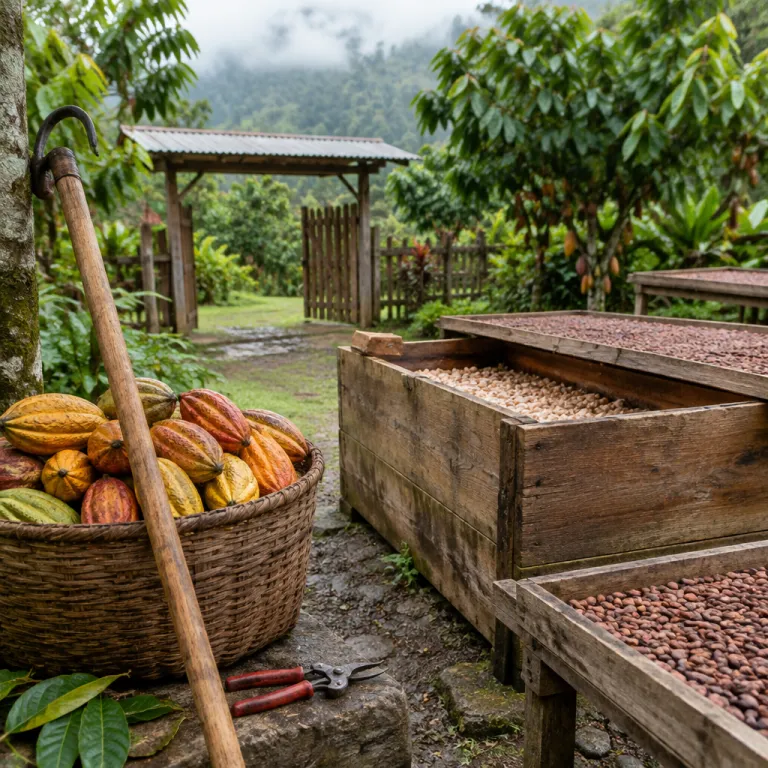
A well designed estate day usually starts with a guided walk through cacao rows, where you learn how fine flavour varieties thrive under partial shade alongside coffee and fruit trees. You watch harvest, then move to fermentation boxes, sun dryers and small roasters, tracing each step until you grind nibs and mold your own bar by hand. As one educational programme puts it with welcome clarity, “What does “bean-to-bar” mean? Chocolate fully made from raw cacao beans by same producer”, and many workshops here end with a tasting that compares different fermentation times and roast profiles.
Hospitality on these farms is intentionally simple, often a family run posada with shared bathrooms and a hammock strung on the veranda. Most luxury focused travellers therefore base themselves in comfortable hotels in Cusco or the Sacred Valley, treating the estate as a long day trip rather than an overnight stay. One Quillabamba grower likes to tell visitors, “We sleep in the same house as our drying racks, so you hear the rain on the roof and smell the cacao at night,” a small detail that captures both the intimacy and the limits of on farm accommodation.
Designing a cacao focused route across south america’s amazon fringe
Peru sits at the centre of south america’s fine flavour cacao map, and its mix of amazon rainforest, cloud forest and Andean valleys makes it unusually varied. More than ninety thousand family producers grow cacao here, and recent export figures for cacao and derivatives have passed several hundred million dollars, according to national trade data and industry association summaries that track agricultural exports. For travellers, that economic story translates into better organised cacao estate stays peru amazon options, with tour operators and local cooperatives acting as intermediaries between farms and guests.
When planning your route, think in terms of river systems and altitude rather than administrative borders. One classic loop links Lima, Cusco, machu picchu and the Sacred Valley with a descent into the jungle, then a flight to puerto maldonado for a few nights at a rainforest lodge such as Refugio Amazonas or Posada Amazonas. From there, you can add time in the northern amazonas region or San Martín if you want to compare how cacao from different national reserve buffer zones tastes when processed by artisan chocolatiers.
Practicalities matter on this kind of trip, especially for solo travellers who value both independence and safety. Book during harvest season if you want to see fermentation boxes full and sun dryers busy, wear sturdy shoes for muddy paths and expect humidity and rain in both jungle and cloud forest. Buying chocolate at origin supports smallholder livelihoods and regenerative agriculture, and when you choose lodges and posadas that work with Ese Eja communities or other indigenous groups, you help ensure that wildlife conservation and human wellbeing advance together.
FAQ
What does a typical bean to bar cacao day include in Peru ?
A well structured bean to bar day in peru usually starts with a guided walk through cacao trees, followed by demonstrations of harvest, fermentation and drying. Visitors then move to small scale roasting and grinding, often using simple roasters and winnowers that show each step clearly. Many programmes end with a tasting session and the chance to mold your own chocolate bar to take back to your lodge or hotel room.
When is the best time to visit cacao estates in the peruvian amazon ?
The main cacao harvest in Peru’s cloud forest and amazon fringe typically runs from March to September, when trees carry the most ripe pods. Visiting during this period means you are more likely to see full fermentation boxes, active drying patios and cooperative warehouses preparing beans for export. Outside harvest season, estates still welcome guests, but the experience focuses more on agroforestry, wildlife and rainforest walks than on processing.
Can solo travellers safely visit cacao farms and stay in jungle lodges ?
Solo travellers can safely visit cacao farms and stay in jungle lodges in the peruvian amazon when they work with reputable tour operators or established properties such as Inkaterra Hacienda Concepción, Refugio Amazonas or Posada Amazonas. These lodges arrange guided boat transfers, structured rainforest expeditions and escorted farm visits, which reduces logistical stress and safety concerns. Choosing recognised partners also ensures that your spending supports local communities and conservation projects.
Are cacao estate stays considered luxury accommodation in Peru ?
Most working cacao estates in Peru offer simple posada style accommodation rather than full luxury hotels, with basic rooms, shared bathrooms and home cooked meals. Travellers who want higher comfort usually base themselves in premium properties in Cusco, the Sacred Valley or puerto maldonado, then visit farms on day trips arranged by tour operators. This combination allows you to enjoy immersive origin experiences by day and refined service, strong hot showers and curated wine lists at night.
Why does buying chocolate at origin matter for farmers and forests ?
Buying chocolate at origin keeps more value in rural regions, because farmers and cooperatives can sell finished bars or higher quality beans directly to visitors. This extra income supports regenerative agriculture practices that maintain shade trees, protect soil and reduce pressure to clear more amazon rainforest for short term crops. For travellers, it also means a clearer line of traceability from the tree you photographed in the morning to the bar you taste in your room that evening.