From luxury spa menu to sacred context: reading the fine print
Peru now sells everything from crystal facials to full andean plant medicine retreats peru, and the spectrum between them is wide. For a traveler choosing a luxury retreat in Peru, the first task is separating a marketing fantasy from a respectful retreat experience that treats every sacred practice as more than a spa add on. When a property mentions plant medicine or healing plant traditions, you should immediately ask who leads the ceremonies, how they are paid and whether local communities helped design the programme.
Some high end retreats frame ayahuasca ceremonies as just another wellness upgrade, yet any authentic ayahuasca retreat is rooted in traditional work that predates tourism and demands context. In responsible ayahuasca retreats, the shipibo or other Indigenous healers set the rhythm of the day, define which plant medicines are appropriate and decide whether a guest is ready for a ceremony at all. When a retreat center in Peru treats ayahuasca, san pedro or any other plant medicine as a guaranteed life changing highlight, rather than a possibility within a broader journey, you are looking at extraction rather than partnership.
Ethical retreats in Peru publish clear information about medicine sourcing, healer consent and safety protocols, and they explain why some guests are not accepted for an ayahuasca retreat or for specific ceremonies. They also distinguish between gentler healing retreats that use plant baths, sound work or despacho offerings and more intense ayahuasca ceremonies that carry real physical and psychological risks. When a property in the sacred valley or near Cusco Peru refuses to offer ayahuasca on site and instead focuses on integration support and altitude aware wellness, that caution is usually a sign of respect, not a lack of authenticity.
What respectful Andean wellness looks like in practice
In the best andean plant medicine retreats peru, the word retreat means time, slowness and preparation, not just a long weekend with a marketing brochure. A thoughtful retreat Peru programme begins days or weeks before arrival, with guidance on diet, mental health screening and honest conversations about whether plant medicines or only gentler practices are appropriate. Luxury hotels in Cusco Peru that take altitude and wellness seriously often combine oxygen enriched rooms, slow acclimatisation and grounding rituals rather than pushing guests straight into intense ceremonies on their first day.
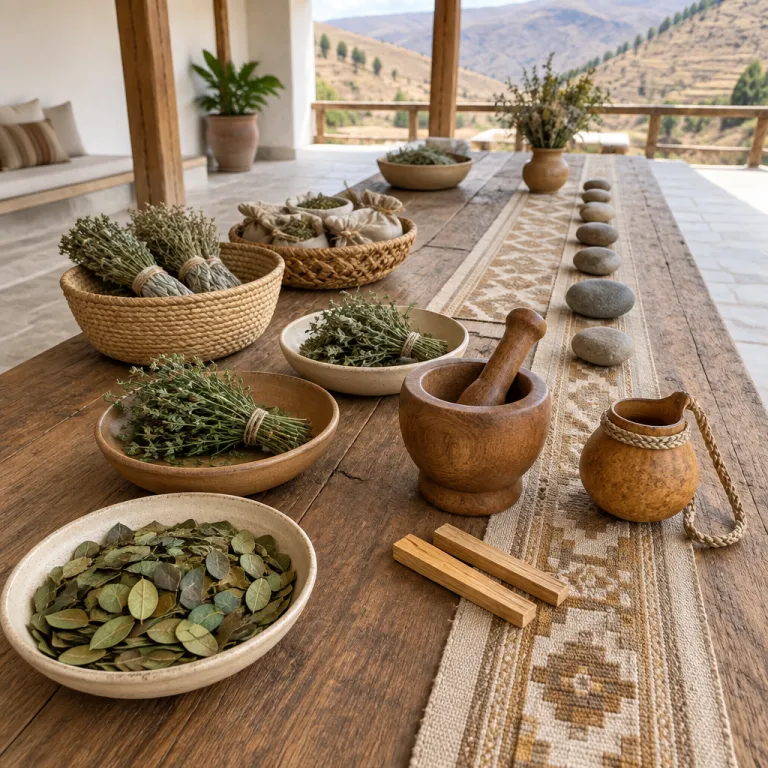
Before any ceremony, a respectful team explains the traditional meaning of each plant, from cleansing baths to coca leaf readings, and clarifies what is symbolic, what is spiritual and what is simply a way to connect with mother earth. A guest might join a despacho offering in the sacred valley, walk among medicinal plants with a local guide and then end the day in a hydrotherapy circuit, all framed as one coherent retreat experience rather than scattered activities. When you see this kind of integration, you are usually looking at a retreat center that has done the slow work of building trust with communities and aligning luxury service with Indigenous practices.
Altitude aware wellness also means clear safety boundaries around ayahuasca retreats and san pedro ceremonies, especially for solo travelers who may be more vulnerable. Properties that feature in depth wellness reviews, such as those highlighted in analyses of which Cusco hotels take altitude seriously, tend to publish their medical screening criteria and emergency plans. That level of transparency is not marketing gloss ; it is the baseline for any safe, authentic and genuinely healing retreat in Peru.
Ayahuasca, risk and responsibility in luxury settings
Any honest guide to andean plant medicine retreats peru must draw a clear line around ayahuasca, because the word now appears on spa menus, yoga flyers and airport billboards. Ayahuasca is a powerful plant medicine from the Amazon basin, and an ayahuasca retreat or individual ayahuasca ceremonies involve psychoactive effects, medical risks and deep cultural responsibilities that go far beyond a typical wellness weekend. Many of the most responsible luxury properties in Peru therefore choose not to host ayahuasca retreats on site, even when guests ask for what they imagine will be the best experience of their trip.
When a hotel does connect guests with an external retreat center, the safest models involve long term partnerships with shipibo or shipibo conibo healers, clear medical screening, small groups and round the clock supervision. A serious operator will explain that authentic ayahuasca work is not a guaranteed life changing shortcut, and that some guests are better served by non psychoactive healing retreats focused on breath, sound, thermal waters or gentle plant baths. They will also insist on minimum stay lengths, because one intense night without preparation or integration is rarely a responsible journey for mind or body.
For many travelers, the most ethical choice is to keep ayahuasca as a subject of learning rather than a personal experiment, and to focus instead on slower wellness rooted in the Andes. Analyses of what Peru’s wellness wave actually delivers show that properties with the strongest community links often prioritise education, ceremony observation and post retreat integration over promising instant transformation. If a website or concierge pushes a quick ayahuasca package without discussing safety, mental health or the cultural meaning of the medicine, that is a red flag you should not ignore.
Gentler Andean and Amazonian wellness for solo explorers
Not every traveler seeking andean plant medicine retreats peru wants or needs psychoactive ceremonies, and the most thoughtful luxury hotels understand this. Across Peru, especially in the sacred valley and around Cusco Peru, you will find retreat experiences built around thermal springs, herbal saunas, sound journeys and coca leaf rituals that honour traditional practices without overwhelming the nervous system. These programmes can be deeply healing for solo explorers who want to feel held yet remain fully present and sober throughout each ceremony.
A typical day in such a retreat Peru setting might begin with a guided walk at dawn, a simple offering to mother earth and a plant bath using non psychoactive healing plant infusions prepared by local women. Later, guests might join a small group despacho ceremony, learn about the role of san pedro in Andean cosmology without ingesting it and then soak in mineral rich waters while a therapist explains how altitude affects circulation and sleep. This kind of retreat center design treats medicine as a broad concept that includes breath, water, sound and landscape, not only the famous plants of the Amazon.
Some properties also collaborate with community projects that reinvest a portion of wellness revenue into conservation or cultural programmes, aligning luxury with long term stewardship. When you see transparent community partnerships and fair pay for healers, you are looking at the same values that underpin the rise of community based luxury in Peru’s broader hospitality scene. For a solo traveler, these gentler healing retreats often provide the safest, most sustainable and ultimately best experience of Andean wellness.
Choosing responsibly: red flags, green flags and booking strategy
For anyone scanning andean plant medicine retreats peru online, the volume of choice can feel overwhelming, yet a few clear criteria help you separate depth from décor. Green flags include detailed information about the retreat center team, transparent healer biographies, clear medical screening and explicit safety protocols for any ceremonies, whether they involve plant medicines or only symbolic offerings. You should also look for honest descriptions of what a retreat experience includes, with realistic language instead of guaranteed life changing promises.
Red flags, by contrast, include vague references to authentic ayahuasca without naming the tradition, no mention of shipibo or other Indigenous lineages and glossy photos of ceremonies with no explanation of consent. Be wary of any retreat Peru package that bundles ayahuasca, san pedro and multiple intense ceremonies into a few days, especially if the property is far from the Amazon and lacks clear medical support. When a website focuses more on Instagram ready images than on safety, preparation and aftercare, you are looking at a product, not a practice.
As you refine your shortlist, prioritise properties that publish integration resources, encourage longer stays and frame medicine as one part of a broader journey through Peru, from the sacred valley to Machu Picchu and beyond. Articles that analyse how community linked luxury is reshaping Peruvian hospitality can help you identify hotels whose wellness offerings grow out of real relationships rather than trend chasing. Booking with these properties not only protects your own wellbeing ; it also supports the healers, guides and communities who keep traditional practices alive.
FAQ
Are ayahuasca retreats offered inside luxury hotels in Peru ?
Most luxury hotels in Peru do not host ayahuasca retreats inside the property, because the medicine carries medical, legal and ethical complexities that exceed a standard spa framework. Instead, some hotels may refer guests to independent retreat centers that specialise in ayahuasca ceremonies and have medical screening, on site supervision and long term relationships with Indigenous healers. When a hotel is transparent about these limits, it is usually a sign of responsible practice rather than a lack of authenticity.
How can I tell if a plant medicine retreat is safe and respectful ?
A safe and respectful retreat publishes clear information about who leads the ceremonies, how they are trained, what medical screening is required and what emergency protocols exist. You should see explicit consent for photography, fair pay for healers, small group sizes and realistic language about outcomes rather than guaranteed life changing results. If a website is vague about safety, healer identity or the cultural context of the practices, you should treat that as a serious warning sign.
Do I need to take ayahuasca to benefit from Andean wellness traditions ?
No, you do not need to drink ayahuasca to engage meaningfully with Andean or Amazonian wellness. Many travelers find deep value in gentler practices such as coca readings, despacho offerings, plant baths, thermal springs and guided walks that honour mother earth without psychoactive effects. For solo explorers or guests with medical or mental health concerns, these non psychoactive options are often the most appropriate and sustainable choice.
What role does the Sacred Valley play in wellness focused trips to Peru ?
The Sacred Valley has become a key hub for wellness focused travel in Peru, thanks to its altitude, landscape and proximity to Cusco and Machu Picchu. Many high end properties there combine spa facilities with Andean rituals, farm to table cuisine and access to local communities who maintain traditional practices. It is an ideal base for travelers who want structured retreat experiences by night and exploratory hikes or cultural visits by day.
How long should I stay at a retreat center to integrate the experience ?
For most guests, a meaningful retreat requires at least several days, because preparation, ceremony and integration all take time. Short stays of one or two nights rarely allow your body to adjust to altitude, your mind to settle and your schedule to include both practices and rest. When a retreat center encourages longer, slower programmes rather than compressed itineraries, it usually reflects a more responsible approach to wellness.