Why Salkantay Pass belongs on a luxury Peru itinerary
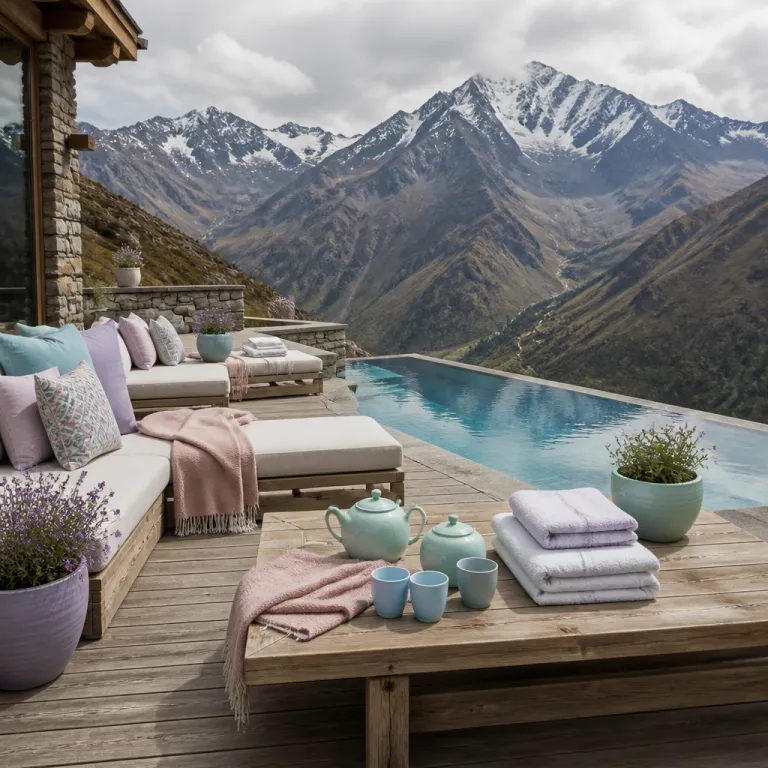
The high Andean corridor around Salkantay Pass offers a rare blend of wilderness drama and refined comfort. This is one of the few places in Peru where a demanding Salkantay trek can be paired with premium lodges, curated service, and seamless logistics. For people planning a luxury trip, the pass transforms a classic hike into an elevated travel experience.
Set between Cusco and the sanctuary of Machu Picchu, the Salkantay region forms a spectacular alternative to the traditional Inca Trail. The route crosses high-altitude landscapes, glacial cirques, and cloud forest valleys that feel remote yet remain accessible through well-designed tour operations. When you plan your days and nights carefully, you can enjoy the best scenery while returning each evening to hot showers, fine Peruvian cuisine, and attentive staff.
Many travellers compare the Salkantay Pass hike with the Inca Trail because both lead towards Machu Picchu and Aguas Calientes. The Salkantay trek usually involves more elevation gain per day, which increases trek difficulty but also rewards people with emptier trails and broader views. For discerning guests, this means more privacy, more silence, and more time to appreciate the Andean peaks without crowds.
Luxury-focused agencies now design each day trek around comfort, pacing, and acclimatisation rather than simply covering distance. A typical Salkantay trek Machu itinerary might include shorter day hike segments, gourmet picnic lunches, and private transfers that reduce fatigue. This approach allows you to savour the pass itself, rather than rushing through one of South America’s most impressive mountain corridors.
For travellers who value meaningful experiences, the combination of Salkantay Pass and premium lodging often becomes the highlight of their Peru journey. Many trek review comments mention how the contrast between rugged hiking days and indulgent nights deepens appreciation for the landscape. When planned well, the Salkantay trek becomes less about endurance and more about connection, comfort, and perspective.
Designing a high comfort Salkantay trek from Cusco
Every successful Salkantay trek begins in Cusco, where altitude, rest, and hotel choice matter. Spend at least two or three days in the city before your first day Salkantay hike, using that time to acclimatise and enjoy the historic centre. Selecting a premium hotel with oxygen-enriched rooms or on-call medical support can significantly reduce the risk of altitude sickness once you reach the pass.
From Cusco, most luxury tour operators arrange private transfers to the Salkantay trailhead, allowing a relaxed start to the first day trek. This is when you feel the shift from urban Peru to the rural valleys that frame the Salkantay massif. A well-paced itinerary will gradually increase hiking time over the first two days, giving people’s bodies space to adapt before the highest section of the route.
Because Salkantay Pass rises above 4,600 metres (about 15,100 feet), high-altitude planning is non-negotiable. Choose a travel provider that monitors oxygen saturation daily and builds in contingency days and nights in case weather or health issues require adjustments. Reputable companies also brief guests thoroughly on altitude sickness symptoms, hydration strategies, and the importance of slow, steady hiking.
Luxury travellers often combine the Salkantay trek with other high-altitude experiences such as Humantay Lake or Rainbow Mountain. When you add these day hike options, work with an expert to sequence them so that elevation gains increase gradually. A carefully staged ascent itinerary protects your overall Peru trip, and resources such as a dedicated guide to building the ascent itinerary that protects your Peru trip can be invaluable.
On the ground, the best Salkantay trek operations provide small group ratios, experienced mountain guides, and support teams who handle luggage between lodges. This means you carry only a light day pack on the trail, keeping the hike enjoyable even on longer days. For many people, that balance between physical challenge and thoughtful support defines a truly premium Salkantay Pass experience.
Where luxury meets wilderness along the Salkantay trail
The accommodation landscape along the Salkantay trail has evolved dramatically, giving travellers more choice in how they experience each night. At the top end, lodge-to-lodge itineraries offer heated rooms, hot tubs, and refined Andean menus that rival city hotels. These properties allow you to spend your days hiking through remote valleys while your evenings feel like a polished resort stay.
Many luxury lodges along the Salkantay trek route are positioned to frame sunrise or sunset views of the glacier and surrounding peaks. After a demanding day Salkantay ascent, returning to a glass of Peruvian wine and a hot shower changes the emotional tone of the journey. People who once hesitated about trek difficulty often find that these comforts make the high-altitude challenge not only manageable but deeply enjoyable.
Some travellers prefer a hybrid approach, combining one or two premium nights with more traditional mountain lodges to balance budget and comfort. This can work well on longer itineraries of five days and nights or more, where you might reserve the most luxurious stay for the night before or after crossing Salkantay Pass. In every case, confirm that your chosen property has robust safety protocols, satellite communication, and clear evacuation plans for altitude sickness or sudden weather changes.
For those who want to extend their indulgent experience beyond the mountains, Peru now offers a growing collection of full-service resorts. After completing the trek Salkantay route, many guests head to the Sacred Valley or the coast to decompress in properties where you can actually unpack and stay for several days. A curated guide to full-service resorts in Peru helps you identify the best options for spa facilities, gastronomy, and family-friendly amenities.
Thoughtful operators also integrate wellness elements into the Salkantay trek Machu journey, such as evening stretching sessions, massage services, or mindfulness practices. These touches support recovery after long hiking days and deepen your connection with the Andean environment. When wilderness, wellness, and refined hospitality intersect, the Salkantay Pass becomes more than a crossing; it becomes a holistic retreat.
From Salkantay Pass to Machu Picchu and Aguas Calientes in style
One of the great appeals of the Salkantay trek is its natural progression towards Machu Picchu and the town of Aguas Calientes. After days of hiking through high-altitude passes and cloud forest, arriving at this lush valley feels almost cinematic. Luxury-focused itineraries choreograph this transition carefully, ensuring that the final approach complements rather than competes with the Inca citadel itself.
Most premium Salkantay trek Machu programs end with a scenic train ride from the Hydroelectric station or nearby points into Aguas Calientes. This leg of the journey offers a welcome rest after your last day trek, as the train follows the Urubamba River through increasingly dense vegetation. On arrival, guests typically check into high-end hotels that provide spa treatments, gourmet dining, and early breakfast options for the next morning’s visit to Machu Picchu.
While the Inca Trail leads directly to the Sun Gate, the Salkantay Pass route usually connects to Machu Picchu via bus from Aguas Calientes. This difference does not diminish the experience; instead, it allows people to separate the physical challenge of the trek from the contemplative time spent at the archaeological site. Many travellers highly recommend spending at least one night, and ideally two nights, in Aguas Calientes to explore the ruins at different times of day.
For those comparing the Inca Trail and the Salkantay trek, the choice often comes down to crowd levels, comfort, and flexibility. The Inca Trail has strict permit limits and fixed campsites, while the Salkantay route offers more varied accommodation and the possibility of private tours. Luxury travellers who value space, personalised service, and the option to adjust their hiking days often find that Salkantay Pass better matches their priorities.
After your visit to Machu Picchu, consider extending your Peru itinerary with time in Lima’s coastal districts. A detailed neighbourhood-by-neighbourhood hotel guide to where to stay in Lima can help you choose a property that mirrors the quality of your Andean lodges. Ending your South America journey with ocean views, fine dining, and contemporary art creates a satisfying counterpoint to the rugged beauty of the Salkantay trail.
Managing trek difficulty, safety, and comfort at high altitude
Understanding trek difficulty is essential when planning a luxury-oriented Salkantay Pass journey. The route involves several demanding days of hiking, including steep ascents and descents on uneven terrain. Even with premium support, people should be prepared for long hours on the trail and rapidly changing mountain weather.
The highest point of the Salkantay trek reaches well above 4,500 metres, where high-altitude effects become more pronounced. Symptoms of altitude sickness can include headache, nausea, and shortness of breath, and they may appear even in fit travellers. Choosing an operator that prioritises acclimatisation days, slow pacing, and clear safety protocols is non-negotiable for a comfortable experience.
Luxury-focused tours often include oxygen, first-aid-trained guides, and communication equipment as standard features. These measures do not eliminate risk, but they significantly improve response time if someone struggles during a day hike or night at elevation. Many trek review accounts emphasise how reassuring it feels to know that professional support is always close at hand.
Weather on Salkantay Pass can shift from bright sun to snow or sleet within a single day. High-quality gear, layered clothing, and waterproof boots are essential, even when porters or pack animals carry most of your luggage between days and nights. Some premium operators provide gear rental or even curated packing lists tailored to the season and specific sections of the trail.
For travellers who want the best balance between challenge and comfort, consider shorter itineraries that focus on the most scenic segments of the Salkantay trail. These options might include a single day Salkantay hike to a panoramic viewpoint, followed by a transfer to a luxury lodge at lower altitude. By matching route length to your fitness and comfort expectations, you ensure that the Salkantay trek remains a highlight rather than a hardship.
Pairing Salkantay Pass with other top Peruvian destinations
A Salkantay Pass adventure rarely stands alone; it usually anchors a broader Peru itinerary that includes cities, valleys, and coastal escapes. Many travellers begin in Lima, continue to Cusco and the Sacred Valley, then tackle the Salkantay trek before finishing with time in the Amazon or on the Pacific. This multi-destination approach allows people to experience Peru’s extraordinary diversity in a single trip.
Within the Cusco region, Humantay Lake and Rainbow Mountain have become popular additions to Salkantay-focused journeys. Both destinations involve high-altitude hiking, so they should be scheduled thoughtfully around your main trek days. Some guests choose a Humantay Lake day hike as a warm-up, while others reserve Rainbow Mountain for after the Salkantay trek, when their bodies are better acclimatised.
Beyond the Andes, Peru offers coastal, desert, and rainforest destinations that contrast beautifully with the Salkantay trail environment. After several days and nights in the mountains, relaxing in a coastal resort or Amazon lodge can feel restorative. Many luxury travellers highly recommend ending in a full-service property where spa treatments, pools, and fine dining help ease the transition back from high-altitude exertion.
When planning these combinations, pay close attention to flight times, transfer logistics, and the cumulative impact of altitude changes. A well-structured itinerary will minimise backtracking and ensure that each new destination complements rather than competes with your Salkantay trek Machu experience. Working with a specialist in South America travel can help you align hotel choices, internal flights, and guided tours into a coherent whole.
For people who value detailed feedback, reading more than one trek review can clarify how others have sequenced their Peru journeys around Salkantay Pass. Look for comments that mention specific hotels, guide quality, and how travellers felt on each day of the hike. These real-world perspectives, combined with professional advice, will help you craft a trip that feels both ambitious and comfortably achievable.
Choosing the right operator and reading a Salkantay trek review like an expert
Selecting the right tour operator is the single most important decision for a luxury Salkantay Pass experience. Beyond price, you should evaluate safety standards, guide training, accommodation partnerships, and group sizes. Smaller groups generally mean more personalised pacing, better support on challenging sections of the trail, and a quieter atmosphere during both hiking days and lodge nights.
When you read a Salkantay trek review, focus on details that matter for comfort and safety rather than only scenery. Look for comments about how guides handled altitude sickness, how flexible the itinerary was when weather changed, and whether meals met expectations for quality and dietary needs. Pay attention to how people describe the transition from the Salkantay trail to Aguas Calientes and Machu Picchu, as this final segment shapes lasting impressions.
Experienced travellers often compare multiple operators’ approaches to trek difficulty, acclimatisation, and emergency planning. Some companies build in extra time for rest days or optional day hike excursions, while others compress the route into fewer days and nights. For a premium experience, prioritise those who allow generous margins rather than racing through the pass.
It is also worth examining how each operator integrates cultural elements into the Salkantay trek Machu journey. High-quality guides share insights into local communities, Andean cosmology, and the historical context that links the Salkantay region with the Inca Trail and Machu Picchu. This narrative layer turns a physical hike into a richer travel experience that many guests highly recommend to friends and family.
Finally, consider how your chosen company supports local economies and environmental stewardship along the Salkantay Pass corridor. Responsible operators invest in community partnerships, minimise waste on the trail, and respect traditional land use practices in the cloud forest and high valleys. When your luxury journey also benefits the people and landscapes that host you, the memories of each day Salkantay adventure become even more meaningful.
Key statistics for planning a Salkantay Pass journey
- The Salkantay trek typically covers 60 to 74 kilometres over 4 to 5 days, depending on the exact route and side hikes, which helps travellers estimate daily hiking time and fitness requirements (data compiled from major Peru trekking operators such as Mountain Lodges of Peru and Salkantay Trekking, accessed 2024).
- Salkantay Pass reaches an elevation of approximately 4,600 metres above sea level, making it higher than the classic Inca Trail’s Dead Woman’s Pass at about 4,215 metres, which increases the importance of proper acclimatisation (altitude figures from Peruvian topographic surveys and Peru’s National Geographic Institute, latest published maps).
- Average daytime temperatures near Salkantay Pass range from 5 to 12 degrees Celsius, while night temperatures can drop below freezing, so high-quality layering systems are essential even on luxury-supported treks (climate data from Peru’s national meteorological service, SENAMHI, regional summaries for Cusco).
- Visitor statistics for Machu Picchu indicate over one million entries per year, while the Salkantay trail hosts significantly fewer people, which explains why many travellers seeking quieter routes choose Salkantay over the more regulated Inca Trail (figures from Peru’s Ministry of Culture annual reports on Machu Picchu visitation).
- Studies on high-altitude travel suggest that spending at least 48 to 72 hours above 3,000 metres before ascending higher can reduce the incidence of moderate altitude sickness by up to 50 percent, underscoring the value of acclimatisation time in Cusco or the Sacred Valley (data from international wilderness medicine research and guidelines by the Wilderness Medical Society).
FAQ about luxury travel around Salkantay Pass
How many days do I need for a comfortable Salkantay trek?
Most luxury-oriented Salkantay trek itineraries run for 4 to 6 days on the trail, not including acclimatisation time in Cusco. This duration allows for moderate daily distances, proper rest, and side trips such as Humantay Lake. Travellers who prefer slower pacing or more lodge time often choose the longer options.
Is Salkantay Pass harder than the classic Inca Trail?
Salkantay Pass is generally considered more demanding than the Inca Trail because it reaches higher altitude and includes steeper sections. However, lodge-based itineraries with luggage support and flexible pacing can make the overall experience feel manageable for fit, prepared travellers. Good acclimatisation and professional guiding are more important than technical climbing skills.
Can I hike the Salkantay trail in luxury without camping?
Yes, several operators offer lodge-to-lodge Salkantay trek options that eliminate camping entirely. Guests sleep in heated rooms with private bathrooms, enjoy restaurant-quality meals, and relax in communal lounges or hot tubs after each hiking day. This format appeals to travellers who want the scenery and challenge of the pass without sacrificing comfort.
When is the best time of year to hike Salkantay Pass?
The dry season from roughly May to September is widely regarded as the best time for the Salkantay trek, with clearer skies and more stable conditions. Shoulder months can offer fewer people on the trail but may bring more variable weather. Luxury travellers often choose dates within the dry season to maximise comfort and reliability.
How should I prepare physically for a Salkantay trek Machu itinerary?
Preparation should focus on cardiovascular fitness, leg strength, and endurance for multiple consecutive hiking days. Many people train with regular hill walks or stair sessions while carrying a light pack to simulate day hike conditions. Combining this with gradual altitude exposure in Cusco or the Sacred Valley sets you up for a safer, more enjoyable Salkantay Pass experience.